
Stakeholder management frameworks help teams identify, engage, and align the people who influence product outcomes. They clarify interests, power dynamics, and communication strategies. These frameworks are essential in transformation programs and cross‑functional delivery. Use them to prevent misalignment and build durable buy‑in.
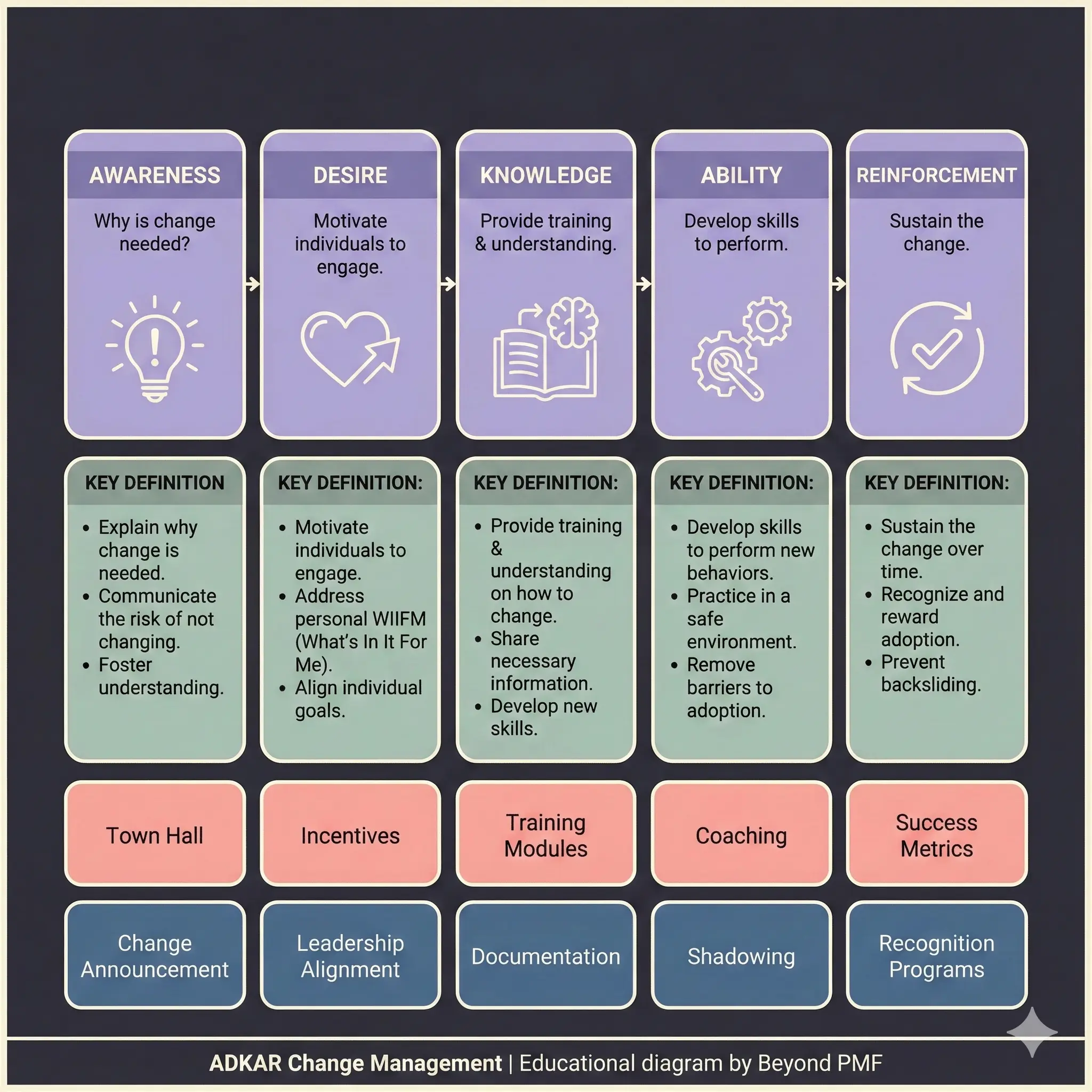
The ADKAR Change Management framework, developed by Prosci, focuses on guiding individuals and organizations through change using a structured approach. It emphasizes the human side of change management, aiming to ensure that changes are smoothly and effectively implemented. The framework is popular for its clear, easy-to-understand model that outlines the steps necessary for successful change, making it a valuable tool for managers and change leaders.
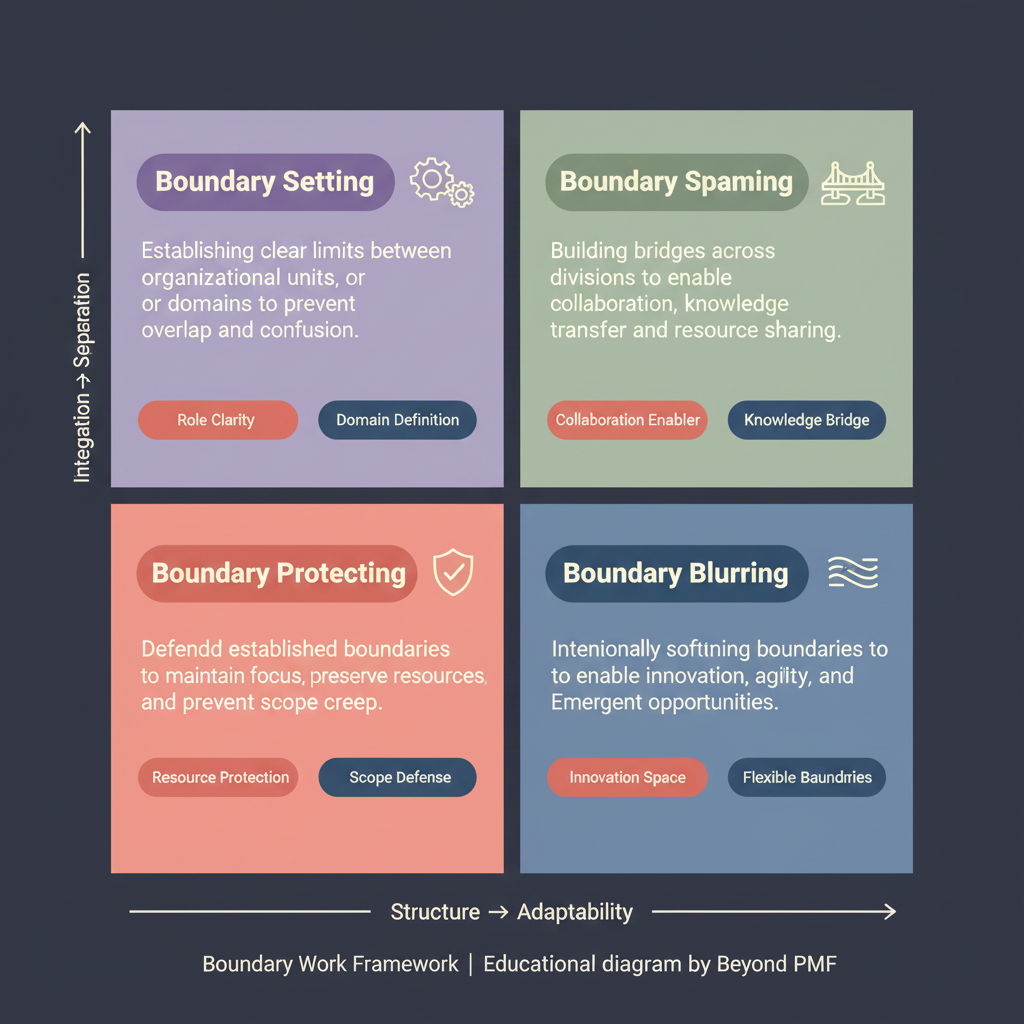
The Boundary Work Framework is designed to help organizations effectively manage the interfaces between different functional areas, departments, or external partners. It focuses on establishing clear roles, responsibilities, and communication channels to enhance collaboration and minimize conflicts. This framework is particularly beneficial in complex projects or environments where interdisciplinary cooperation is crucial for success.
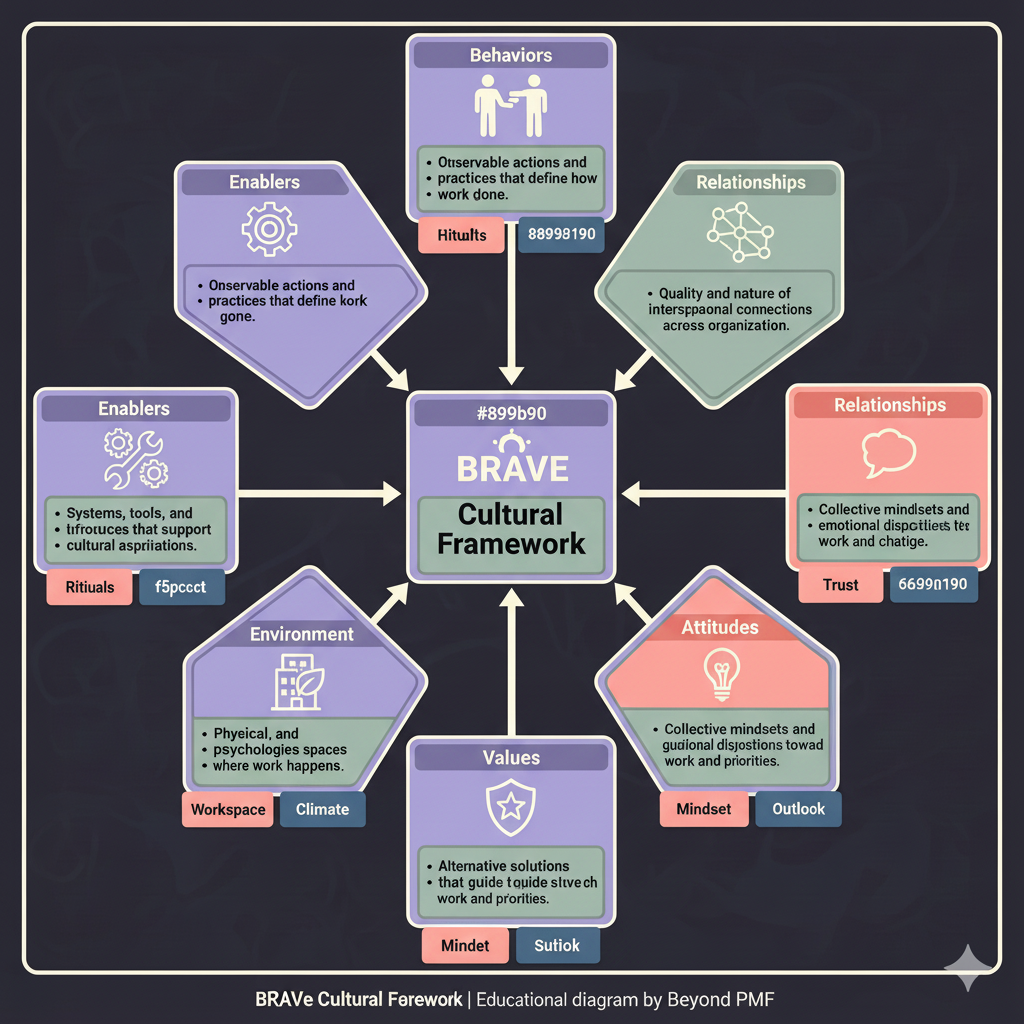
The BRAVE Cultural Framework is a comprehensive model designed to help organizations understand and cultivate their corporate culture. It emphasizes the importance of aligning behaviors, relationships, attitudes, values, and the environment to foster a positive and productive workplace. This framework is used to diagnose cultural issues, guide cultural transformations, and ensure that the culture aligns with the organization's strategic goals, thereby enhancing overall performance and employee satisfaction.
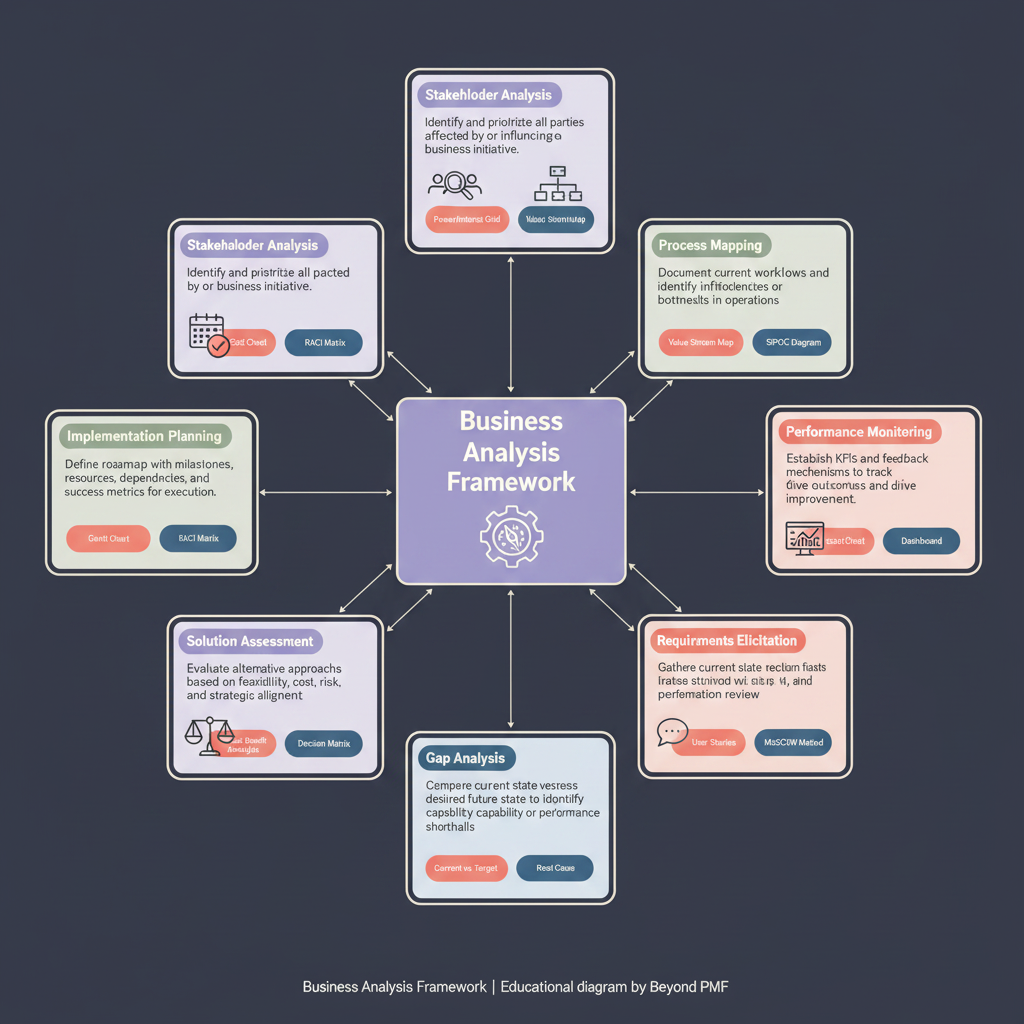
The Business Analysis Framework is a structured approach that helps organizations in understanding and addressing the needs and challenges faced in their business operations. It involves analyzing business processes, identifying areas for improvement, and implementing solutions effectively. This framework is crucial for enhancing efficiency, reducing costs, and optimizing performance, making it an essential tool for business development and strategic planning.
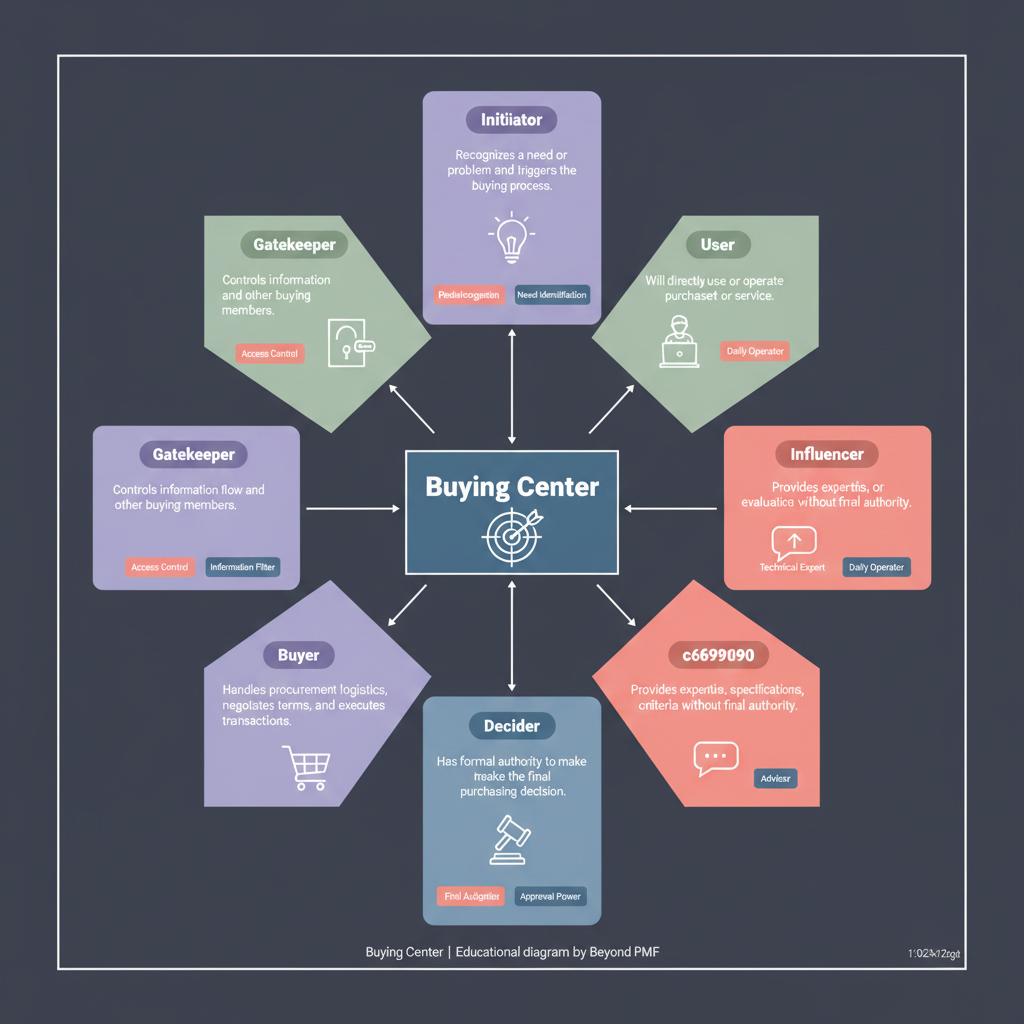
The Buying Center framework is a collective term used to describe a group of individuals within an organization who, collectively, are involved in the purchasing decision process. This framework helps businesses understand and analyze the dynamics of group purchasing decisions, facilitating targeted marketing strategies and improving sales effectiveness. By identifying the roles and influence of each member, companies can tailor their approaches to better meet the needs and preferences of each stakeholder involved in the decision-making process.
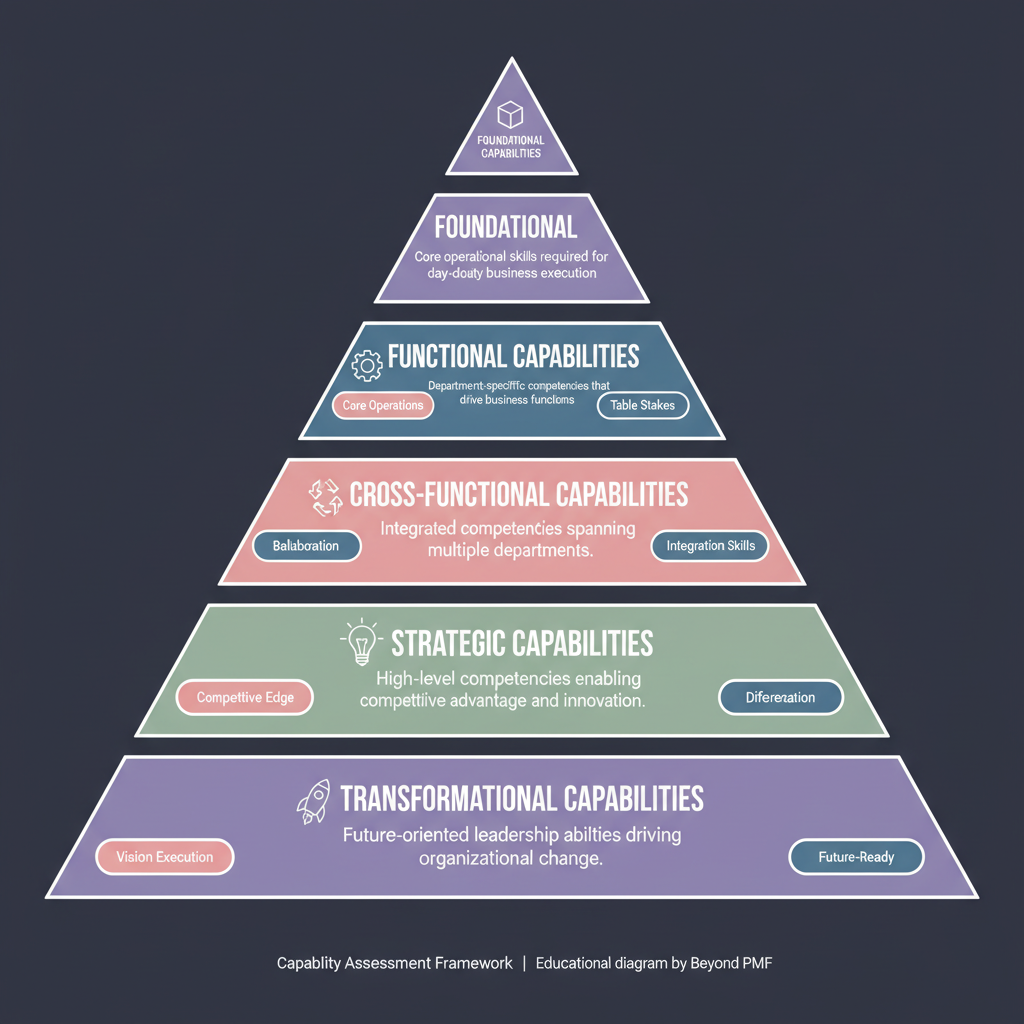
The Capability Assessment Framework is designed to help organizations assess their current capabilities against a set of criteria to identify areas of strength and improvement. It is used to systematically evaluate processes, people, and technology within an organization. The framework aids in decision-making by providing insights into operational effectiveness and strategic alignment, thereby enhancing overall performance and competitiveness.
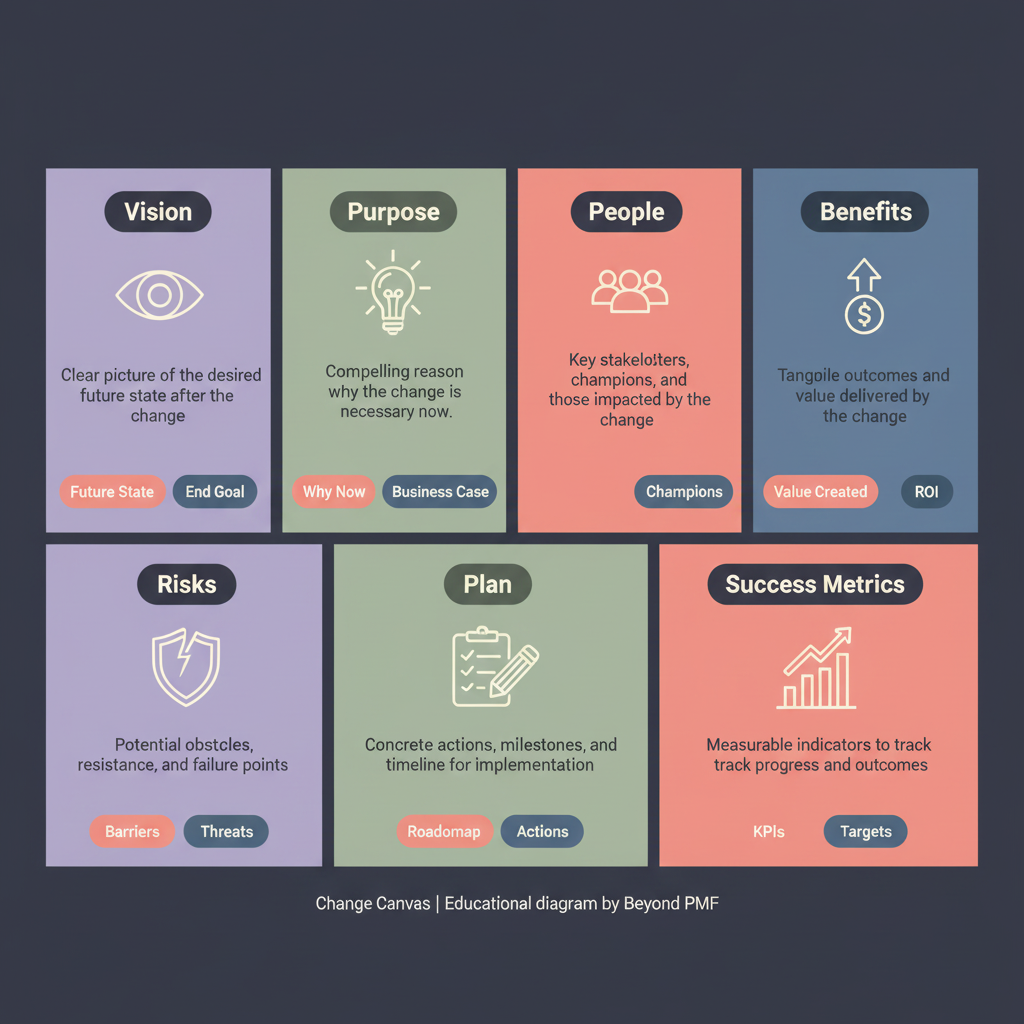
The Change Canvas framework serves as a strategic tool for organizations undergoing transformation. It helps teams visualize and plan change initiatives, ensuring alignment and understanding across all stakeholders. By breaking down the change process into manageable components, the Change Canvas aids in identifying key areas of impact, resources needed, and potential resistance, thereby streamlining the implementation of change.
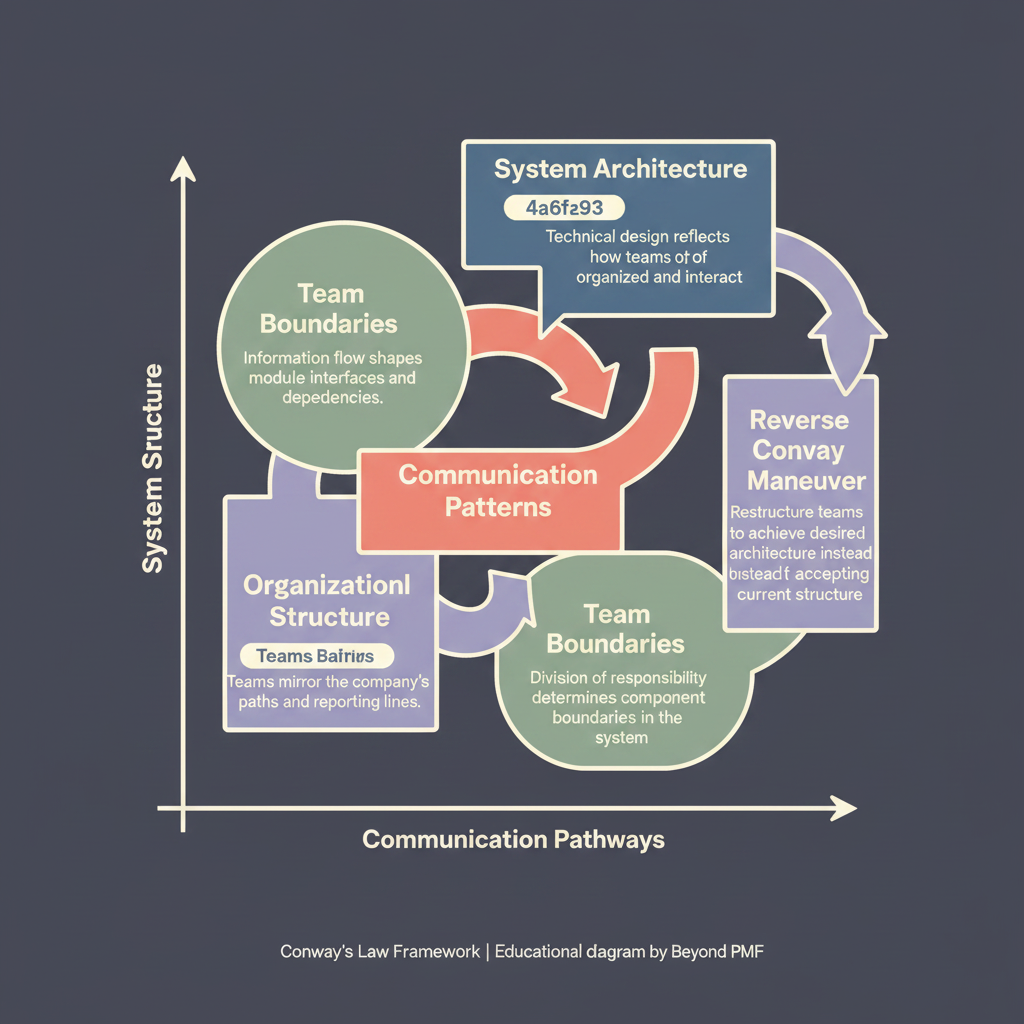
Conway's Law Framework is based on the observation by Melvin Conway in 1967 that organizations are constrained to produce designs which are copies of their own communication structures. This framework is used to understand and predict the structure of systems based on the structure of the organization. It is particularly beneficial in the context of software development and organizational design, helping businesses align their system architectures with their organizational structures for more coherent and efficient outcomes.
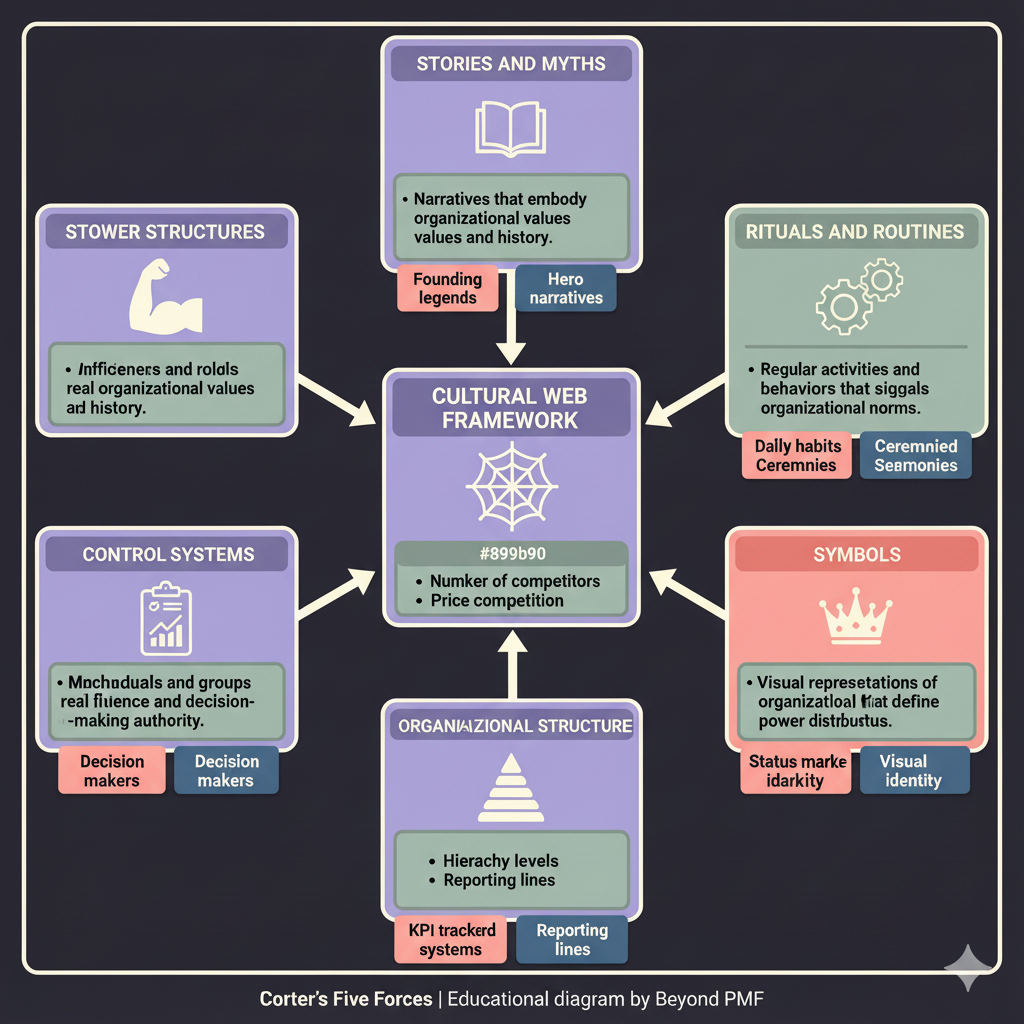
The Cultural Web Framework, developed by Gerry Johnson and Kevan Scholes, is a strategic tool focused on examining the cultural aspects of an organization. It assesses six elements that contribute to the organizational culture: stories, symbols, power structures, organizational structures, control systems, and rituals and routines. This framework is particularly useful for understanding the underlying assumptions and practices that shape the behavior and decisions within an organization, thereby aiding in effective cultural change management.
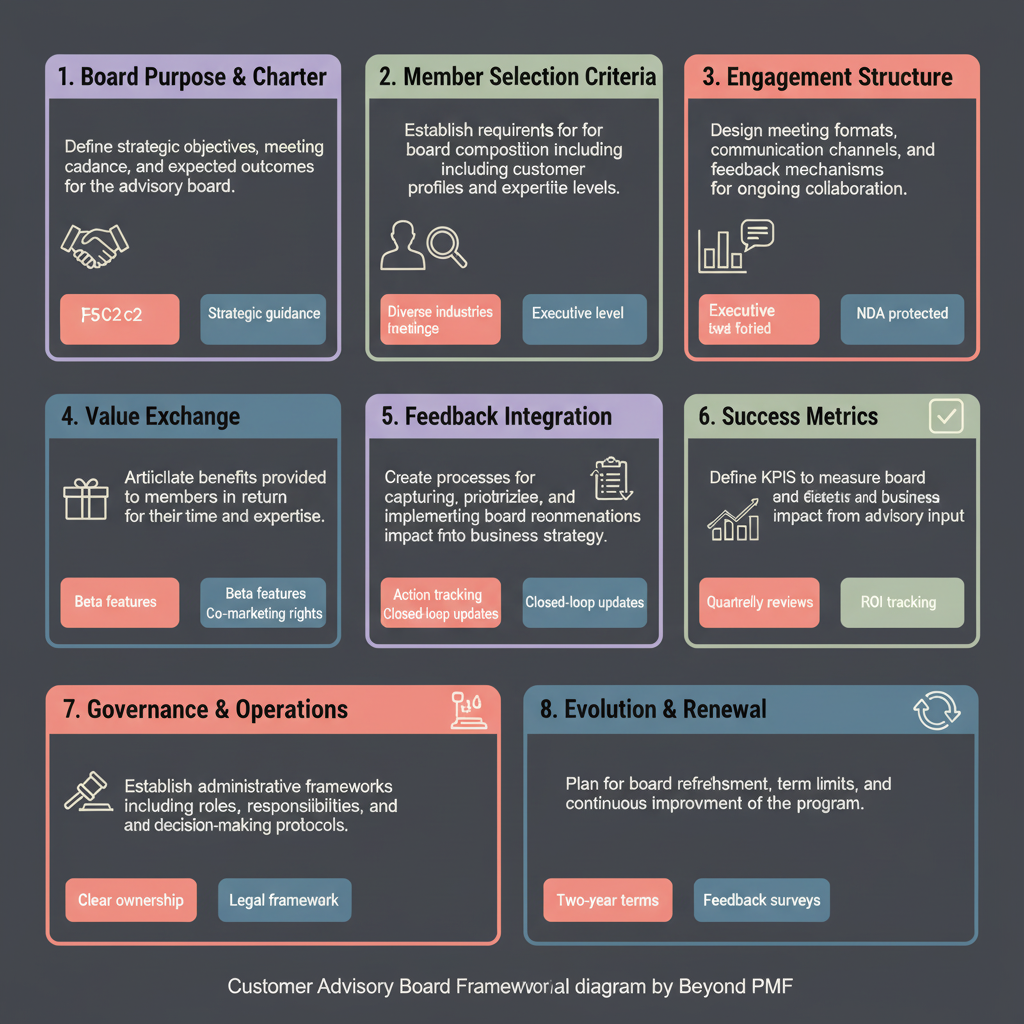
The Customer Advisory Board (CAB) Framework involves forming a group of leading customers to provide feedback, insights, and guidance on various aspects of a business's operations, products, and services. This framework is used to align a company's offerings more closely with market needs and customer expectations, fostering a deeper relationship with top customers. The benefits include enhanced customer loyalty, valuable insights into customer needs, and direct feedback on products and services.
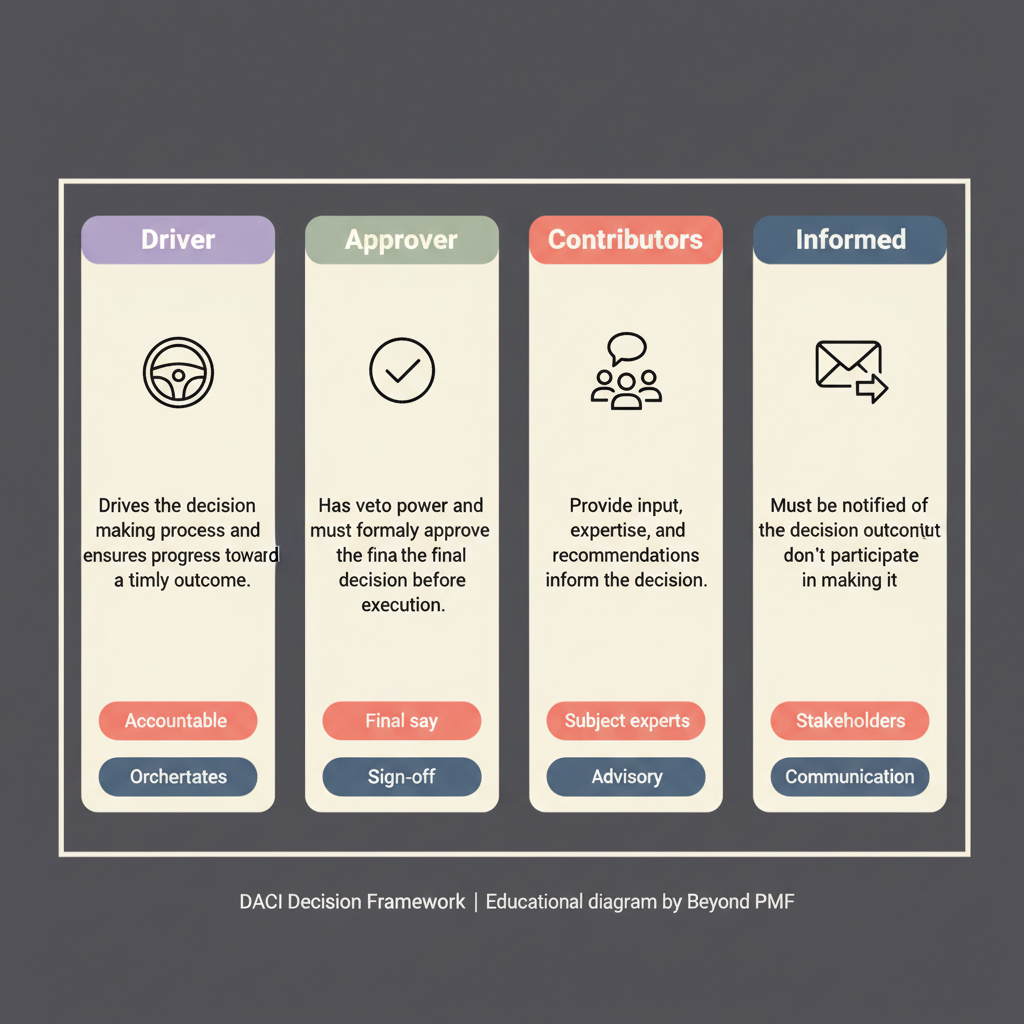
The DACI Decision Framework is a decision-making model designed to enhance clarity and efficiency in team decisions. It assigns specific roles to team members, ensuring that everyone knows their responsibilities during the decision-making process. The framework is used to speed up decision-making, reduce confusion, and improve the overall quality of decisions by making clear who is responsible for what. It is particularly beneficial in complex projects or environments where decisions need to be made quickly and efficiently.
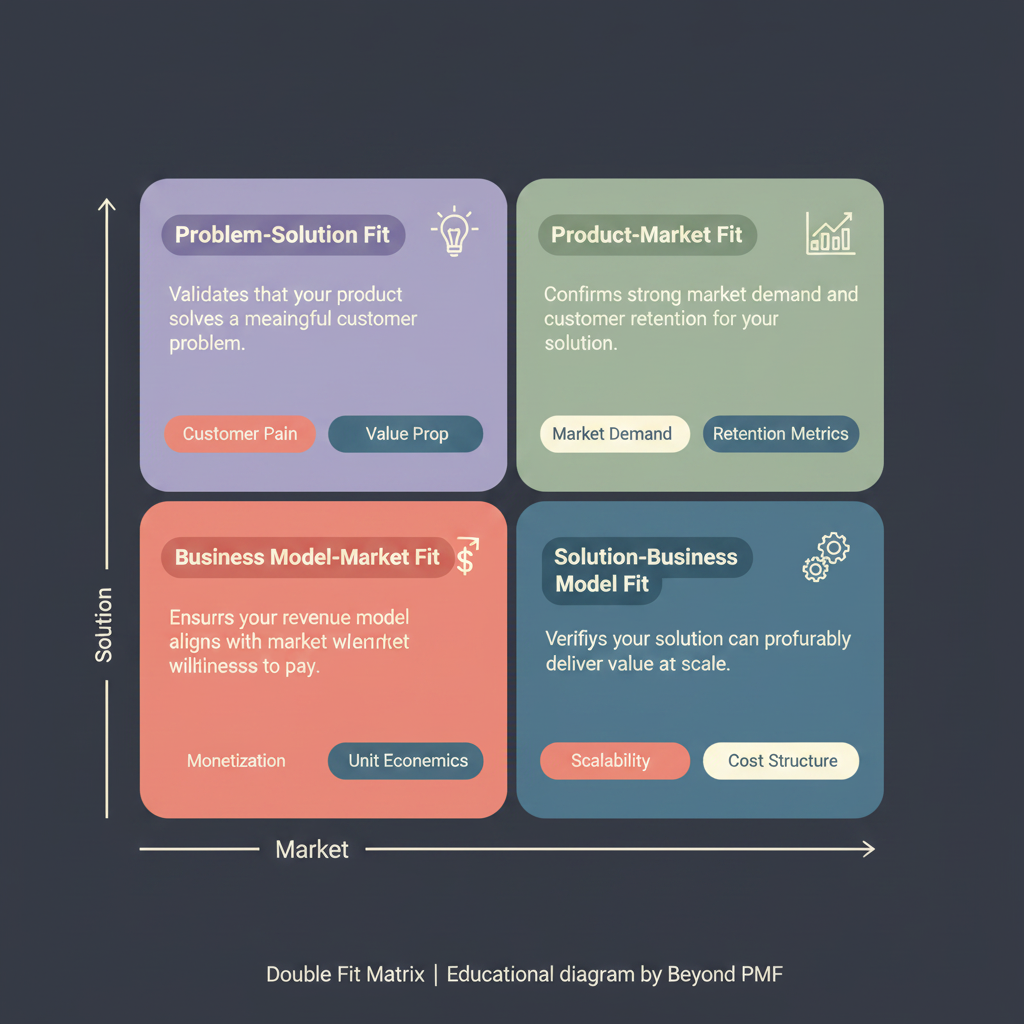
The Double Fit Matrix is a framework designed to assess and visualize the compatibility or fit between two distinct dimensions or variables within an organization. This can include the fit between a company's capabilities and market demands, or between employee skills and job requirements. The matrix helps in identifying areas of strong alignment and areas needing improvement, facilitating strategic decision-making and resource allocation.
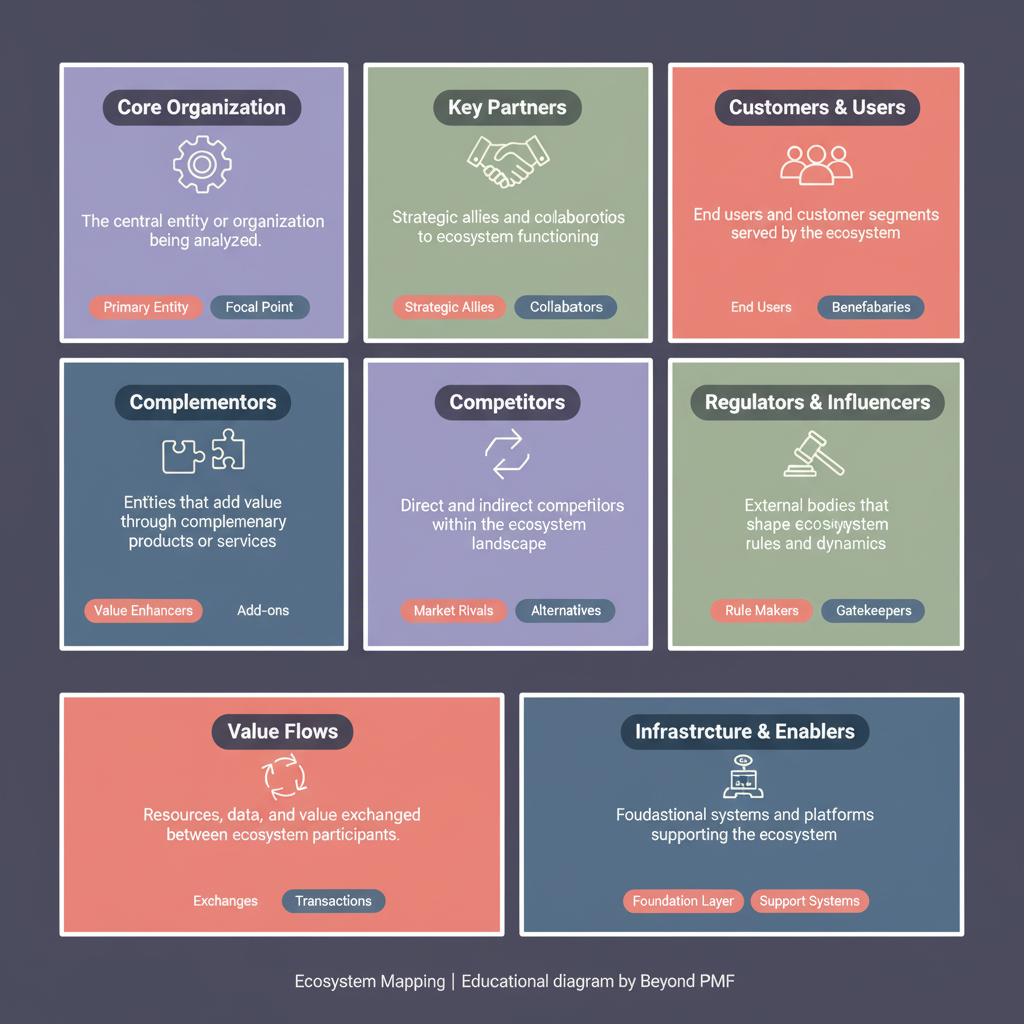
Ecosystem Mapping is a framework that helps organizations understand and visualize the complex networks of relationships that drive value creation and delivery in their business environment. This framework is particularly useful for identifying key stakeholders, understanding their roles, and assessing the influences and dependencies among them. By mapping out these relationships, companies can better strategize, innovate, and maintain competitive advantages in their industry.
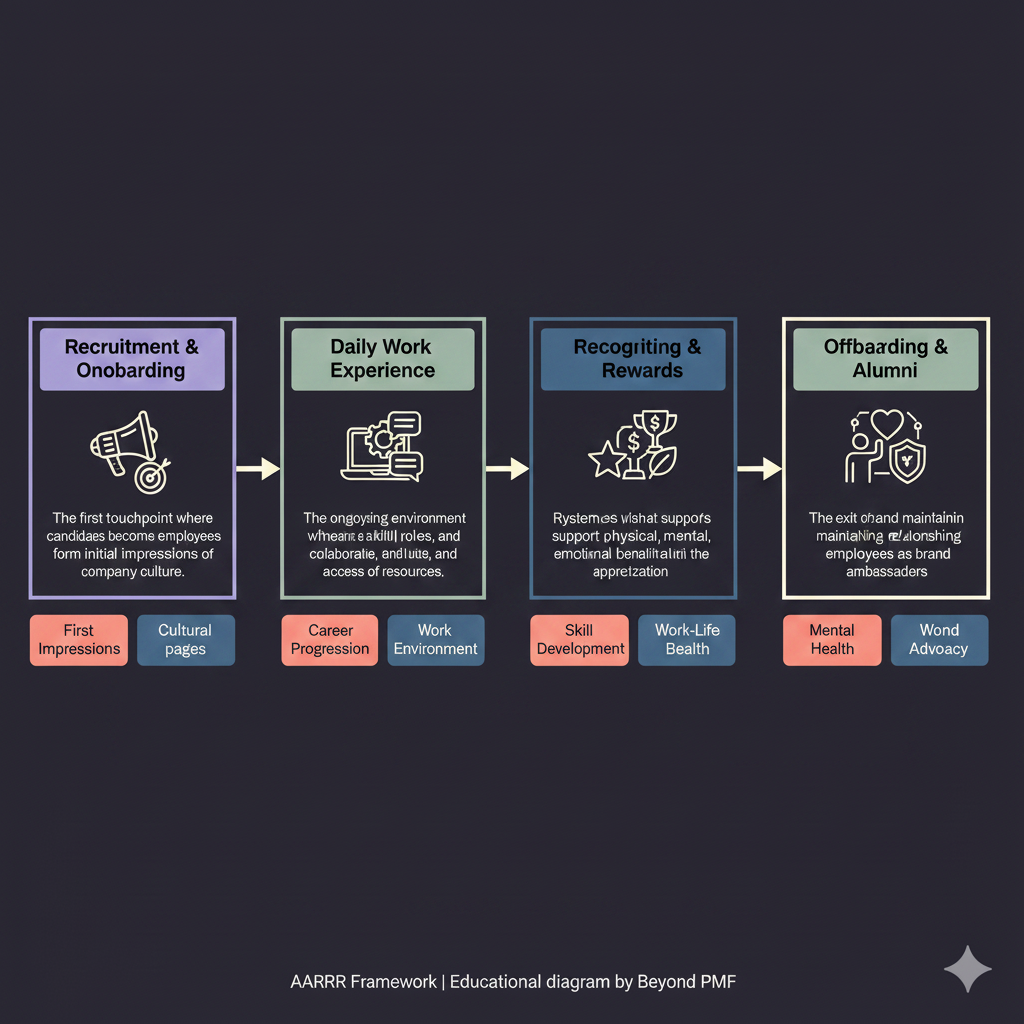
The Employee Experience Framework is a comprehensive approach that organizations use to manage and improve every aspect of an employee's journey within the company. It encompasses everything from recruitment and onboarding to development, retention, and exit processes. By focusing on creating a positive, engaging, and supportive environment, this framework aims to boost employee satisfaction, increase retention rates, and enhance overall organizational performance.
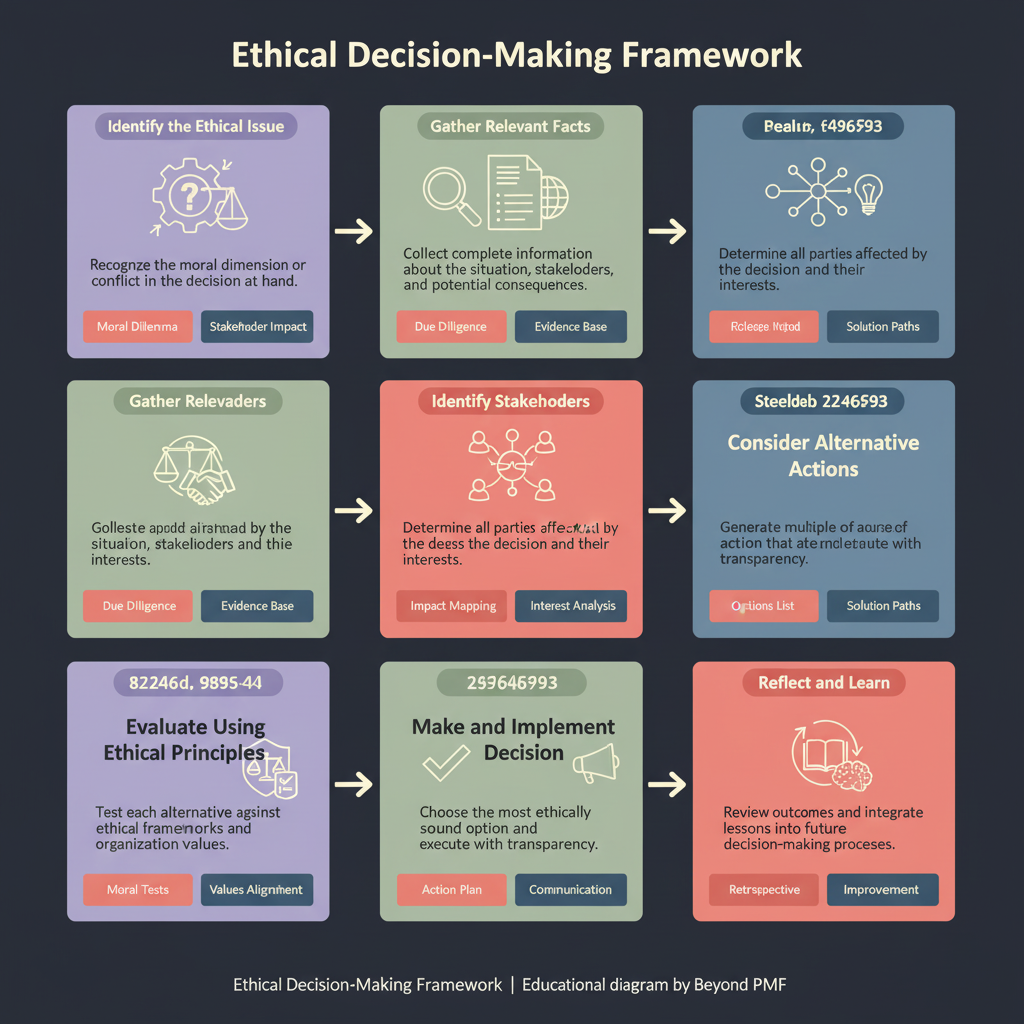
The Ethical Decision-Making Framework is a structured approach used to guide individuals and organizations through the process of making decisions that are ethical and just. It involves evaluating the ethical implications of various options and choosing the one that best aligns with established moral principles and societal norms. This framework is beneficial for promoting transparency, accountability, and trust, especially in complex situations where moral considerations are critical.
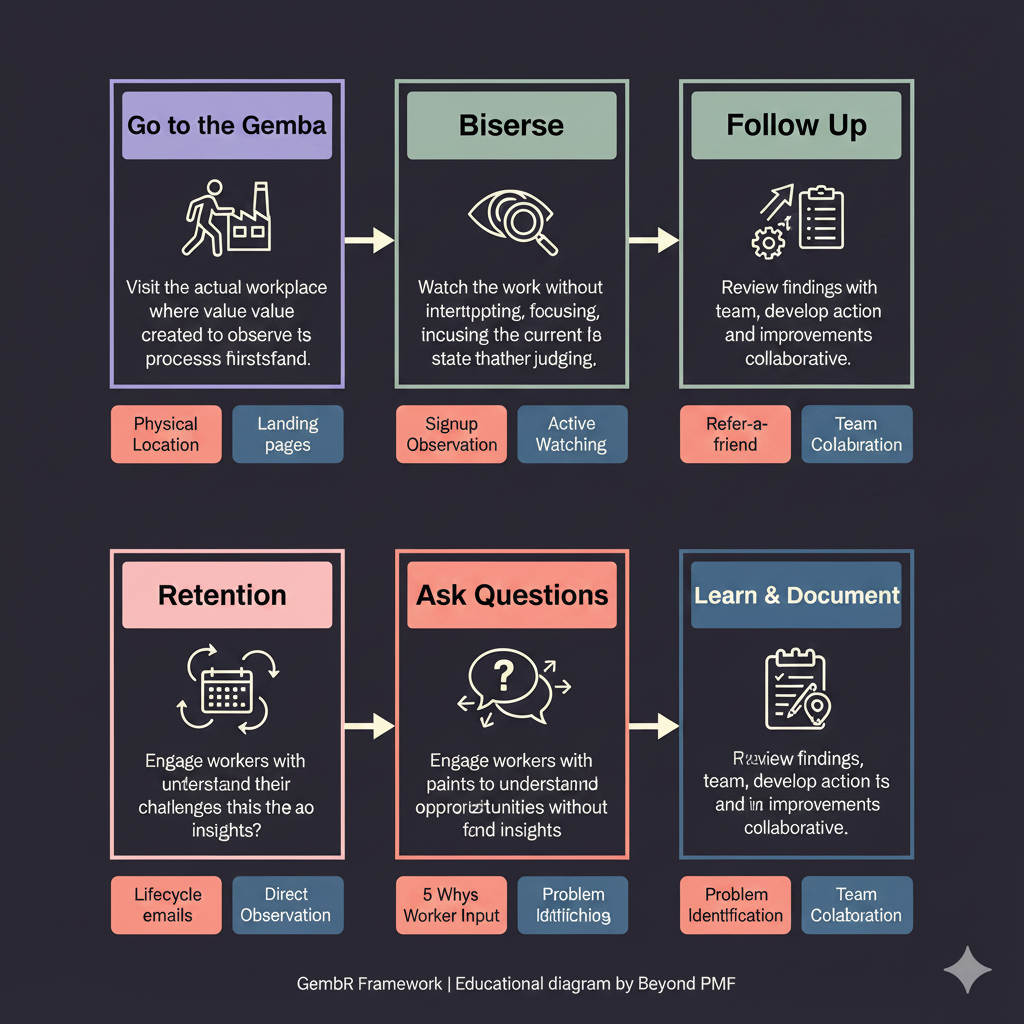
The Gemba Walk is a management technique derived from the Japanese term 'gemba' meaning 'the real place'. Managers and leaders use this approach to observe firsthand the work processes, engage with employees, and identify areas of improvement. It emphasizes the value of understanding the actual work environment to make informed decisions. This practice is beneficial for fostering open communication, improving operational efficiency, and building a culture of continuous improvement.
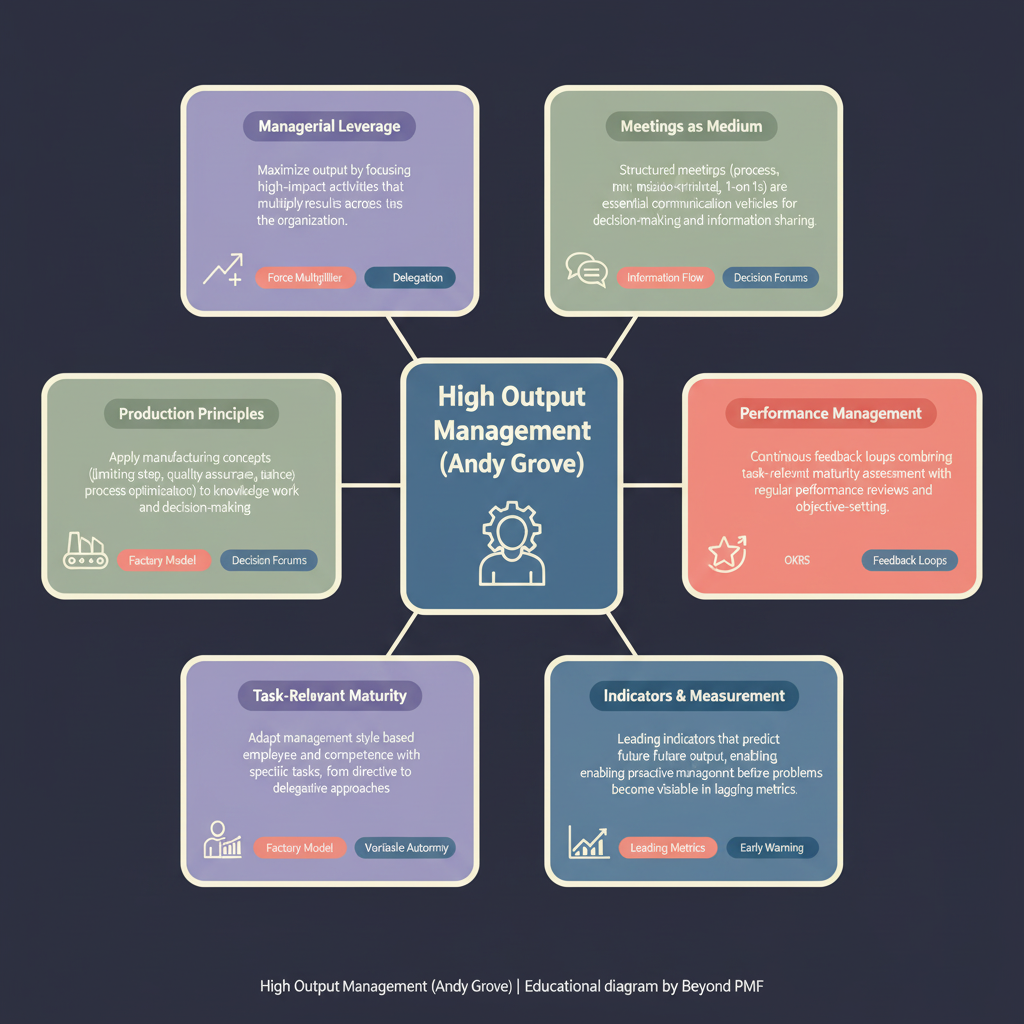
High Output Management, developed by former Intel CEO Andy Grove, is a framework that guides managers in effectively managing their teams and operations to maximize output. The framework emphasizes the importance of measuring outputs rather than inputs and advocates for a rigorous approach to management that includes setting clear objectives, focusing on results, and fostering a culture of accountability. It is widely used for its practical advice on productivity, decision-making, and leveraging managerial leverage.
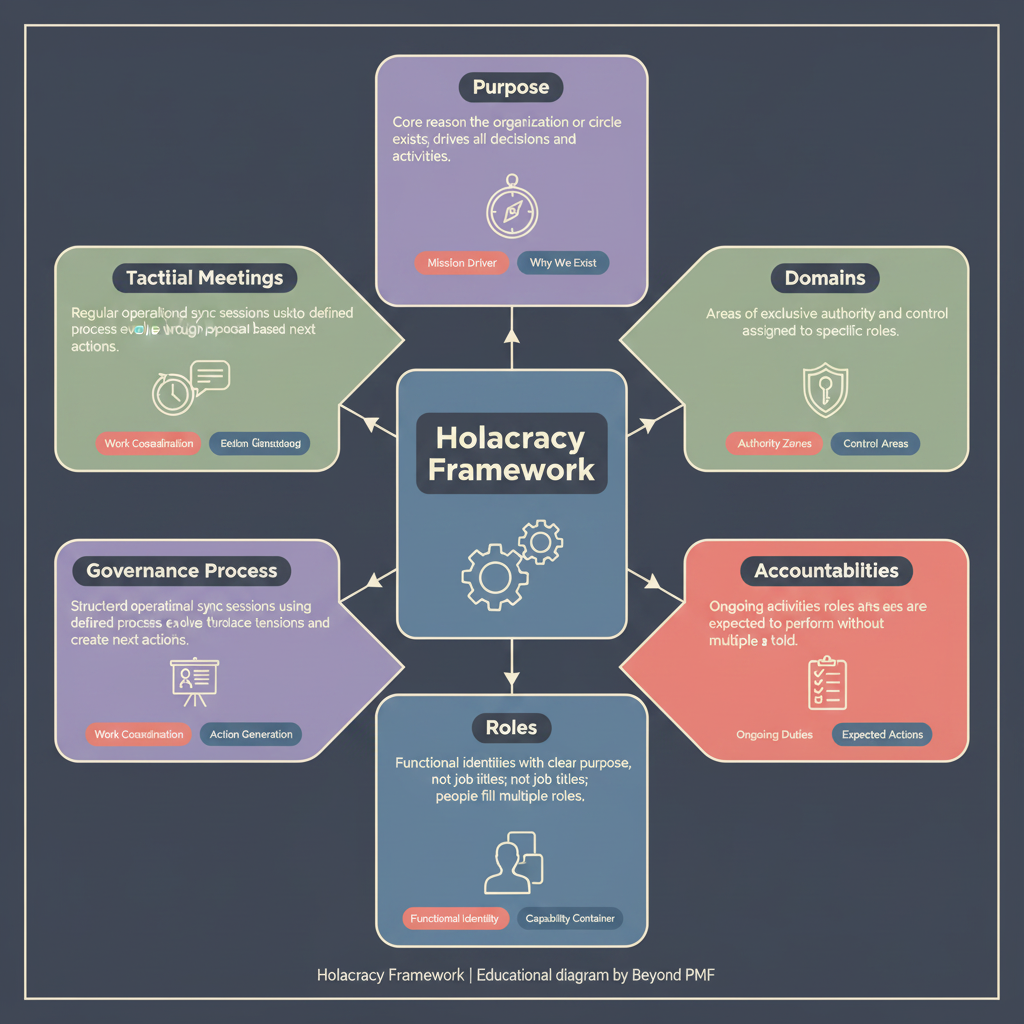
Holacracy is a comprehensive practice for structuring, governing, and running an organization. It replaces the traditional management hierarchy with a new peer-to-peer 'operating system' that increases transparency, accountability, and organizational agility. Through a unique power distribution process, Holacracy empowers all employees to take initiative and make decisions, guided by the organization's core purpose. It is particularly useful in environments that require rapid innovation and adaptation.

The Inception Deck is a series of discussions and exercises designed to ensure all project participants are aligned on the project's goals, scope, and constraints before the project begins. It helps in identifying potential issues and opportunities early in the project lifecycle, promoting transparency and mutual understanding among stakeholders. This framework is particularly beneficial in clarifying project objectives, defining key success metrics, and establishing a shared vision, which can significantly enhance the likelihood of project success.

Joint Application Development (JAD) is a methodology that involves the client or end user in the design and development of an application, through a series of collaborative workshops called JAD sessions. This approach helps in eliciting requirements more effectively and ensures all parties are aligned from the start of the project. The use of JAD can lead to quicker development times and greater client satisfaction due to the continuous involvement and consensus-based decision-making process.
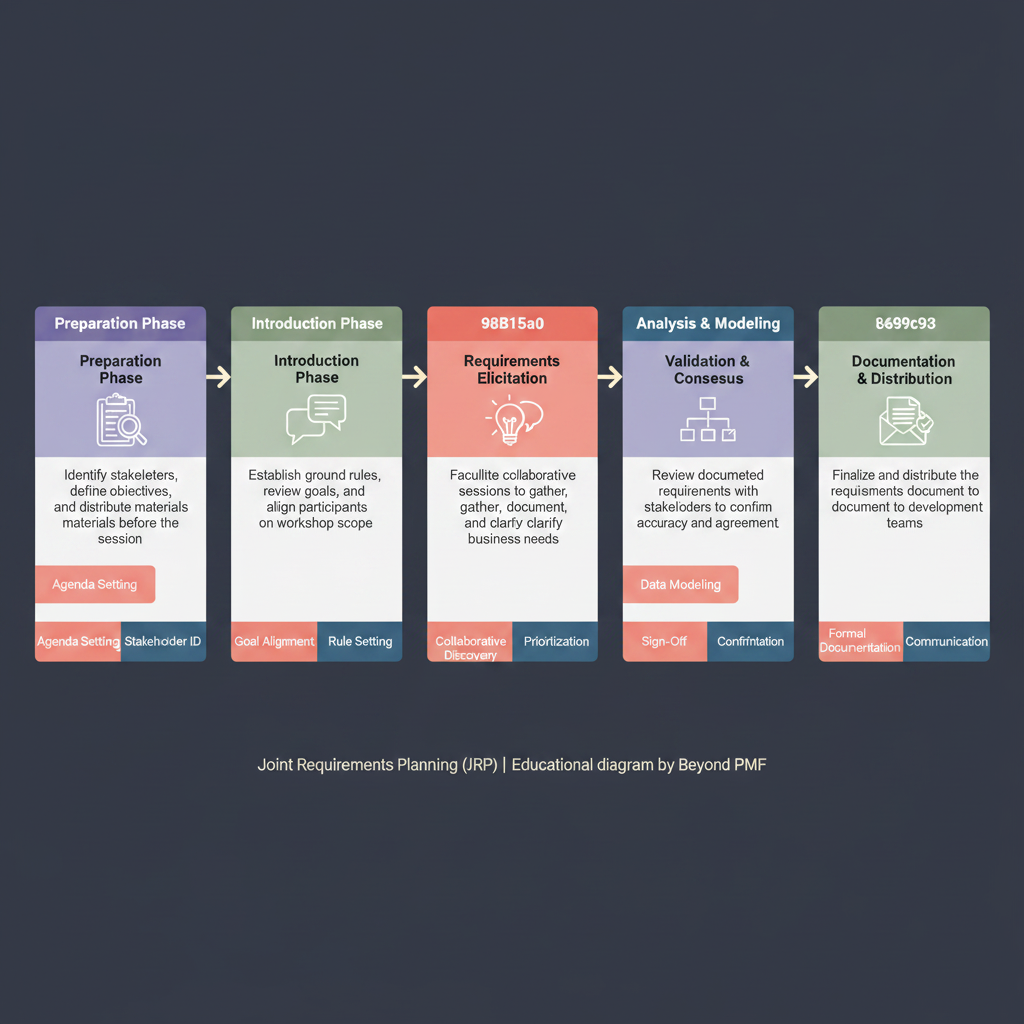
Joint Requirements Planning (JRP) is a collaborative framework used primarily in software development and project management to gather and synchronize system requirements among all stakeholders. By involving all relevant parties early in the project, JRP aims to capture diverse perspectives and needs, which helps in defining a comprehensive set of system requirements. This collaborative approach not only enhances communication but also significantly reduces the risk of requirements oversight, ensuring that the final product aligns well with user needs and expectations.
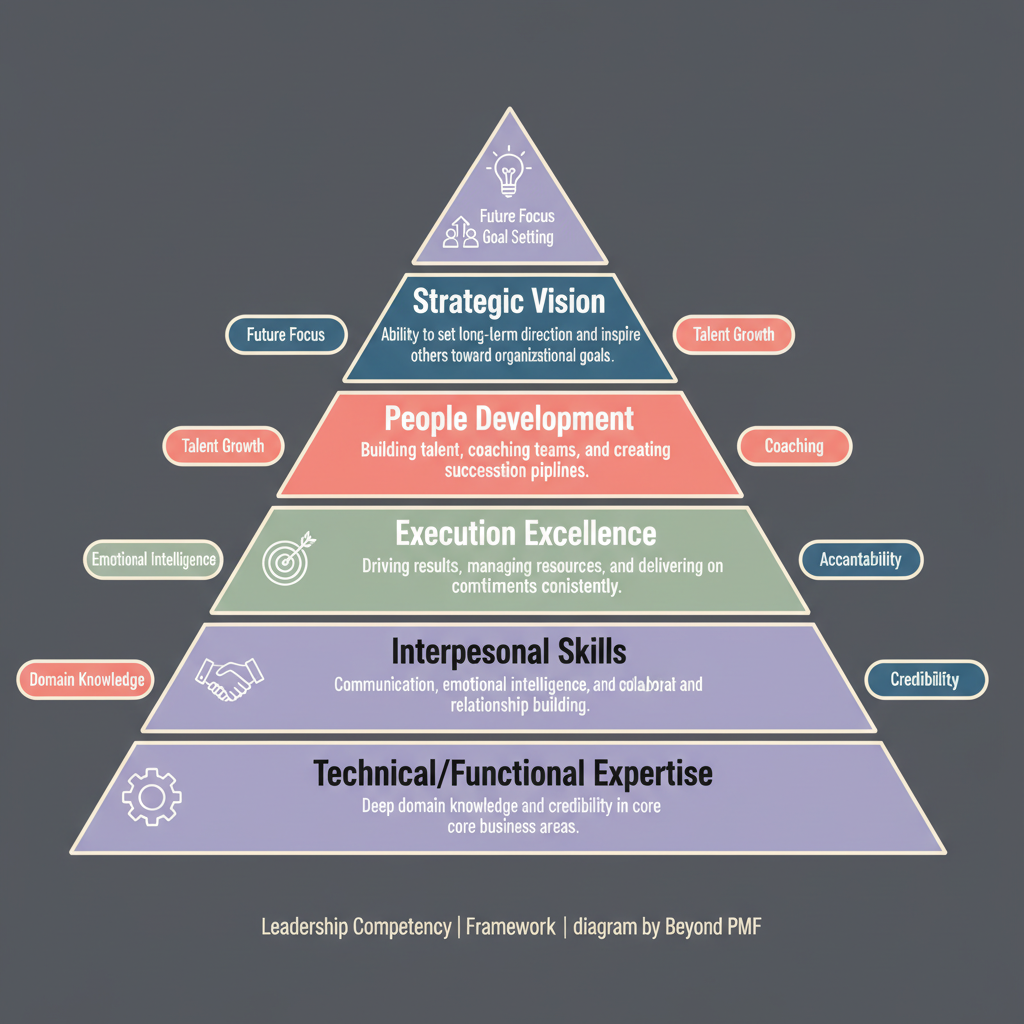
The Leadership Competency Framework is a tool used to identify and cultivate the key competencies necessary for leadership roles. It helps organizations ensure their leaders possess the skills needed to meet business challenges, drive performance, and foster an engaging work environment. This framework is beneficial for targeted leadership development, succession planning, and enhancing overall organizational effectiveness.
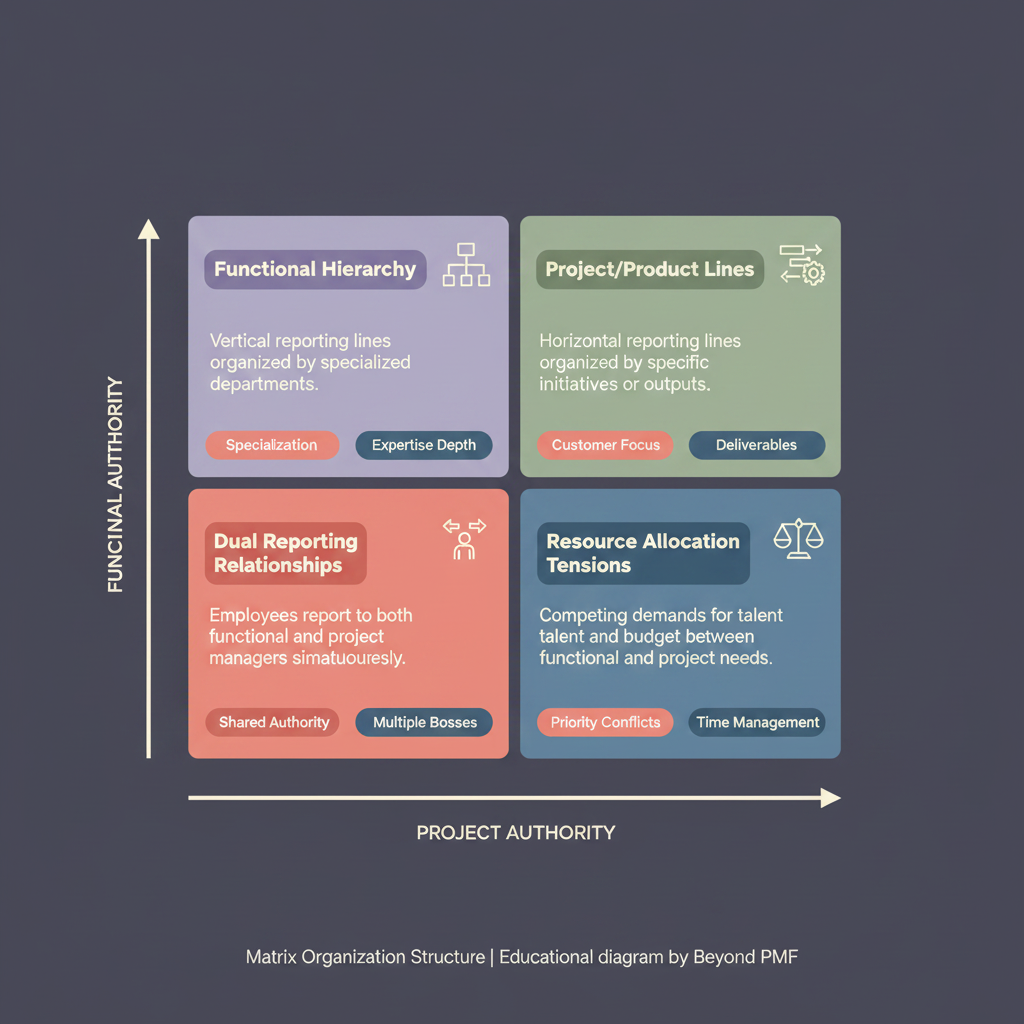
The Matrix Organization Structure is a complex framework that integrates functional and project or product lines in a dual-authority system. It is used primarily to enhance flexibility, foster interdisciplinary cooperation, and increase responsiveness to changes in the market. This structure allows employees to share information more readily across task boundaries, but it also requires a higher level of conflict management and excellent communication skills.
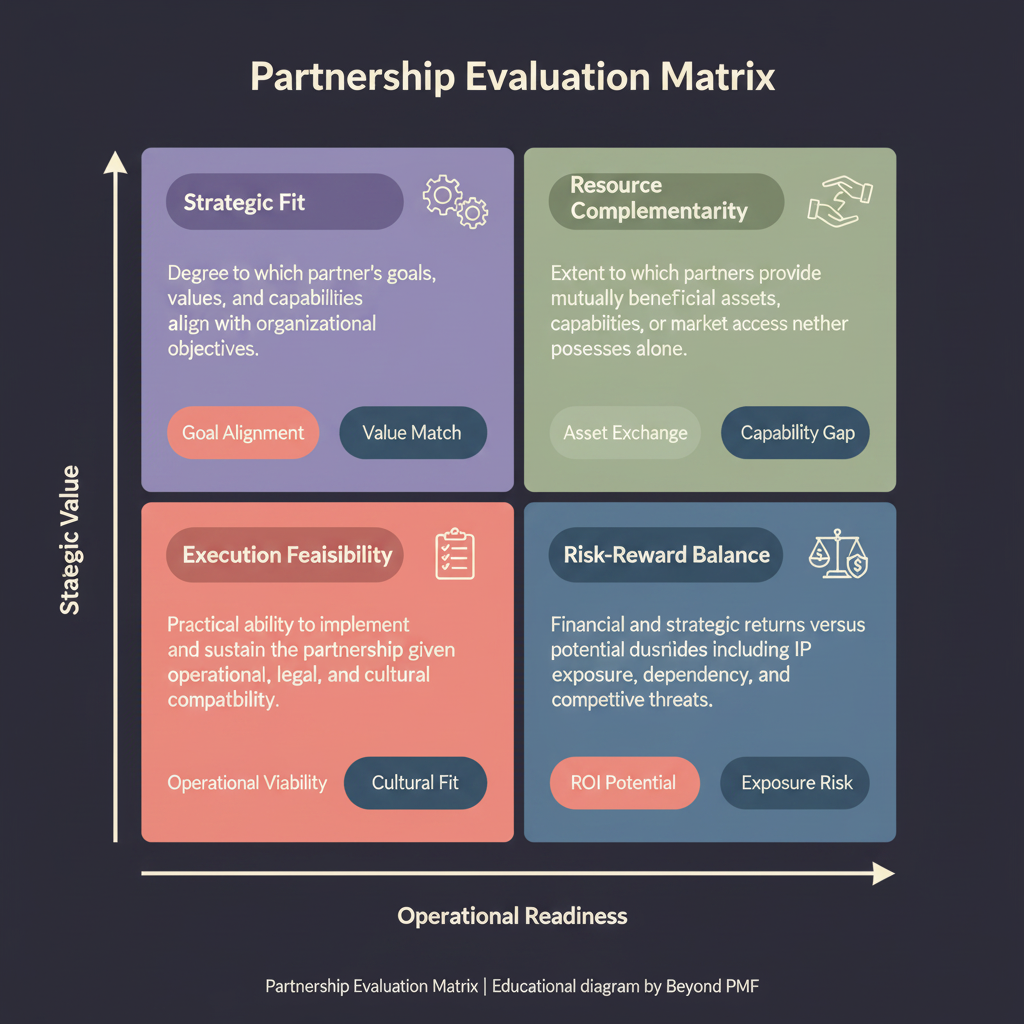
The Partnership Evaluation Matrix is a strategic framework designed to evaluate and measure the effectiveness and potential of business partnerships. It helps organizations identify the strengths and weaknesses of a partnership, align strategic objectives, and optimize collaborative efforts. The matrix typically considers various factors such as strategic alignment, resource sharing, and market impact, making it an essential tool for decision-makers aiming to maximize partnership value.

The Power-Interest Grid, also known as the Mendelow's Matrix, is a framework that helps organizations identify and prioritize stakeholders by categorizing them according to their power over and interest in a project. This matrix is crucial for effective stakeholder management, enabling organizations to tailor their engagement strategies to maximize support and minimize opposition. It aids in resource allocation, ensuring that the most influential stakeholders are kept satisfied and engaged.
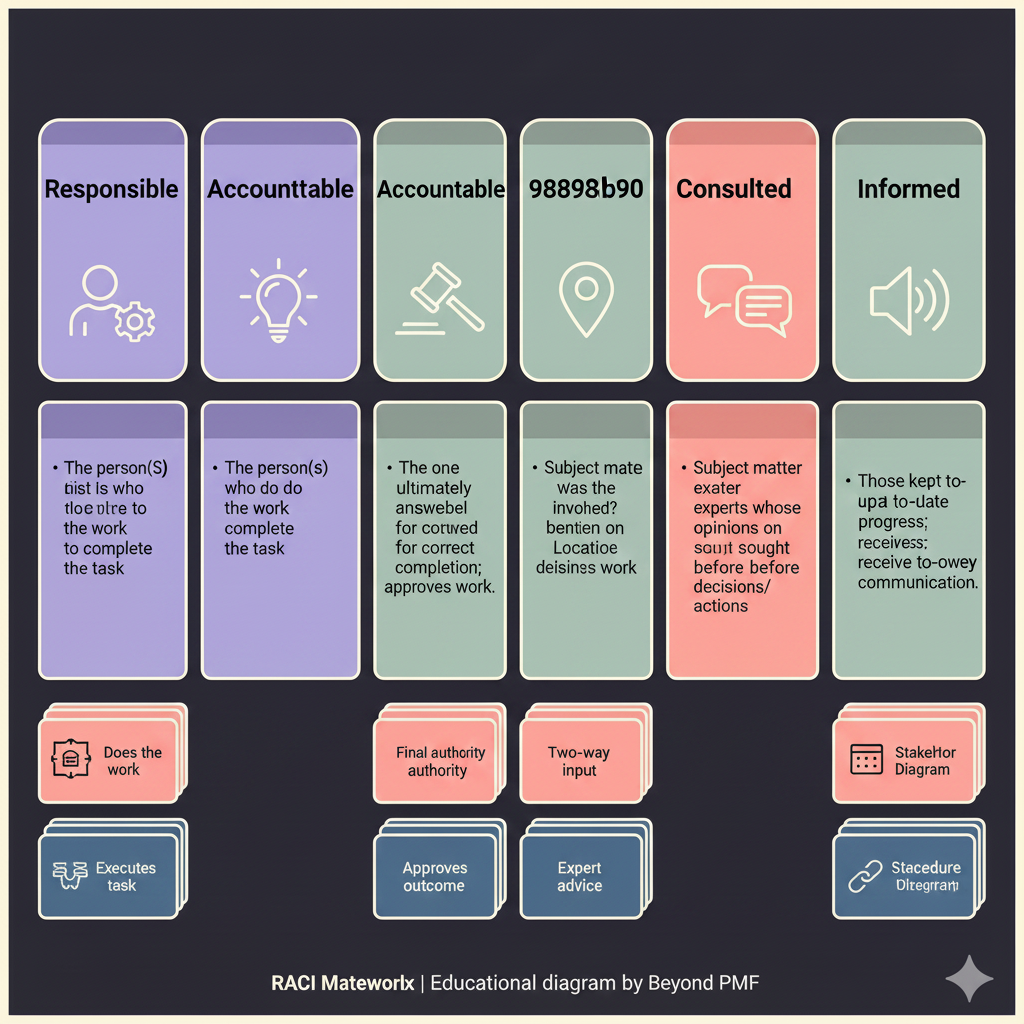
The RACI Matrix, which stands for Responsible, Accountable, Consulted, and Informed, is a responsibility assignment chart that maps out every task, milestone, or key decision involved in completing a project and assigns which roles are responsible for each action, which personnel are accountable, and who must be consulted or informed. The framework helps streamline project management by clearly defining involvement and expectations, thus improving efficiency and communication.
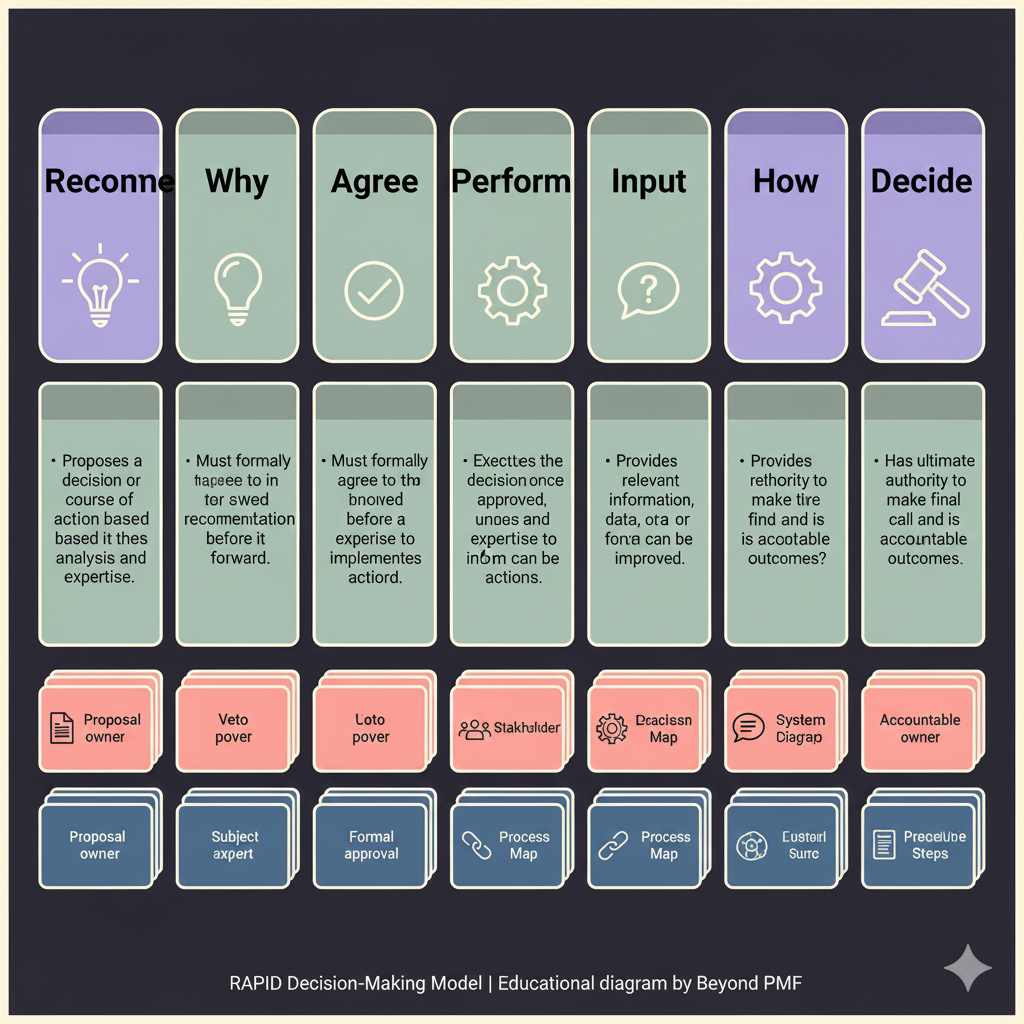
The RAPID Decision-Making Model is a framework designed to assign clear roles and responsibilities to different stakeholders in the decision-making process. It stands for Recommend, Agree, Perform, Input, and Decide. The model helps organizations make decisions efficiently and effectively by clarifying who is accountable for what decisions. It is particularly beneficial in complex environments where multiple stakeholders are involved.
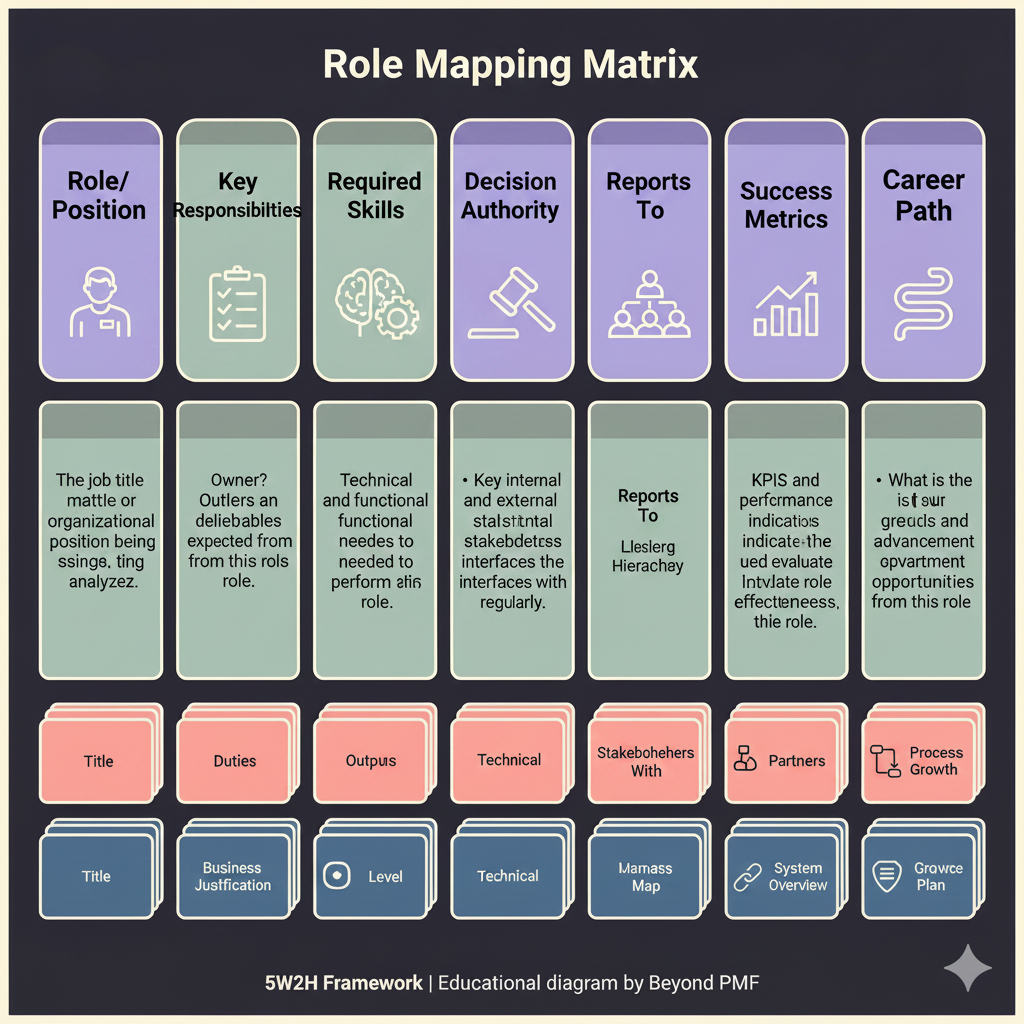
The Role Mapping Matrix is a visual tool that helps organizations map out the specific roles and responsibilities of each team member in relation to various tasks or projects. This framework is crucial for ensuring clear communication and efficient allocation of resources. It aids in preventing overlaps and gaps in responsibilities, which can lead to increased productivity and better project outcomes.
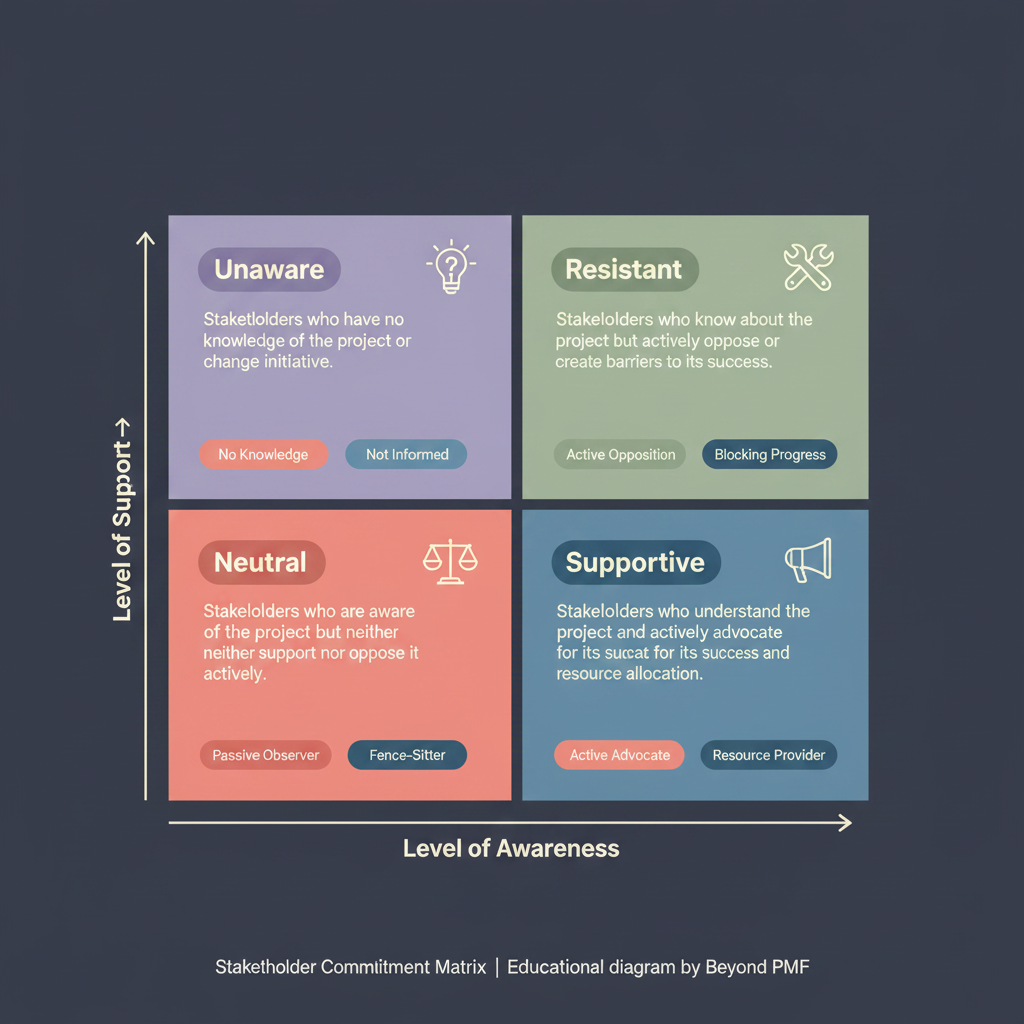
The Stakeholder Commitment Matrix is a framework designed to map out the level of commitment and influence of stakeholders in a project. It helps project managers and teams to identify which stakeholders are supporters, which are neutral, and which may be blockers. This understanding is crucial for effective stakeholder management, enabling targeted communication and engagement strategies that can lead to a more successful project outcome.
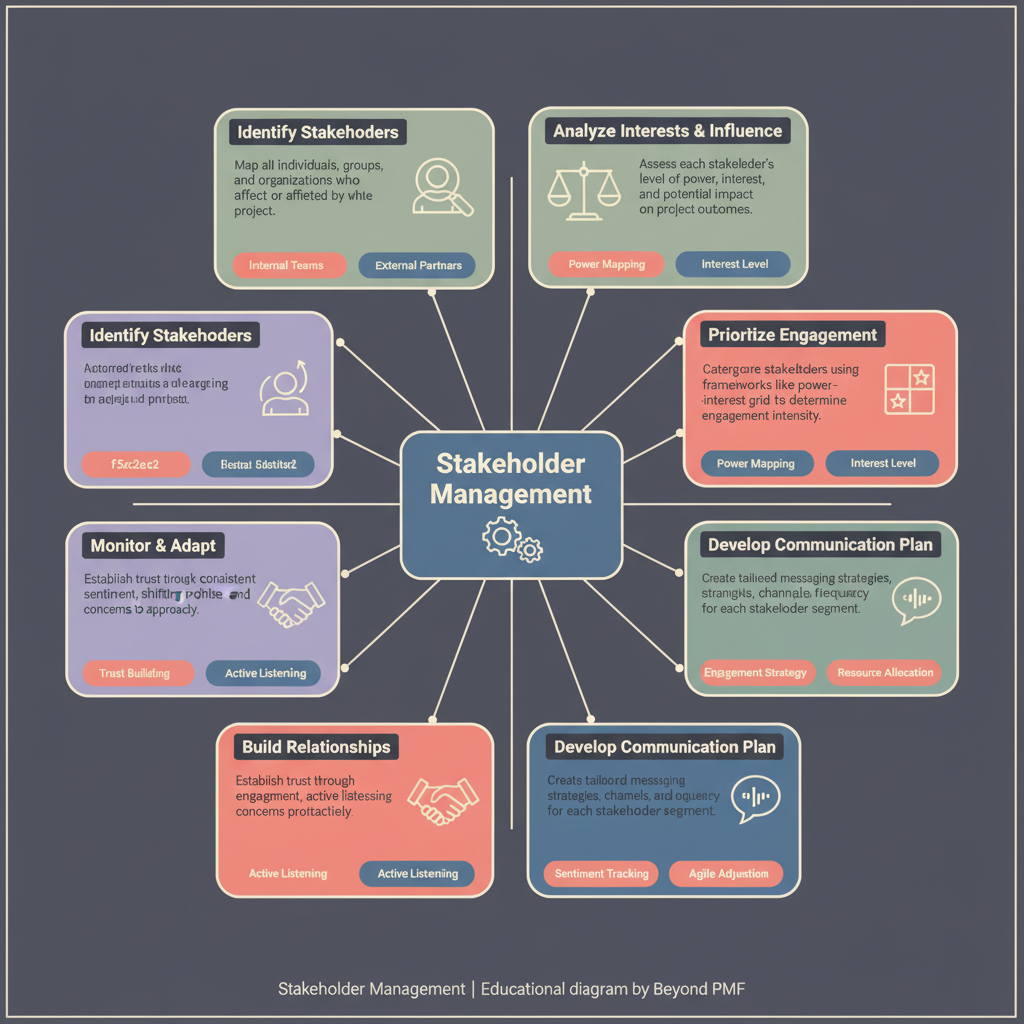
Stakeholder Management involves strategies and techniques used to understand and address the needs and expectations of stakeholders in a project or business environment. This framework helps in prioritizing stakeholder concerns and influences, facilitating better communication, and ensuring successful project outcomes. It is essential for maintaining positive relationships and securing the support needed for project success, thereby enhancing overall project performance and stakeholder satisfaction.
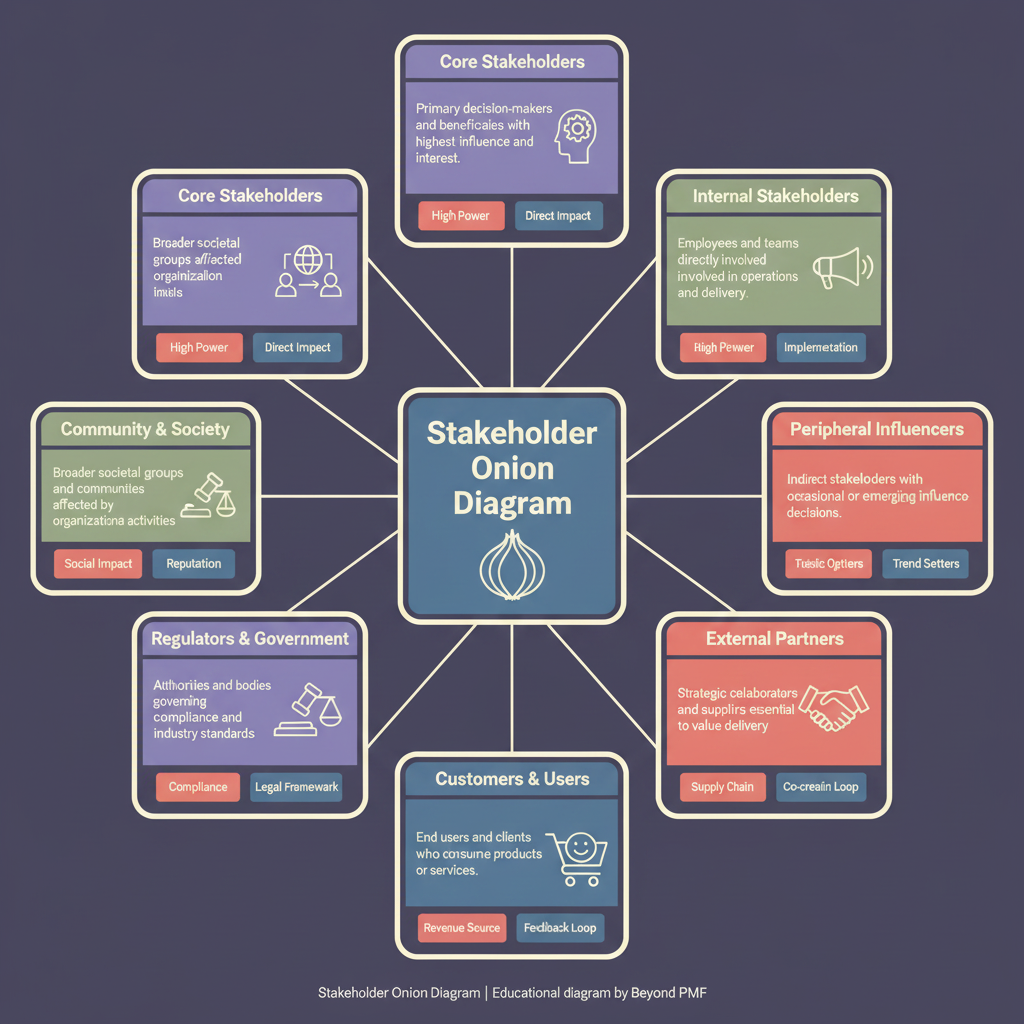
The Stakeholder Onion Diagram is a framework designed to help project managers and teams identify and prioritize stakeholders. This diagram organizes stakeholders into layers, similar to the layers of an onion, based on their level of involvement and impact on the project. It is used to ensure that all potential influences on a project are recognized and appropriately managed, facilitating better planning, communication, and resource allocation.
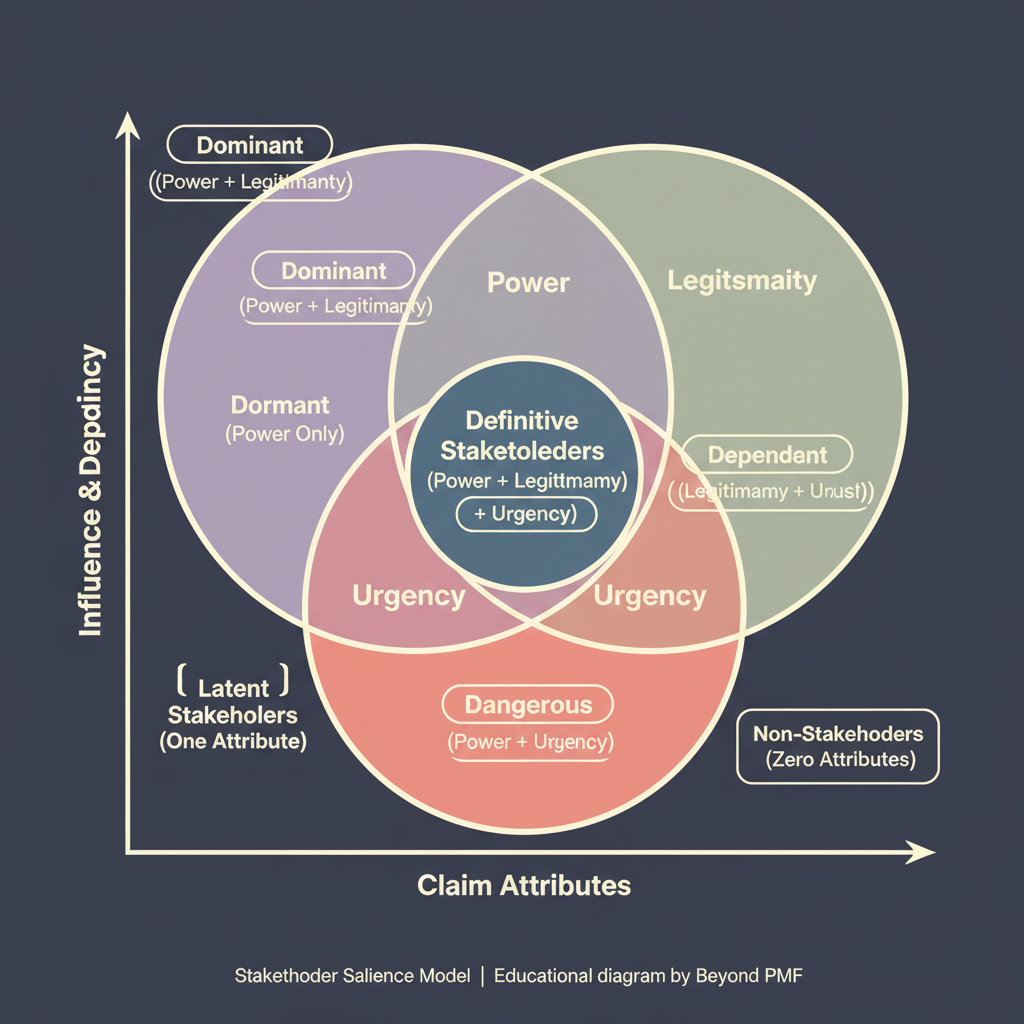
The Stakeholder Salience Model is a strategic tool used by businesses to analyze and prioritize stakeholders according to three key attributes: power, legitimacy, and urgency. This framework assists in understanding which stakeholders are most influential and how their needs should be addressed in decision-making processes. It is particularly beneficial for managing complex stakeholder relationships and ensuring that critical stakeholder demands are met efficiently.
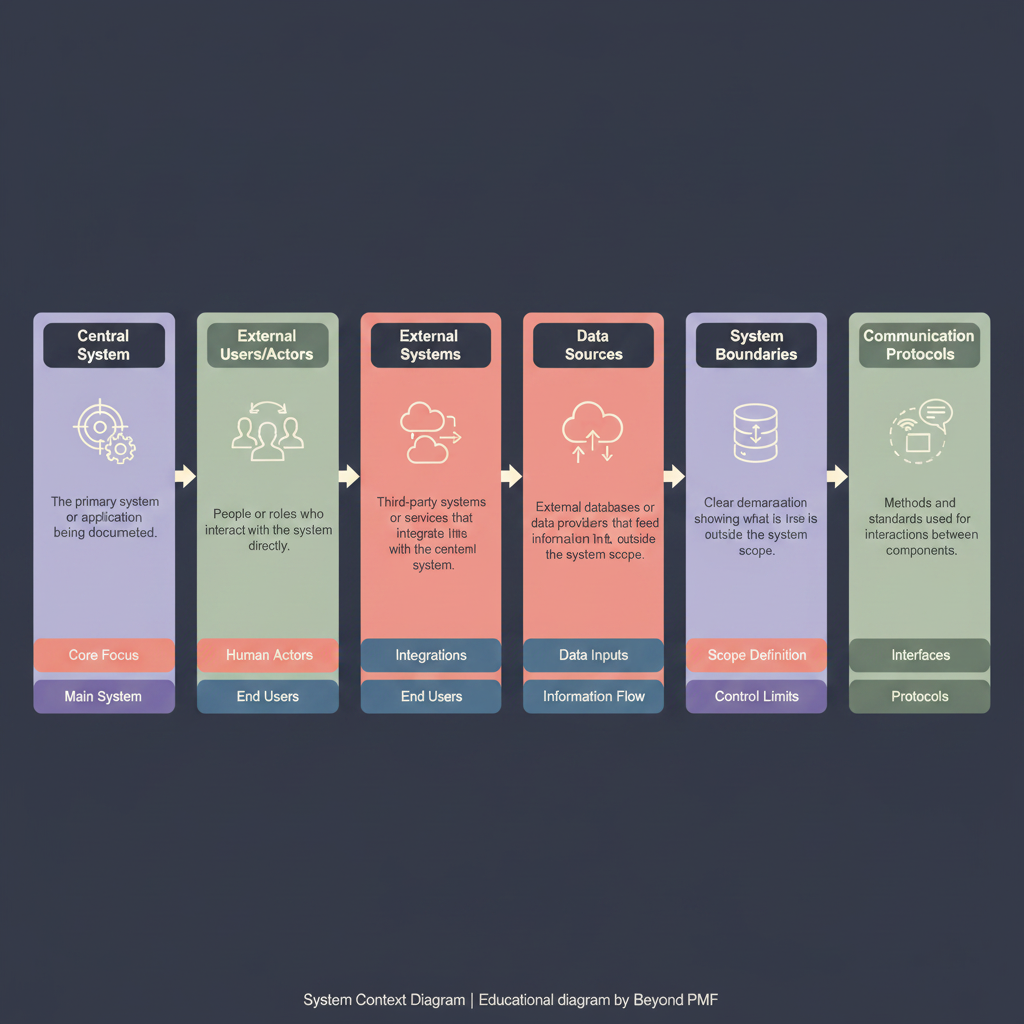
A System Context Diagram is a high-level diagram that defines the boundaries between a system and its environment, showing the entities that interact with it. This diagram is crucial for understanding system interfaces and flows without detailing internal processes. It helps stakeholders understand system interactions and dependencies in a straightforward visual format, aiding in better system design and integration.
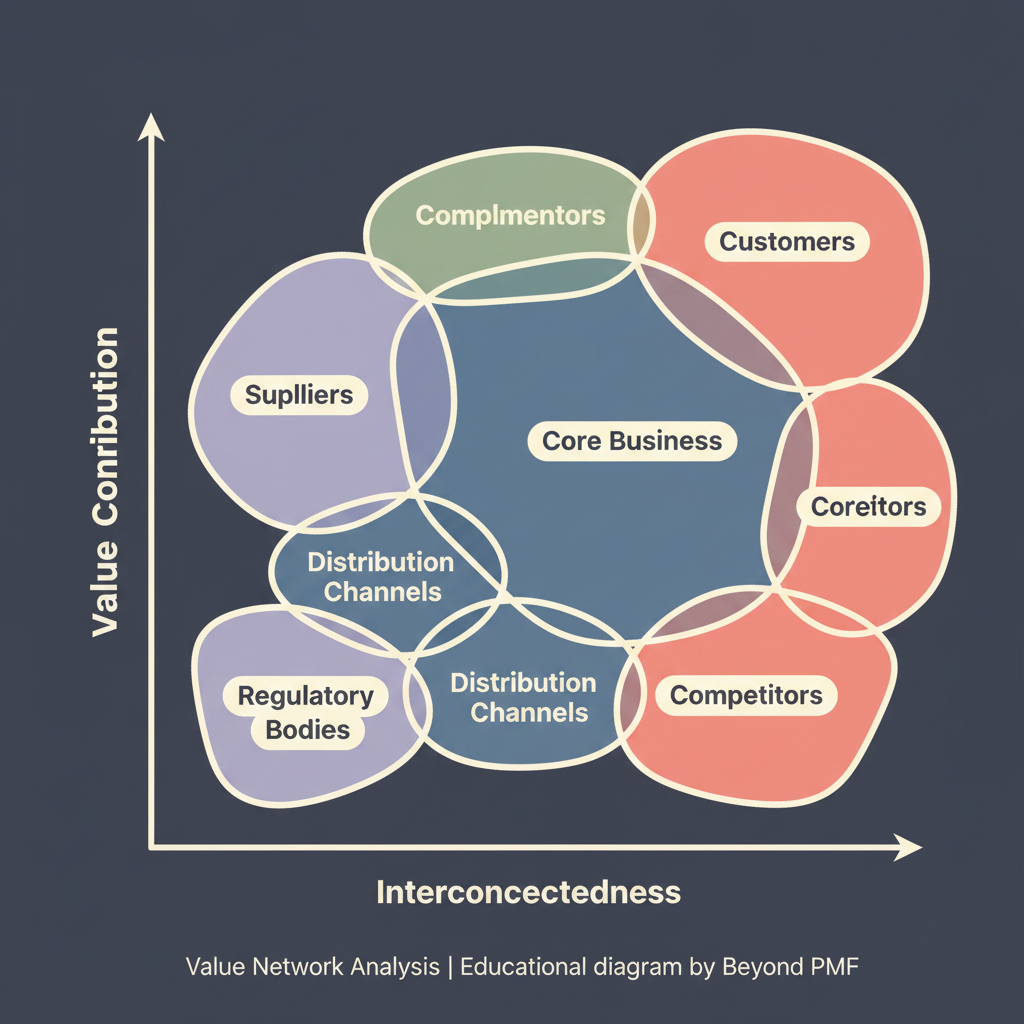
Value Network Analysis is a comprehensive framework that helps organizations identify and optimize the interactions and exchanges between people, roles, and entities within a network. It is used to assess the tangible and intangible assets that flow through these connections, such as information, money, and services, to enhance efficiency and innovation. The framework is beneficial for improving collaboration, enhancing strategic decision-making, and increasing organizational agility by providing a clear map of value flows and dependencies.