
Ensuring long-term performance and relevance.
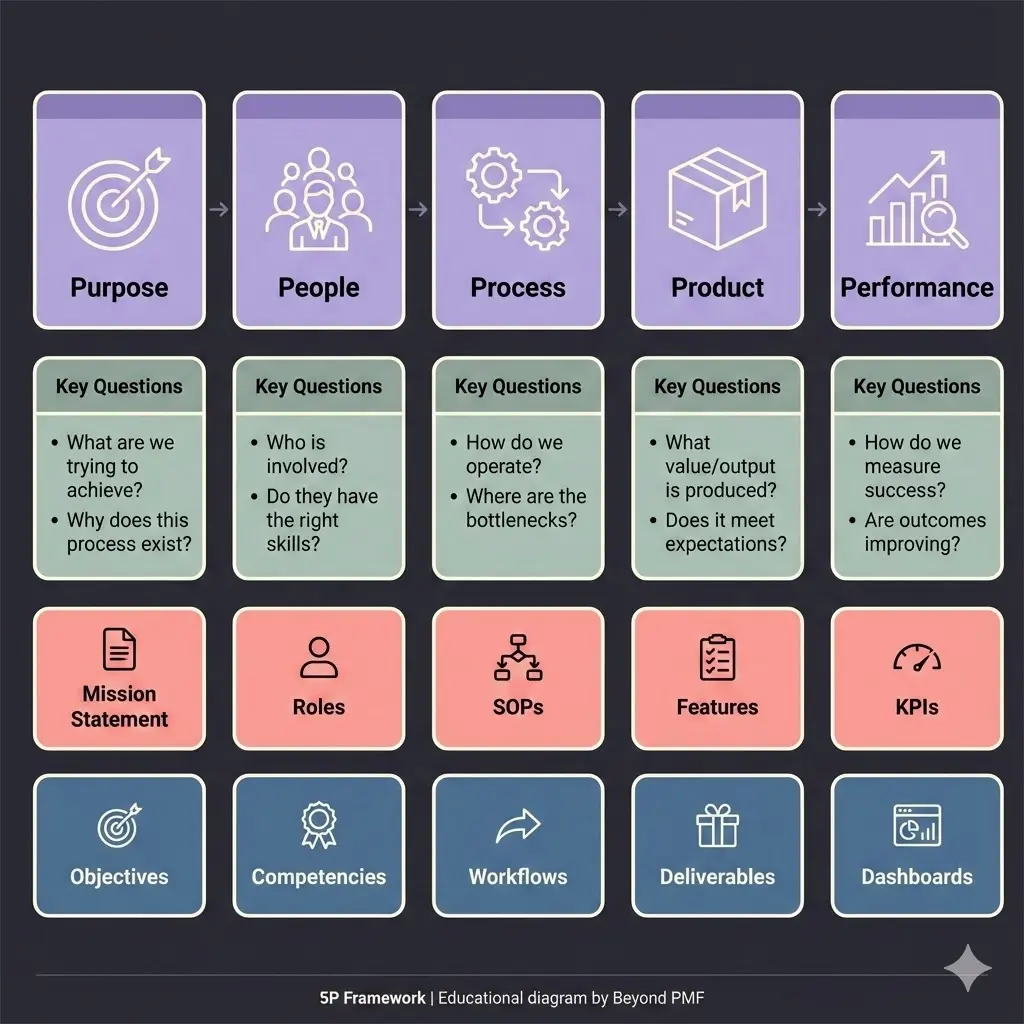
The 5P Framework is a strategic tool used to analyze and improve business processes by focusing on five key elements.
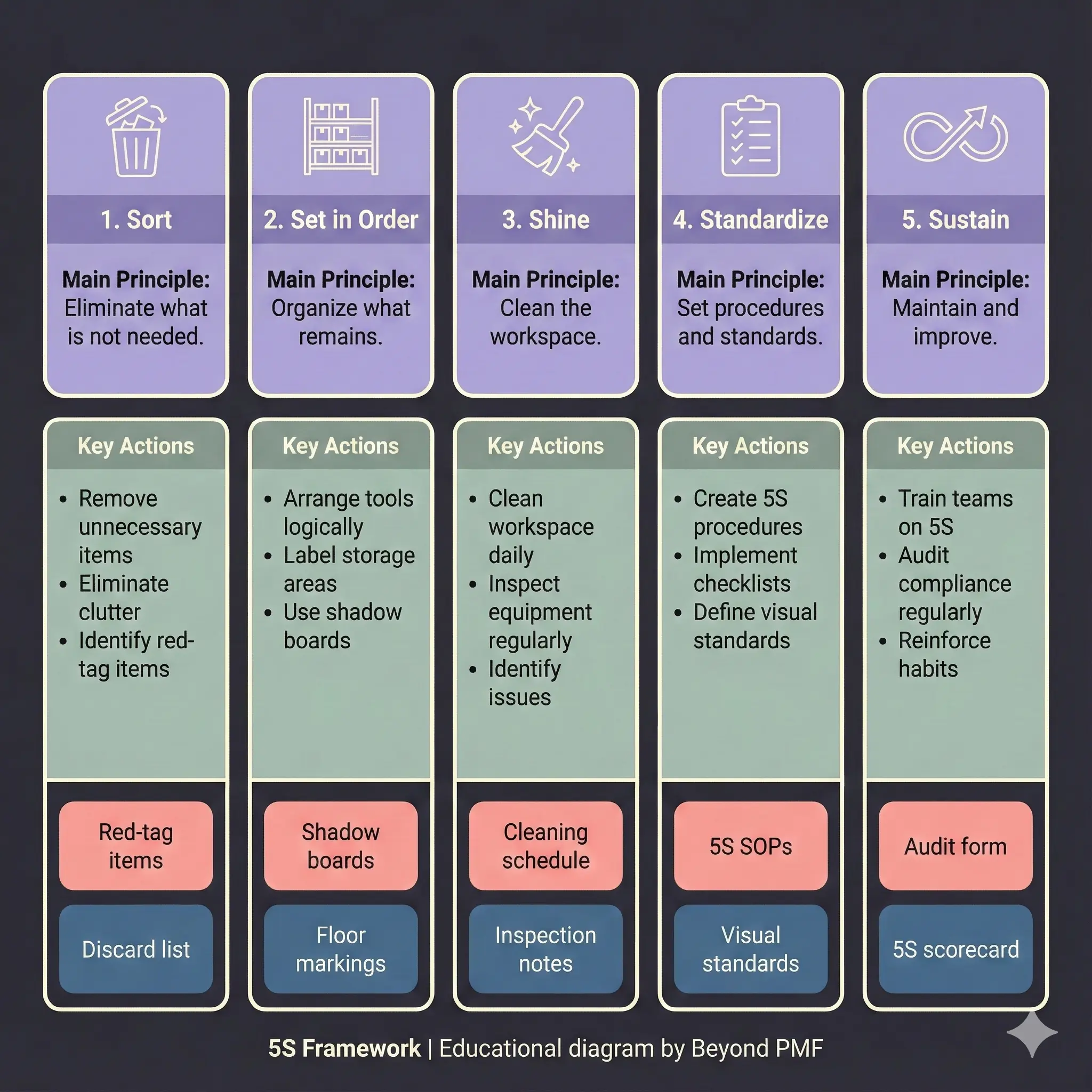
The 5S Framework is a systematic method for workplace organization, derived from five Japanese words that begin with 'S'.
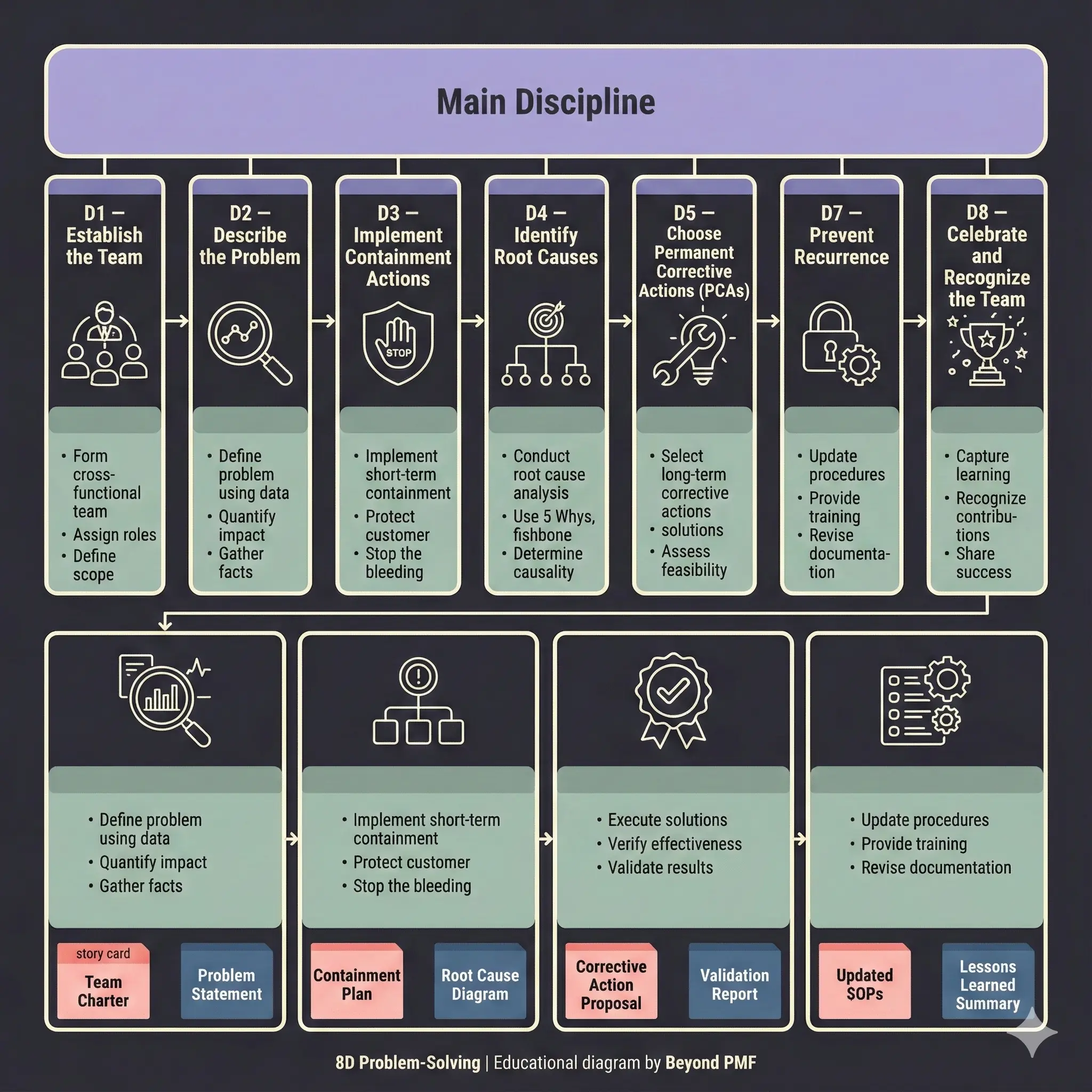
The 8D Problem-Solving framework is a methodical process used to address and resolve problems, typically in manufacturing and engineering contexts.

A3 Problem Solving is a structured problem-solving and continuous improvement approach, primarily used in lean manufacturing.
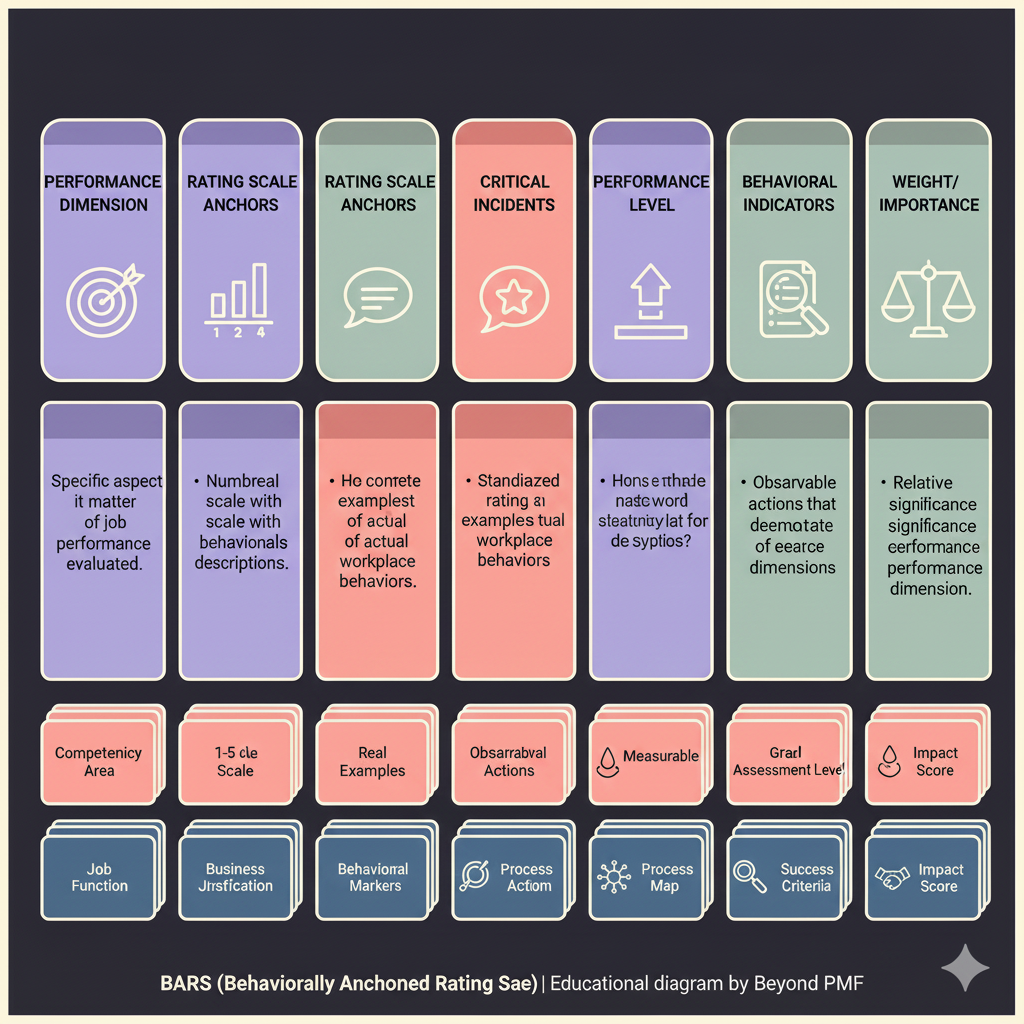
BARS is a performance appraisal method that uses specific behaviors to anchor each point on a rating scale.

The Business Impact Analysis Framework identifies potential impacts of disruptions to business operations, helping organizations plan for recovery.

The CASE Framework is a strategic tool used for evaluating and enhancing business processes and operations.

Change Impact Analysis is a process used to evaluate the effects of proposed changes within a project or organization.

Cost-Benefit Analysis (CBA) is a systematic approach to estimating the strengths and weaknesses of alternatives used for determining options which provide the best approach to achieve benefits while preserving savings.
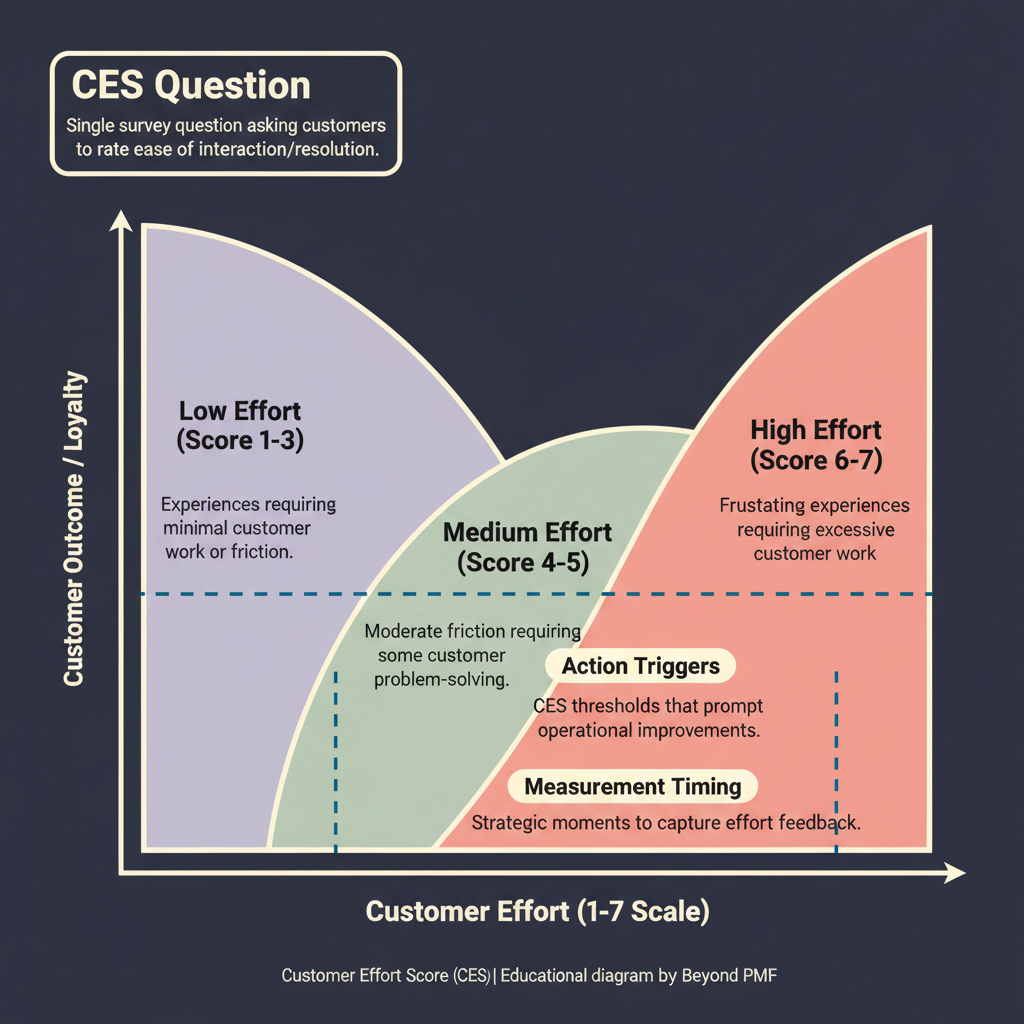
Customer Effort Score (CES) is a metric used to evaluate the ease of customer interaction and resolution effectiveness within a service or product experience.
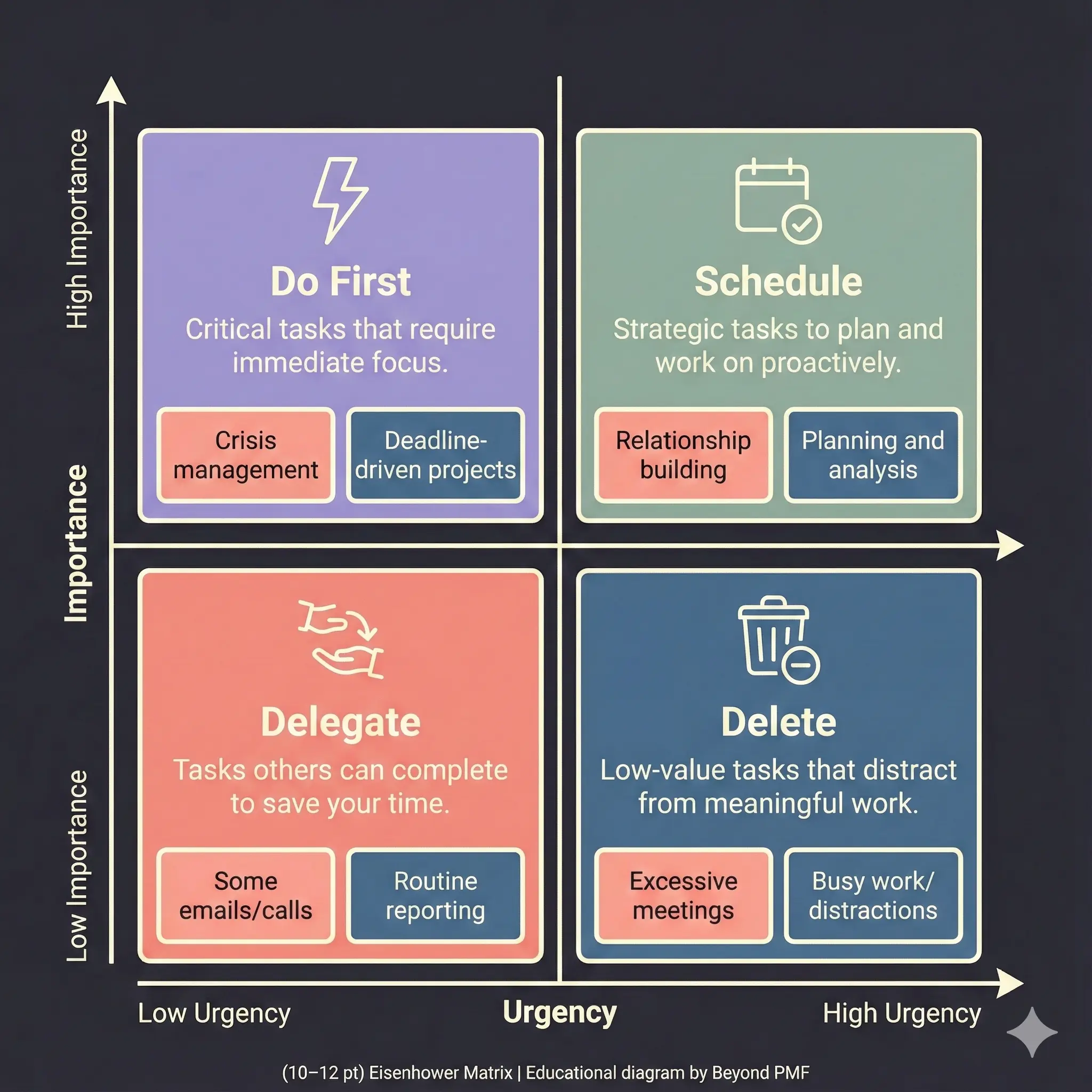
The Eisenhower Matrix is a time management tool that helps prioritize tasks based on urgency and importance.
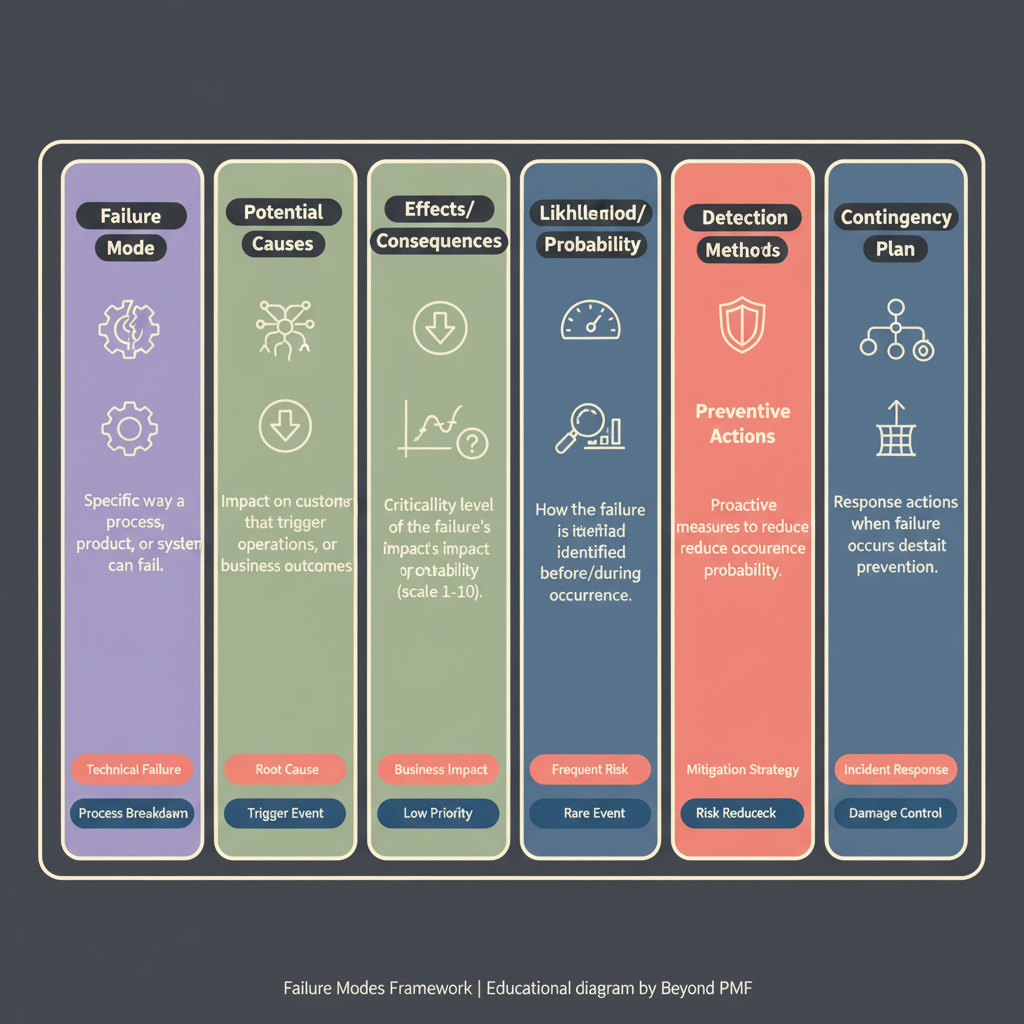
The Failure Modes Framework is a systematic approach used to identify potential failures in a process or product.
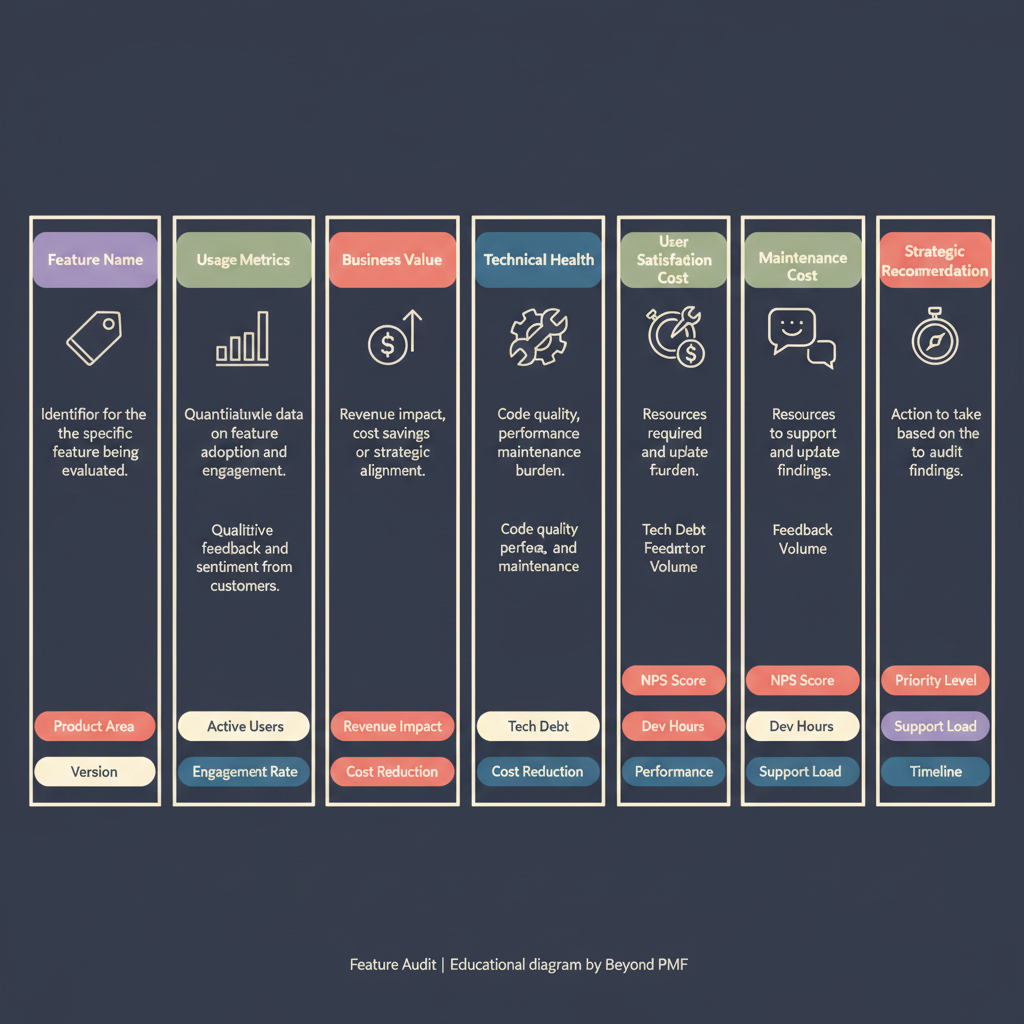
A Feature Audit is a systematic evaluation of a product's features to assess their performance, relevance, and alignment with user needs.

The Feedback Loop Framework is a systematic approach to gathering and implementing feedback to enhance processes, products, or services.
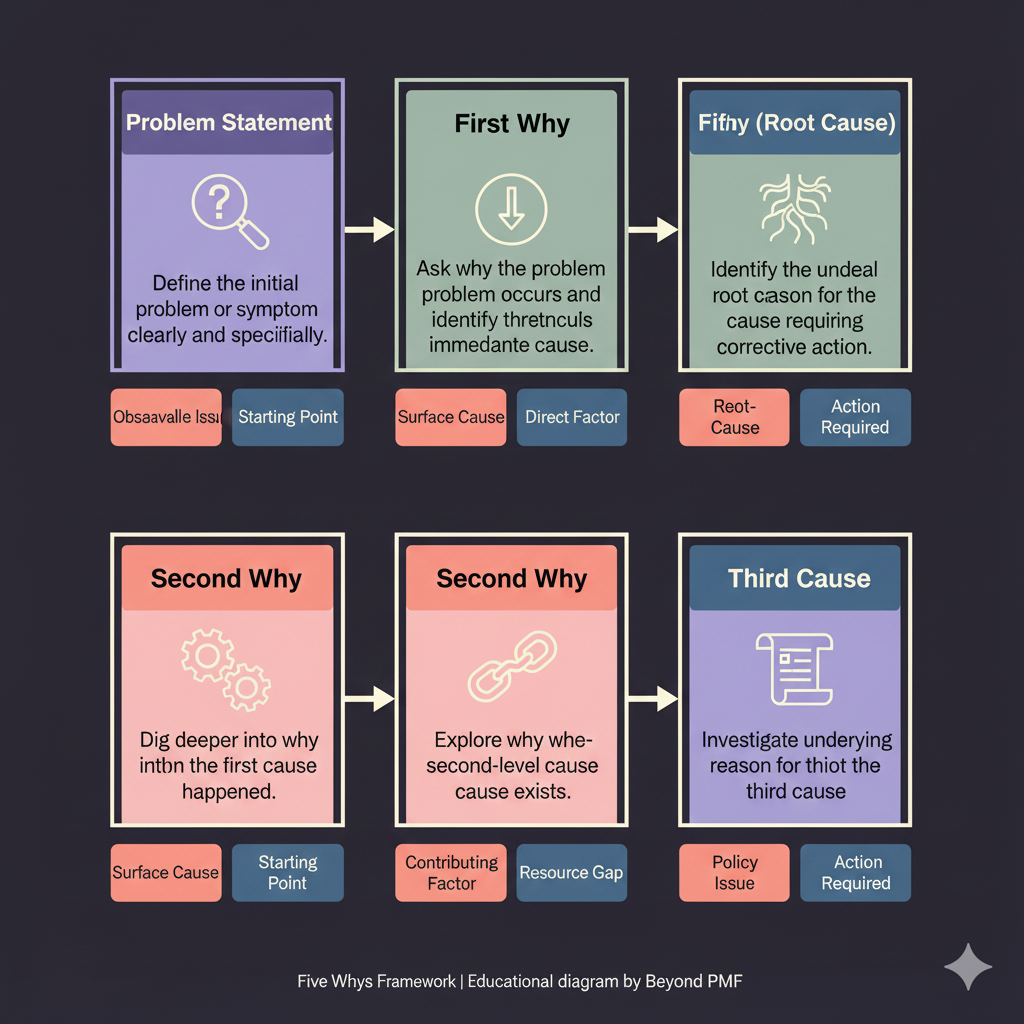
The Five Whys is a problem-solving method that explores the underlying causes of a problem by asking 'Why?' five times.
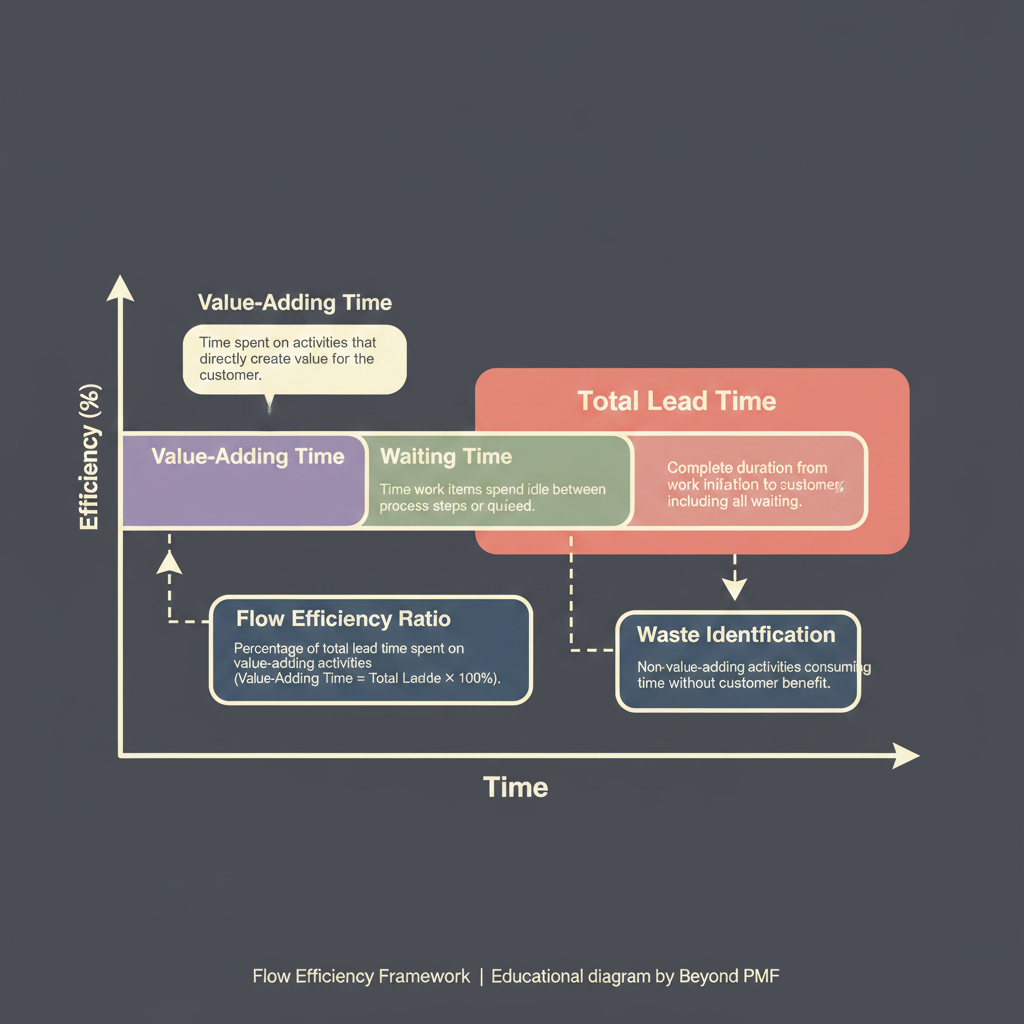
The Flow Efficiency Framework is a methodology used to optimize processes by measuring the ratio of active work time to total elapsed time.
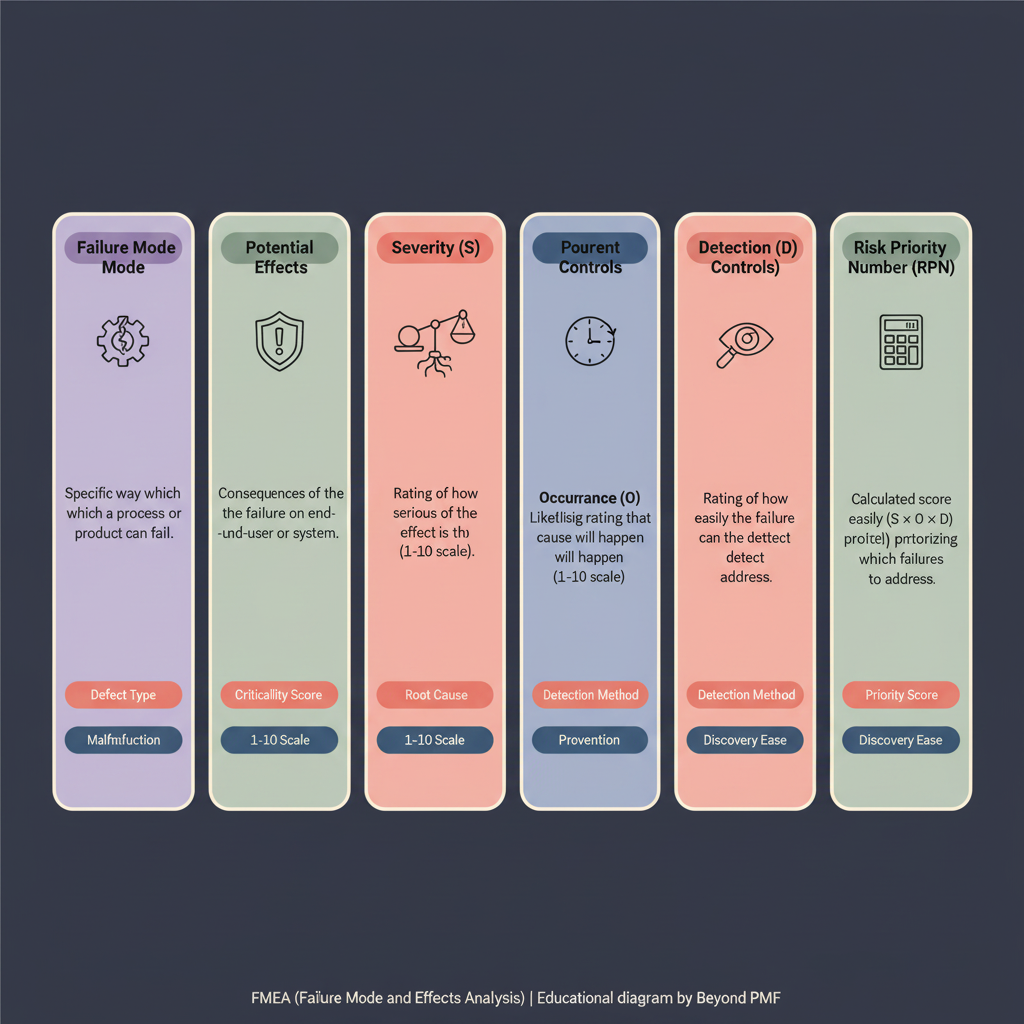
FMEA is a systematic method for identifying potential failures in a product or process before they occur.
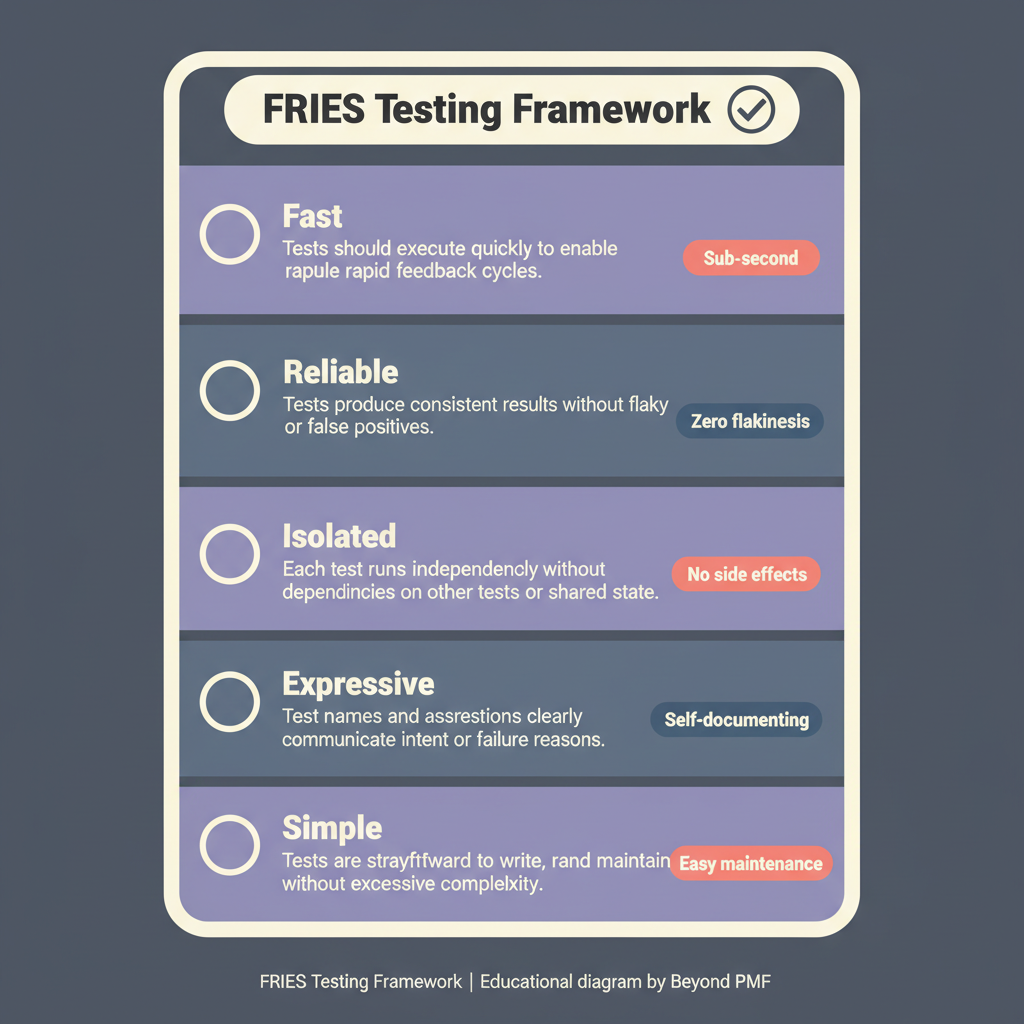
The FRIES Testing Framework is a structured approach to software testing that emphasizes flexibility, repeatability, isolation, efficiency, and scalability.
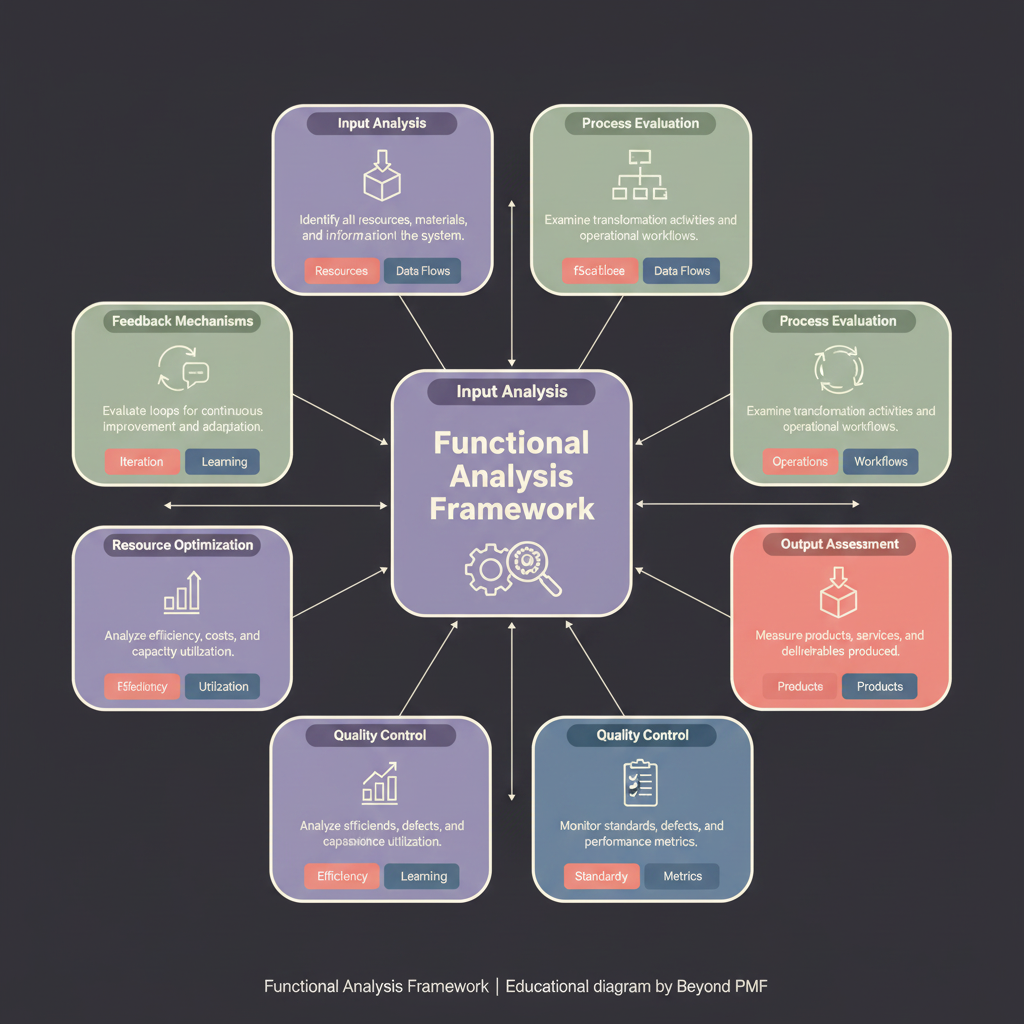
The Functional Analysis Framework is a methodical approach used to identify, analyze, and optimize the functions of a system or product.
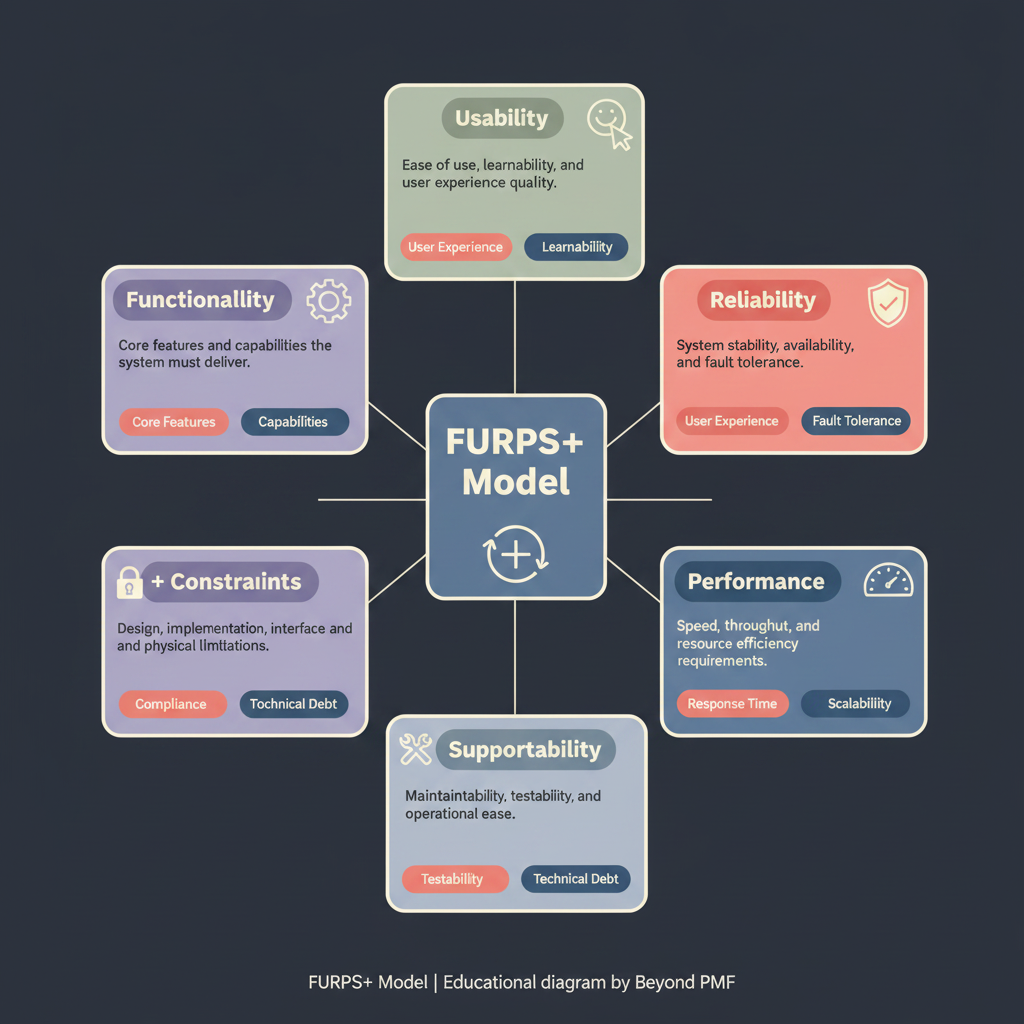
The FURPS+ Model is a framework used in software development to categorize various system requirements into specific attributes.
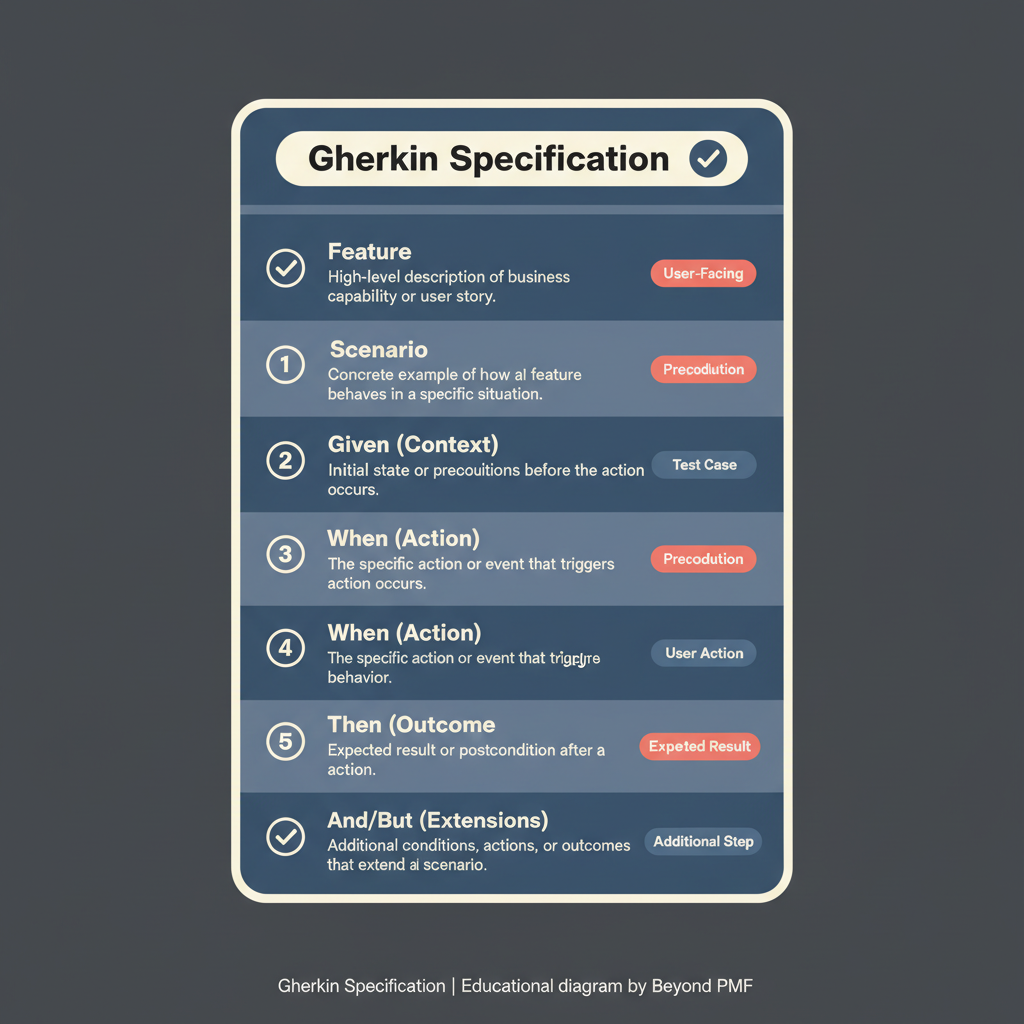
Gherkin Specification is a syntax used for writing test cases for behavior-driven development (BDD).
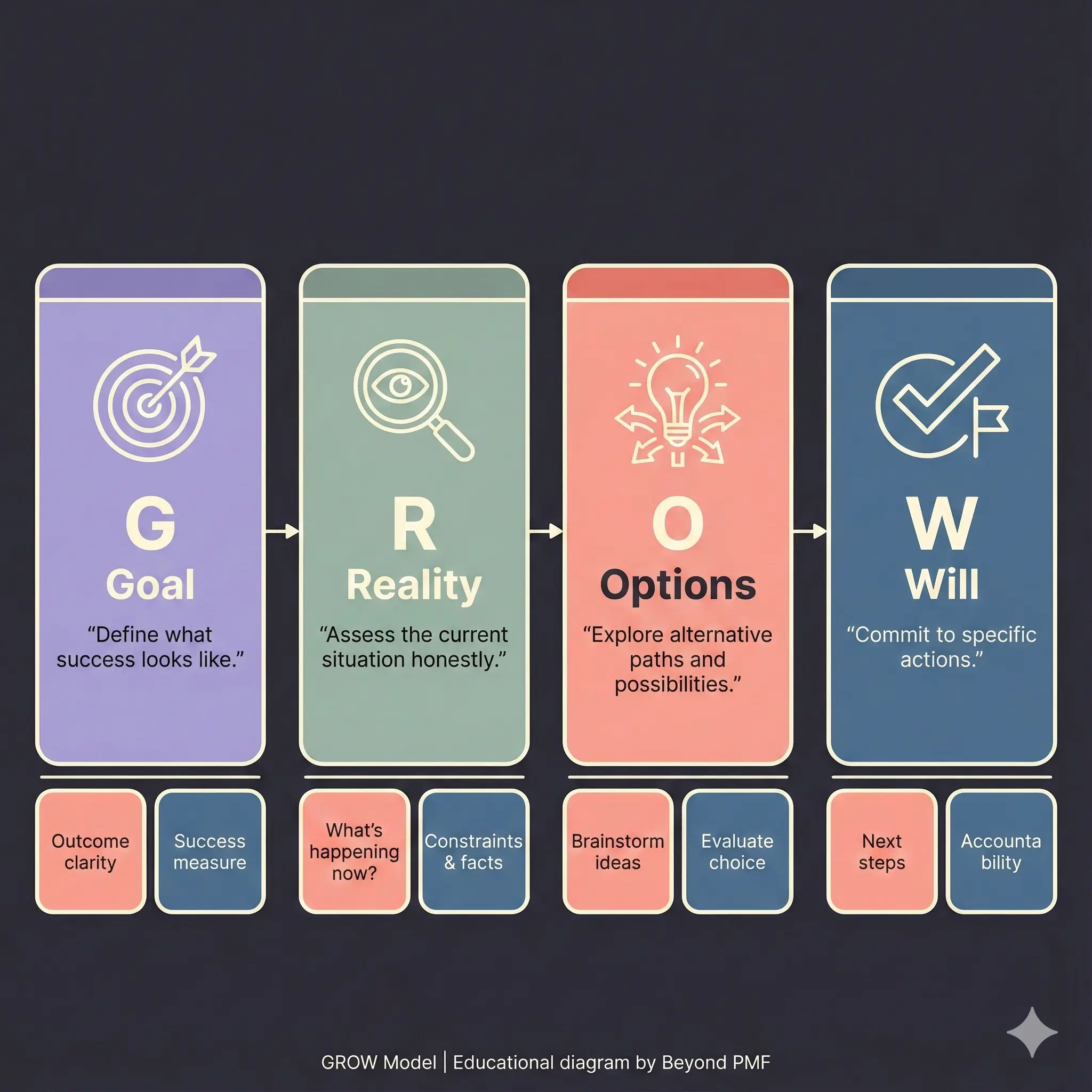
The GROW Model is a coaching framework used to structure conversations and decision-making processes.

Hierarchical Task Analysis (HTA) is a method used to analyze human tasks and interactions. It breaks down tasks into subtasks, providing a detailed view of processes.
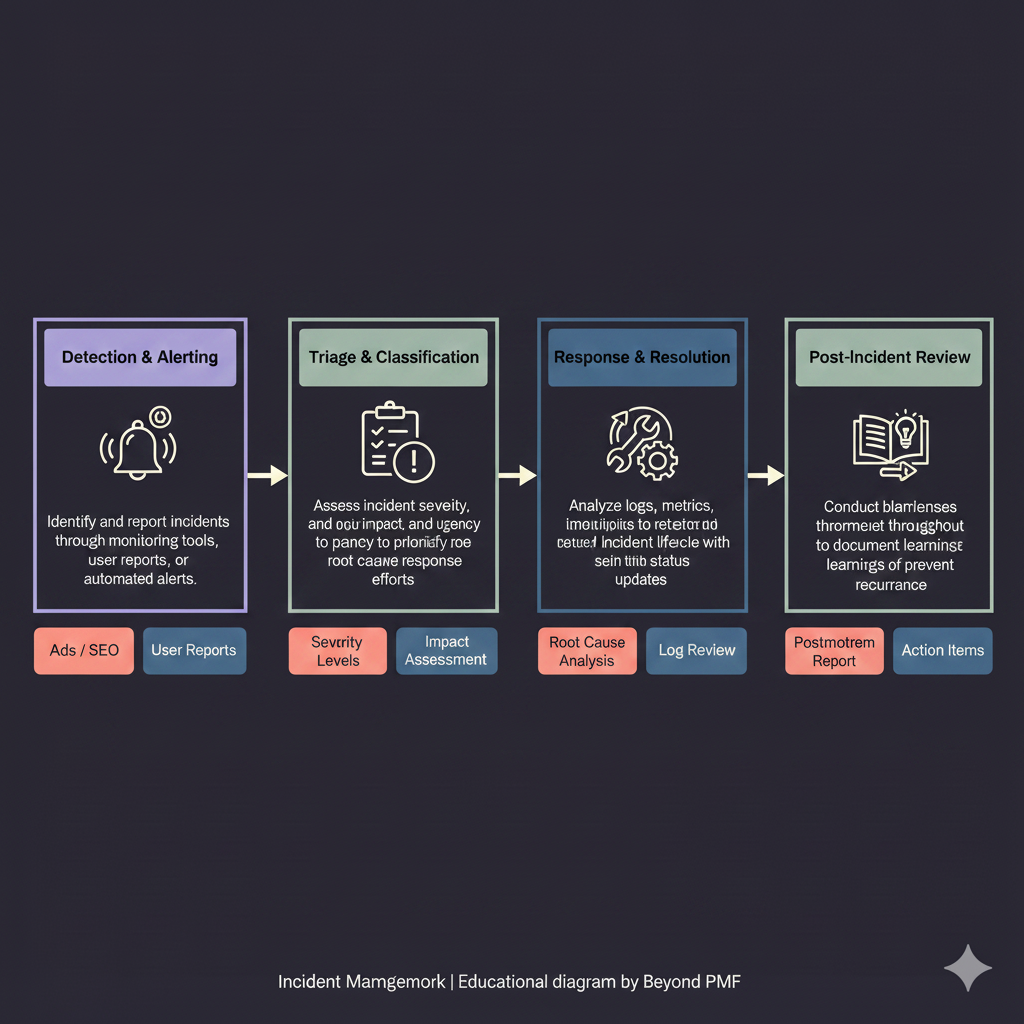
The Incident Management Framework is a systematic approach to managing unexpected disruptions or emergencies in an organization to restore normal operations efficiently.
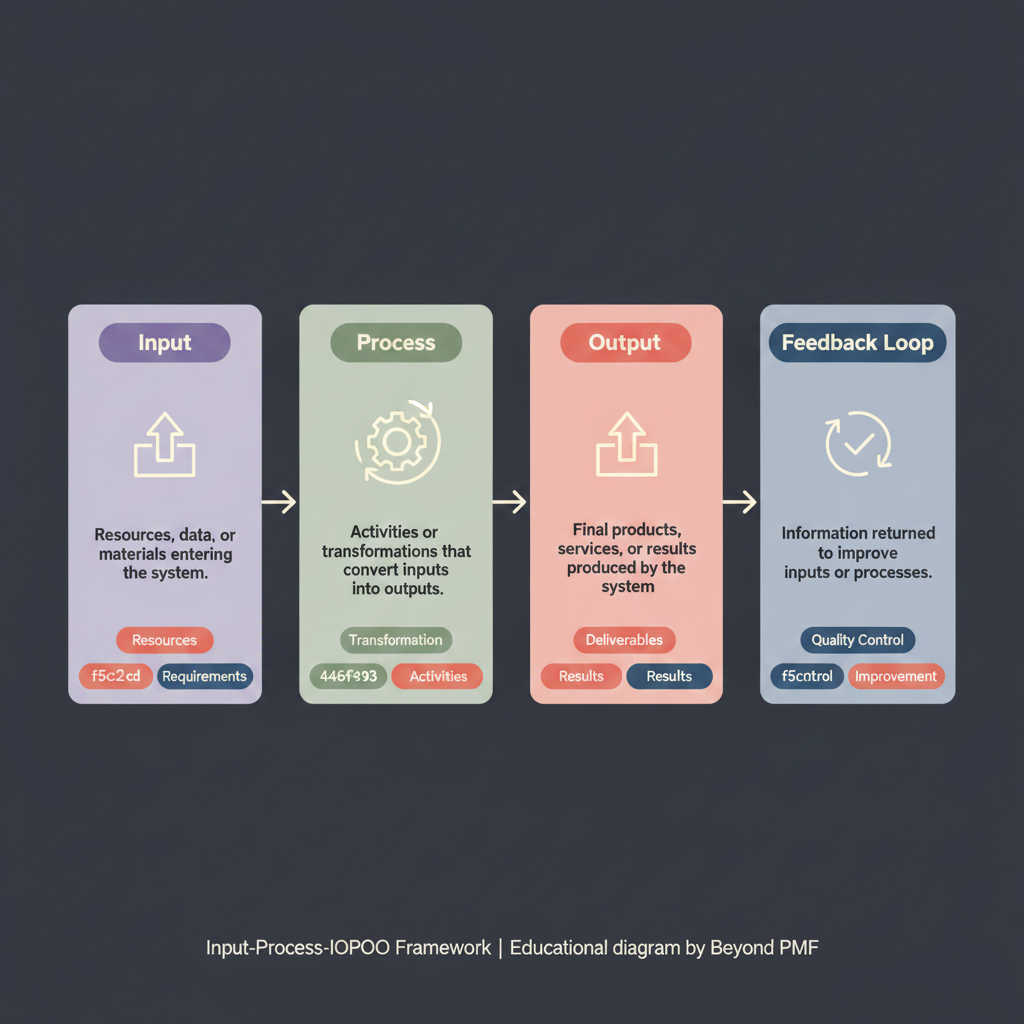
The Input-Process-Output (IPO) Framework is a model used to understand and analyze business processes by breaking them down into three main components: inputs, processes, and outputs.

The Ishikawa Diagram, also known as the Fishbone Diagram, is a tool used to identify and organize potential causes of a problem.
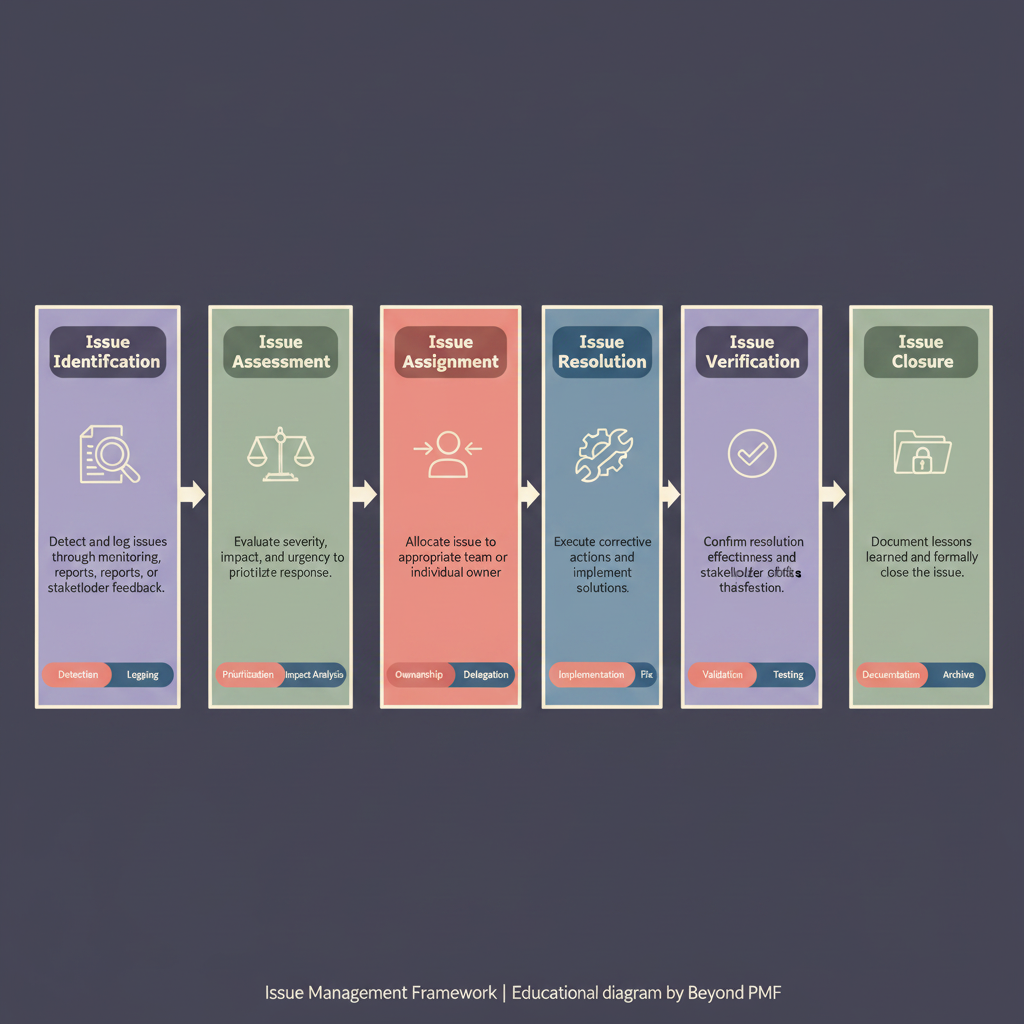
The Issue Management Framework is a systematic approach to identify, assess, and resolve issues within a project or organization.

The Kepner-Tregoe Problem-Solving framework is a methodology designed to improve decision-making skills, focusing on systematic problem analysis and resolution.
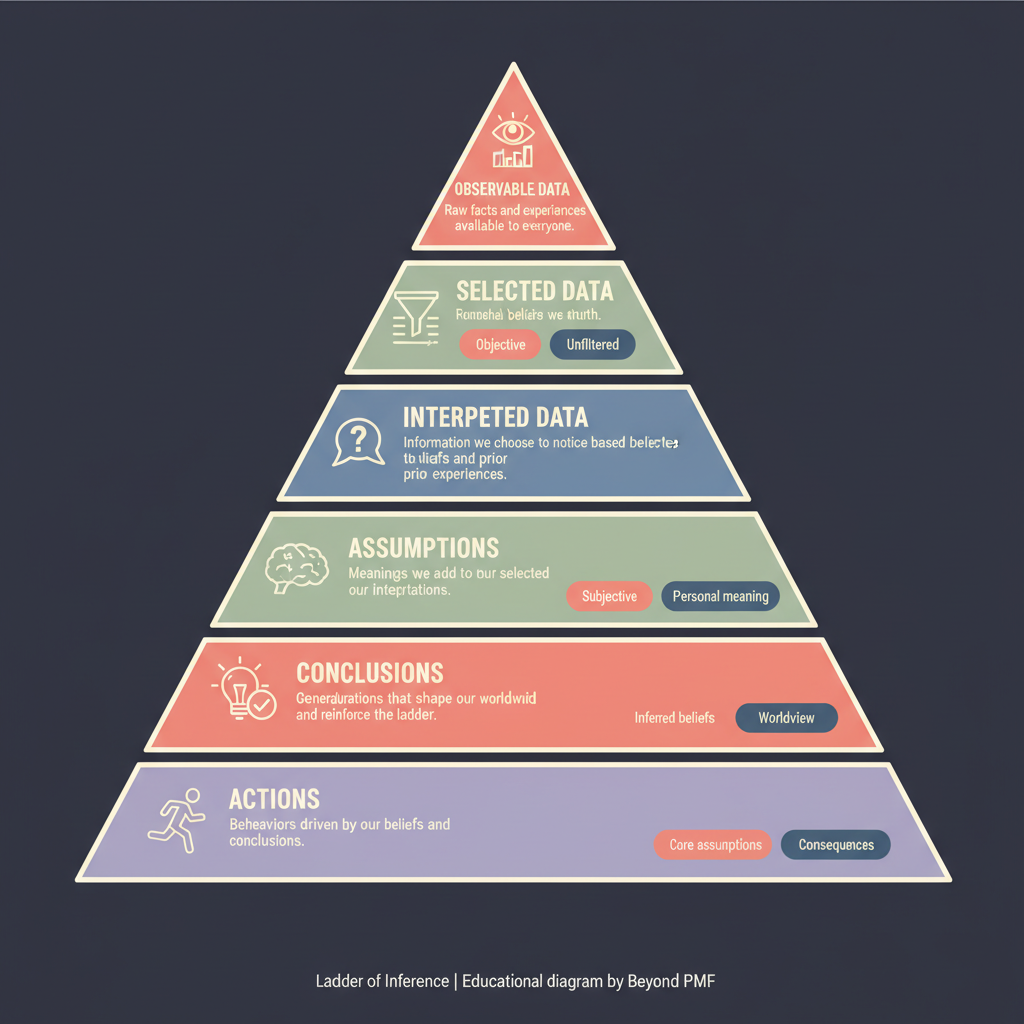
The Ladder of Inference is a decision-making framework that helps individuals and teams make better decisions by analyzing their thought processes and assumptions.

The ORAP Framework is a strategic tool used for optimizing resource allocation and performance in business operations.

Pareto Analysis is a statistical technique in decision-making used for the selection of a limited number of tasks that produce significant overall effect.

The PDCA Cycle, also known as the Deming Wheel, is a continuous improvement model used to achieve business process improvements.

The Power-Interest Grid is a strategic tool used to prioritize stakeholders based on their level of power and interest in a project.

Prune the Product Tree is a visual and collaborative framework used to optimize and refine a product's features and roadmap.
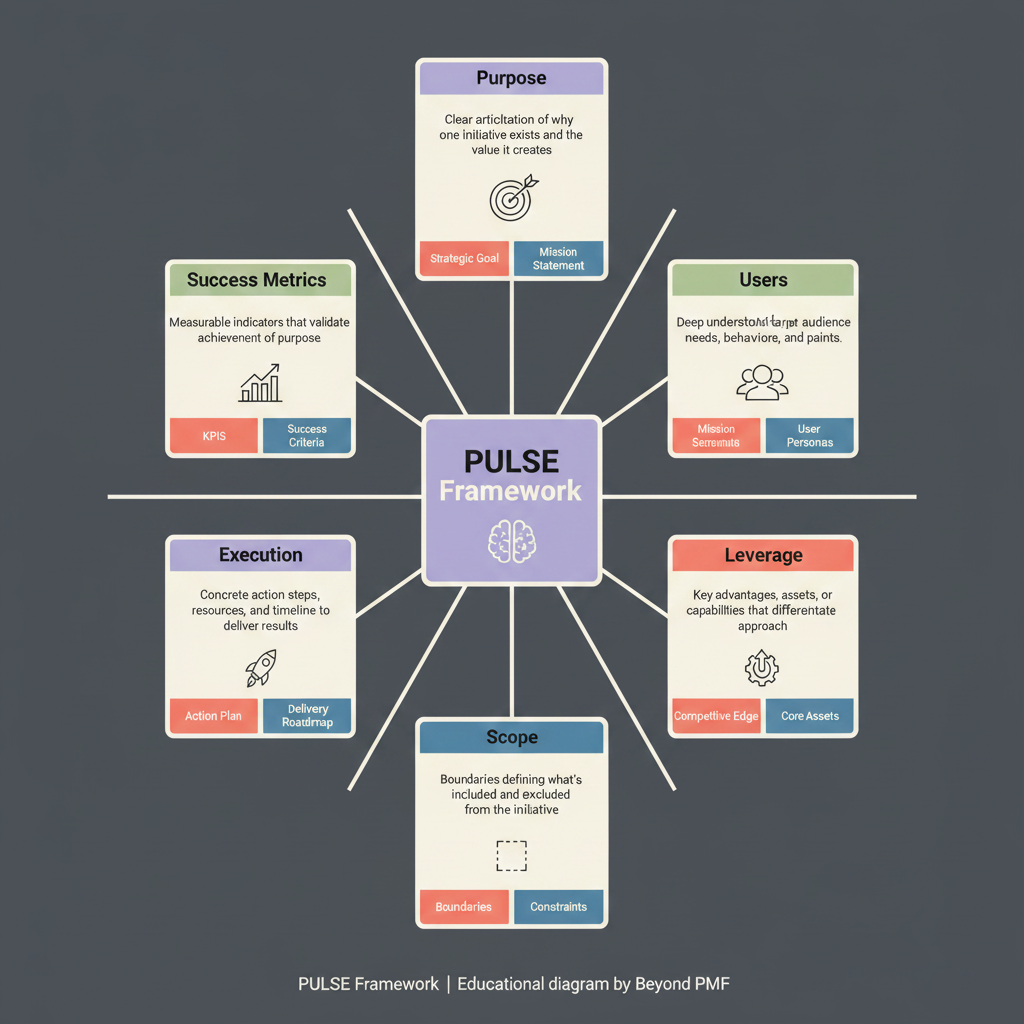
The PULSE Framework is a strategic tool used for improving organizational processes and performance.
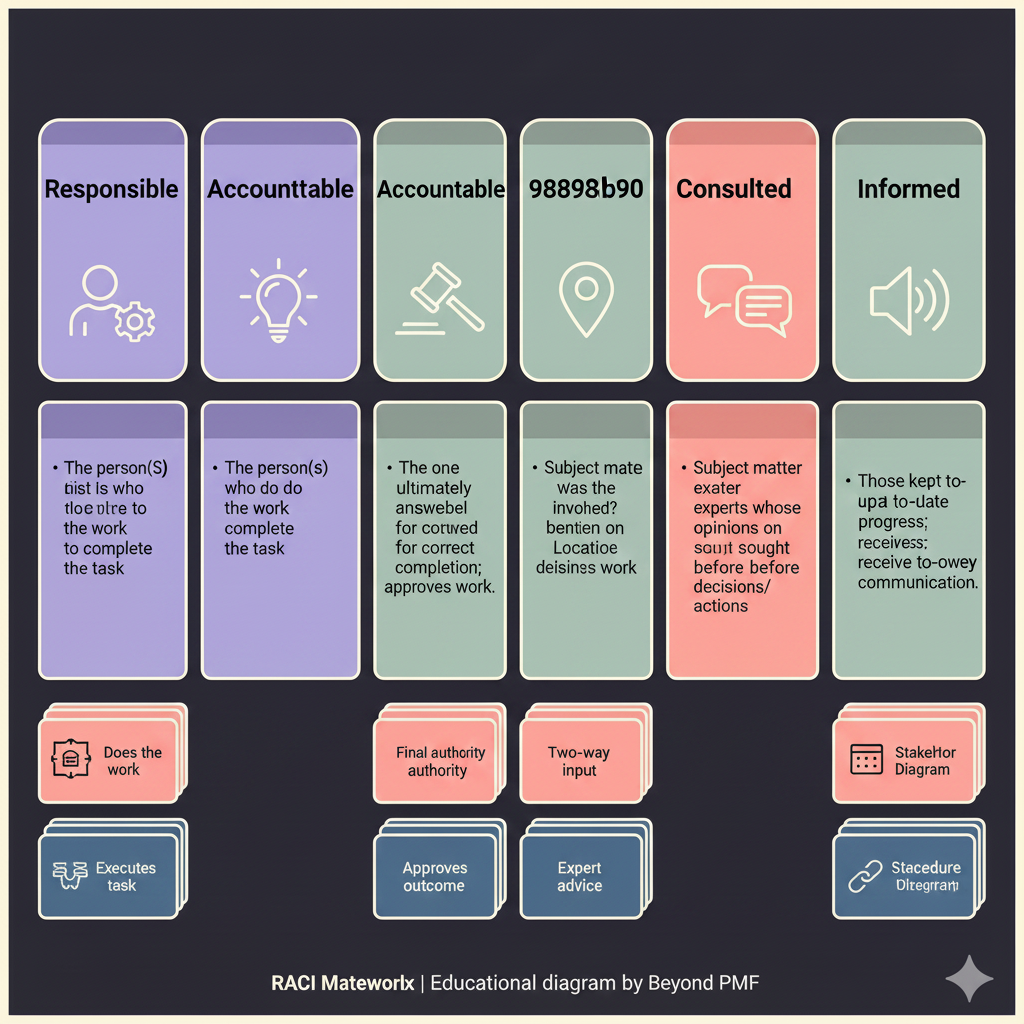
The RACI Matrix is a tool used to clarify roles and responsibilities in projects and processes.

The Risk Assessment Matrix is a tool used to identify and prioritize risks based on the likelihood of occurrence and the potential impact.
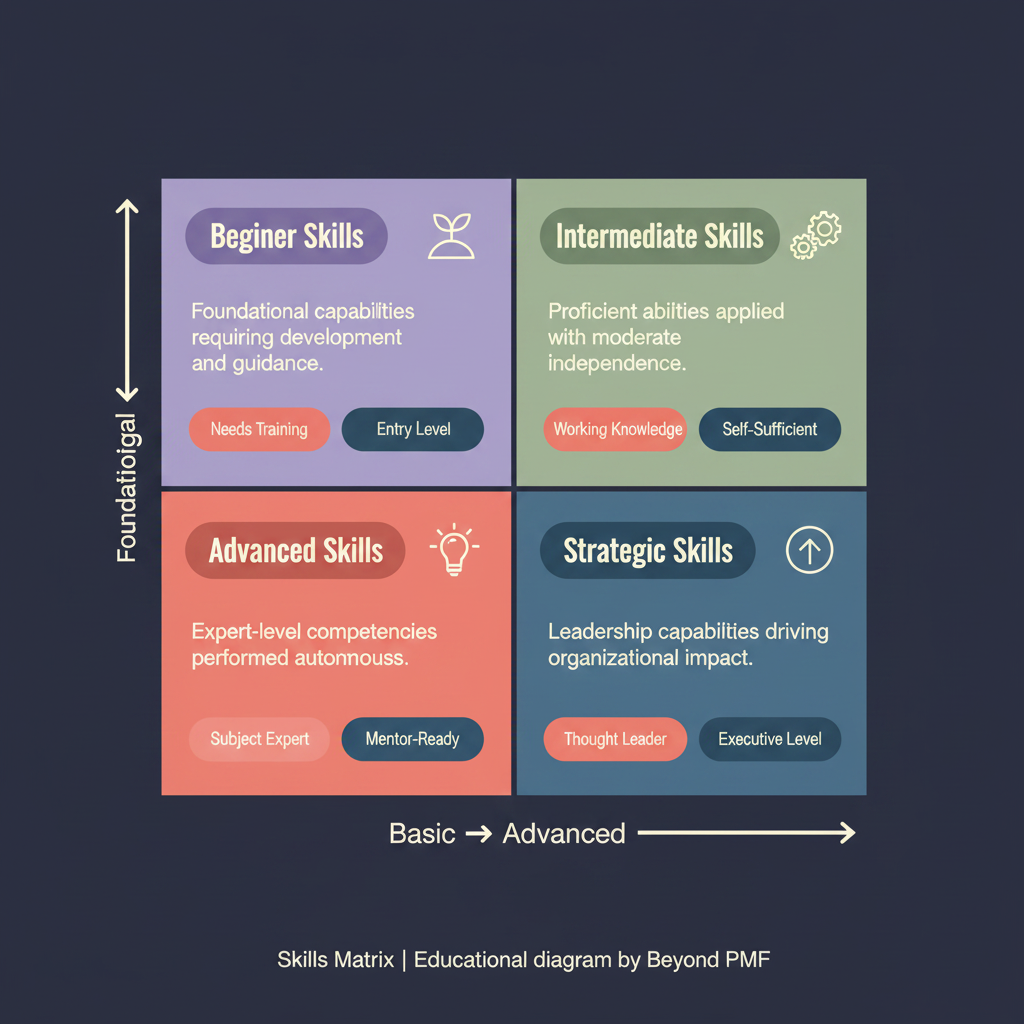
The Skills Matrix is a visual tool that maps out the skills and expertise of team members, aiding in identifying skill gaps and planning for training.
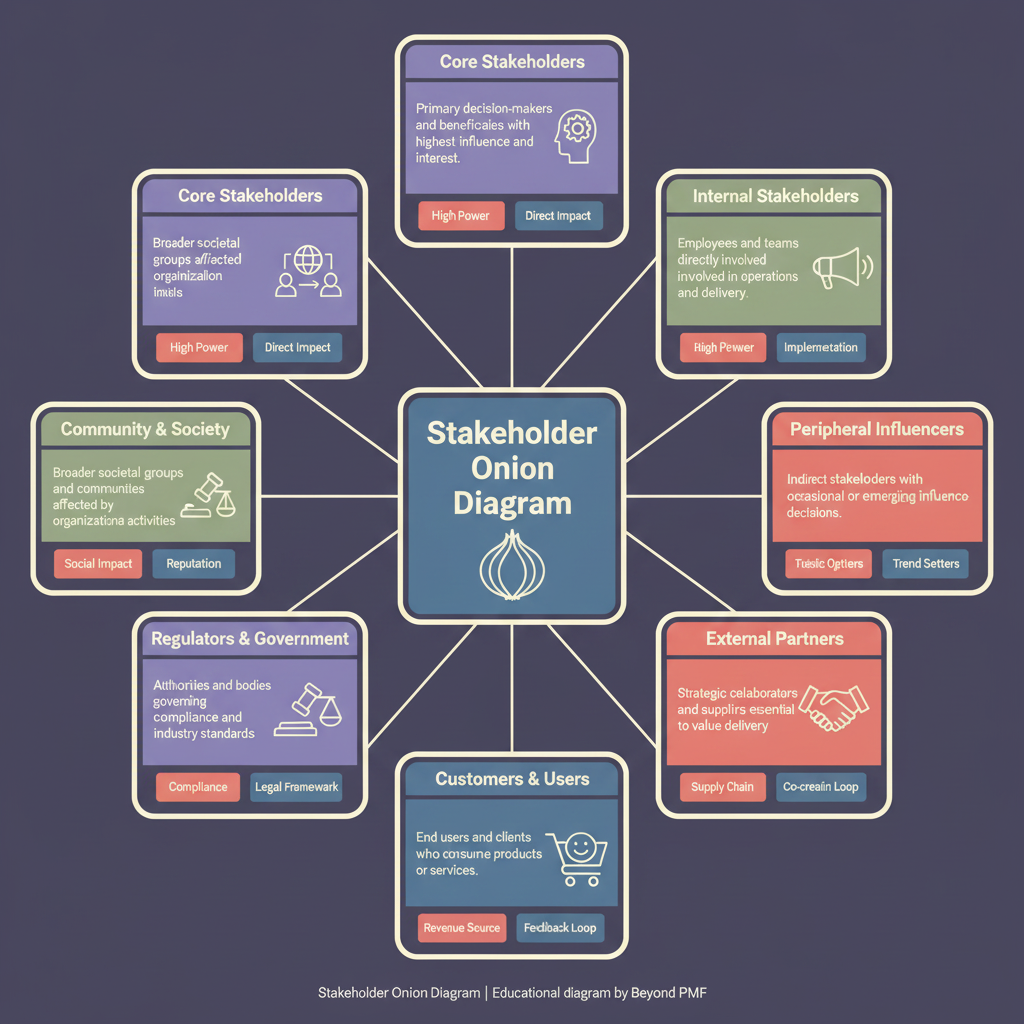
The Stakeholder Onion Diagram is a visual tool used to map out and categorize stakeholders in a project or organization based on their influence and interest.
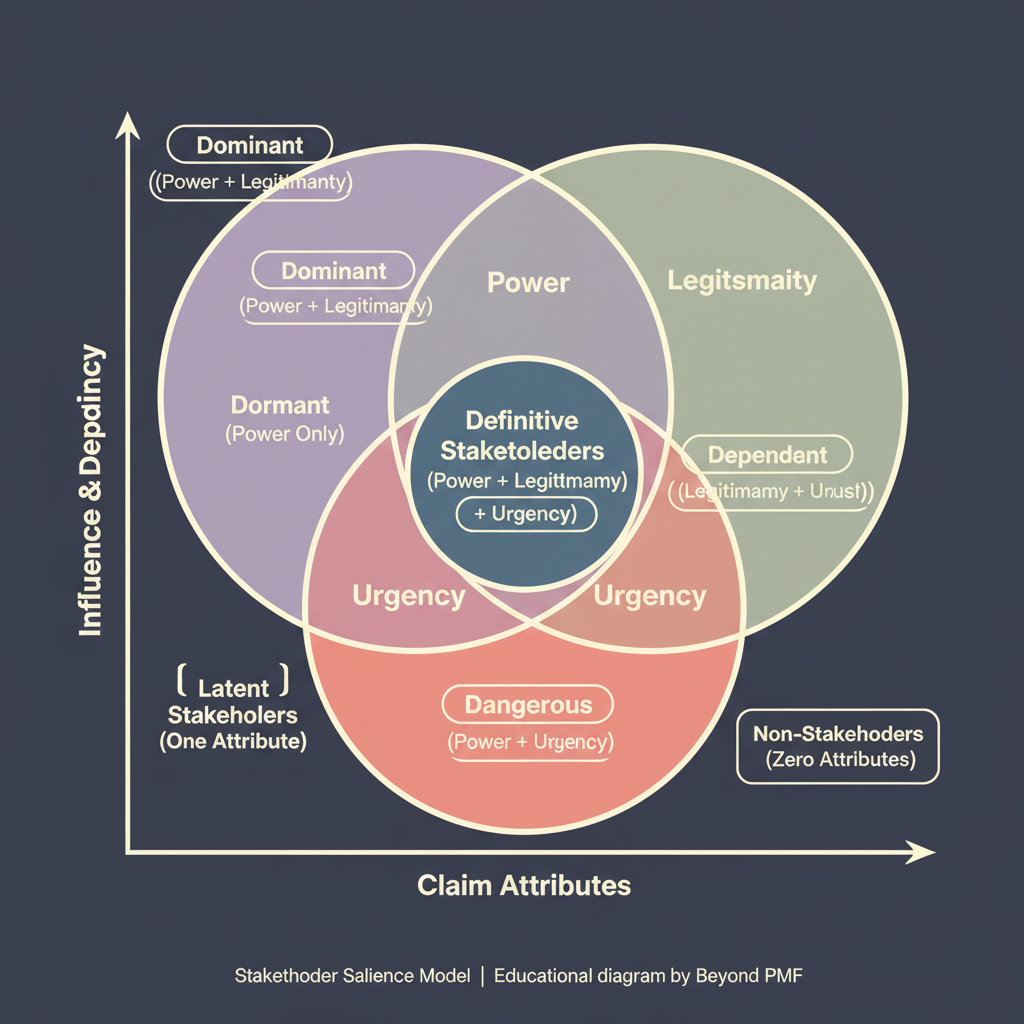
The Stakeholder Salience Model helps organizations identify and prioritize stakeholders based on their attributes of power, legitimacy, and urgency.

The Technical Debt Framework is a method for managing and prioritizing technical debt in software development projects.

The Technical Debt Quadrant is a framework used to categorize and manage technical debt in software development.
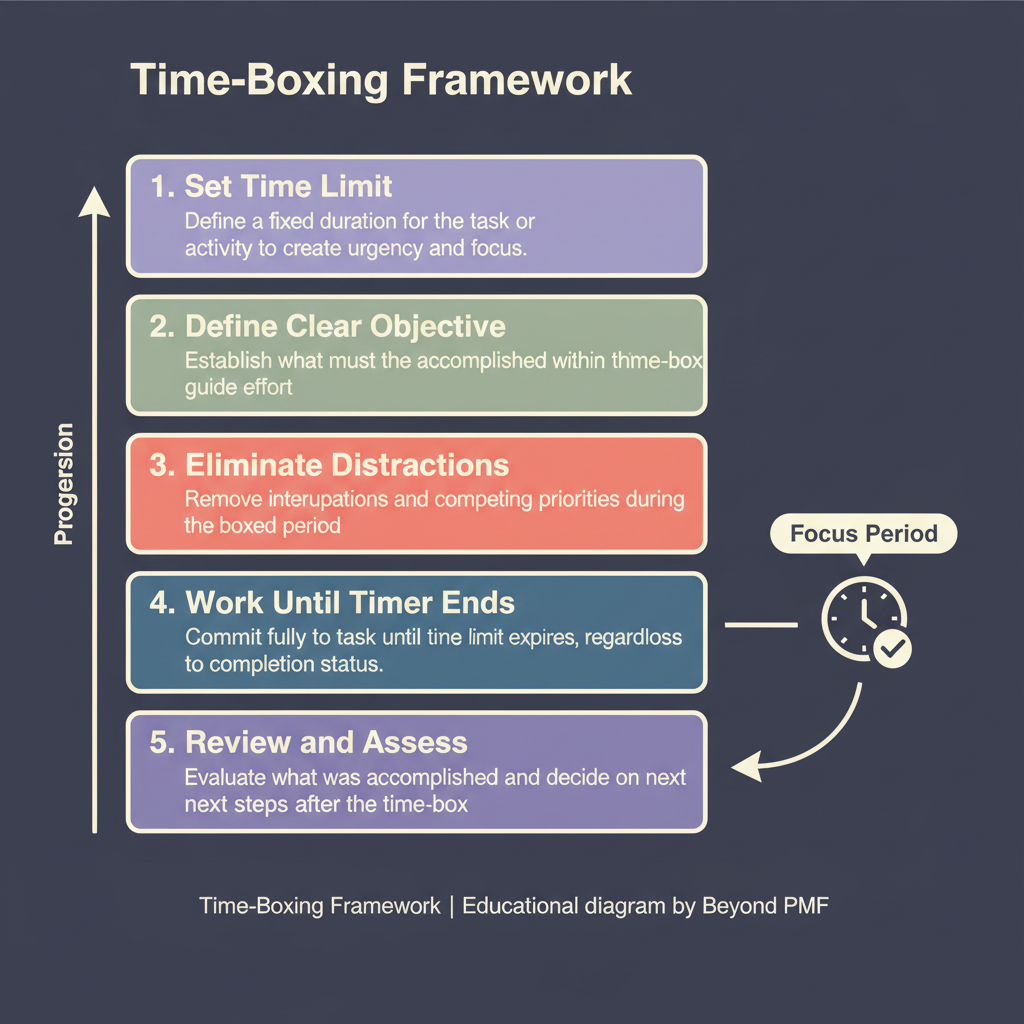
Time-boxing is a time management technique that involves allocating a fixed time period to a task.
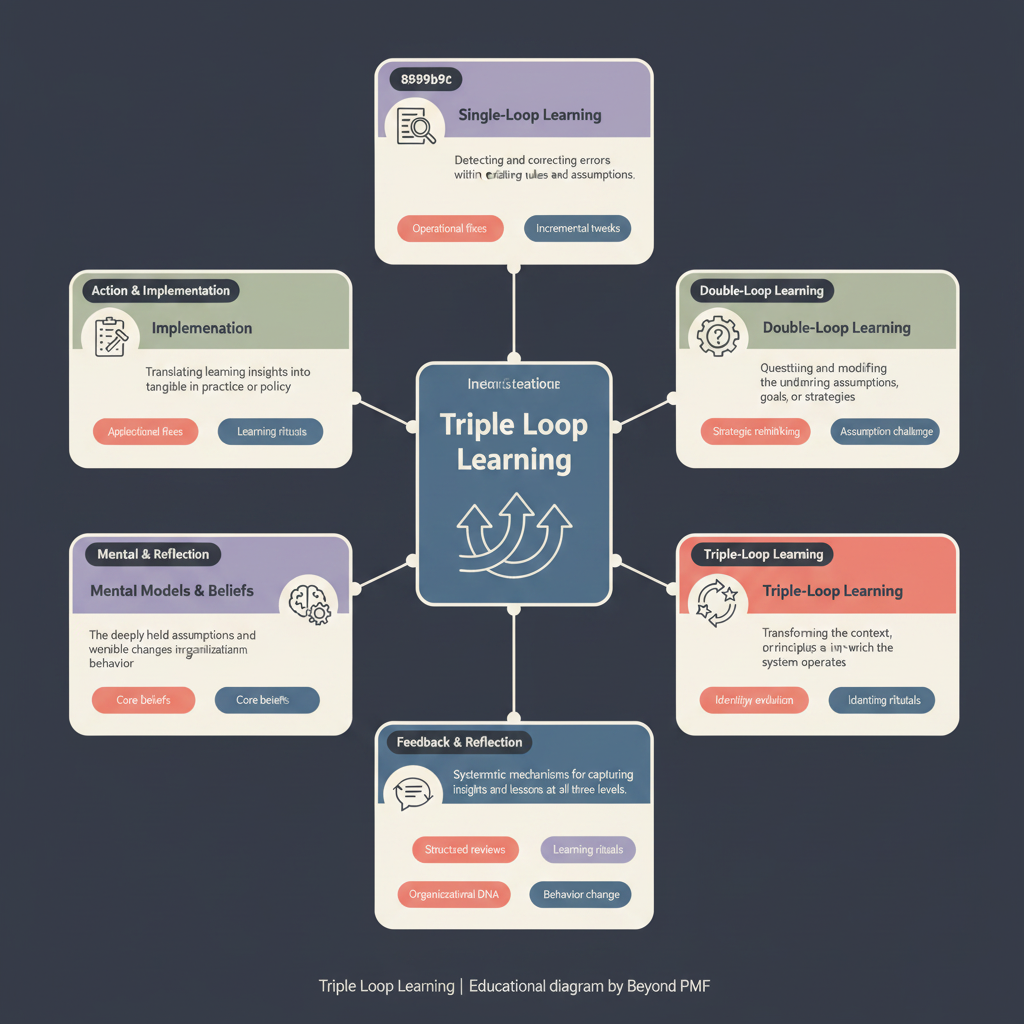
Triple Loop Learning is a reflective practice framework that helps organizations learn from their actions by questioning underlying assumptions and strategies.

The Value Innovation Framework is a strategic tool designed to help organizations create new market spaces by delivering exceptional value to customers while reducing costs.
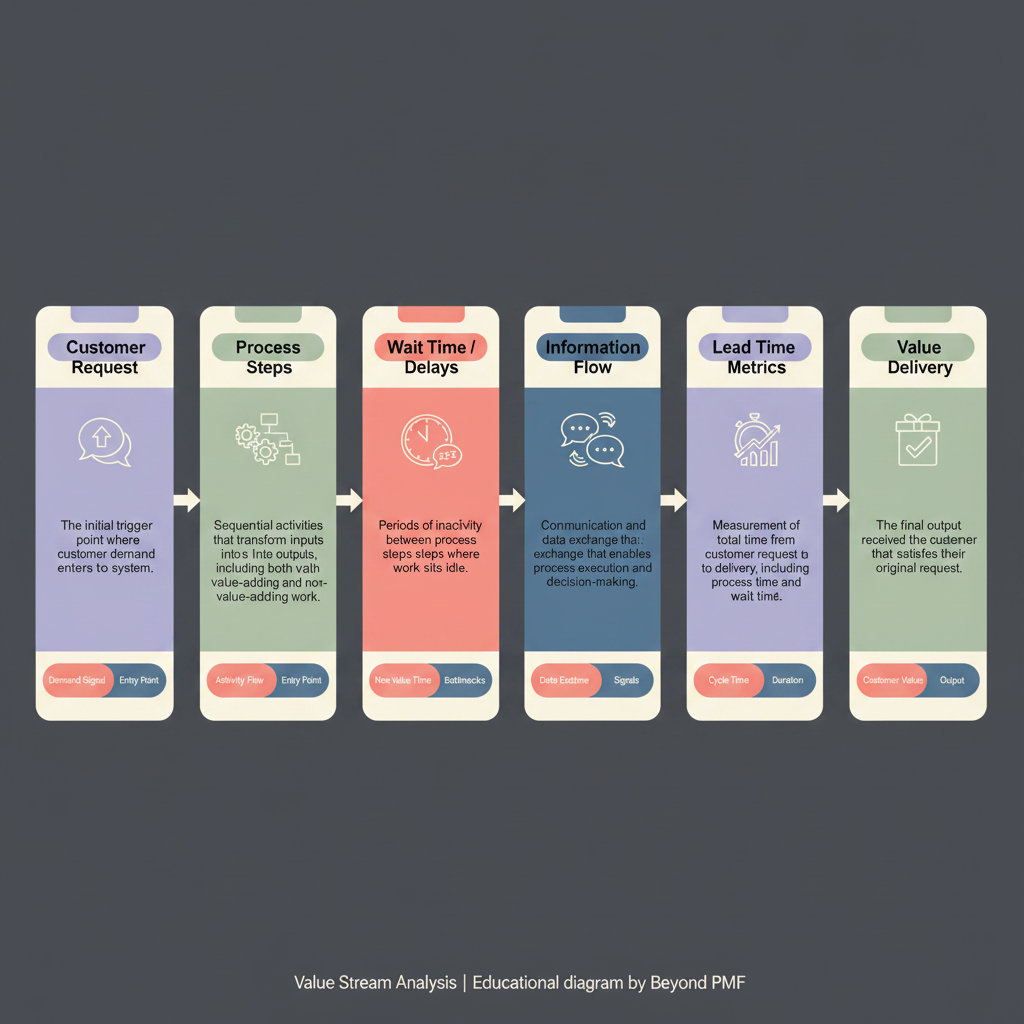
Value Stream Analysis is a lean-management method for analyzing the current state and designing a future state for the series of events that take a product or service from its beginning through to the customer.

Zero-Based Budgeting (ZBB) is a budgeting process that starts from a 'zero base' every new period, analyzing every dollar as if it were new.

The Z-Model is a hypothetical business framework designed to optimize organizational processes by aligning them in a structured manner.