
Process improvement frameworks help organizations analyze workflows, remove inefficiencies, and increase end‑to‑end performance. They focus on root causes, handoffs, and constraints that create strategic friction. These frameworks are critical in scaling operations and transformation programs. Use them to shorten cycle times and improve quality.
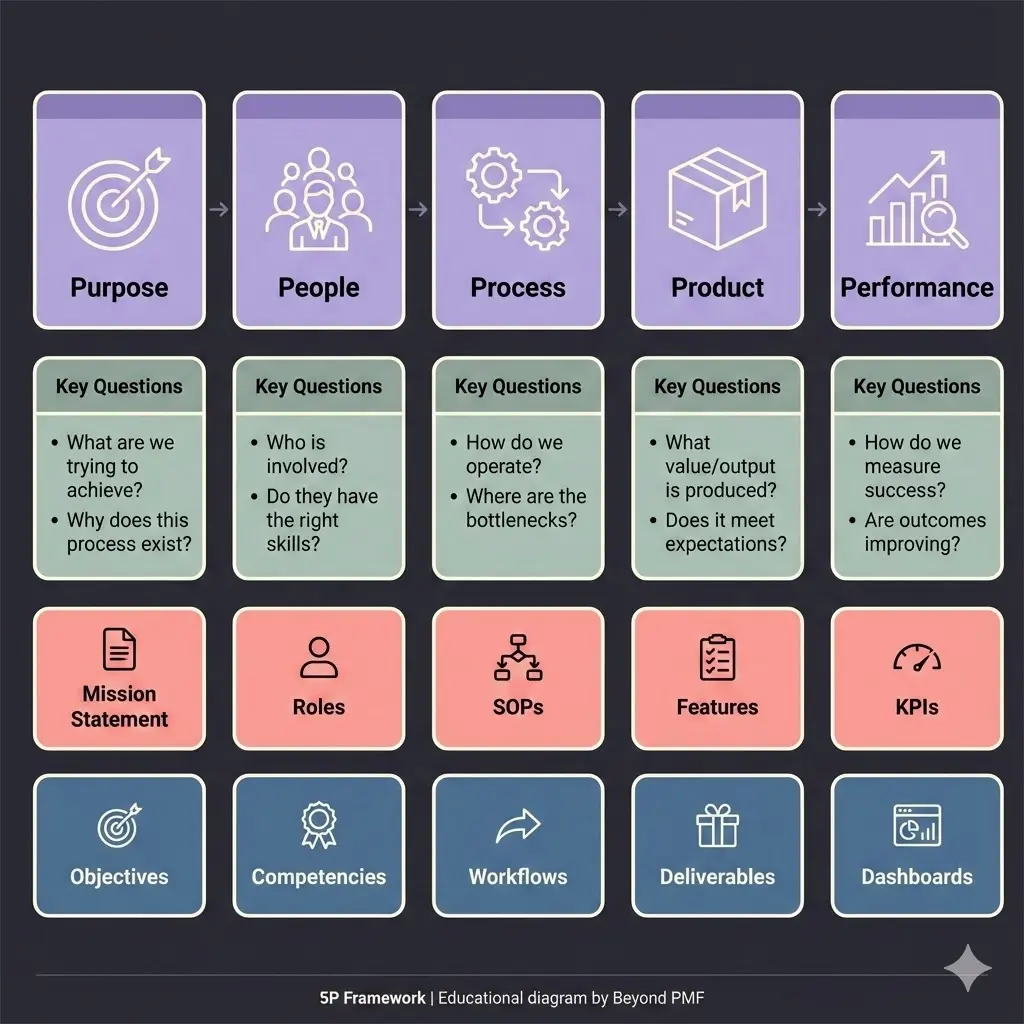
The 5P Framework is a comprehensive model that helps organizations enhance their operational effectiveness by examining five critical aspects: Purpose, People, Process, Product, and Performance. This framework guides businesses in aligning their objectives with their operational strategies, ensuring that all elements contribute towards achieving the desired outcomes. It is widely used for its ability to simplify complex business environments and foster continuous improvement.
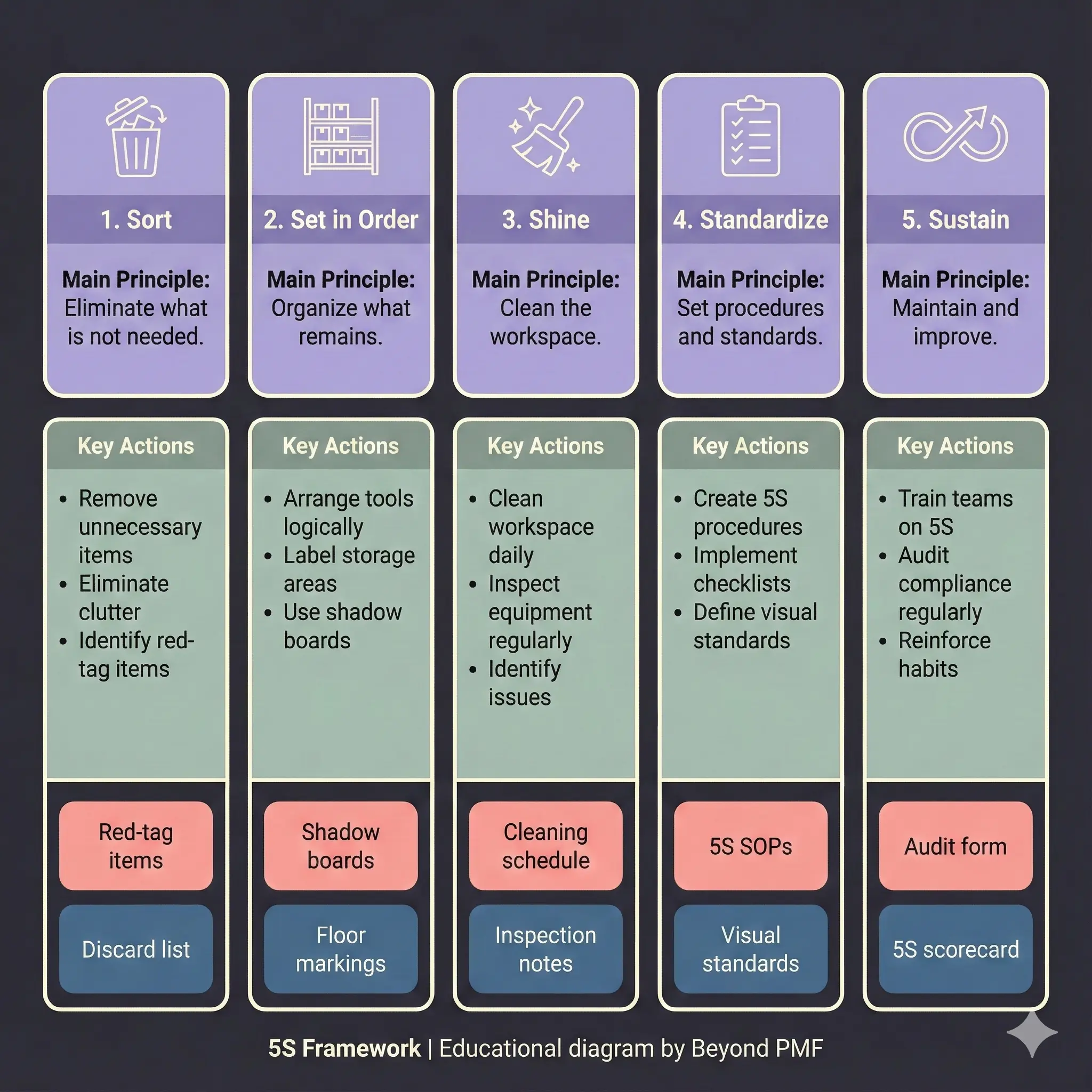
The 5S Framework is a popular lean management tool that focuses on organizing the workplace to improve efficiency and effectiveness. It is based on five principles: Sort, Set in order, Shine, Standardize, and Sustain. This framework helps businesses reduce waste and optimize productivity by maintaining an orderly environment and using visual cues to achieve more consistent operational results. It is widely used in manufacturing, warehousing, and office settings to create a clean, uncluttered, safe, and well-organized workspace.
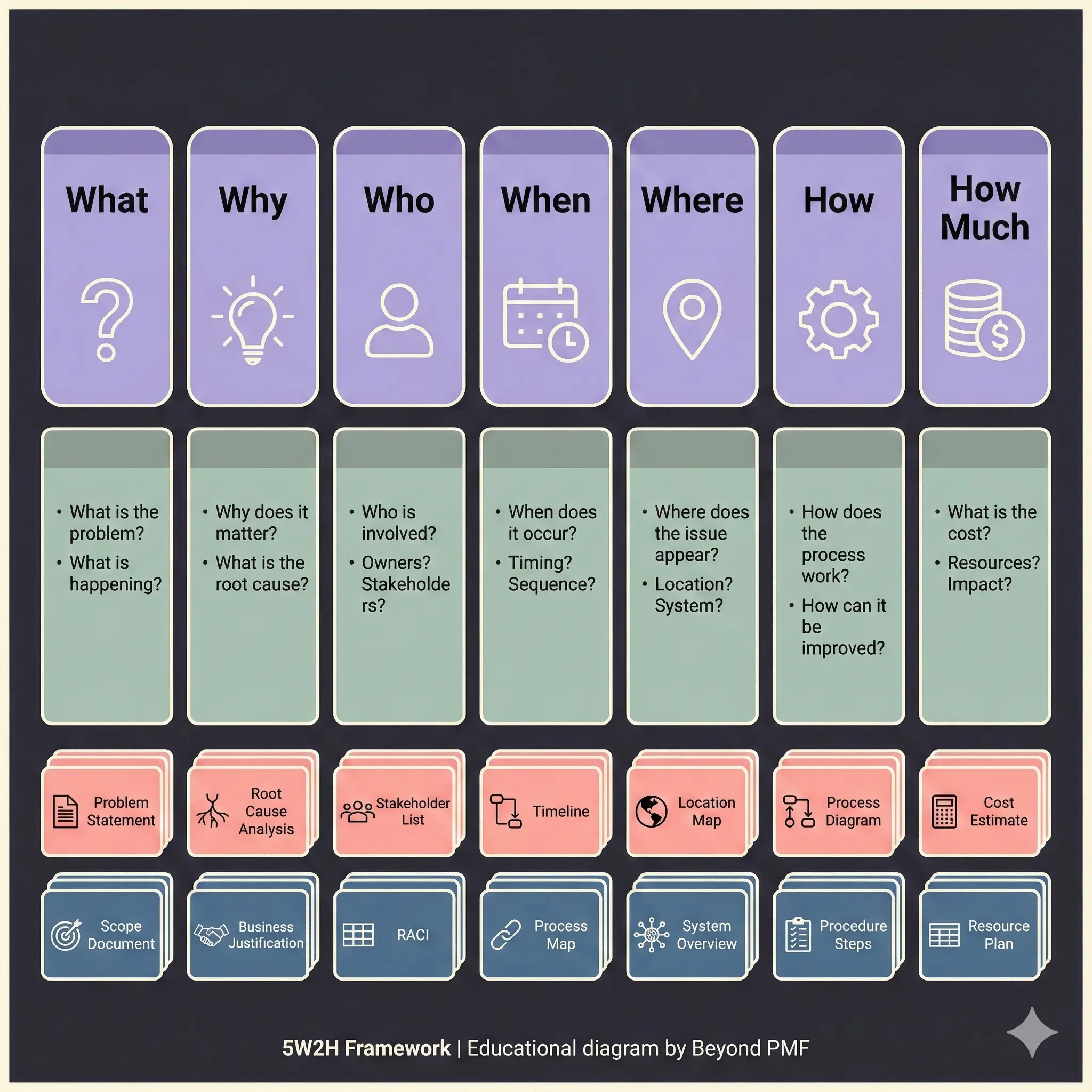
The 5W2H Framework stands for 'What, Why, Who, When, Where, How, and How Much', and is utilized primarily to explore different dimensions of a problem or a process comprehensively. This framework helps in breaking down the problem into manageable parts by questioning every aspect of the situation. It is widely used in project management, process improvement, and troubleshooting to ensure that all aspects of a problem are thoroughly understood before solutions are proposed. The framework's structured approach aids in clear communication, thorough analysis, and effective decision-making.
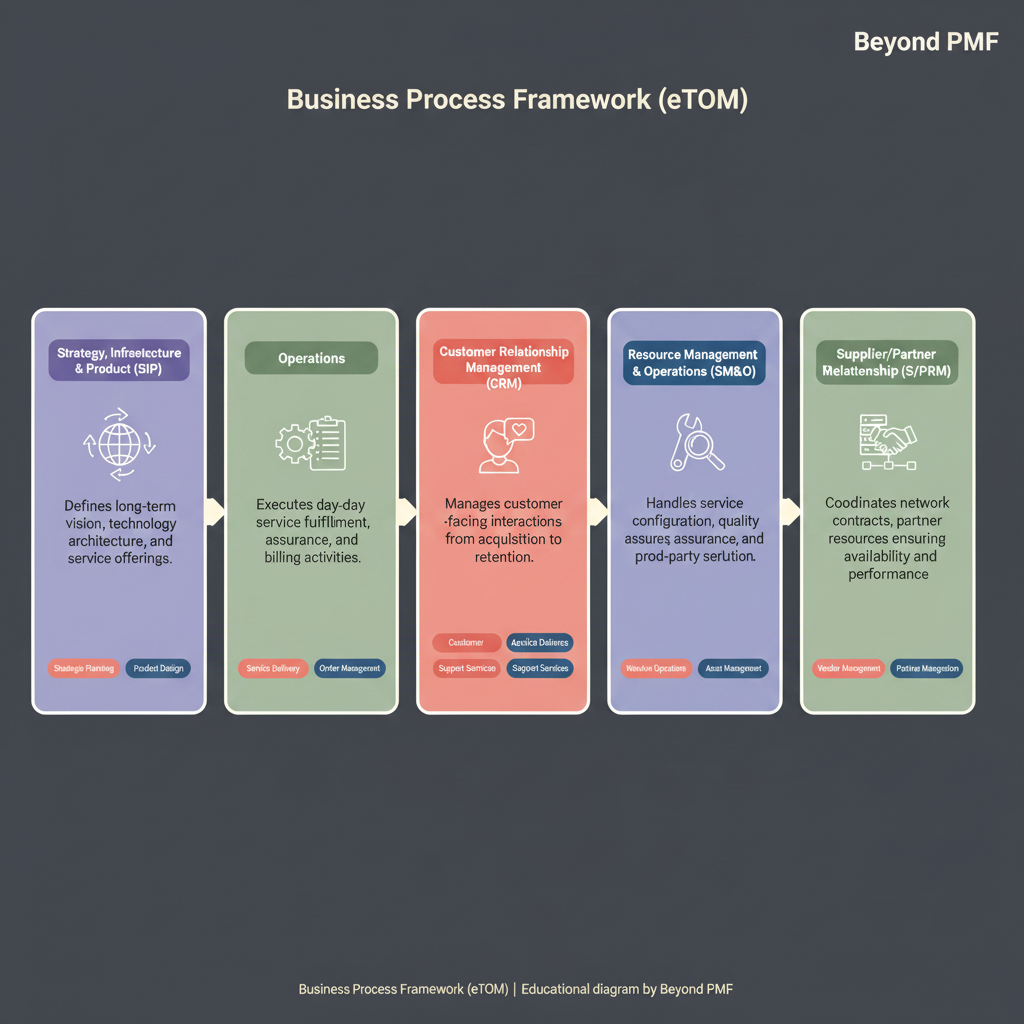
The Business Process Framework, also known as eTOM (Enhanced Telecom Operations Map), is a critical component of the TM Forum's Frameworx suite. This framework provides a structured model for enterprise processes in the telecommunications sector, aiming to streamline operations, reduce costs, and improve service delivery. It categorizes enterprise processes into different levels of detail, which helps organizations align their operations with their business goals. The framework is widely adopted due to its flexibility, industry-specific relevance, and its role in facilitating the integration of emerging technologies.
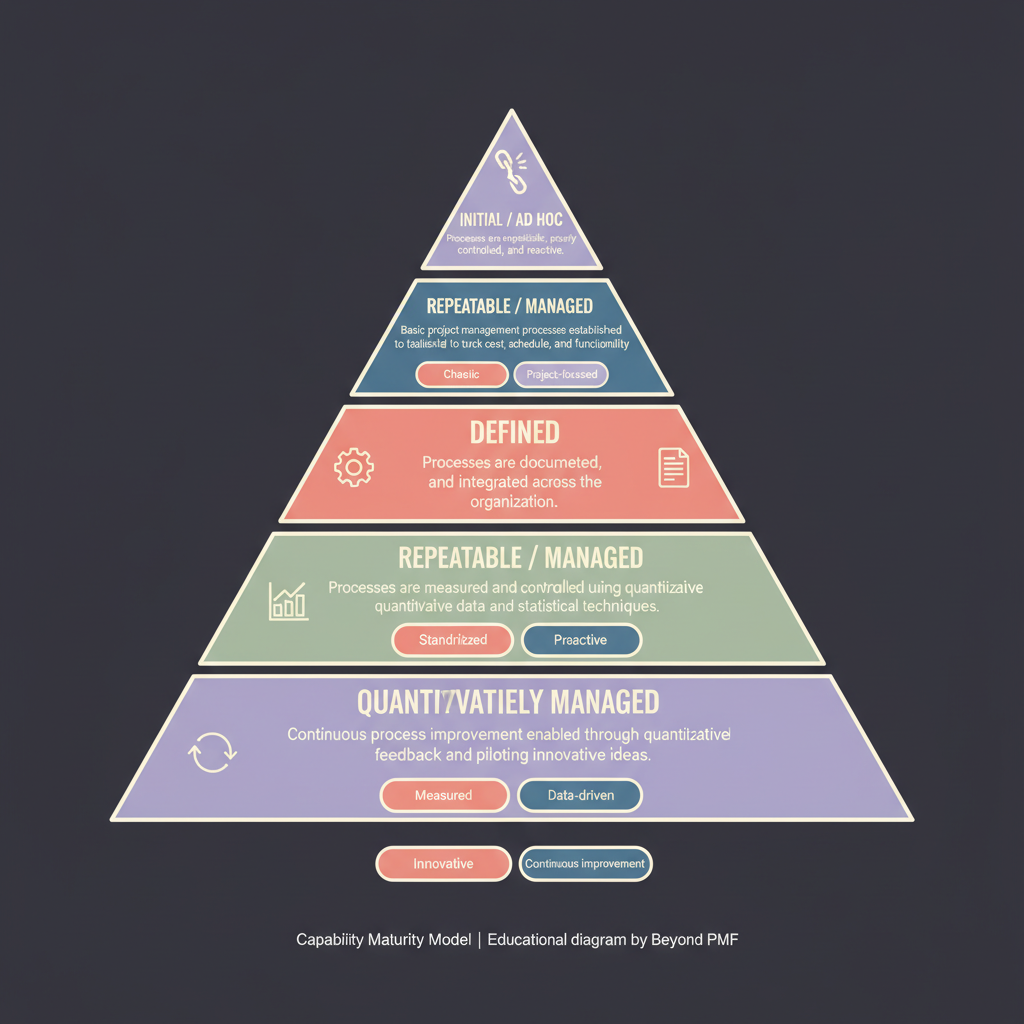
The Capability Maturity Model is a framework used primarily in software development to assess and improve an organization's software development processes. It helps organizations develop efficient and effective processes through a structured level of maturity, ranging from ad hoc practices to optimized processes. The model provides a clear path for continuous improvement and is beneficial in benchmarking performance, ensuring quality, and delivering consistent results.

The CASE Framework, standing for Comprehensive Assessment and Strategy Enhancement, is a business methodology designed to analyze and improve organizational processes. It helps companies to identify inefficiencies, streamline operations, and enhance strategic decision-making. By applying this framework, businesses can align their operations more closely with their strategic goals, leading to improved performance and competitiveness.
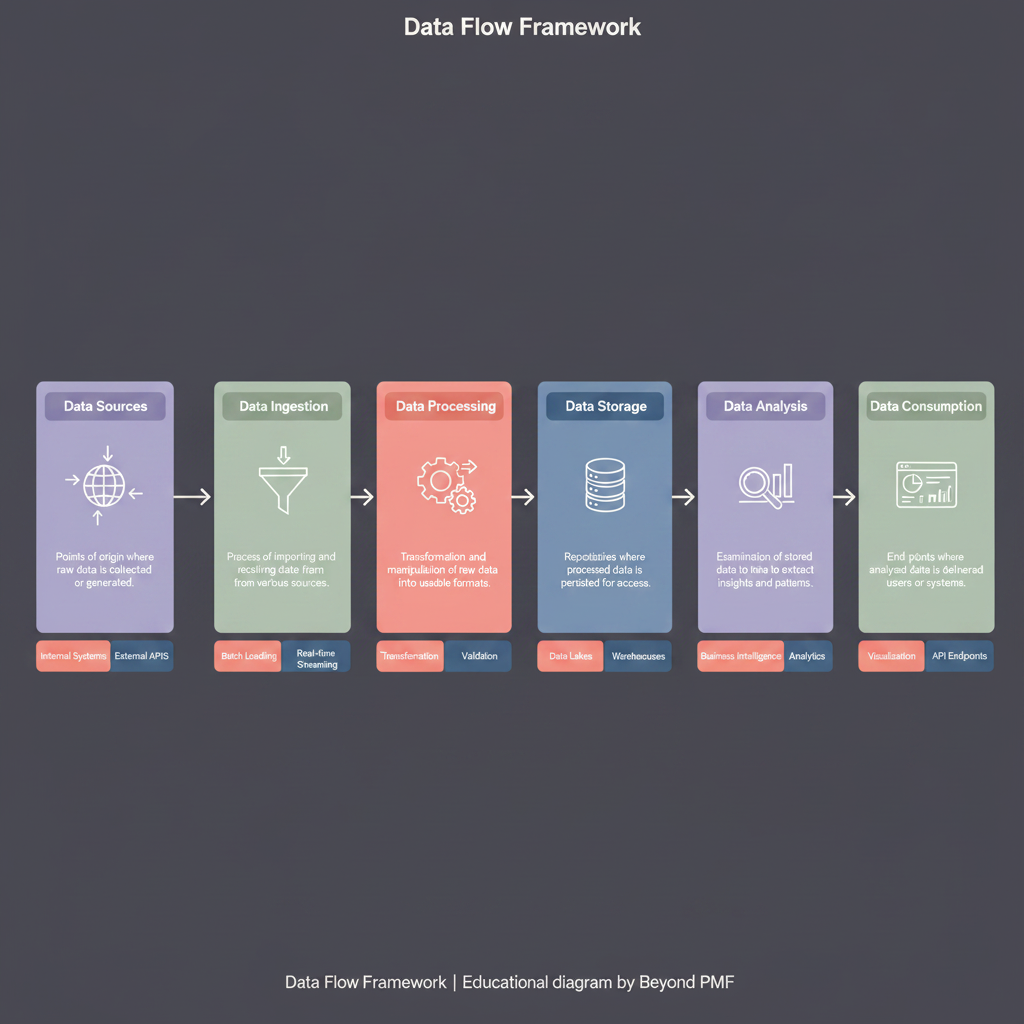
The Data Flow Framework provides a systematic method for analyzing, designing, and implementing data movement across various systems and processes within an organization. It focuses on ensuring data integrity, security, and efficiency from the point of creation to the point of consumption. The framework is used to streamline data processes, reduce redundancy, and enhance data-driven decision-making, making it crucial for organizations dealing with large volumes of data.
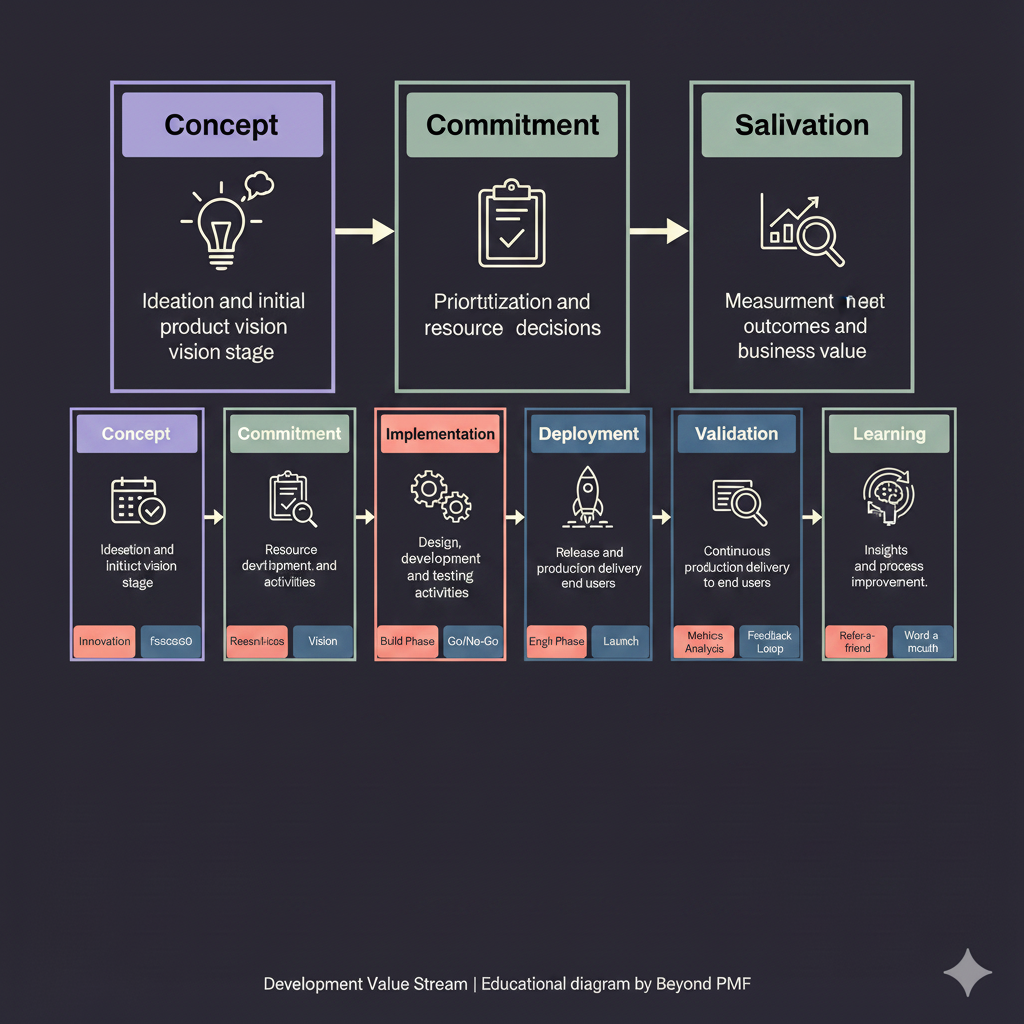
The Development Value Stream Framework is a strategic approach used to analyze, manage, and optimize the sequence of processes involved in software development. It aims to identify and eliminate bottlenecks, reduce cycle times, and ensure that every step adds value to the customer. This framework is crucial for organizations looking to improve their software delivery performance and align development activities with business goals.
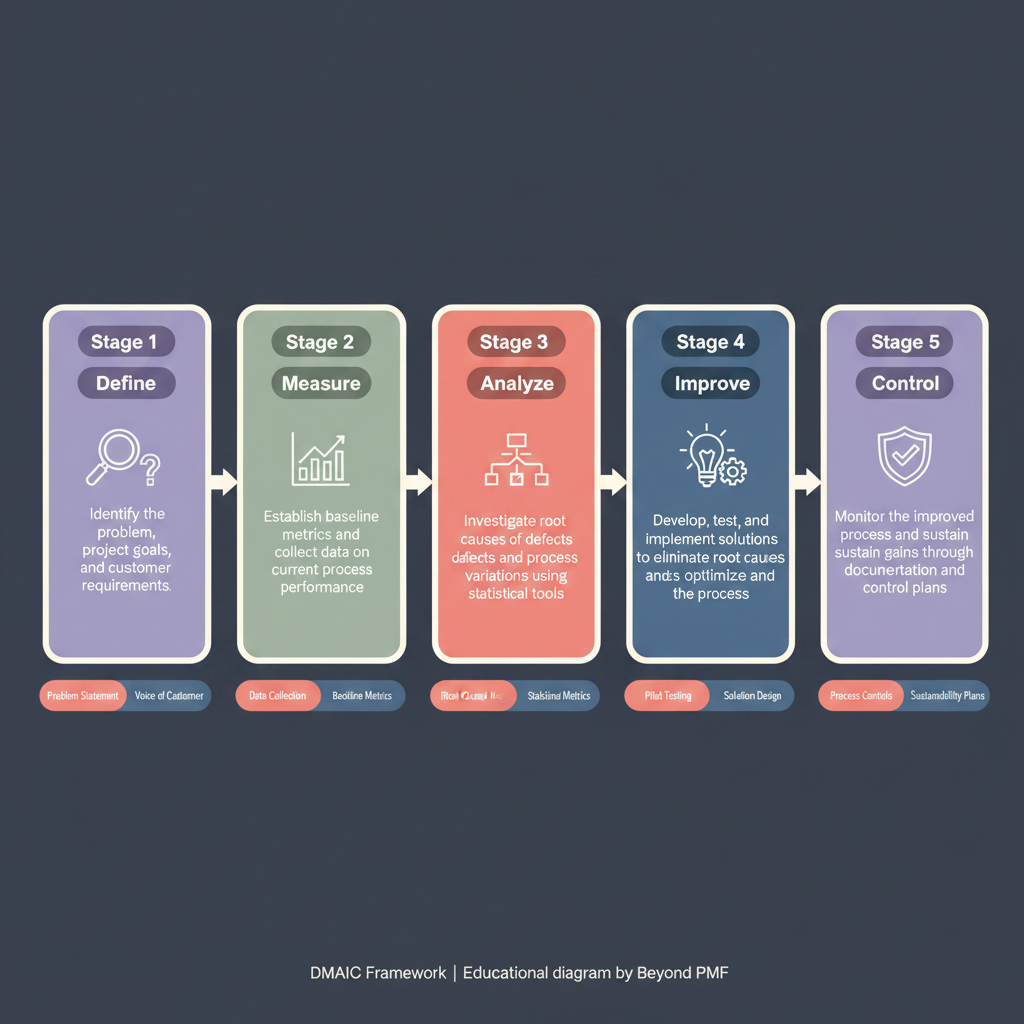
DMAIC stands for Define, Measure, Analyze, Improve, and Control. This framework is used primarily to improve, optimize, and stabilize business processes and designs. The DMAIC framework is effective in identifying root causes of inefficiencies, enabling businesses to develop solutions to mitigate these issues. By using a structured approach, it ensures that the improvements are statistically significant and that they can be sustained over time. This methodology is widely appreciated for its systematic approach to problem-solving and continuous improvement.
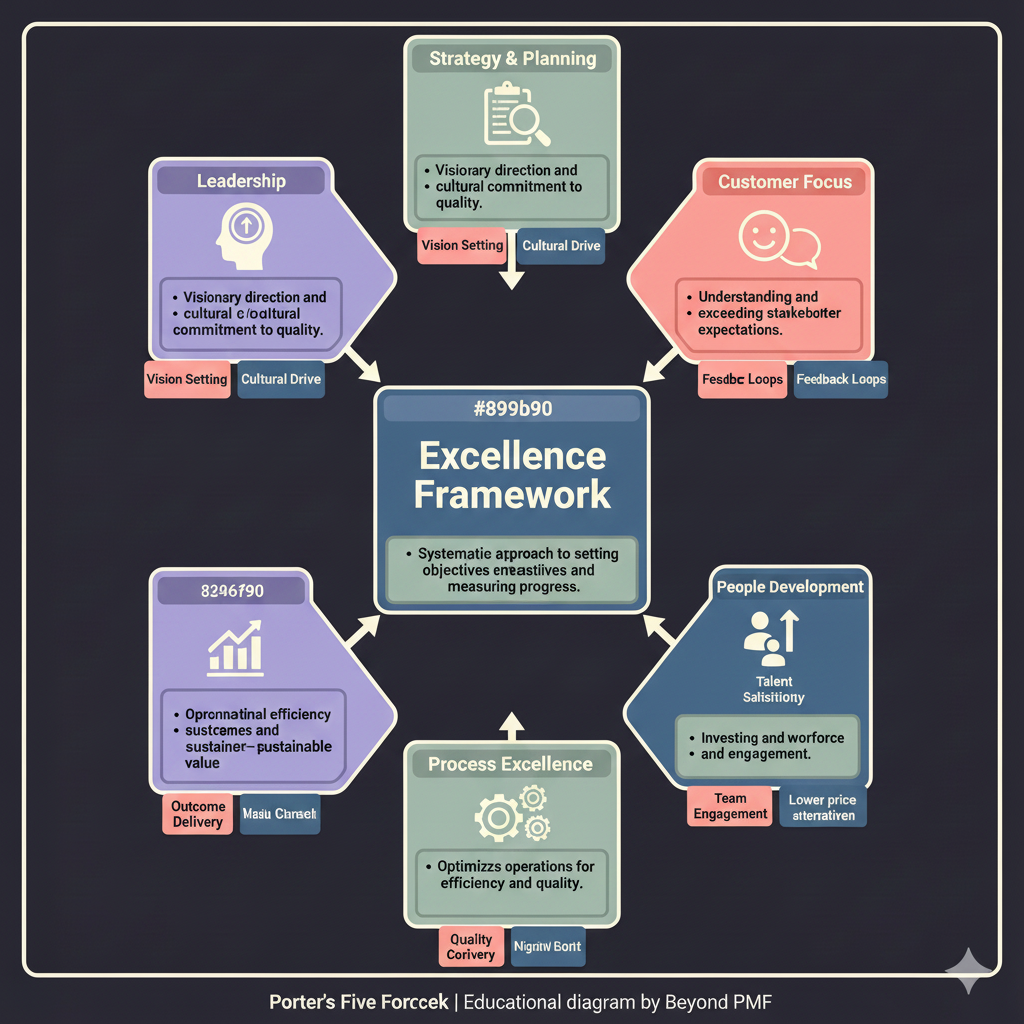
The Excellence Framework is a structured approach used by organizations to assess and improve their performance across various dimensions. It integrates principles of quality management, strategic planning, and continuous improvement to help organizations achieve superior performance. The framework typically involves evaluating processes, leadership, strategy, and customer satisfaction to identify areas of excellence and opportunities for improvement. The goal is to foster a culture of excellence that drives innovation and competitive advantage.

The Feedback Loop Framework is designed to continuously improve and adapt products, services, or processes based on user or stakeholder feedback. It involves collecting feedback, analyzing it, making informed decisions, and implementing changes, which then cycle back to further feedback. This iterative process ensures that improvements are always aligned with user needs and expectations, thereby enhancing satisfaction and efficiency.
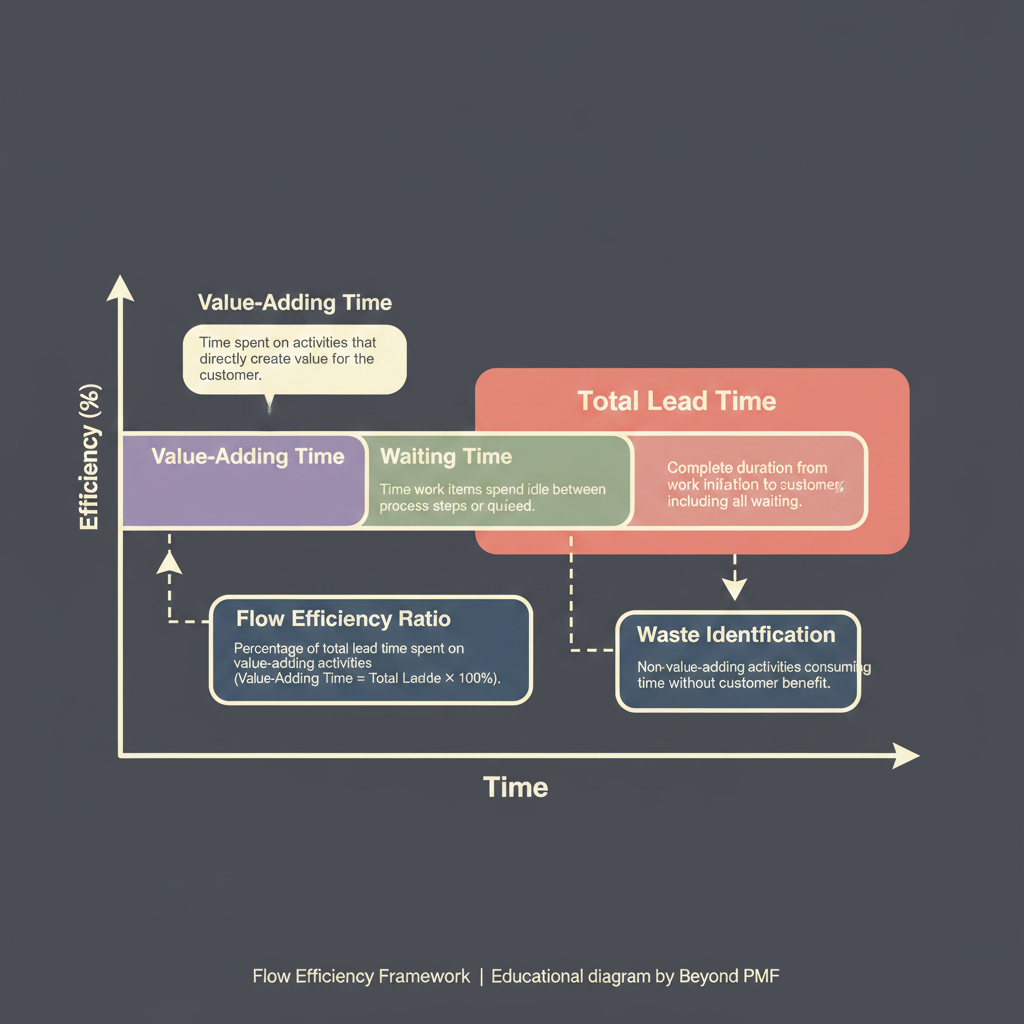
The Flow Efficiency Framework is a tool used primarily in project management and operations to analyze and improve the efficiency of workflows. It focuses on identifying the proportion of value-added time in the total cycle time of a process. By highlighting the non-value-added times, such as wait times or delays, it helps organizations streamline operations, reduce waste, and enhance productivity. The framework is beneficial in environments where process efficiency is critical for success, such as manufacturing, software development, and service delivery.
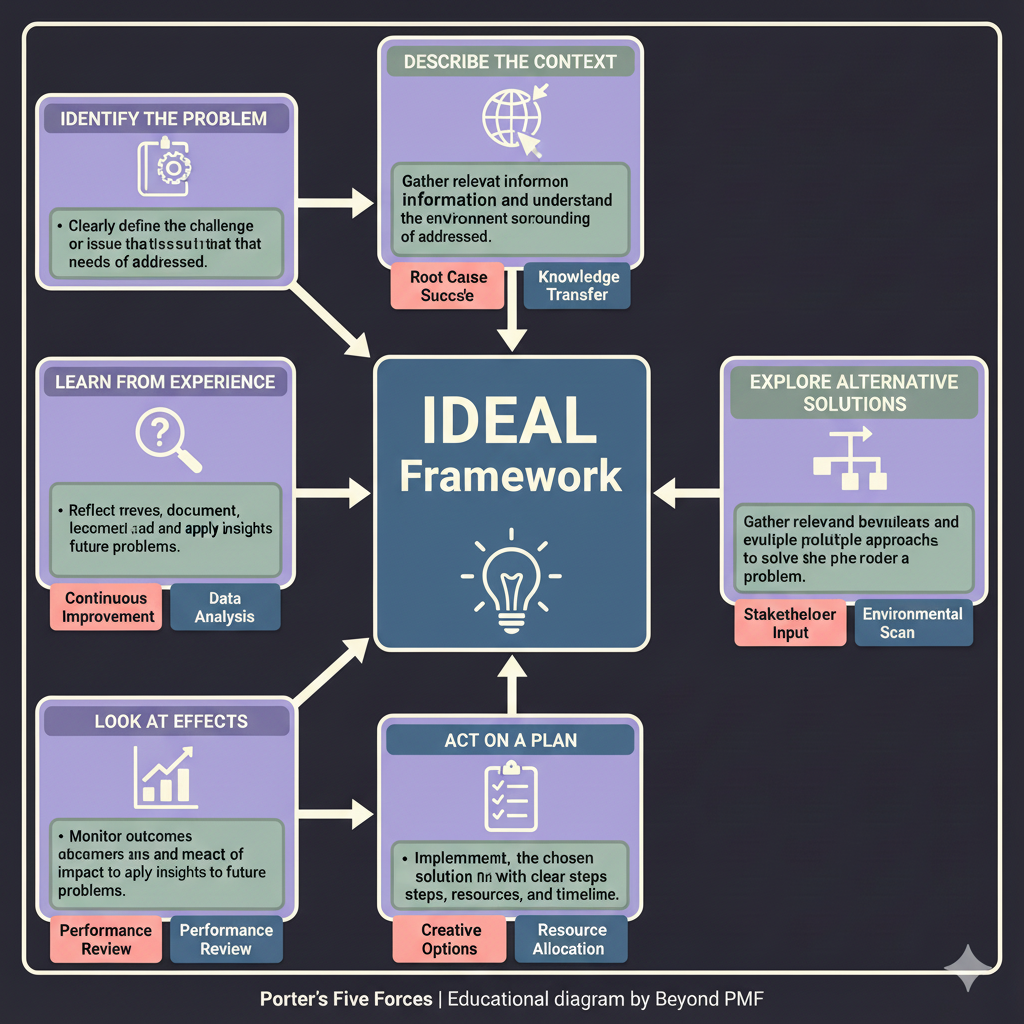
The IDEAL Framework is a comprehensive model used primarily for enhancing processes and problem-solving within various organizational contexts. It is structured around five key phases: Initiating, Diagnosing, Establishing, Acting, and Learning. This framework helps organizations systematically tackle challenges, ensuring continuous improvement and effective change management. Its benefits include structured problem-solving, enhanced organizational learning, and improved process efficiency.
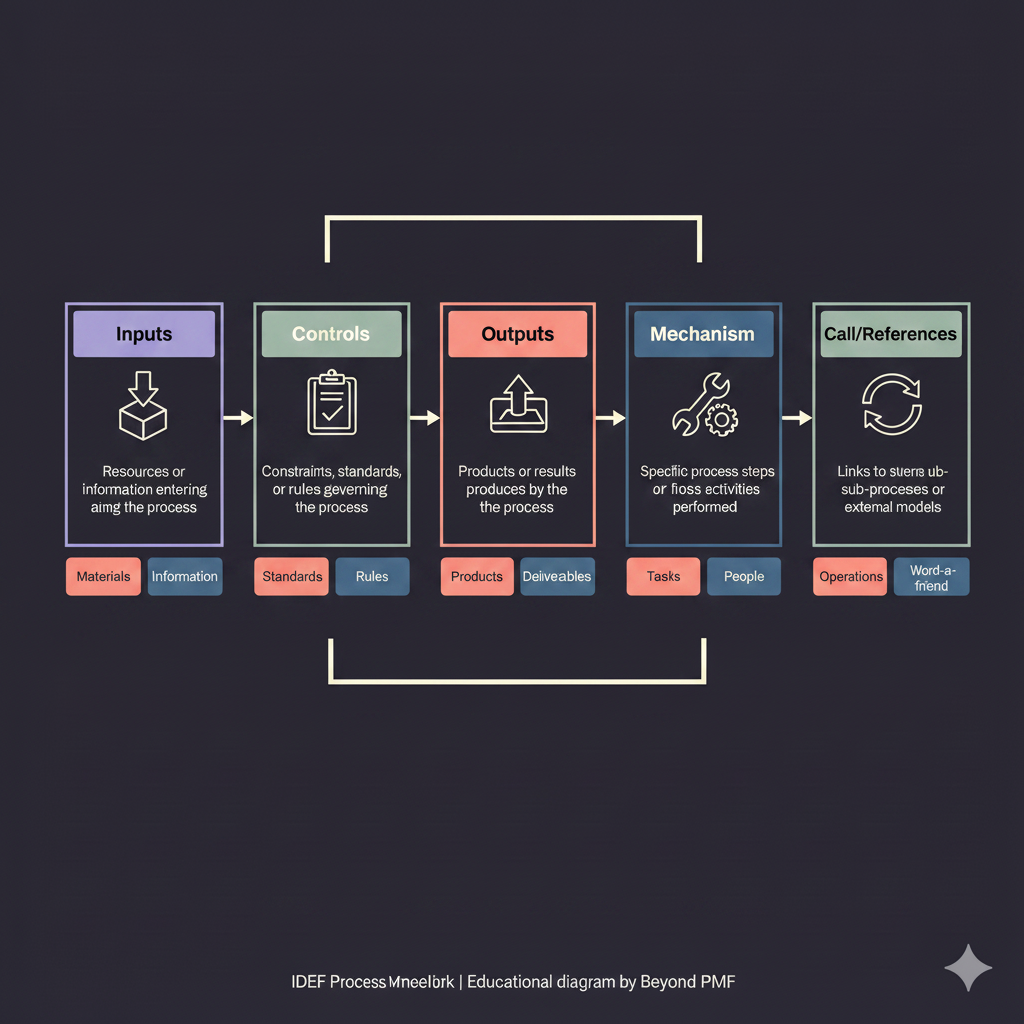
IDEF Process Modeling, or Integration Definition for Process Modeling, is a framework designed to model the decisions, actions, and activities of an organization or system. It is primarily used to establish a common understanding of processes within complex systems and to facilitate systems integration. This framework is beneficial for documenting large-scale processes and promoting organizational efficiency and effectiveness through improved process visualization and communication.
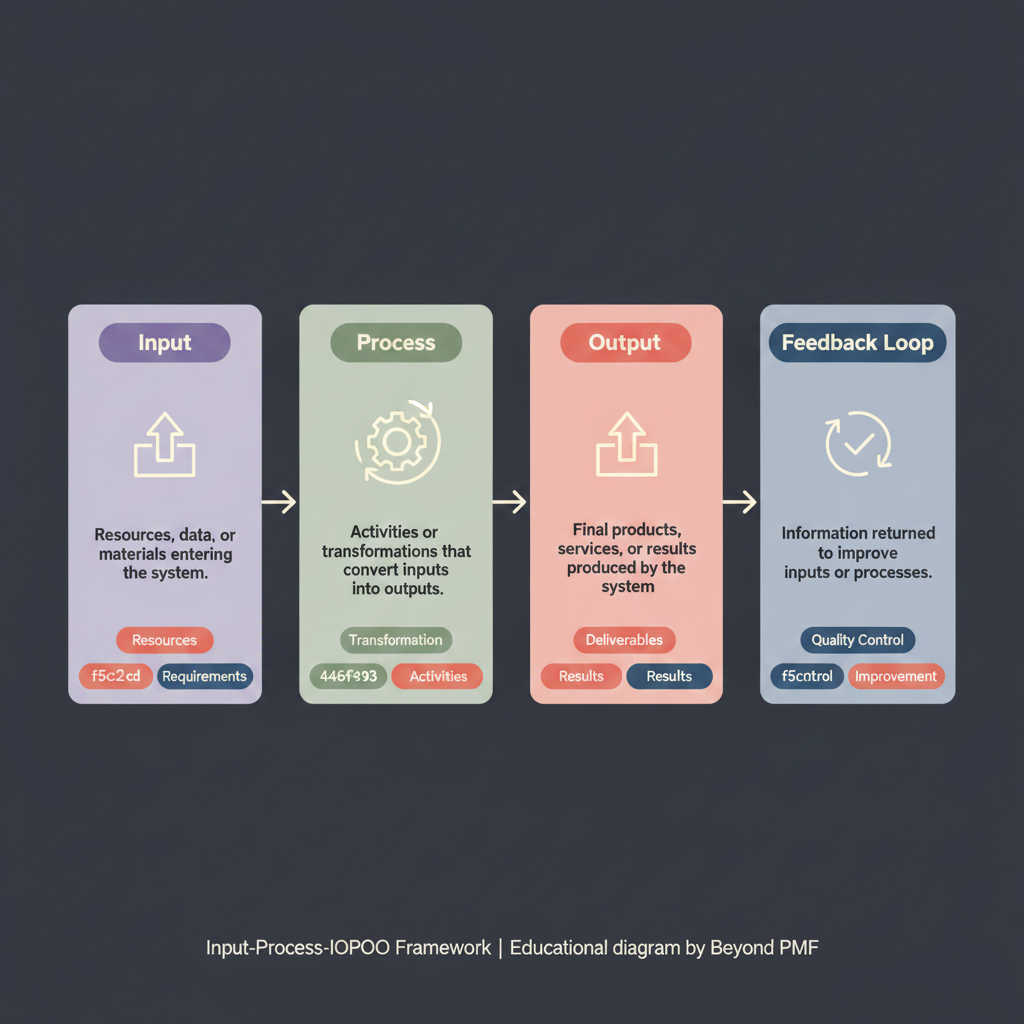
The Input-Process-Output Framework is a fundamental tool in systems analysis and business process modeling. It helps organizations identify and map out the essential elements of any process. Inputs are the resources that are used to produce outputs via a series of processes. This framework is particularly useful for improving efficiency, understanding the flow of information, and identifying areas for improvement within business operations.
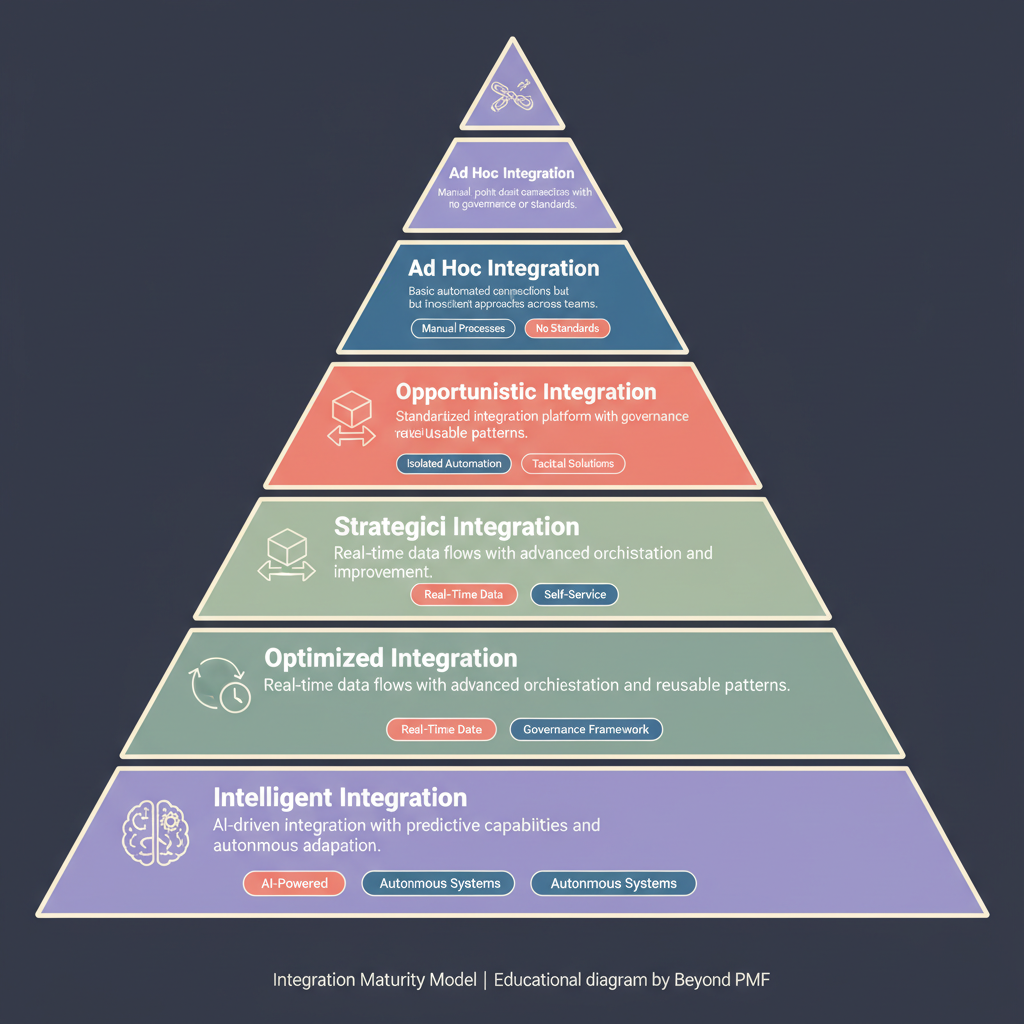
The Integration Maturity Model is a framework designed to evaluate and enhance the integration capabilities within an organization. It provides a structured approach to assess current integration processes, identify areas for improvement, and implement best practices. The model helps organizations streamline their operations, improve data consistency, and enhance communication across different systems and departments, ultimately leading to increased operational efficiency and better decision-making.

The Ishikawa Diagram is a visual framework that helps teams systematically identify and present all possible causes of a specific problem. It is structured to resemble a fish's skeleton, with the problem at the head and the potential causes extending as ribs from the main bone. This method encourages thorough analysis and helps teams focus on different aspects of the problem, including people, processes, and technology, facilitating a comprehensive exploration of potential root causes.
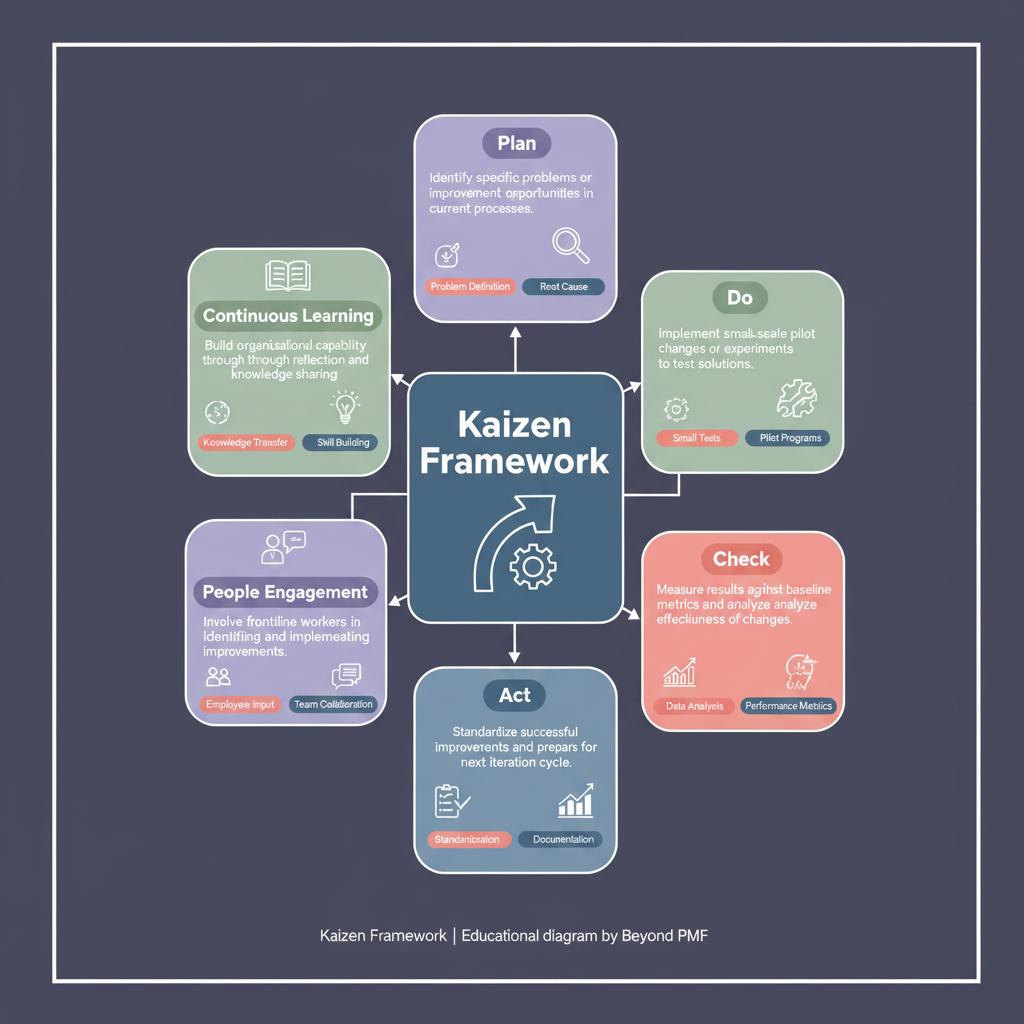
The Kaizen Framework is a philosophy and set of practices centered on continuous improvement in the workplace. Originating in Japan, it emphasizes small, consistent changes that lead to major improvements over time. Businesses adopt Kaizen to boost productivity, reduce waste, and enhance employee satisfaction through a culture that actively engages all members in suggesting and implementing improvements.
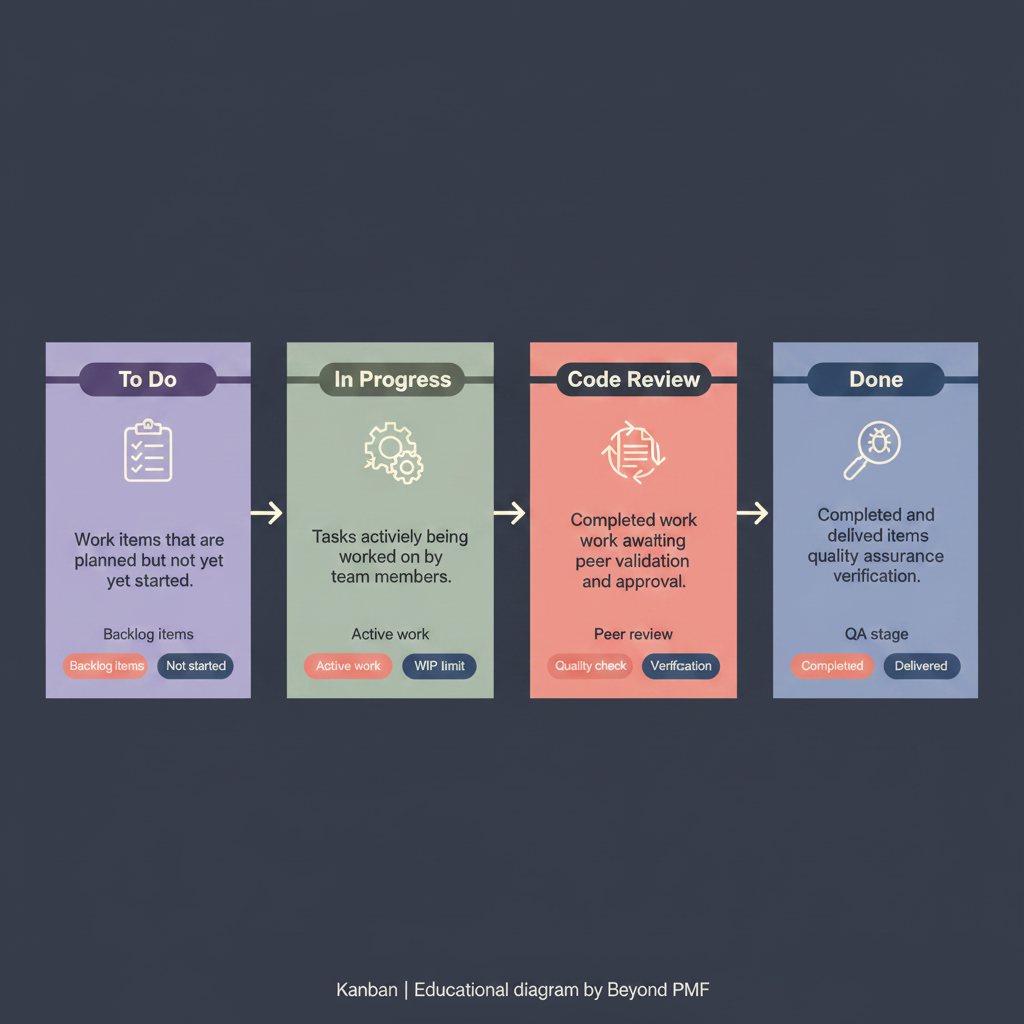
Kanban is a popular framework used primarily in software development and other fields that require task management. It involves visualizing work on a Kanban board, allowing teams to see the state of every piece of work at any time. This transparency helps improve efficiency by limiting work in progress and maximizing flow. The framework is highly adaptable, making it suitable for teams of various sizes and industries.
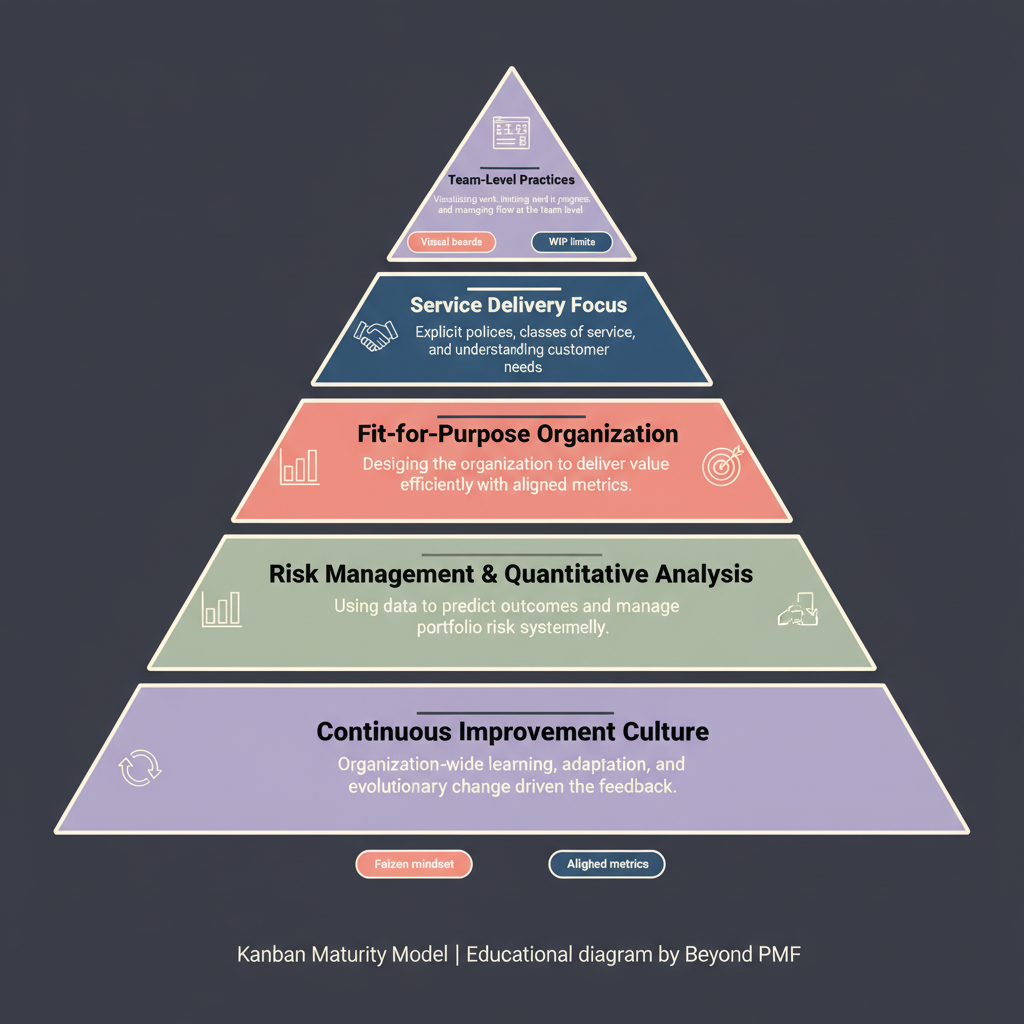
The Kanban Maturity Model is a framework that provides organizations with a roadmap to gradually improve their process capabilities through effective use of Kanban systems. It outlines a series of maturity levels, from initial visualization and workflow management to optimized and adaptive Kanban systems. The model helps organizations identify their current level of maturity and offers guidance on progressing to higher levels, thereby improving service delivery, predictability, and overall business agility.
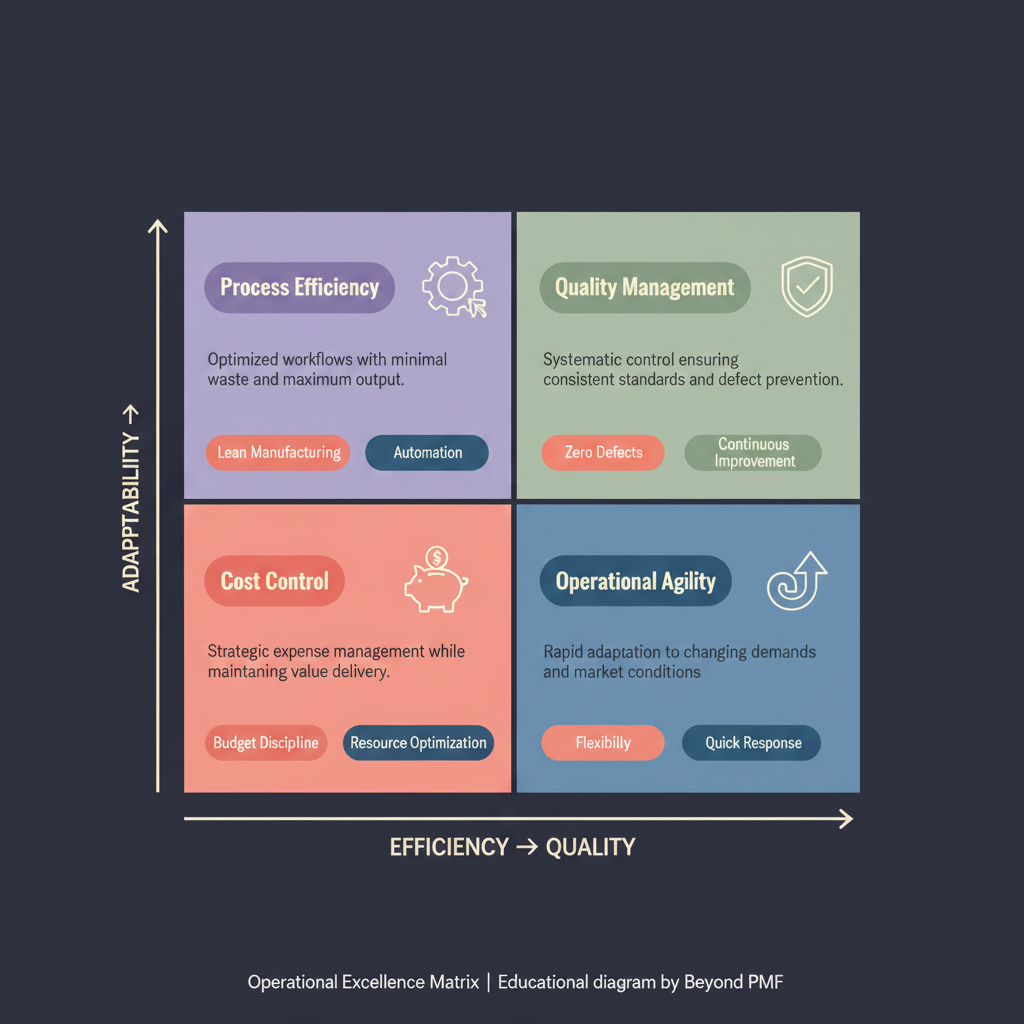
The Operational Excellence Matrix is a framework designed to help organizations assess and improve their operational processes. It focuses on identifying areas of strength and weakness across various dimensions such as quality, speed, cost, and innovation. By evaluating these dimensions, companies can develop targeted strategies to optimize performance, reduce waste, and enhance overall productivity. The framework is widely used due to its structured approach in driving continuous improvement and operational excellence.

The PDCA Cycle stands for Plan-Do-Check-Act, a four-step management method used in business for the control and continuous improvement of processes and products. It is a cyclical methodology that promotes systematic problem solving and process optimization. The PDCA Cycle is widely used because it encourages a disciplined approach to problem-solving and helps organizations identify and test hypotheses about what changes can improve outcomes.
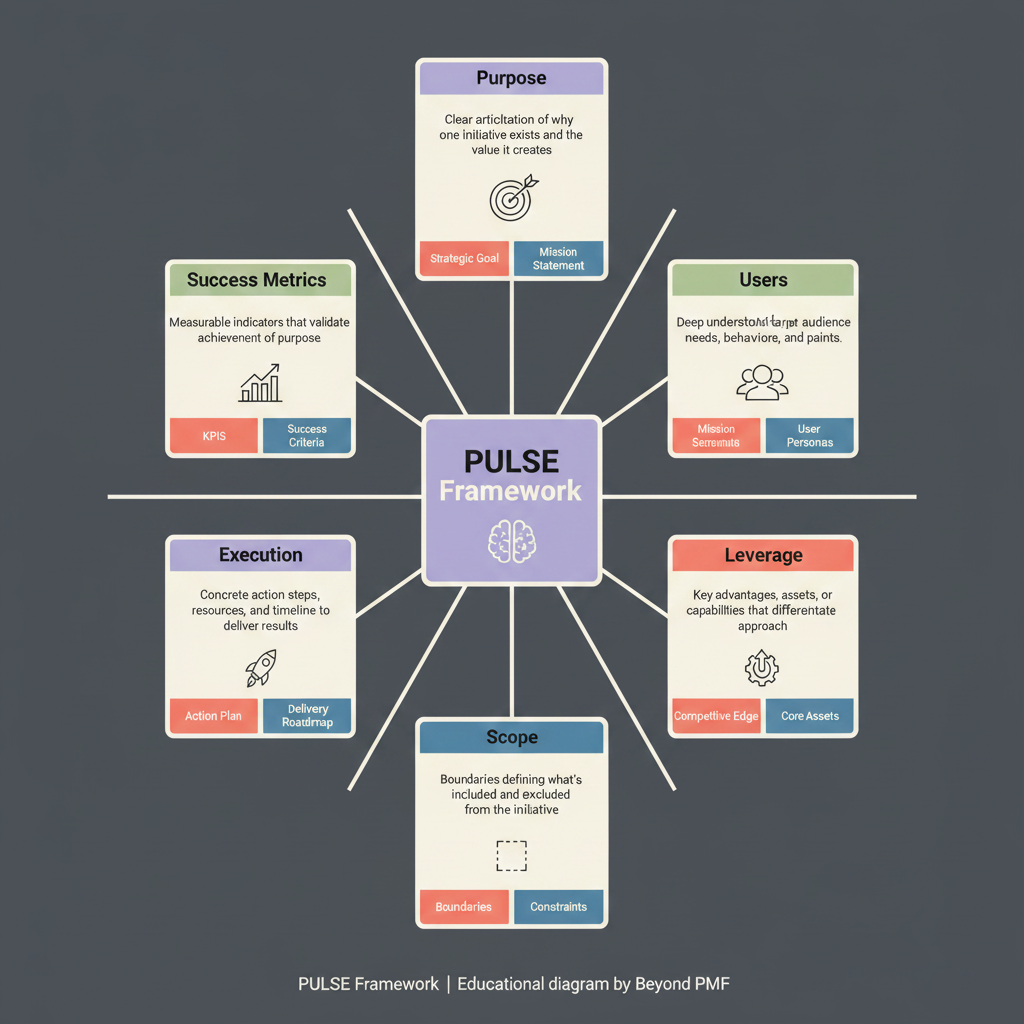
The PULSE Framework is a comprehensive approach designed to help organizations assess, plan, and execute strategies for improvement and efficiency. It stands for Prepare, Understand, Launch, Sustain, and Evaluate. This framework is particularly beneficial for its structured yet flexible approach to problem-solving and continuous improvement, making it applicable across various industries and business sizes.
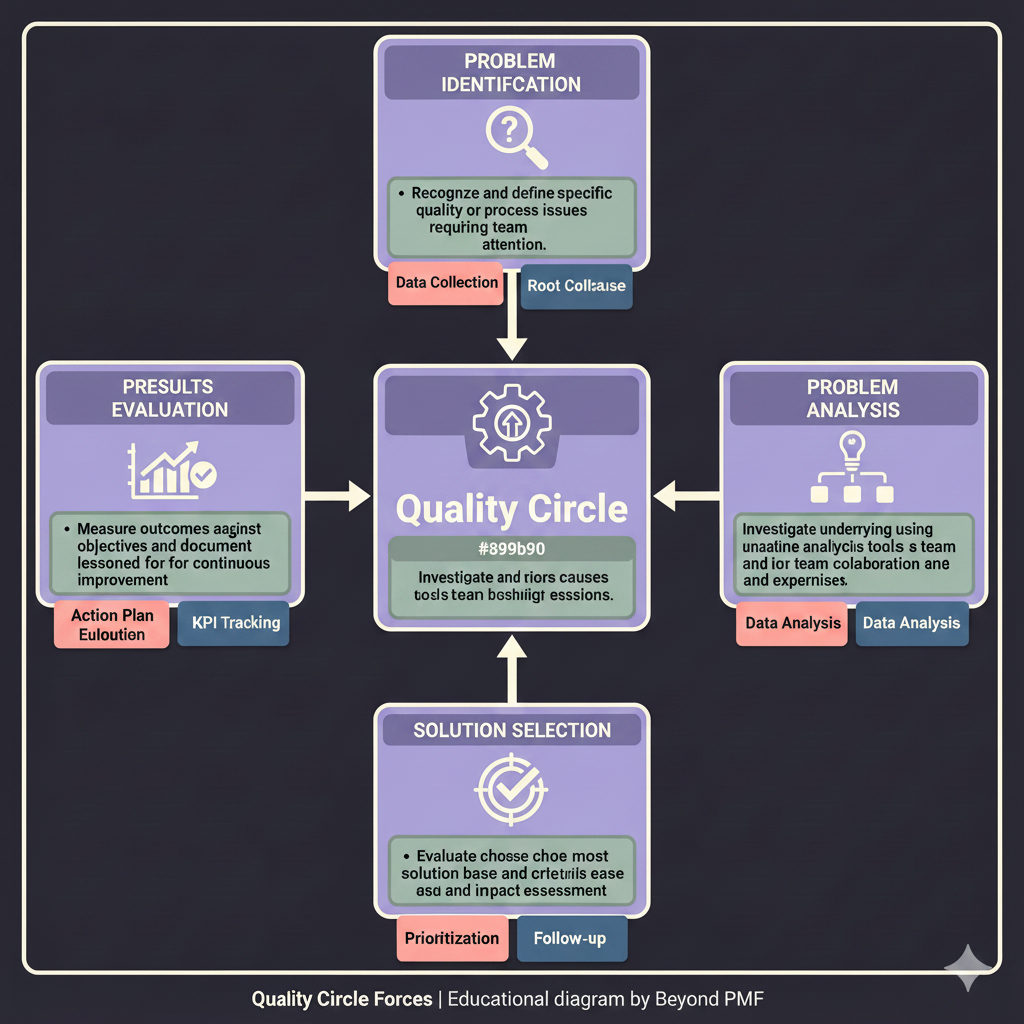
A Quality Circle is a group of workers who voluntarily meet to discuss and solve problems related to their work. Originating in Japan, this framework aims to harness the collective intelligence and insights of employees to identify, analyze, and solve work-related issues, particularly those affecting quality and productivity. The approach fosters a sense of ownership and collaboration among team members, leading to enhanced job satisfaction and organizational efficiency.
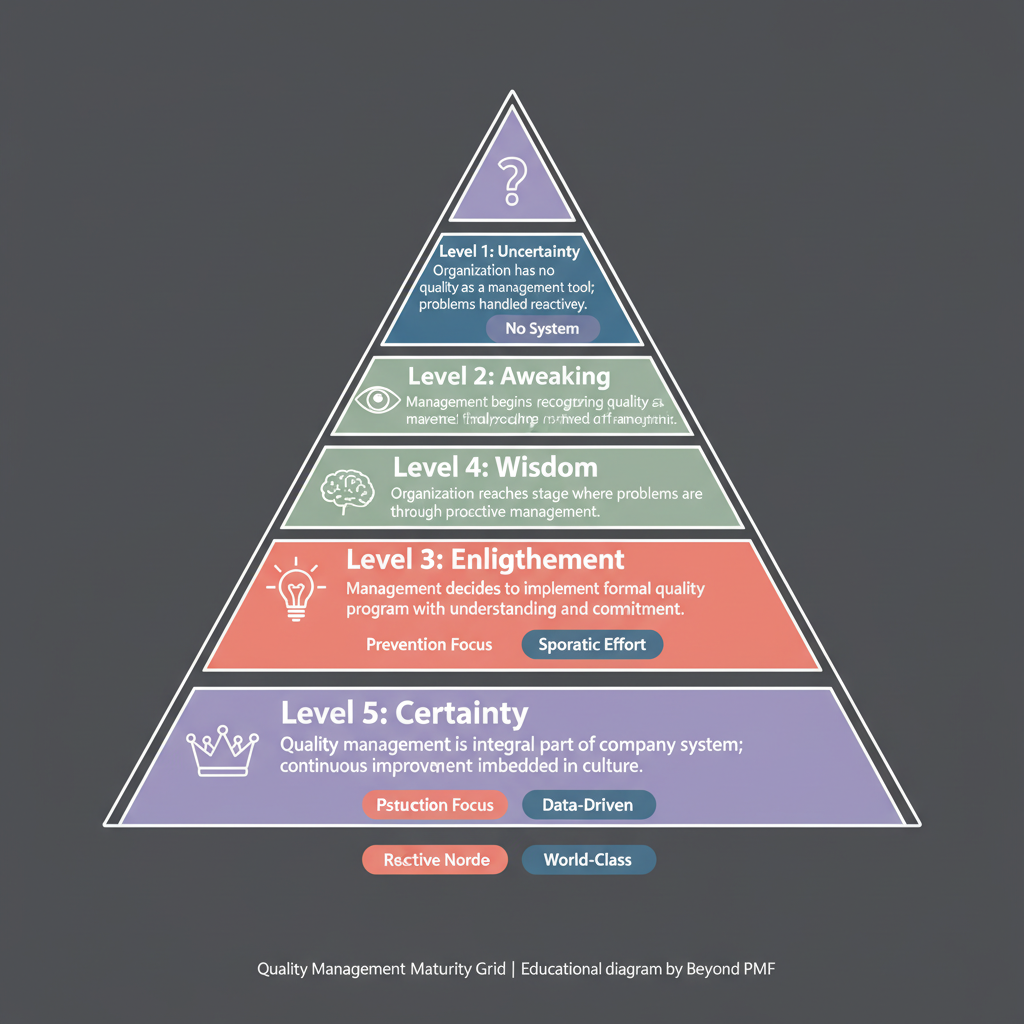
The Quality Management Maturity Grid is a tool developed to help organizations evaluate the current effectiveness of their quality management systems and identify areas for improvement. By mapping out different levels of quality maturity, it guides organizations in progressing from initial, ad hoc practices to optimized, sustainable processes. This framework is beneficial for ensuring consistent quality improvements and aligning quality management practices with organizational goals.
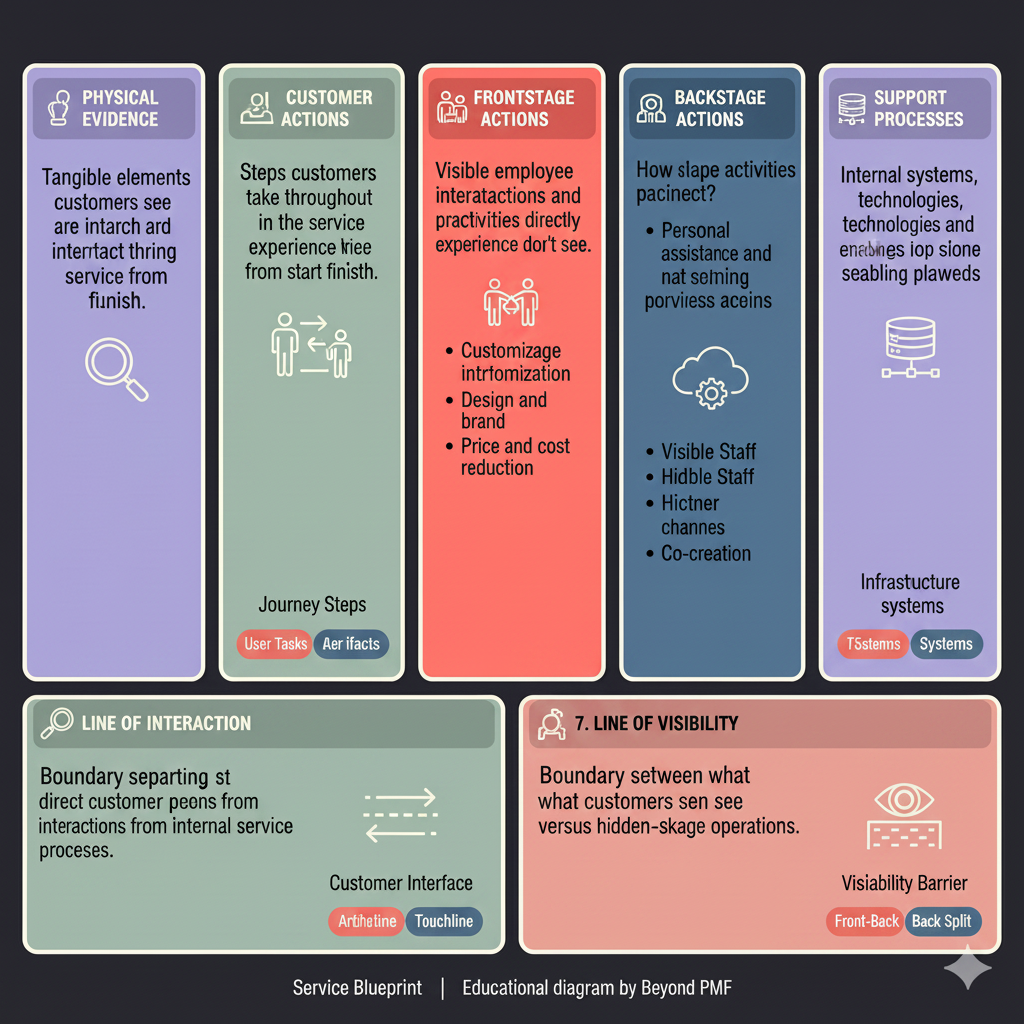
A Service Blueprint is a detailed diagram that visually depicts the service delivery process, highlighting the customer interactions and the roles of frontstage and backstage staff. It is used to gain a comprehensive understanding of the service process, identify potential bottlenecks, and enhance the overall service experience. This framework is beneficial for improving service efficiency, enhancing customer satisfaction, and facilitating cross-functional collaboration.
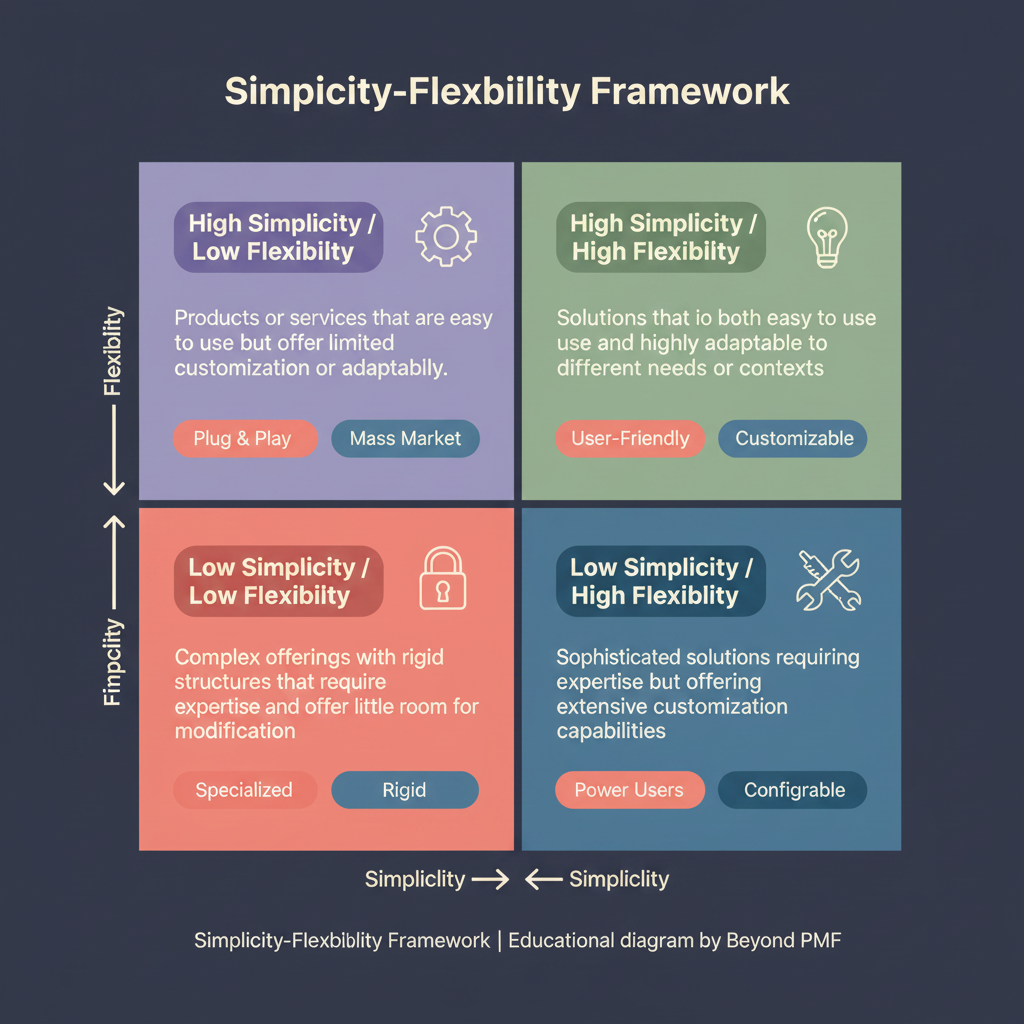
The Simplicity-Flexibility Framework is designed to help organizations achieve a balance between streamlined, easy-to-implement processes and the ability to adapt to changing circumstances. This framework is particularly useful in dynamic business environments where agility and simplicity are both critical for success. It encourages businesses to develop clear, simple procedures that can be easily modified as needed, enhancing both efficiency and responsiveness.
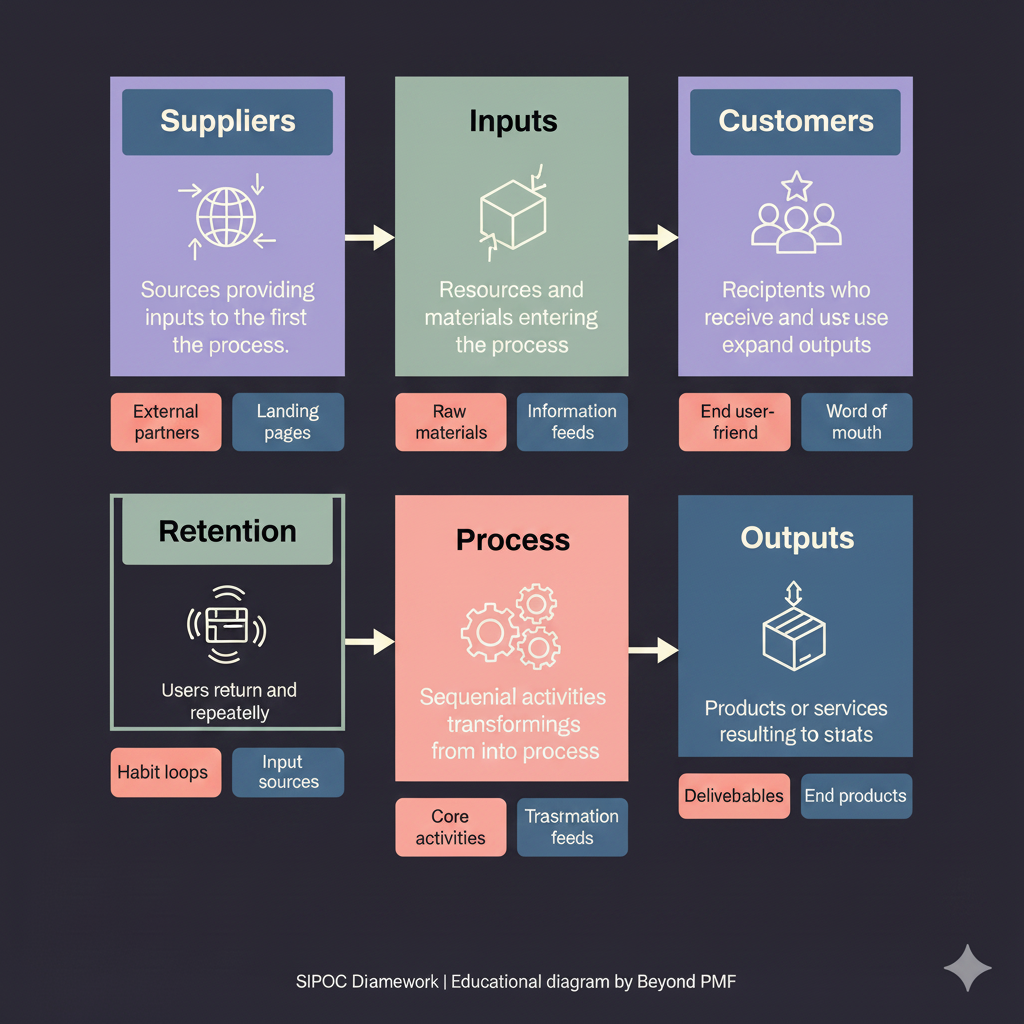
A SIPOC Diagram is a comprehensive framework that stands for Suppliers, Inputs, Process, Outputs, and Customers. It helps organizations to visually map out all relevant elements of a process before it begins. This diagram is primarily used to give everyone involved a high-level overview of the process, ensuring that all aspects are considered and understood. The SIPOC diagram is particularly beneficial in identifying errors and inefficiencies, aligning process improvements with customer requirements, and fostering clear communication among stakeholders.
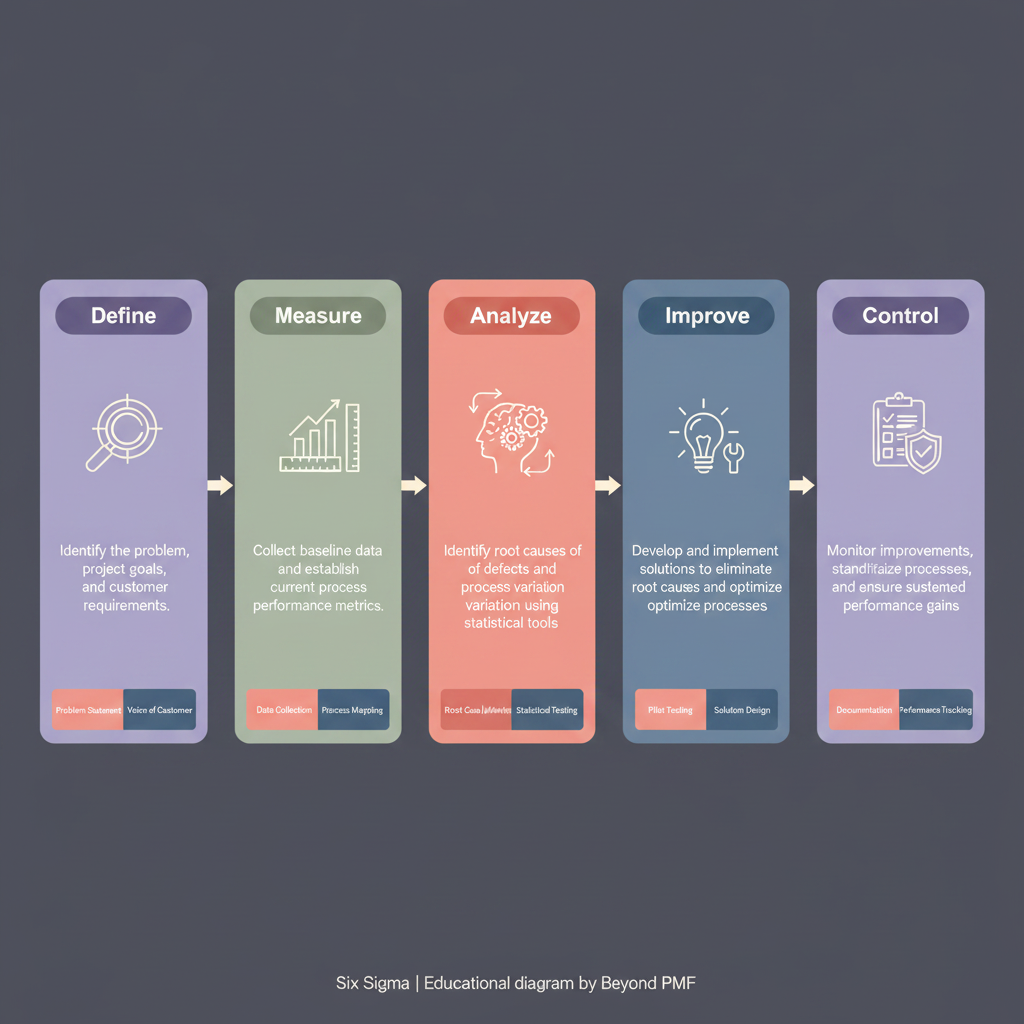
Six Sigma is a set of techniques and tools for process improvement, originally developed by Motorola in 1986. It seeks to improve the quality of output by identifying and removing the causes of defects and minimizing variability in manufacturing and business processes. It uses a range of quality management methods, mainly empirical, statistical methods, and creates a special infrastructure of people within the organization who are experts in these methods. The benefits of implementing Six Sigma include increased customer satisfaction, reduced operational costs, and improved product quality.
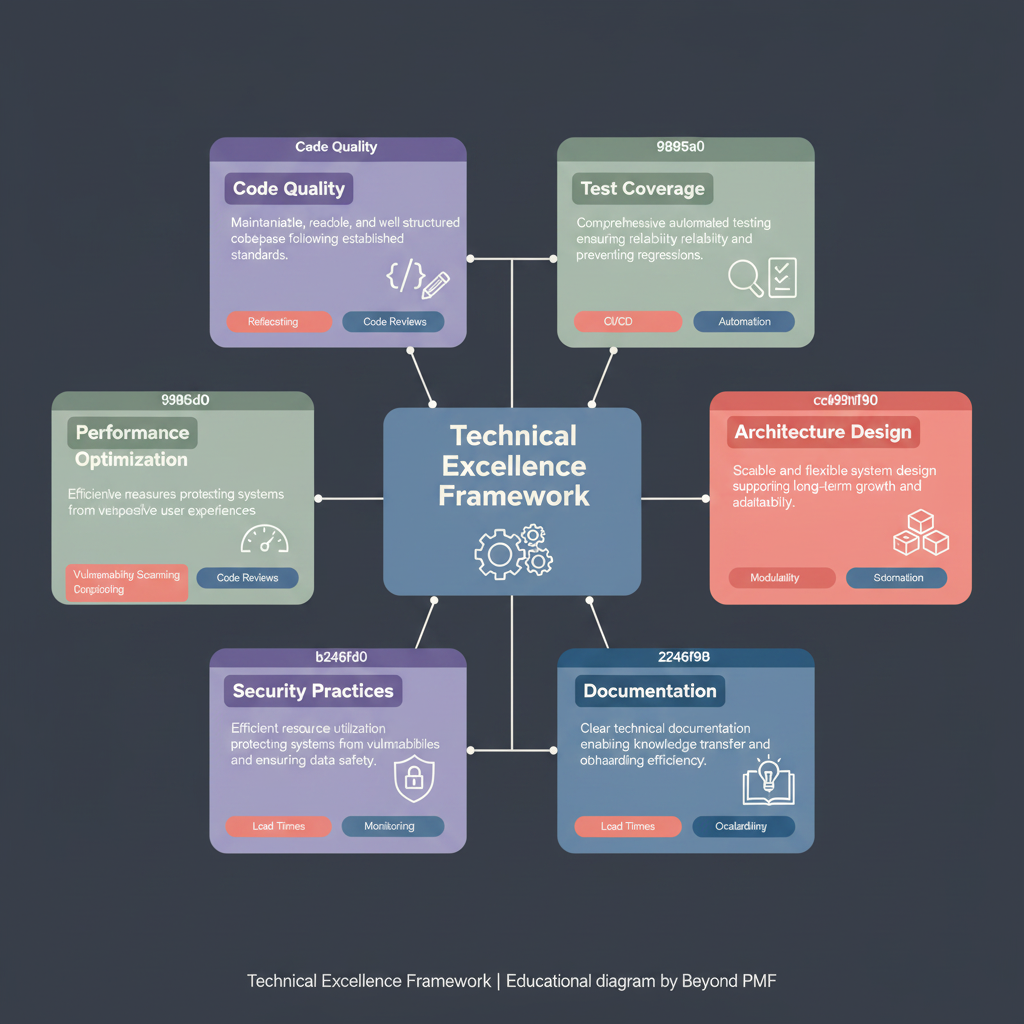
The Technical Excellence Framework is a comprehensive set of practices and principles designed to enhance the technical capabilities of an organization. It focuses on continuous improvement, innovation, and maintaining high standards in technical work. The framework helps organizations to systematically improve their technical skills, processes, and tools, ensuring they remain competitive and effective in their respective industries.
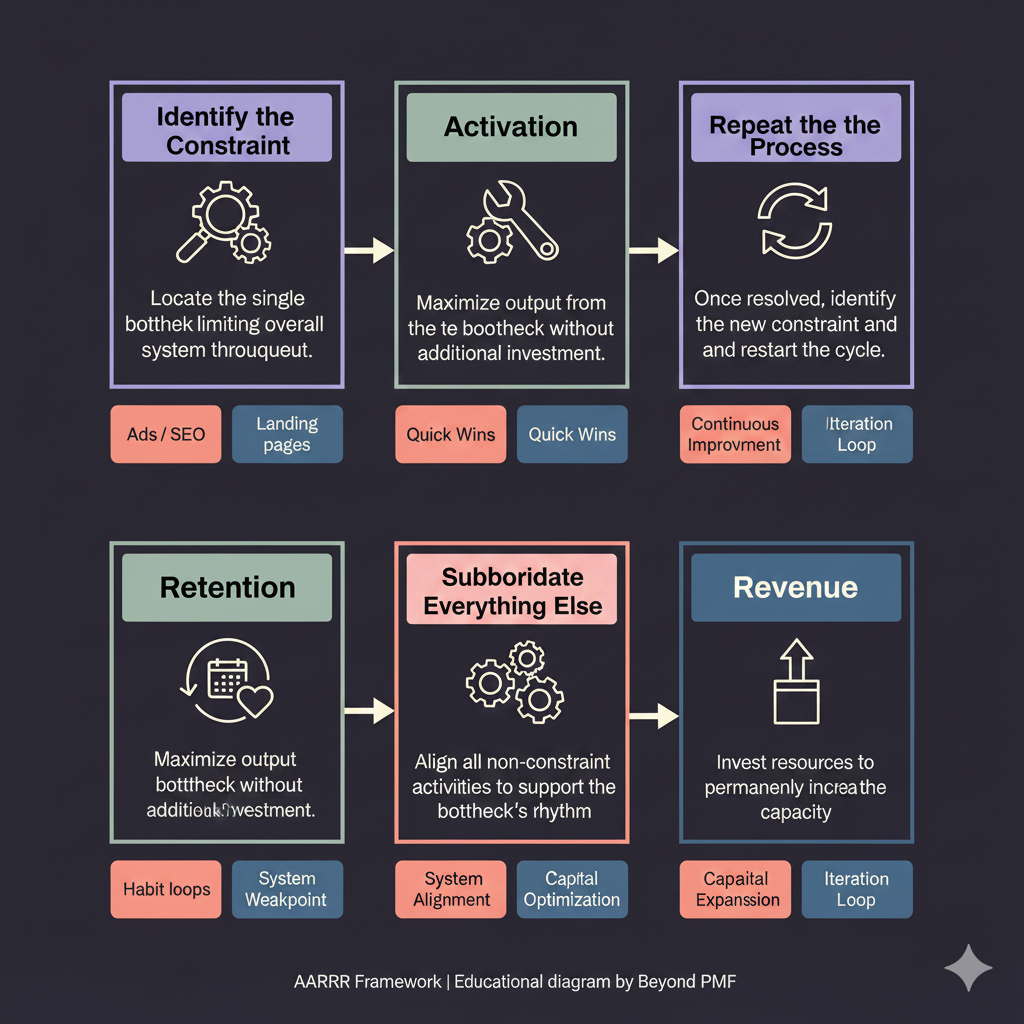
The Theory of Constraints (TOC) is a methodology for identifying the most critical limiting factor (i.e., constraint) that stands in the way of achieving a goal and systematically improving that constraint until it is no longer the limiting factor. Developed by Dr. Eliyahu M. Goldratt in his 1984 book titled 'The Goal', TOC is used across various industries to improve organizations' performance by strategically focusing on bottleneck processes. The benefits of applying TOC include improved decision-making, increased throughput, reduced operational expenses, and enhanced organizational performance.
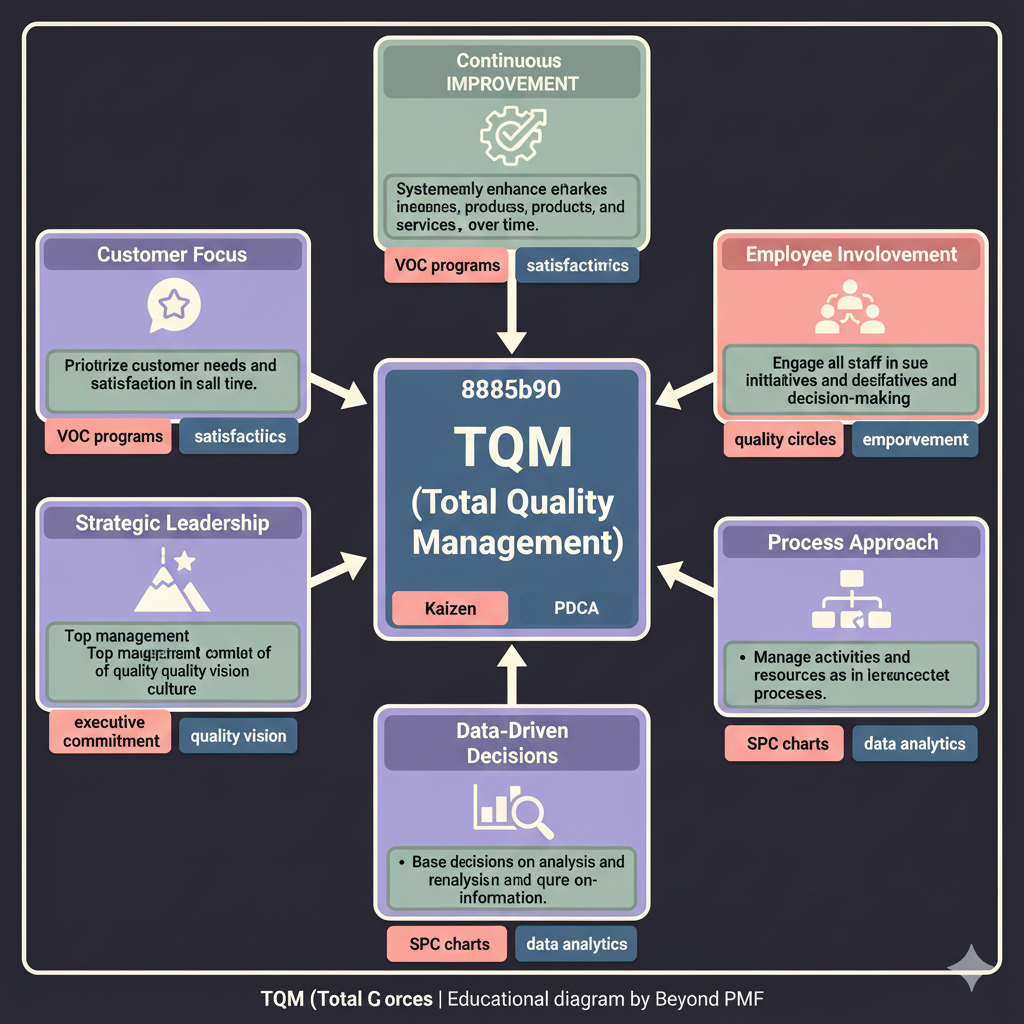
Total Quality Management (TQM) is an extensive and structured approach to organizational management that seeks to improve the quality of products and services through ongoing refinements in response to continuous feedback. TQM requirements may involve the use of quality management tools like Six Sigma methodologies and quality control circles to facilitate and streamline this continuous improvement. The primary goal is enhancing customer satisfaction, which inherently drives a decrease in product defects and an increase in efficiencies across the organization.
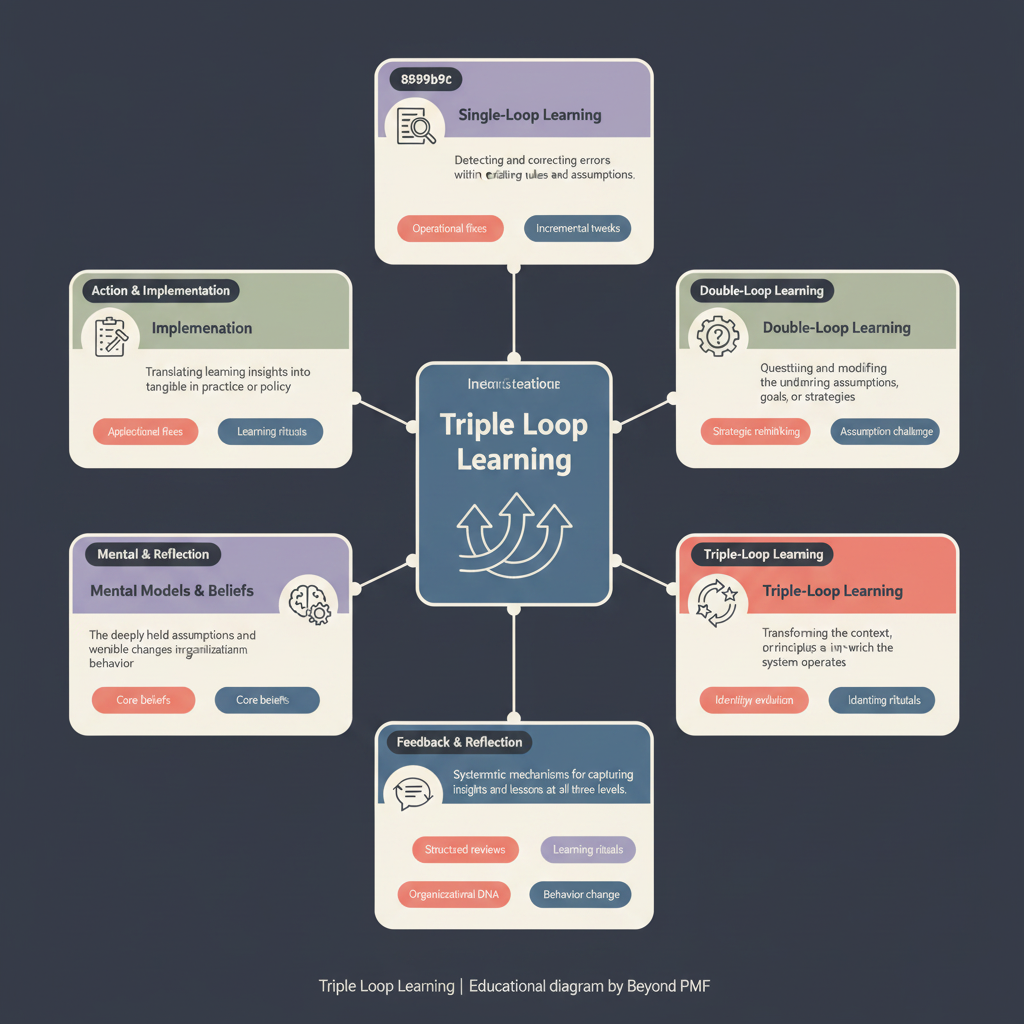
Triple Loop Learning is an advanced learning framework that extends beyond simple problem-solving to deeply analyze the effectiveness of decision-making processes. It encourages individuals and organizations to not only reflect on their actions (single-loop learning) and strategies (double-loop learning), but also to critically evaluate their underlying assumptions and values (triple loop). This introspective approach fosters more adaptive and flexible strategies, leading to sustainable long-term improvements.
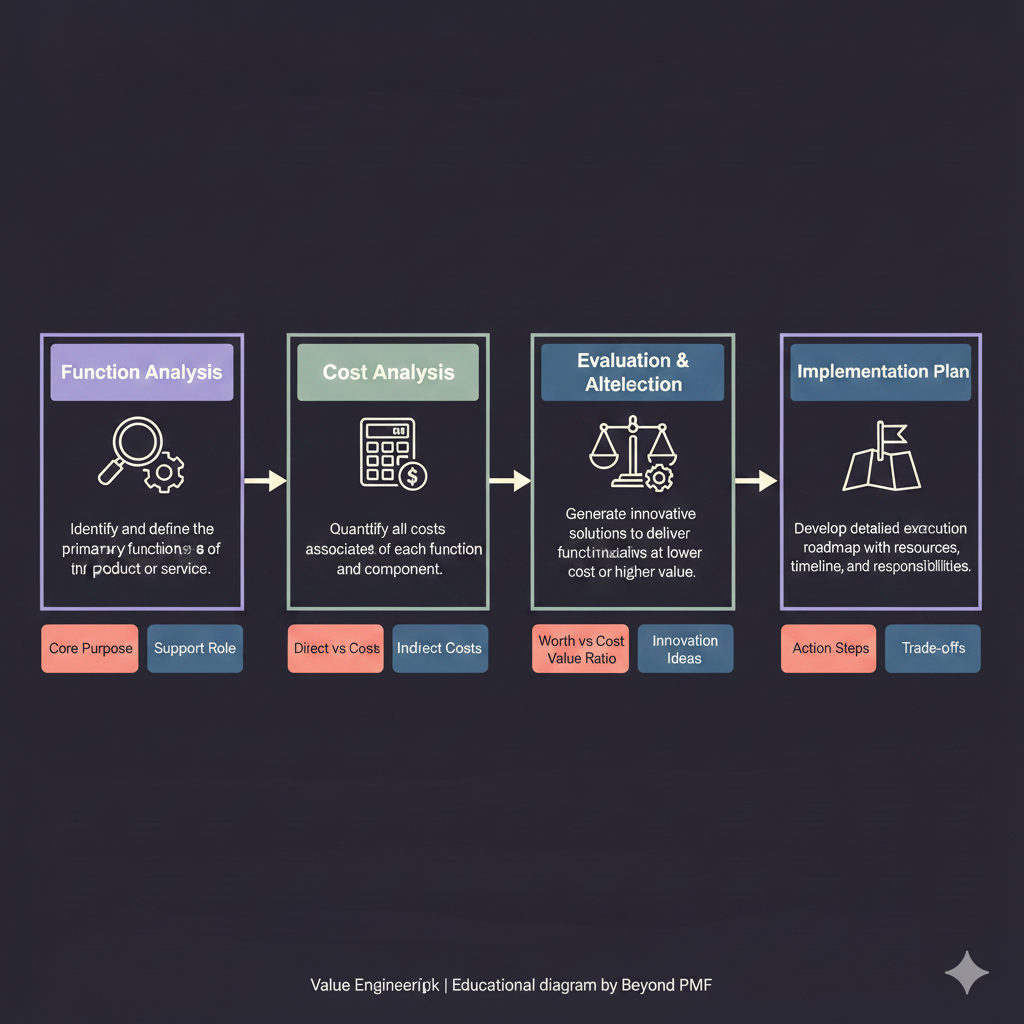
Value Engineering (VE) is a structured process aimed at optimizing projects, products, or processes by analyzing their functions and identifying ways to reduce costs while maintaining or improving quality and performance. It is used to enhance value by examining the balance between cost, reliability, and performance of a product or service. The benefits of VE include reduced costs, improved product functionality, and increased customer satisfaction.

The Z-Model is a conceptual framework used to streamline various aspects of business operations, from strategic planning to execution. It emphasizes a systematic approach to align business activities with overarching goals, ensuring that every step contributes effectively towards the end objectives. The framework is beneficial for organizations looking to enhance efficiency, improve communication across departments, and achieve sustainable growth.