
User research frameworks provide structured methods to understand user goals, behaviors, and pain points. They include interviews, observation, surveys, diary studies, and triangulation with data. These frameworks are crucial in discovery and continuous product improvement. Use them to ground decisions in evidence and reduce assumption-driven risk.

Ajzen's Theory of Planned Behavior is a prominent psychological framework used to predict and understand human behavior in specific contexts. It posits that behavior is driven not only by intentions but also by attitudes toward the behavior, subjective norms, and perceived behavioral control. This theory helps in designing better behavioral interventions by understanding the factors influencing decision-making processes. It is particularly beneficial in areas such as health psychology, marketing, and environmental behavior.
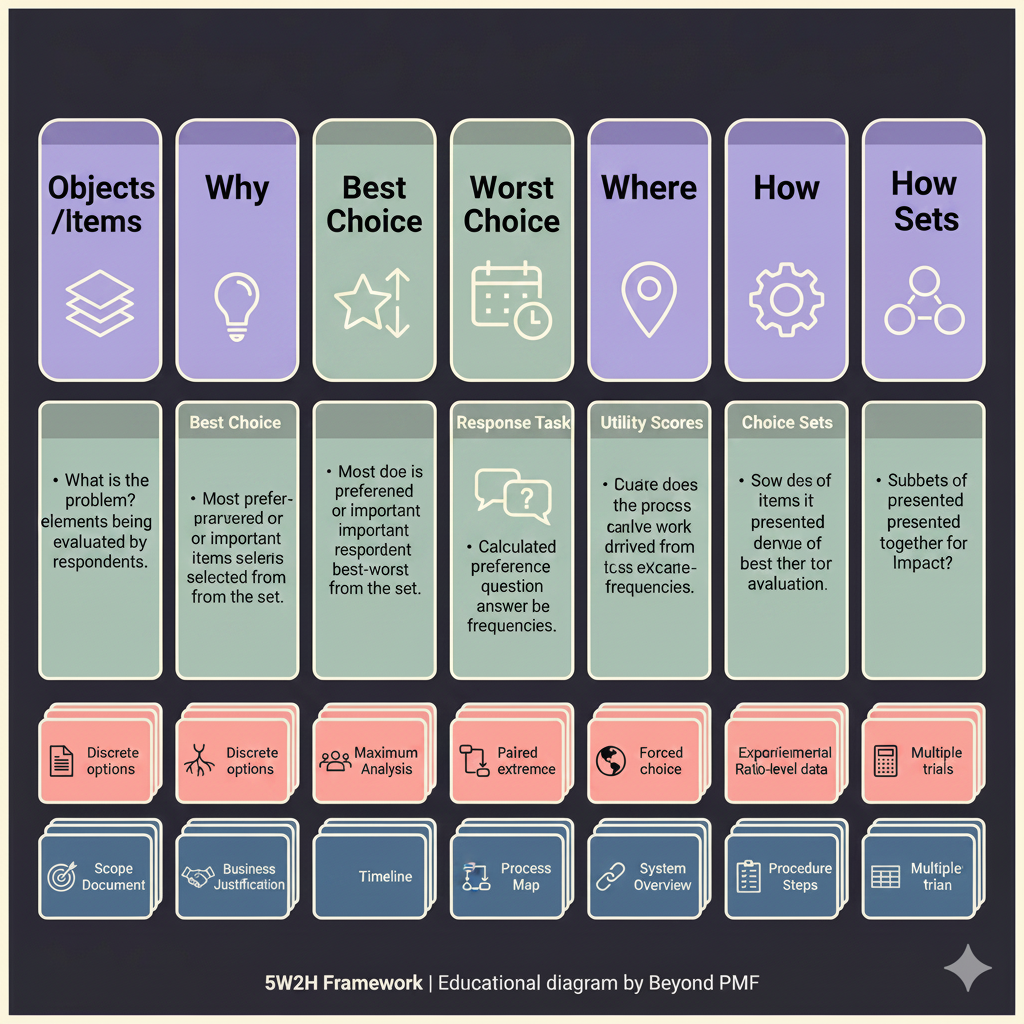
Best-Worst Scaling, also known as MaxDiff analysis, is a survey method used to derive preference/importance scores for a list of items. Participants are shown sets of items and asked to indicate the best and worst items (or most and least important, most and least appealing, etc.) within each set. This method helps in reducing response biases typical of traditional rating scales and provides a more discriminative data on the relative preference or importance of the listed items.
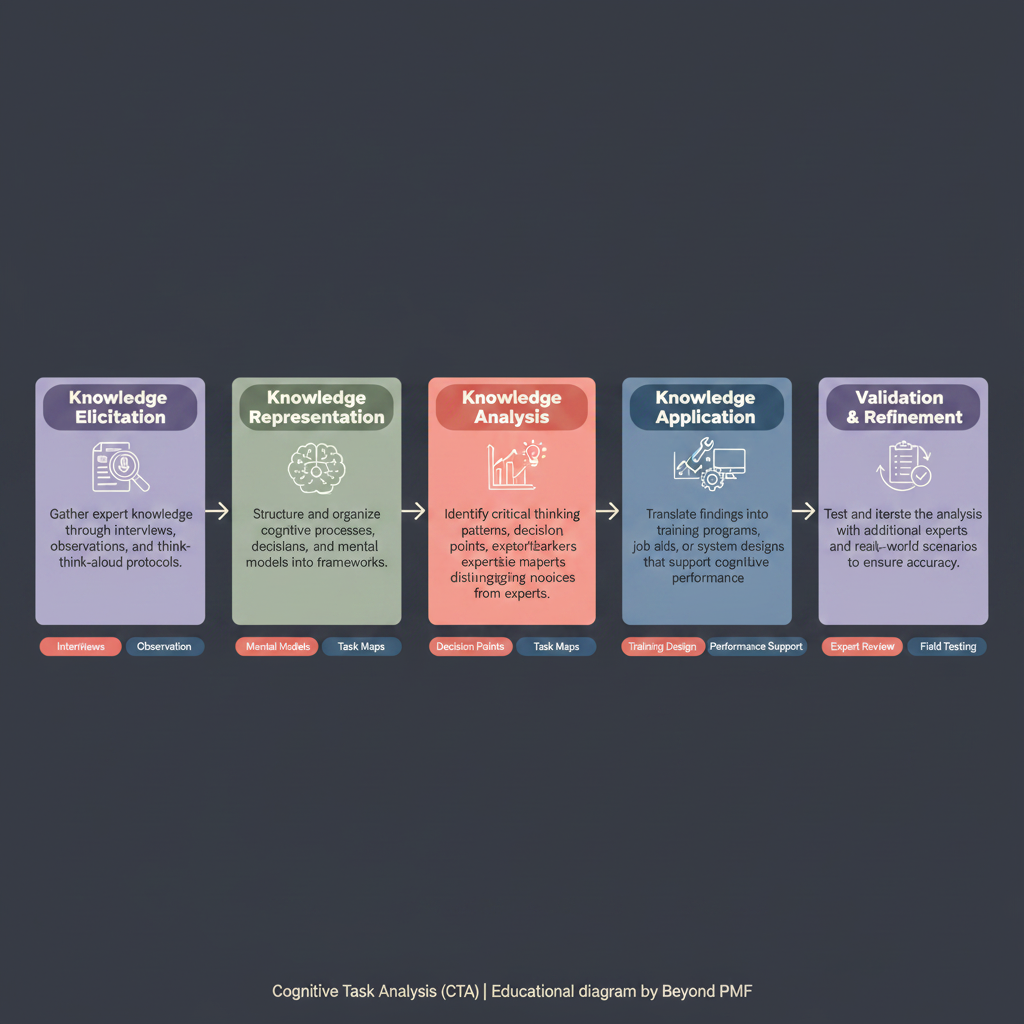
Cognitive Task Analysis (CTA) is a set of procedures used to understand the thought processes involved in task execution. It aims to uncover the cognitive skills, strategies, and knowledge that experts use but may not be aware of or able to articulate. CTA is beneficial for designing training programs, improving performance, and creating systems that support user cognition, making it invaluable in fields such as education, military, and healthcare.
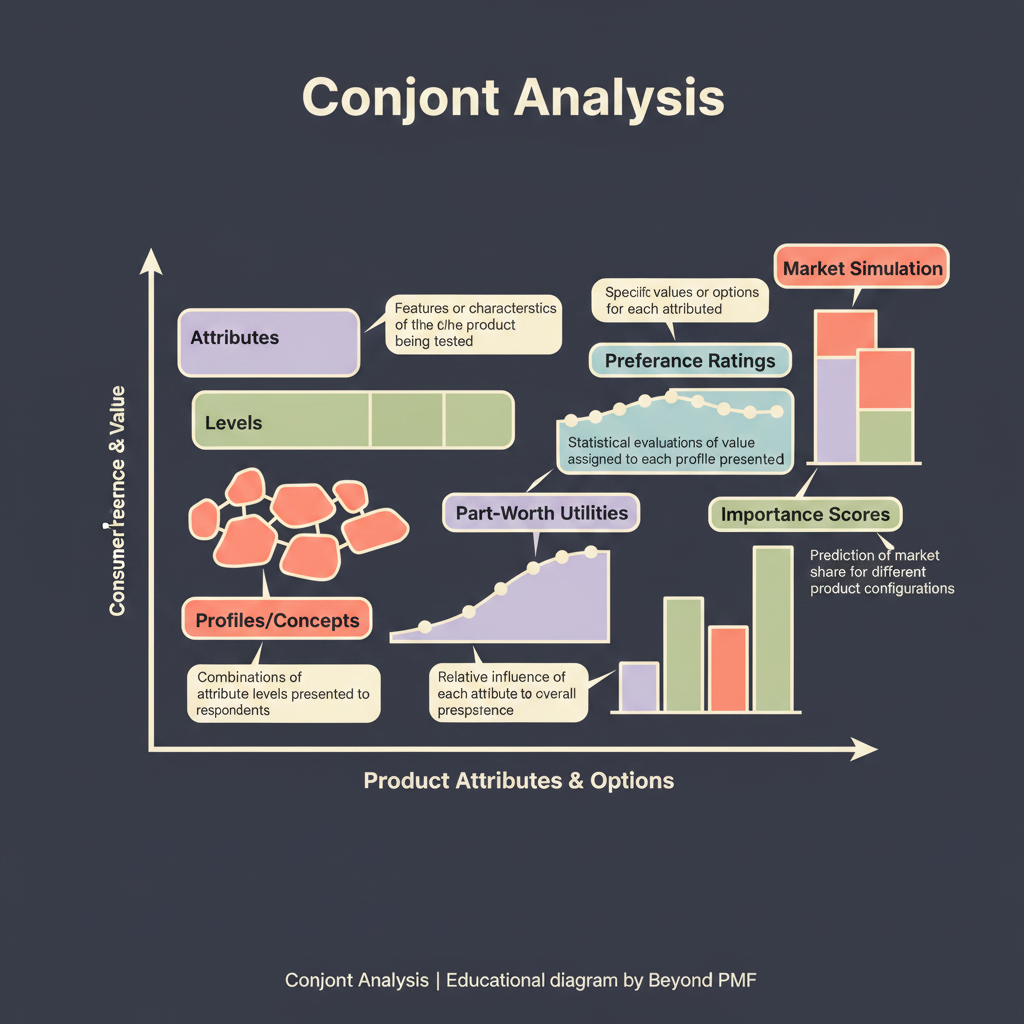
Conjoint Analysis is a survey-based statistical technique used in market research that helps determine how people value different features that make up an individual product or service. The main goal of conjoint analysis is to measure the preferences and relative importance that consumers place on various attributes of a product. This analysis helps businesses in product development, pricing strategies, and market segmentation by revealing consumer preferences and the trade-offs they are willing to make.

The Critical Incident Technique (CIT) is a flexible method used primarily in service industries to identify and analyze events that have a significant impact on an operation or outcome. By focusing on specific incidents, rather than general operations, CIT allows organizations to pinpoint areas of success and failure. This targeted analysis helps in improving service delivery, enhancing training programs, and ensuring customer satisfaction.
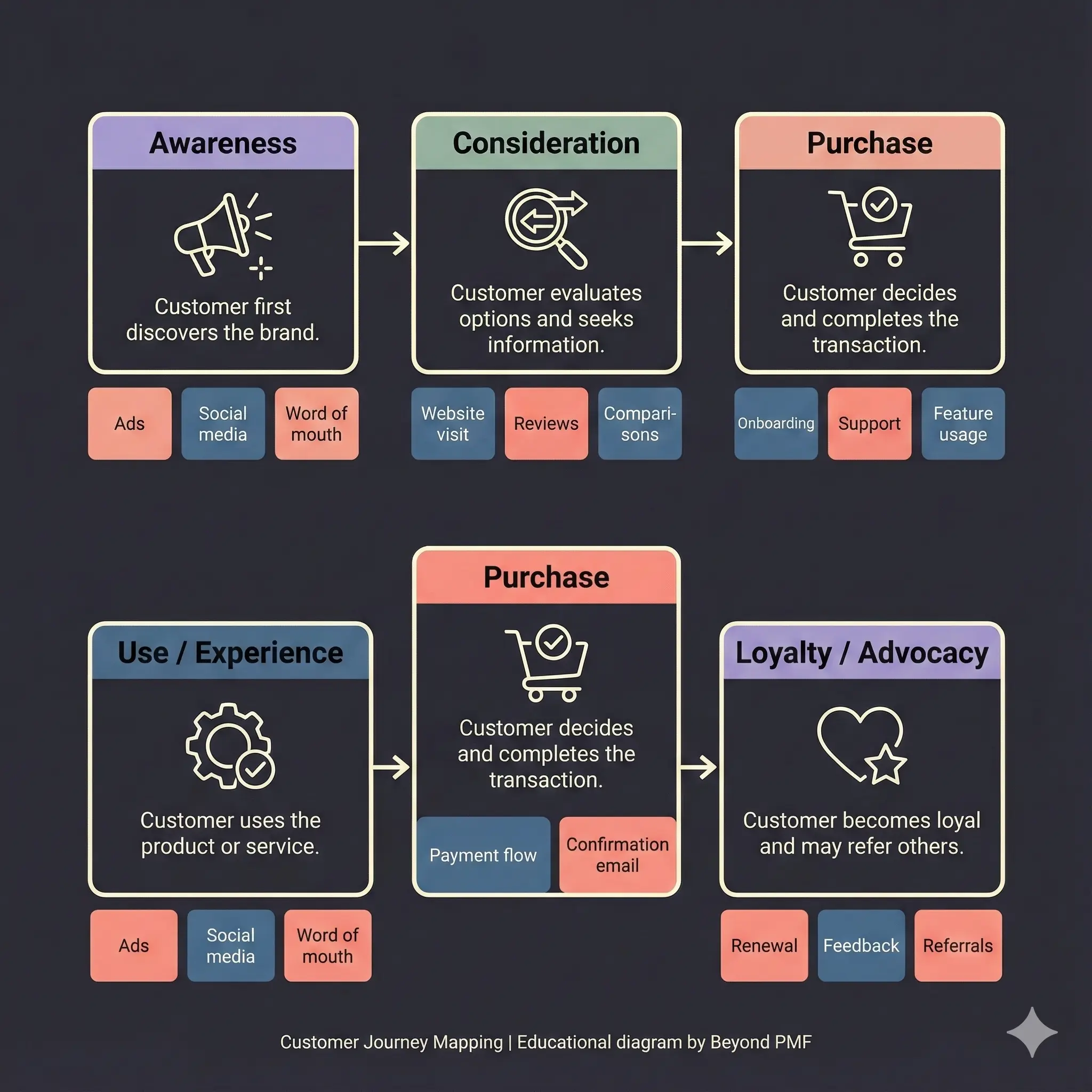
Customer Journey Mapping is a strategic approach to understanding the flow of experiences a customer has with an organization. By mapping out each touchpoint that the customer interacts with, businesses can visualize the path from initial awareness to post-purchase behavior. This framework is used to identify gaps in the customer experience, areas for improvement, and opportunities to enhance customer satisfaction and loyalty. The benefits include improved customer engagement, more efficient business processes, and increased chances of meeting and exceeding customer expectations.
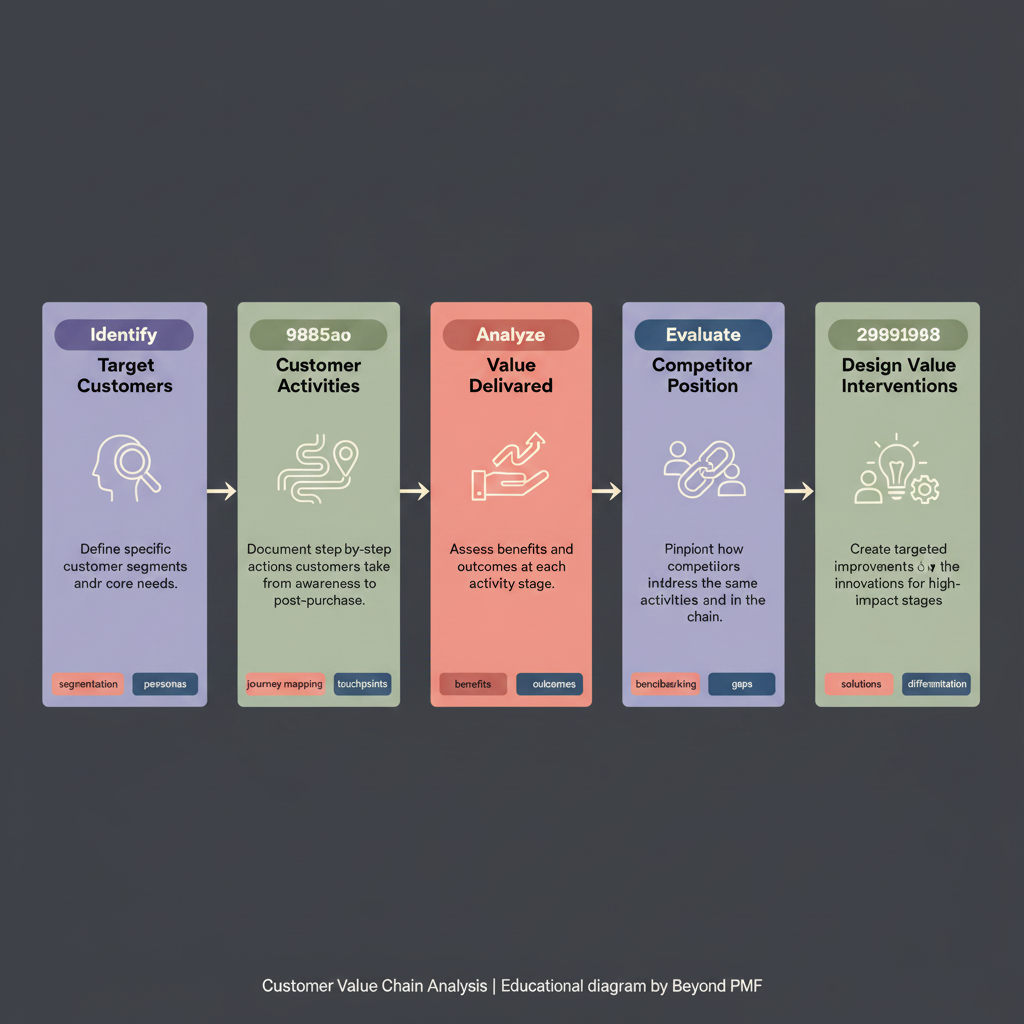
Customer Value Chain Analysis is a strategic tool used by businesses to analyze the specific activities through which firms can create value and competitive advantages. It involves mapping out the step-by-step process customers undergo from discovering a product or service to the final purchase and post-purchase interactions. This analysis helps companies identify key touchpoints that influence customer decisions and satisfaction, enabling them to enhance the customer experience, streamline operations, and increase profitability.

Empathy Mapping is a framework designed to gain deeper insights into customers' minds, helping teams understand their target audience's feelings, thoughts, and environments. This tool is commonly used in user experience (UX) design and product development to align team understanding of user needs and drive customer-centric decision-making. The benefits of using an empathy map include improved user insights, enhanced stakeholder communication, and more effective product design.
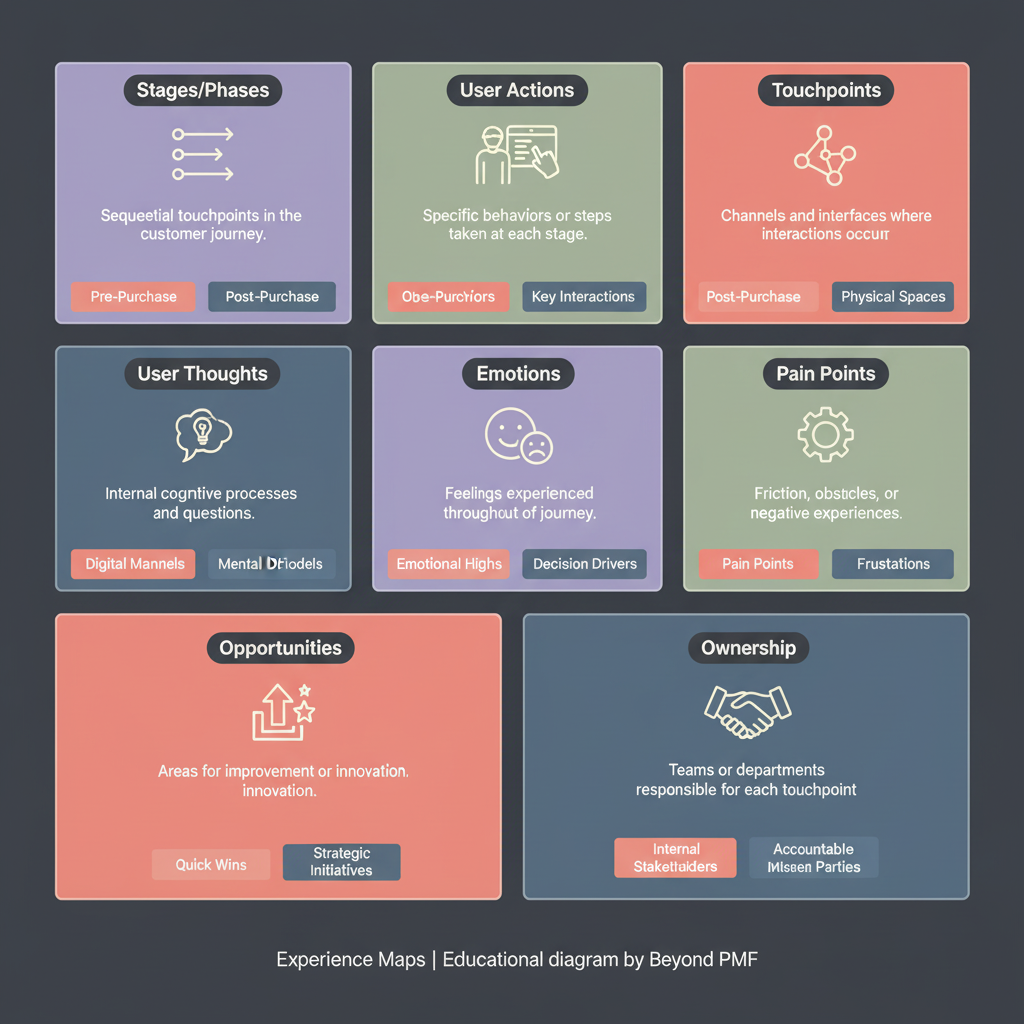
Experience Maps are comprehensive diagrams that chart the entire journey a user undergoes with a product or service, from initial awareness to post-use evaluation. This framework is used to gain deep insights into customer experiences, motivations, needs, and pain points. By visualizing the user's journey, organizations can identify opportunities for improvement and innovation, ensuring a more user-centered approach in their service delivery.
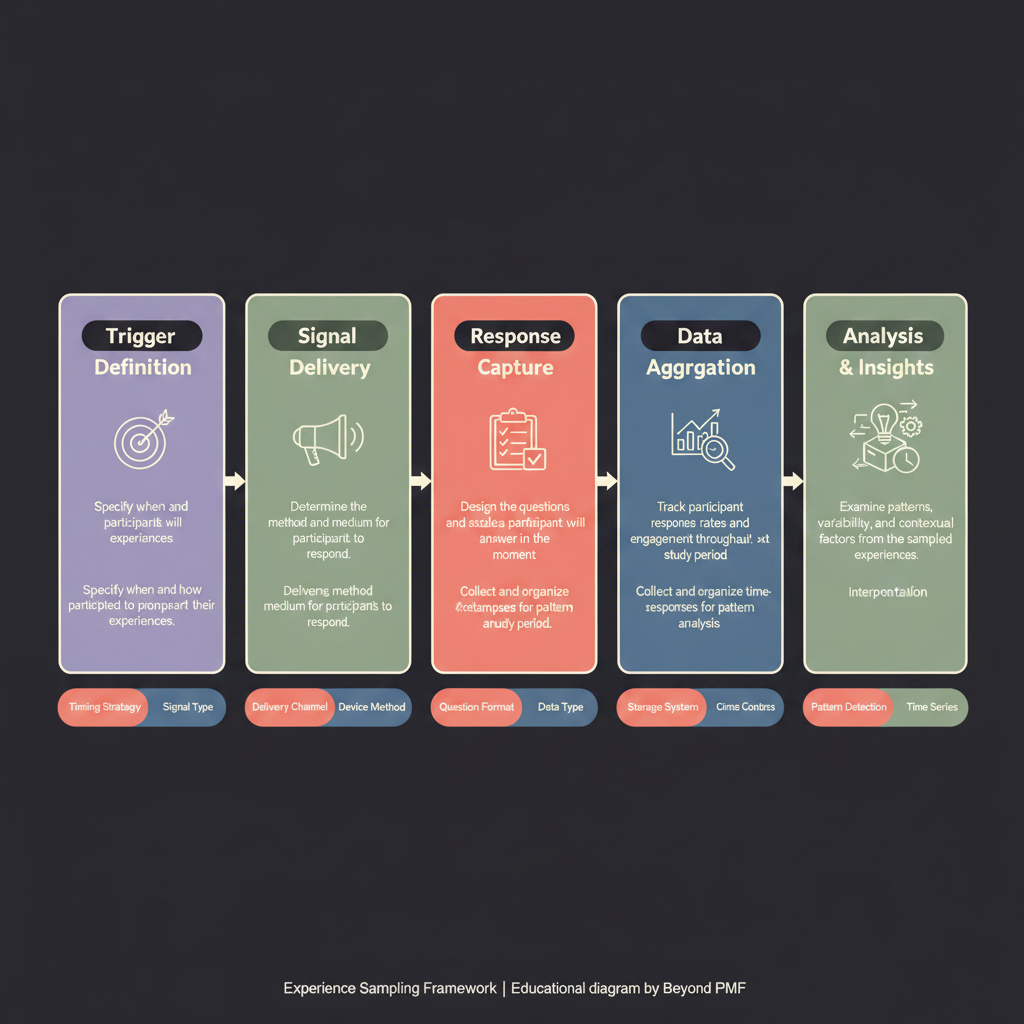
The Experience Sampling Framework (ESF) is a quantitative method that involves asking participants to report their thoughts, feelings, and behaviors at random intervals over a period of time. This approach allows researchers to capture data in the moment, reducing recall bias and providing a more accurate representation of participants' experiences. ESF is widely used in psychology, market research, and user experience studies to understand how people interact with their environments and how their experiences change over time.
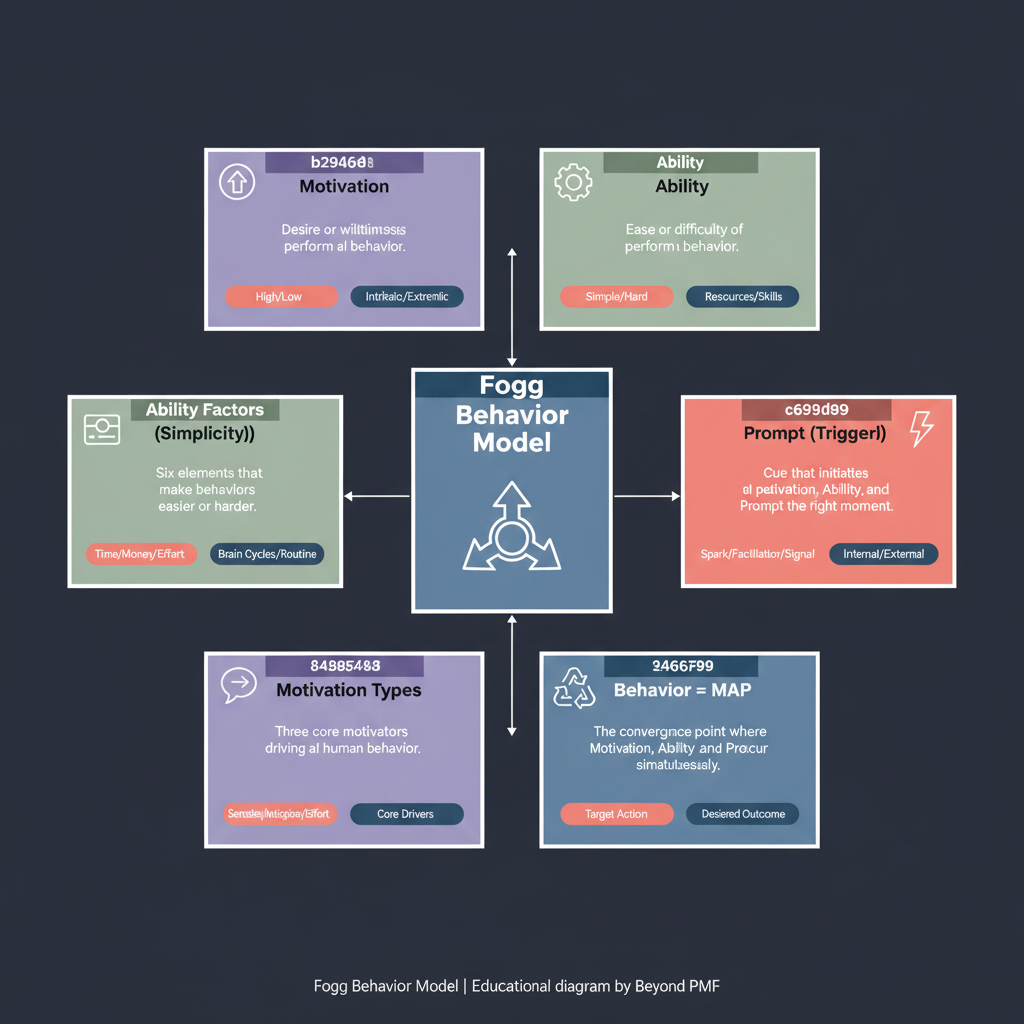
Developed by Dr. BJ Fogg, the Fogg Behavior Model is a psychological theory used to analyze and influence human behavior. It posits that behavior is the result of three elements: motivation, ability, and a prompt. All three must converge at the same moment for a behavior to occur. This model is particularly beneficial in designing products, services, and experiences that effectively change behaviors in predictable ways.
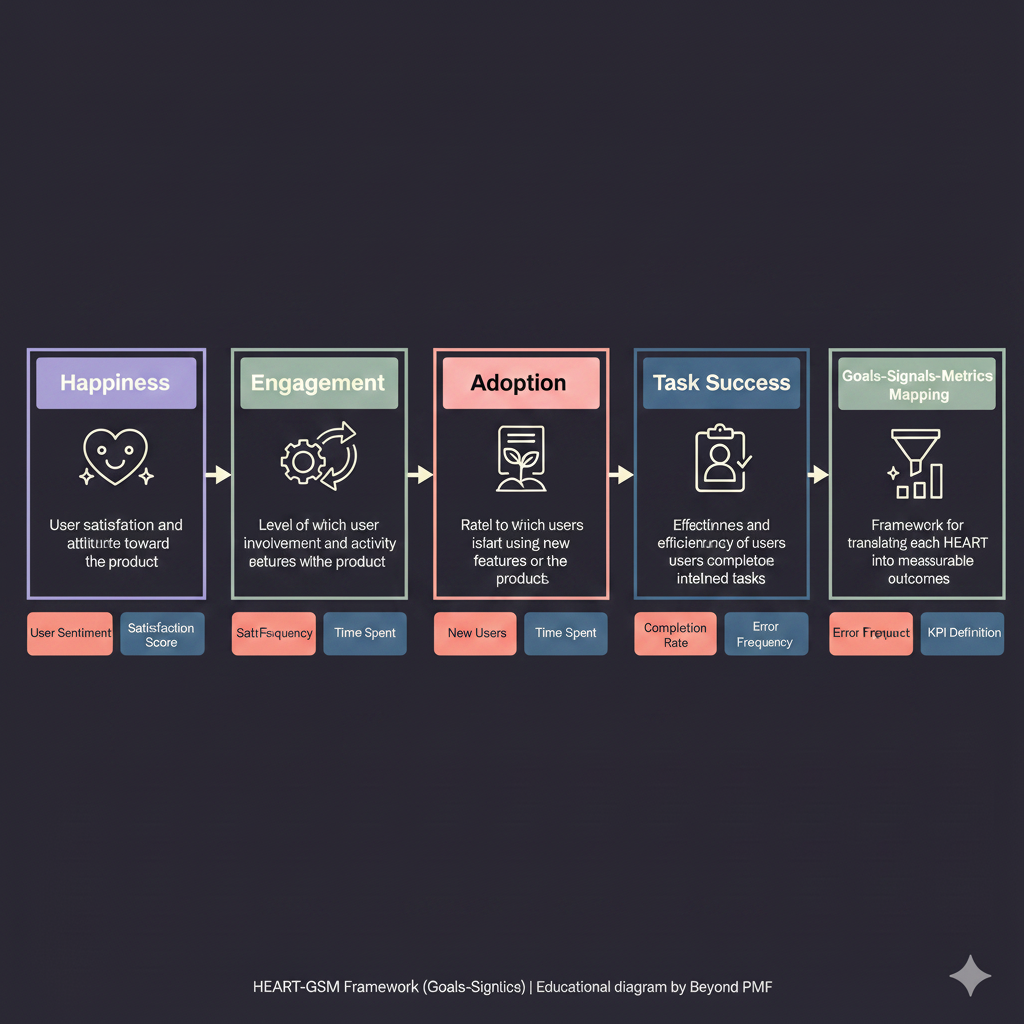
The HEART-GSM Framework, standing for Goals-Signals-Metrics, is a structured approach used to assess and enhance user experience in digital products. It helps teams identify specific goals (Happiness, Engagement, Adoption, Retention, Task Success), detect signals indicating user behavior related to these goals, and define metrics to quantitatively measure these signals. This framework is beneficial for its focus on user-centric metrics, making it a powerful tool for improving product design and user satisfaction.

Hierarchical Task Analysis (HTA) is a systematic approach used to identify and describe tasks and subtasks necessary for a user to accomplish a specific goal. It is often used in the fields of human factors and ergonomics to design, evaluate, and improve job duties, equipment, and work environments. The framework helps in understanding the complexity of tasks, improving efficiency, and enhancing user safety by focusing on the relationships and sequences of tasks.

The Jobs to Be Done (JTBD) framework is a tool used to analyze and understand customer motivations and needs. It posits that customers 'hire' products or services to perform specific jobs. By identifying these jobs, companies can innovate and improve products more effectively. The framework is beneficial for creating products that truly resonate with customers and for uncovering unmet needs in the market.
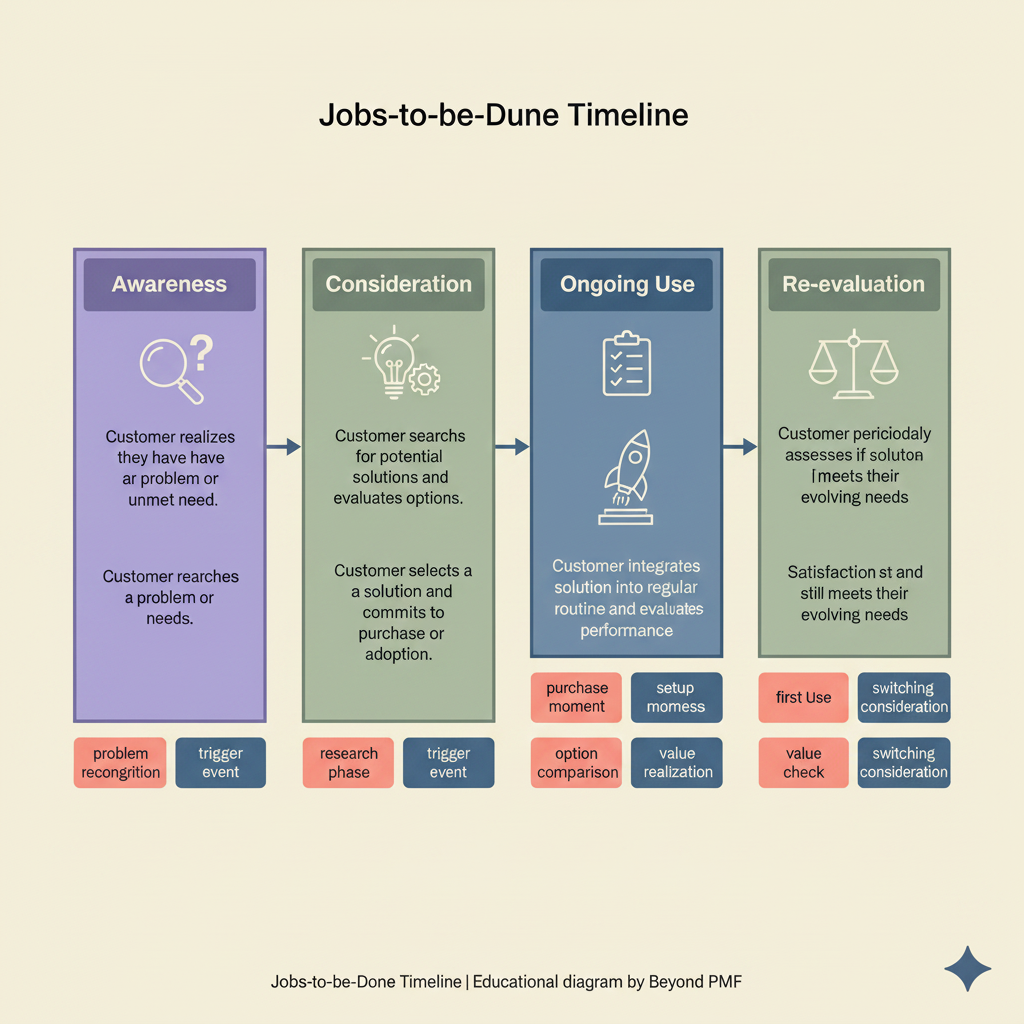
The Jobs-to-be-Done Timeline is a framework that maps out the customer journey from first thought to final purchase and use, focusing on the specific jobs customers are trying to get done at each stage. It is used to gain deeper insights into customer needs and decision-making processes, which can inform product development, marketing, and sales strategies. The timeline approach helps businesses align their offerings more closely with customer requirements and timelines, enhancing customer satisfaction and loyalty.
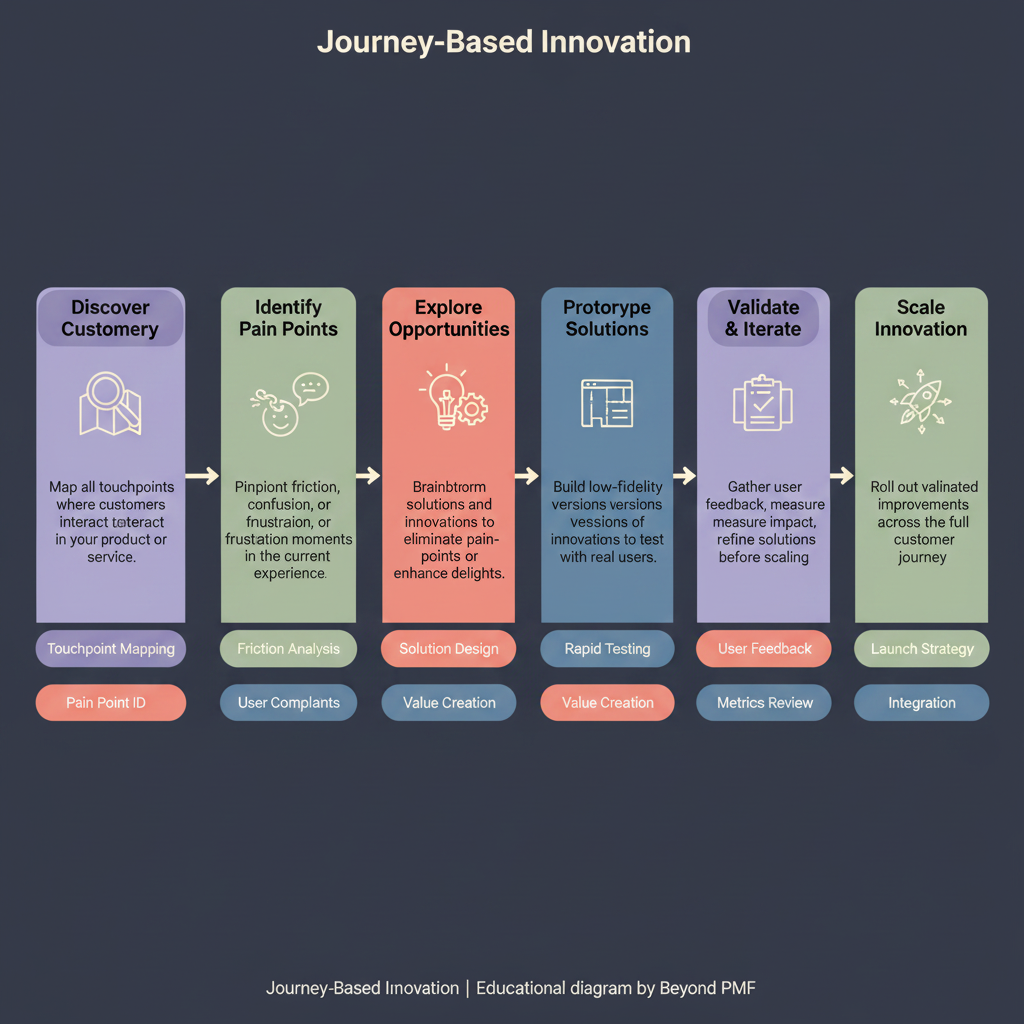
Journey-Based Innovation is a strategic framework that emphasizes understanding and improving the customer journey. By mapping out each stage of the customer's interaction with a product or service, businesses can identify key pain points and opportunities for innovation. This approach not only enhances customer satisfaction but also drives business growth by creating more tailored, effective solutions.
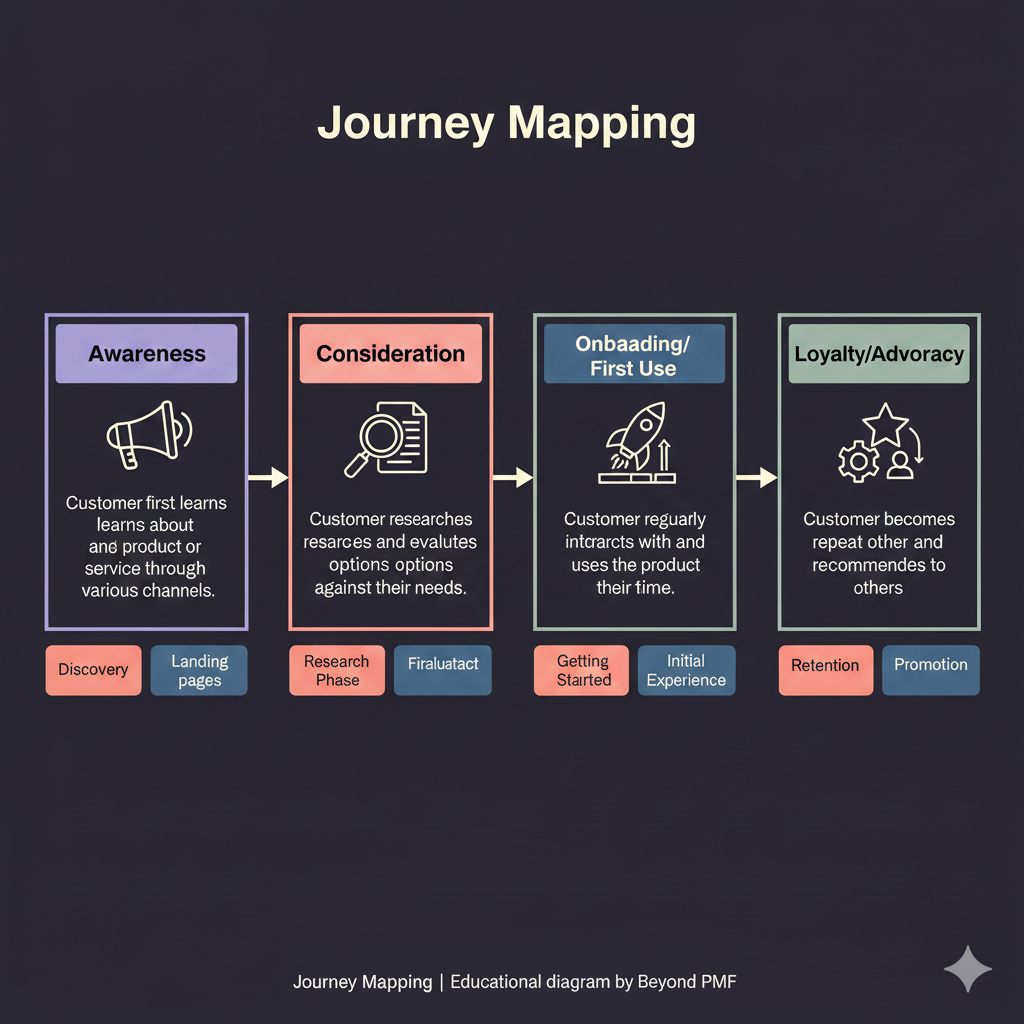
Journey Mapping is a strategic approach to understanding the flow of experiences a customer, user, or employee has with a service or product. It helps organizations visualize the path from initial contact through various touchpoints to the final outcome, identifying key interactions and the user's feelings, motivations, and questions at each stage. This framework is used to gain insights into customer needs, pinpoint areas for improvement, and enhance the overall user experience.
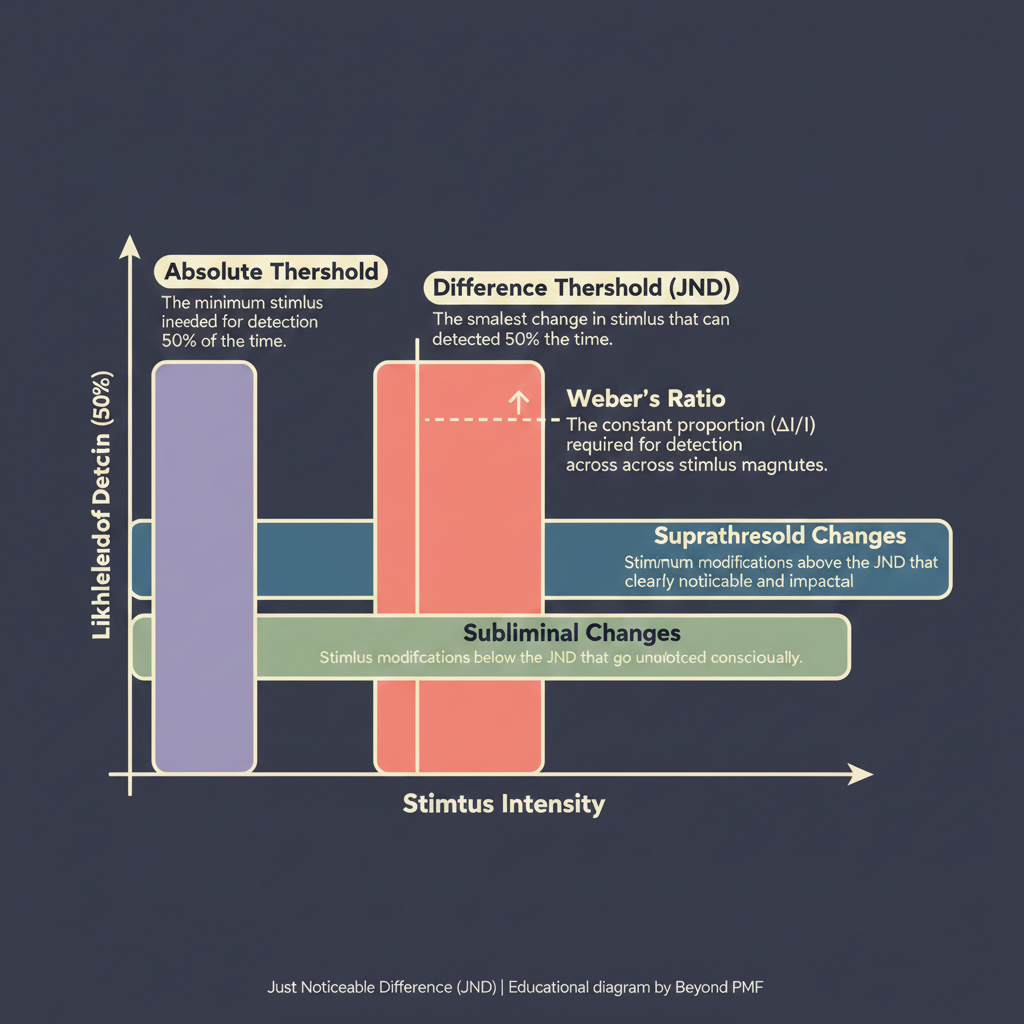
The Just Noticeable Difference (JND), also known as the difference threshold, is a principle from psychophysics that quantifies the minimum level of change in a sensory stimulus required to be noticeable at least 50% of the time. This framework is used to understand sensory limits and optimize product designs, marketing, and communication strategies to align with human perception capabilities. The benefits of applying JND include enhanced product design, effective marketing strategies, and improved user experience by aligning changes closely with human sensory perceptions.
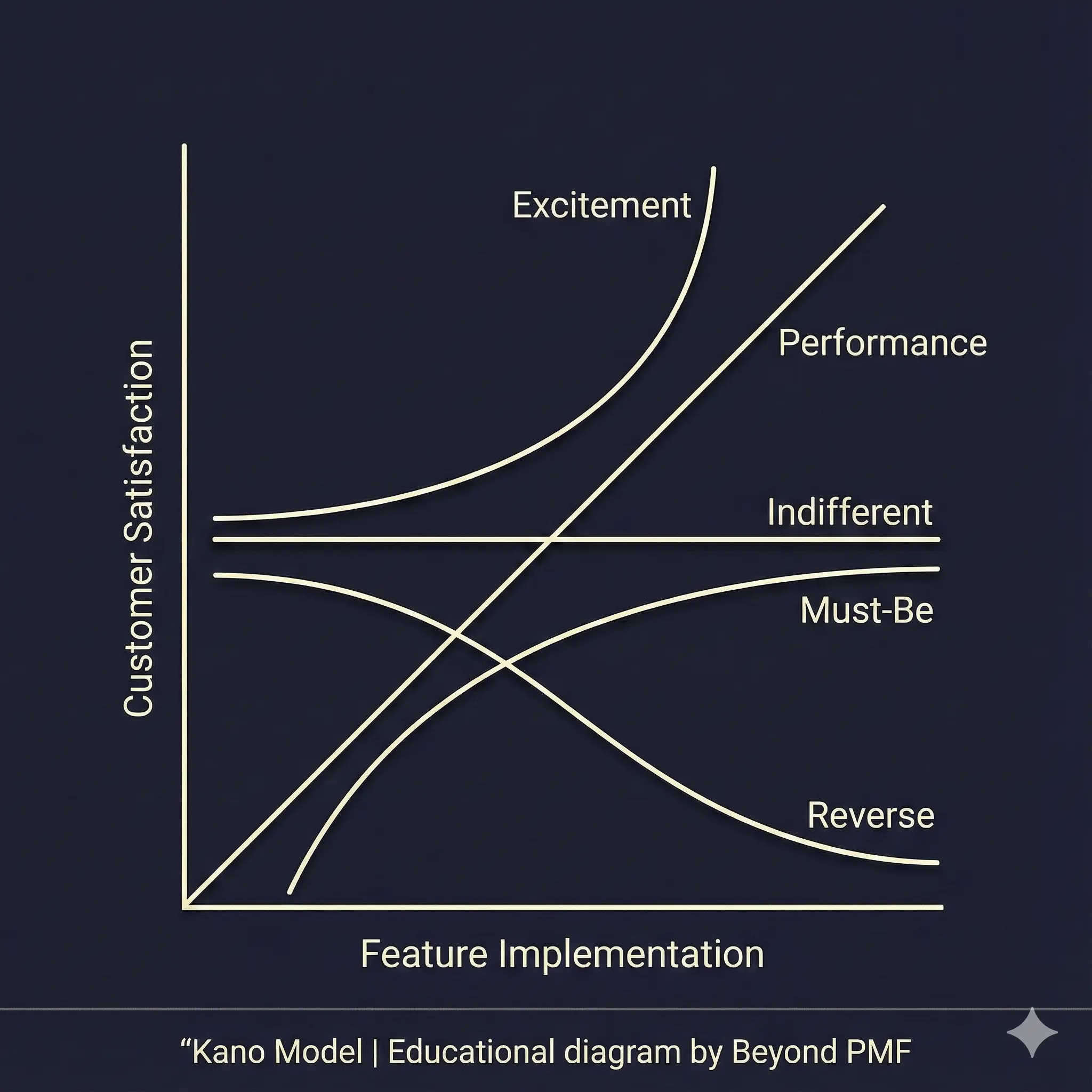
The Kano Model is a theory of product development and customer satisfaction developed in the 1980s by Professor Noriaki Kano. It categorizes customer preferences into five categories: Must-be, One-dimensional, Attractive, Indifferent, and Reverse. This framework helps product developers to prioritize features based on how they are perceived by customers and their potential impact on customer satisfaction. The Kano Model is particularly useful for identifying features that can significantly enhance customer satisfaction without proportionally increasing costs.
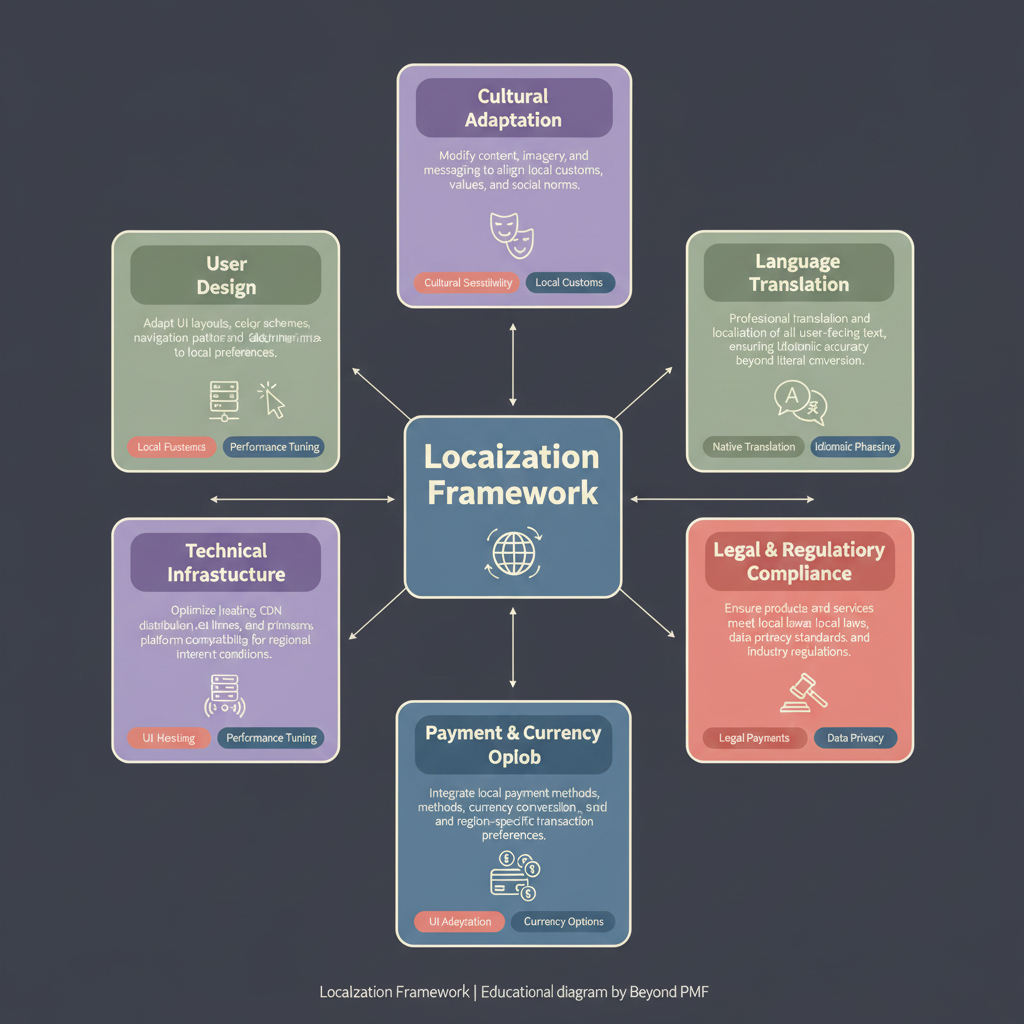
The Localization Framework is a strategic approach used by businesses to adapt their offerings to meet the specific cultural, linguistic, and regulatory requirements of different markets. It involves a series of steps to ensure that products, services, and content resonate with local audiences, thereby increasing market penetration and customer satisfaction. The framework is crucial for global expansion and helps companies maintain relevance in diverse markets.
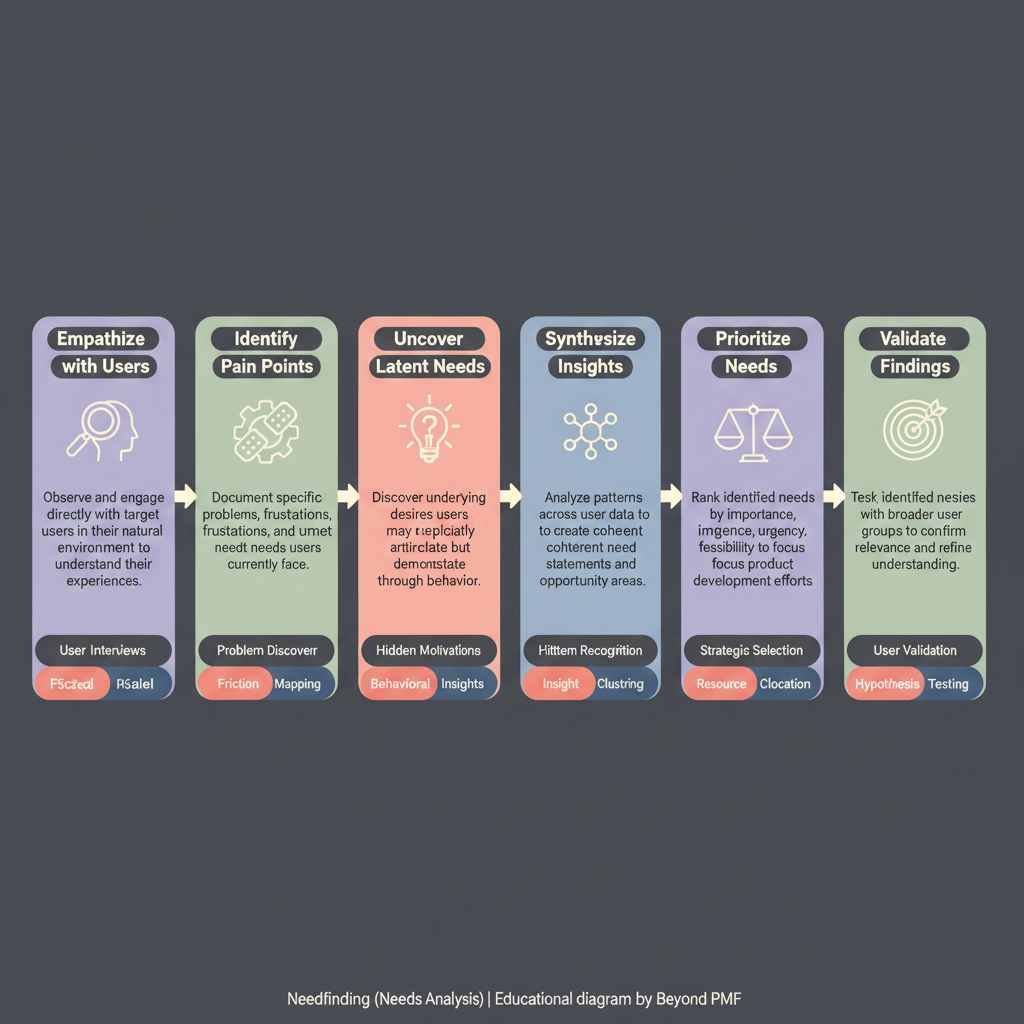
Needfinding, also known as Needs Analysis, is a critical framework used in the early stages of product development, service design, or process improvement. It involves systematic investigation to identify the needs, desires, and requirements of potential users or customers. By employing various research methods, this framework helps organizations align their offerings more closely with market demands, thereby increasing the likelihood of success. The process not only uncovers explicit needs but also helps in identifying latent needs that users themselves may not be aware of.
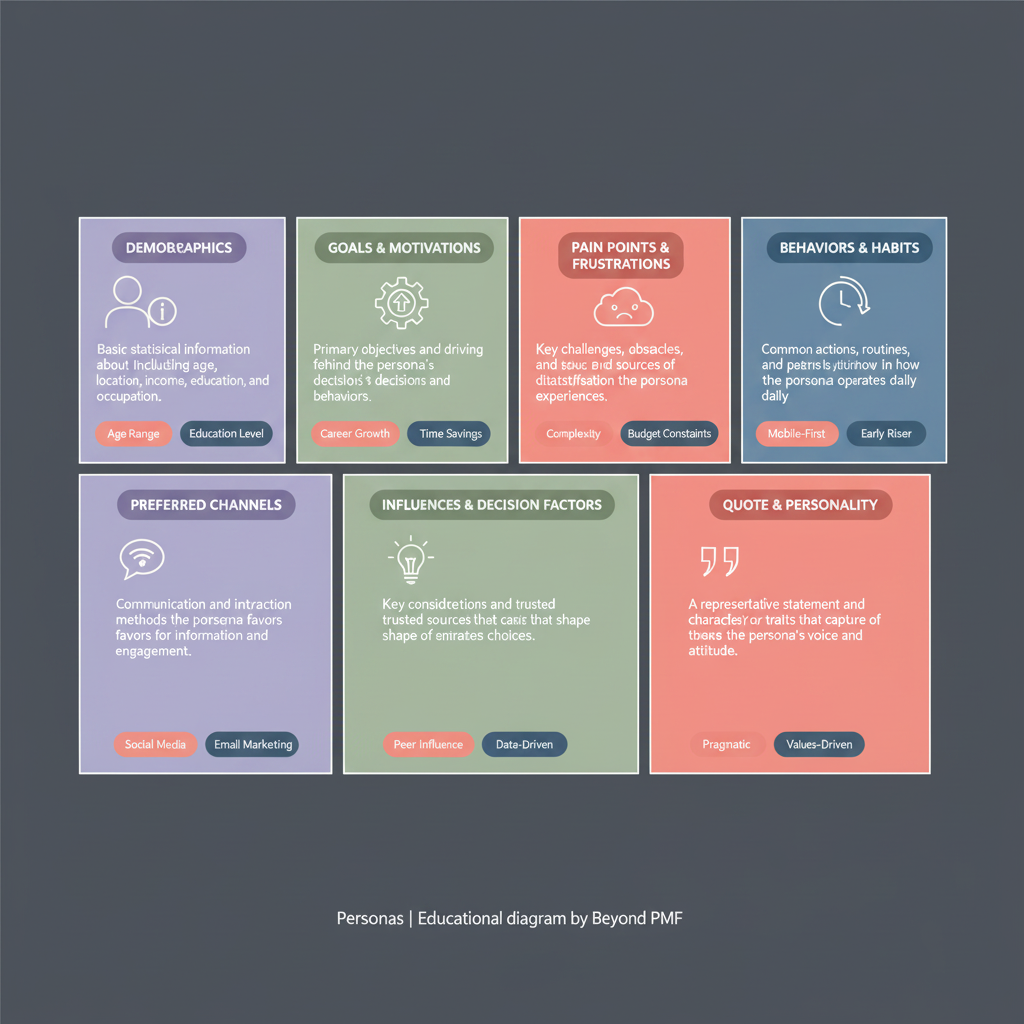
Personas are archetypal characters created to represent the different user types who might use a service, product, site, or brand in a similar way. Developing personas helps to understand users' needs, experiences, behaviors, and goals. Creating personas can guide decisions about product features, navigation, interactions, and even visual design of digital products.
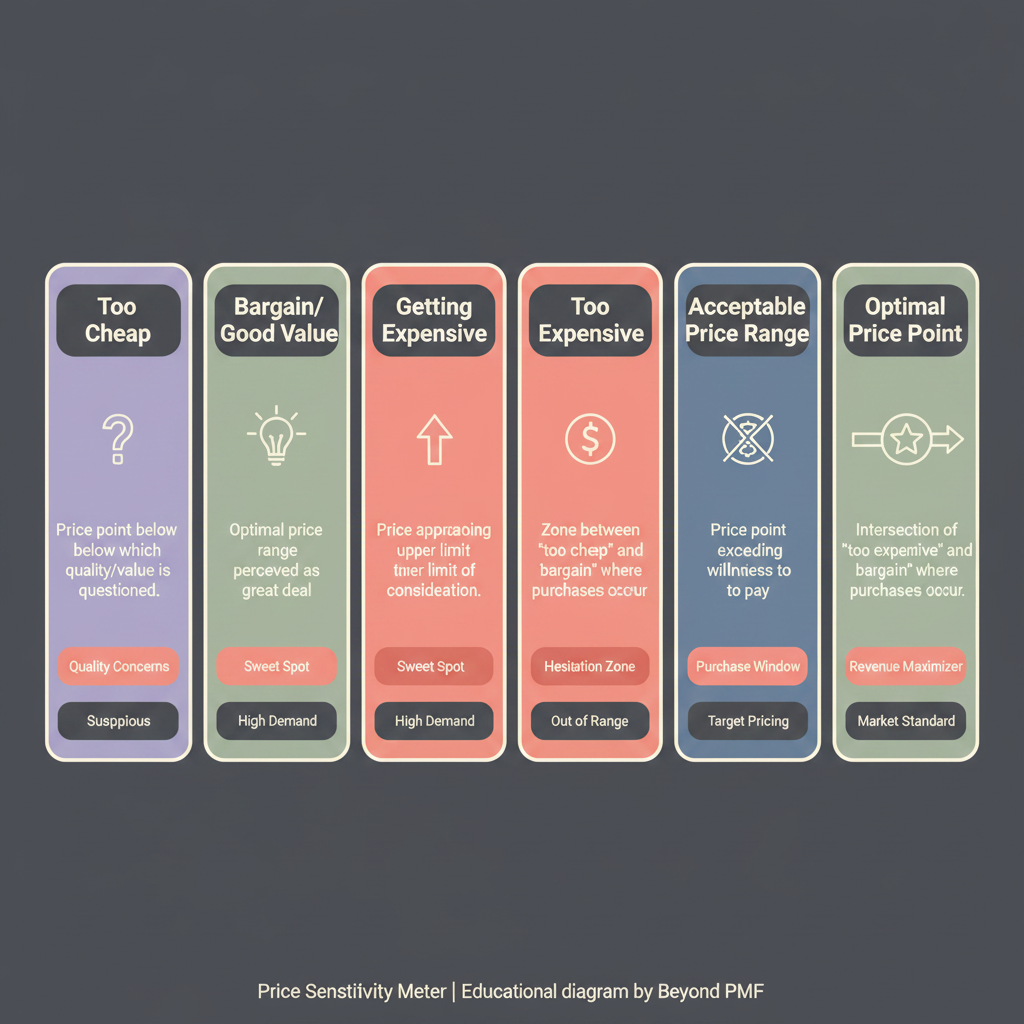
The Price Sensitivity Meter, developed by Van Westendorp, is a technique used in market research to identify a range of prices that consumers perceive as acceptable for a particular product or service. This framework helps businesses understand how price variations can impact customer demand and identifies the price points where the product is considered too cheap or too expensive. The insights gained are crucial for setting prices that maximize both sales volume and profit margins.
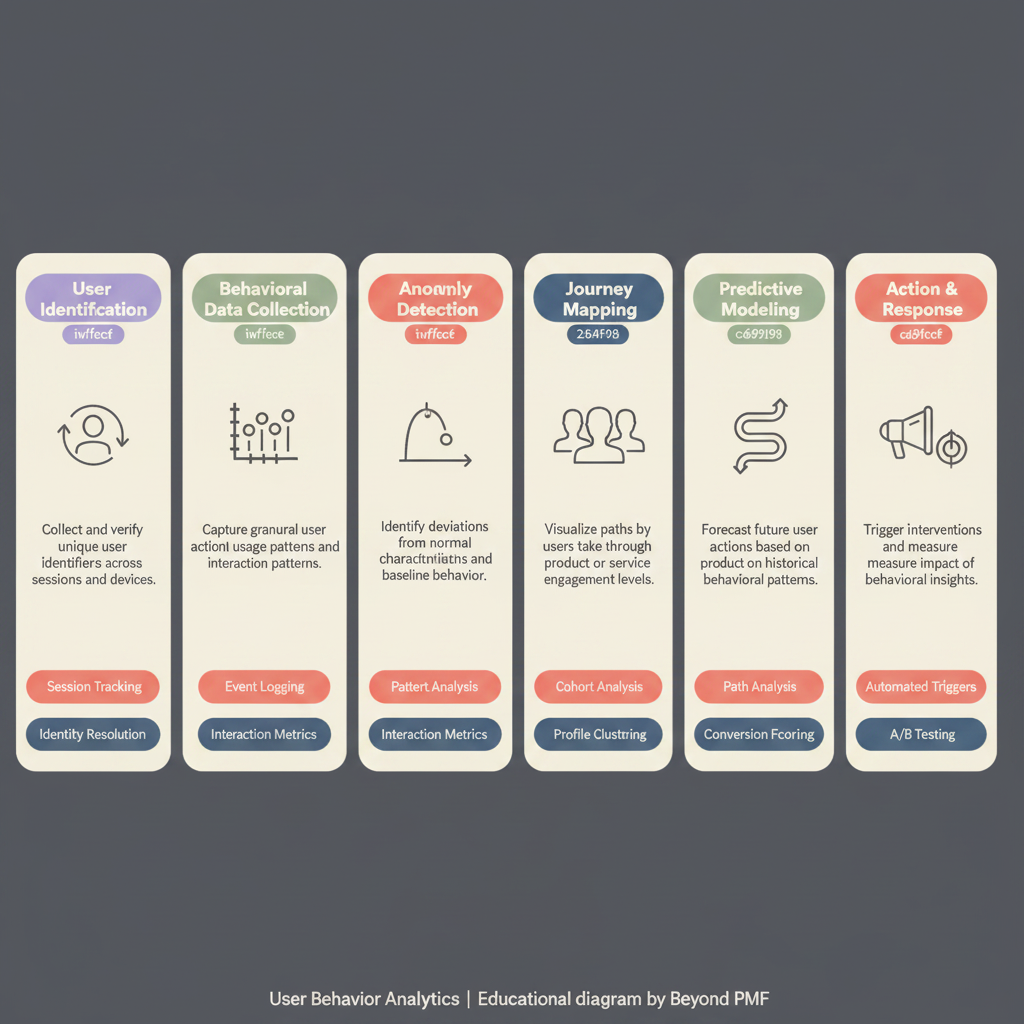
The User Behavior Analytics Framework is designed to help organizations monitor and analyze user behavior to detect anomalies, predict trends, and improve security measures. By leveraging data analytics and machine learning techniques, this framework processes large volumes of user data to identify patterns and irregular activities that could indicate potential threats or areas for improvement. It is particularly beneficial in enhancing security protocols, optimizing user engagement, and ensuring compliance with regulatory standards.
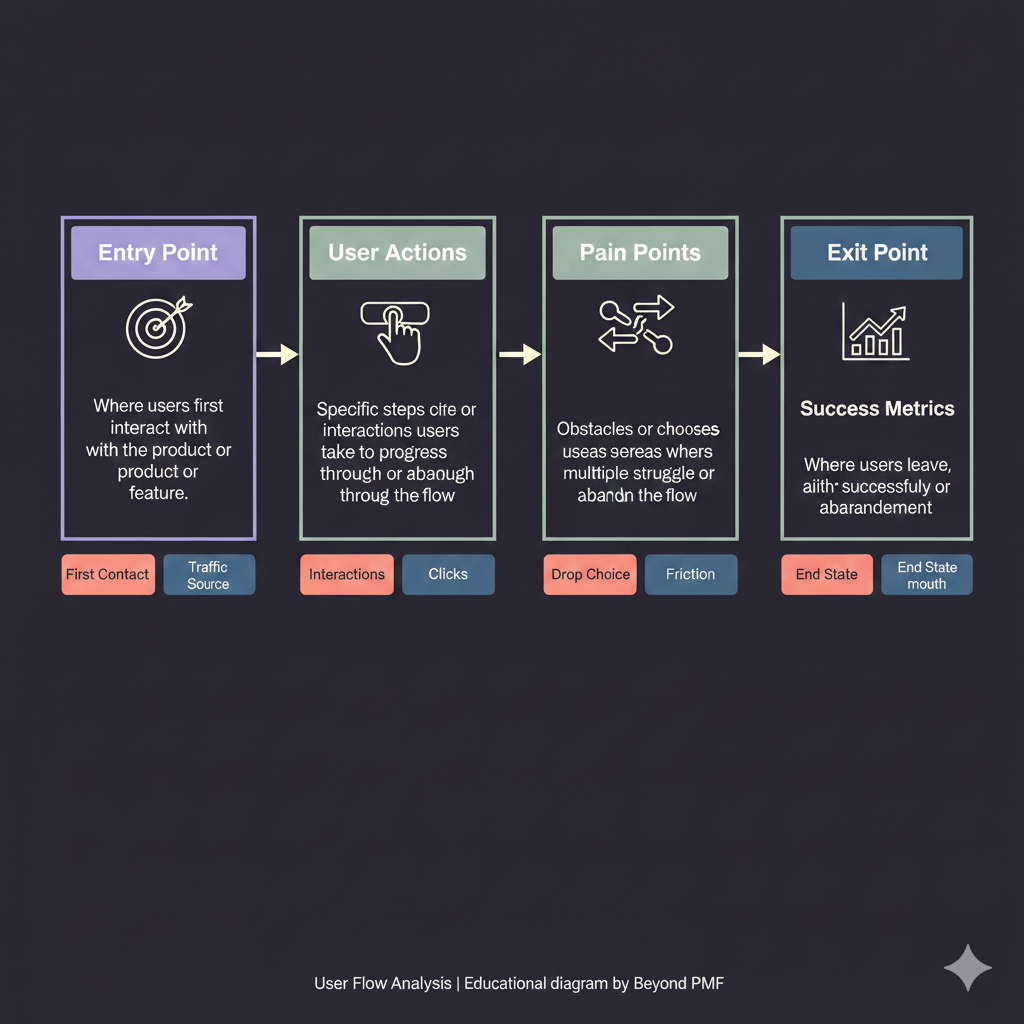
User Flow Analysis is a framework that maps out the sequence of actions taken by a user to accomplish a specific goal within a product or service. This analysis helps in understanding the user's journey through an interface, identifying any potential friction points, and optimizing the overall user experience. It is particularly beneficial for improving conversion rates, enhancing user satisfaction, and ensuring intuitive navigation.
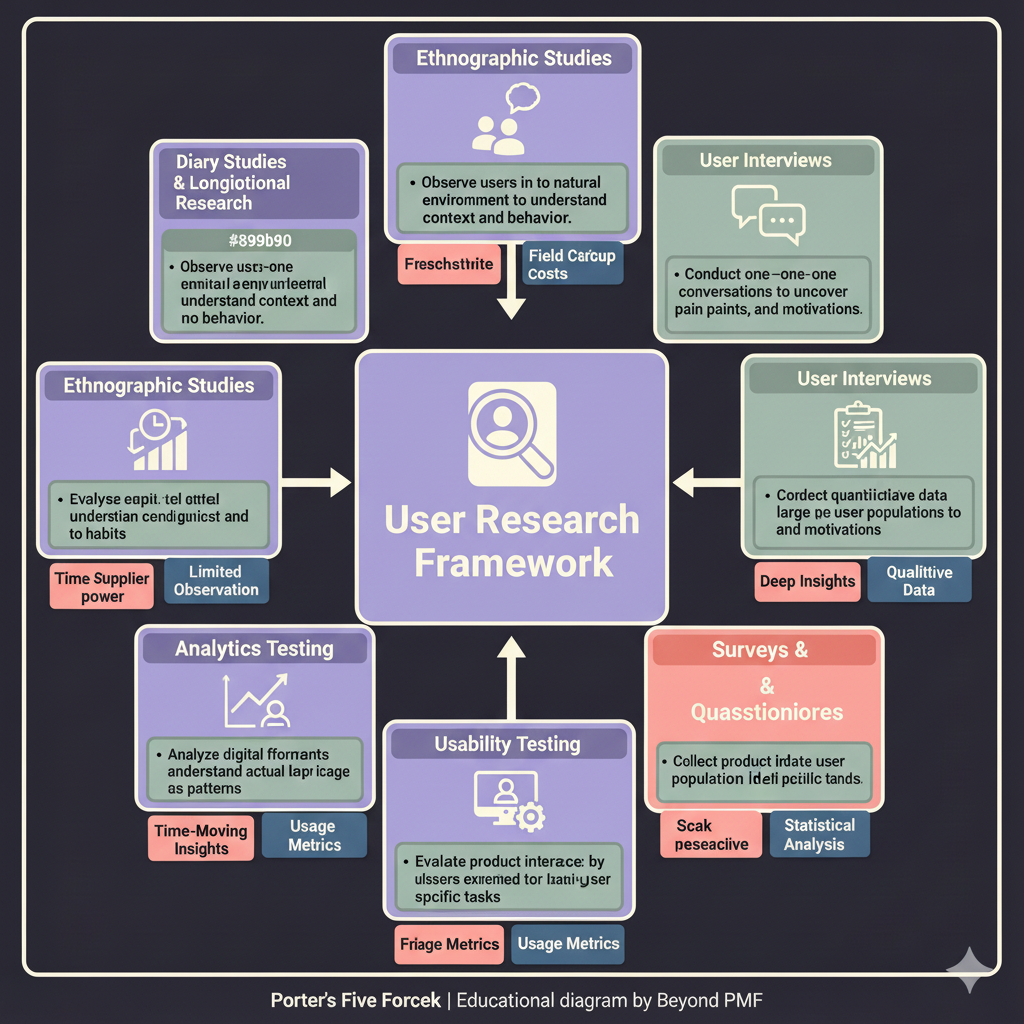
The User Research Framework is a comprehensive methodology used to understand user behaviors, needs, and motivations through various techniques such as interviews, surveys, and usability testing. This framework helps organizations tailor their products, services, and user experiences to meet the specific needs of their target audience. By implementing this framework, companies can enhance user satisfaction, improve product usability, and increase overall business performance.

The Value Innovation Framework focuses on the simultaneous pursuit of differentiation and low cost, aiming to create a leap in value for both the company and its customers. By analyzing the current market landscape and identifying the factors that drive customer value, organizations can innovate in ways that set them apart from competitors. This framework encourages businesses to rethink their offerings and explore new ways to deliver value, ultimately leading to the creation of uncontested market spaces.
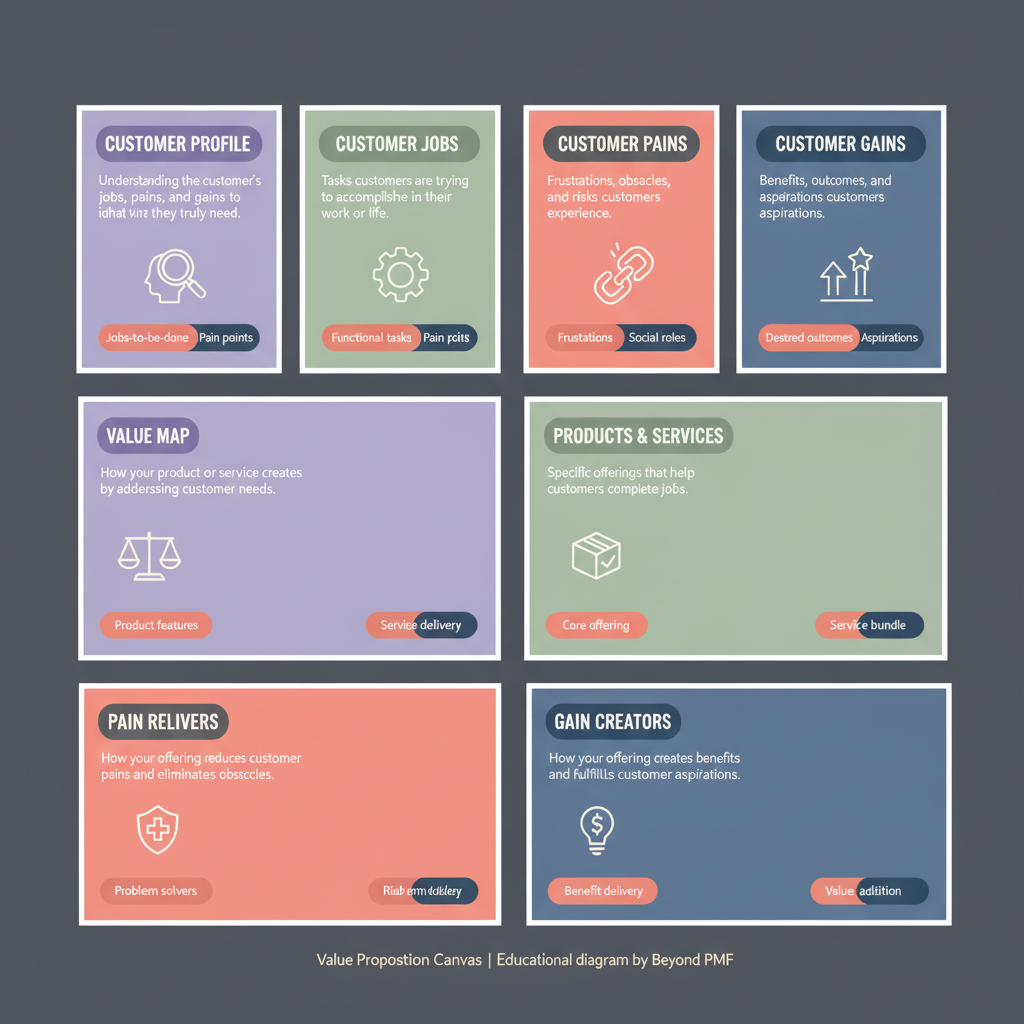
The Value Proposition Canvas is a strategic management tool used to ensure that a product or service is positioned around what the customer values and needs. Developed by Alex Osterwalder, this framework helps organizations understand their customer segments and create products and services that directly solve their problems or fulfill their needs. The canvas facilitates clearer communication and more precise product development, making it a vital tool for businesses aiming to enhance their market fit.

The Voice of Customer (VOC) Matrix is a crucial framework in quality management and product development. It helps organizations to capture, analyze, and translate customer feedback into specific, measurable performance requirements. This matrix is used to ensure that the voice of the customer is heard and integrated throughout the product development process, leading to products and services that meet or exceed customer expectations. The VOC process involves gathering customer insights, which are then categorized and prioritized to drive product improvements, innovation, and customer satisfaction.