
Risk management frameworks help teams identify, assess, and mitigate uncertainties that threaten outcomes. They cover operational, technical, market, and organizational risk types. These frameworks are crucial in complex products, regulated environments, and transformation initiatives. Use them to reduce surprises and protect strategic value.
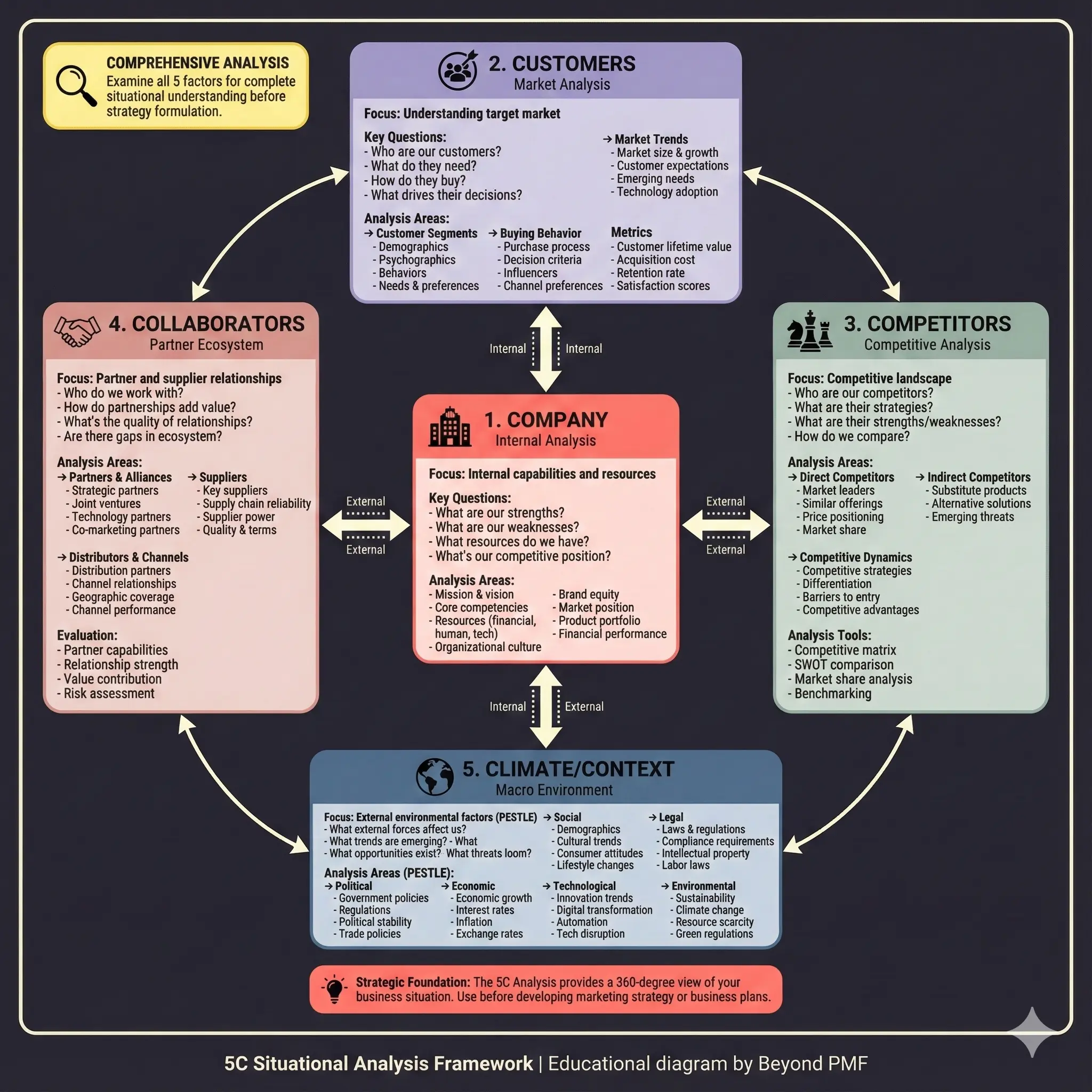
The 5C Analysis is a strategic framework used by businesses to evaluate five key areas that impact a company's operations and strategic decisions. These areas include Company, Competitors, Customers, Collaborators, and Climate. This framework helps in understanding both the internal capabilities and external opportunities or threats, guiding strategic planning and decision-making processes. It is particularly beneficial for assessing new markets, reevaluating current strategies, and maintaining competitive advantage.
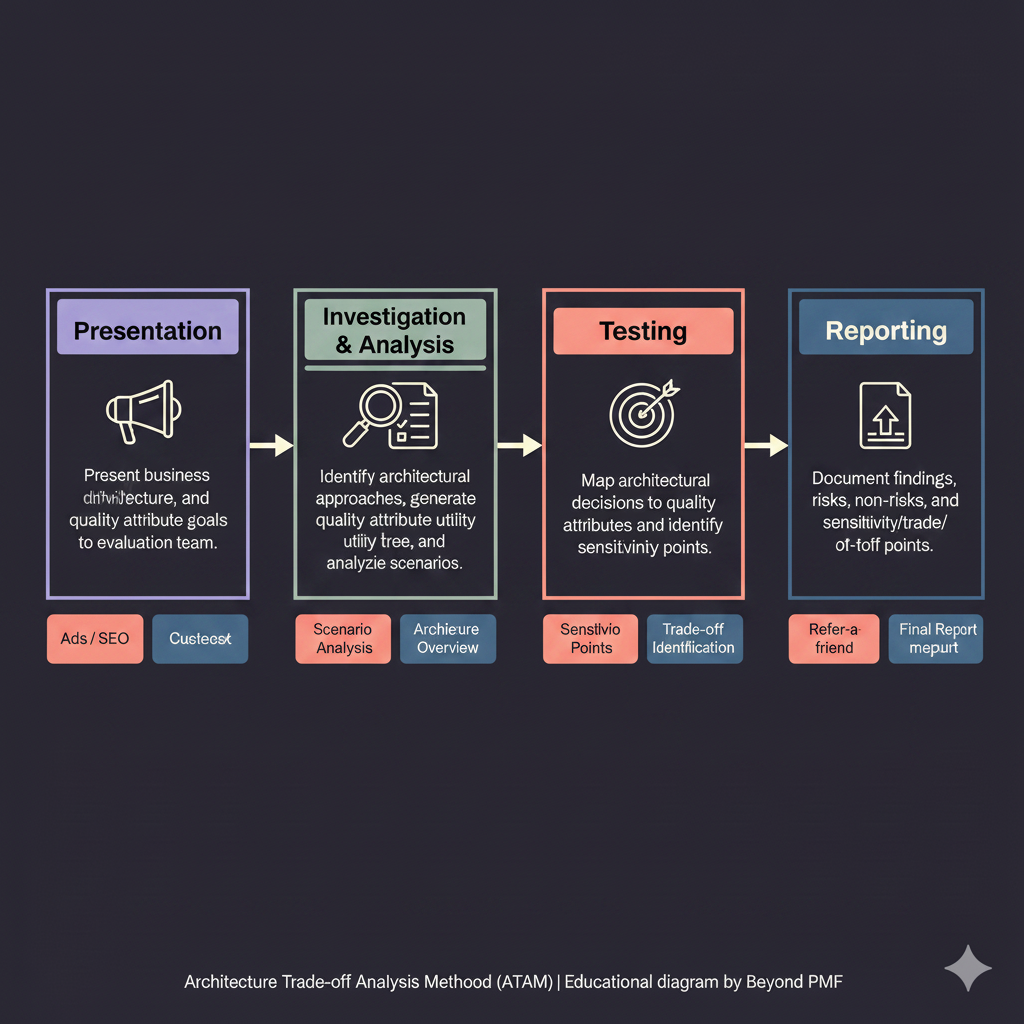
The Architecture Trade-off Analysis Method (ATAM) is a technique for evaluating software architecture decisions with respect to their impact on system quality attributes such as performance, security, and maintainability. Developed by the Software Engineering Institute (SEI), ATAM provides a systematic approach to identify trade-offs and risks in software architectures, facilitating informed decision-making and ensuring alignment with business goals. It is particularly beneficial in complex systems where multiple stakeholders and conflicting interests are involved.

The Business Impact Analysis Framework is a systematic process used to evaluate the potential effects of an interruption to critical business operations as a result of a disaster, accident, or emergency. The main goal is to gather information needed to develop recovery strategies, ensure resources are appropriately allocated, and minimize the impact on operations. It helps in prioritizing recovery strategies and investments in resilience and recovery capabilities.

The CAGE Distance Framework is a tool used by companies to evaluate the differences or distances between countries in terms of culture, administration, geography, and economics. This framework assists businesses in understanding the challenges and opportunities in global expansion and strategic decision-making. It is particularly beneficial for assessing market potential, risks, and entry strategies in international business.

Change Impact Analysis is a critical framework designed to systematically assess the potential impacts of changes in a project, process, or system. It helps organizations understand the ramifications of alterations before they are implemented, ensuring that all potential consequences are considered. This analysis aids in decision-making, helps in managing risks, and ensures that all stakeholders are informed and prepared for the changes.
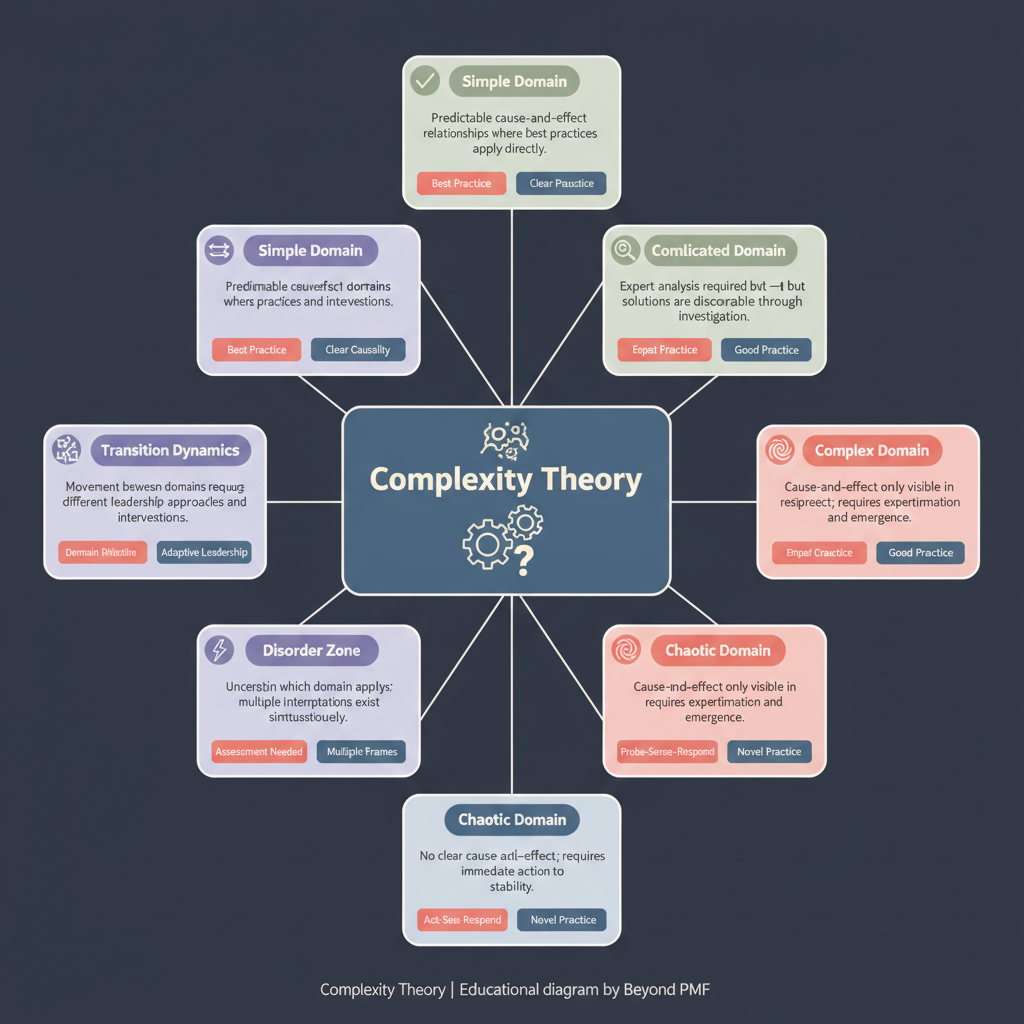
Complexity Theory is a framework used to understand the behaviors of complex systems where numerous independent variables interact in various and unpredictable ways. It is particularly useful in fields like economics, organizational behavior, and ecology, where systems are dynamic and adaptive. The theory helps in predicting how systems respond to changes, manage uncertainty, and evolve over time, providing insights that are critical for strategic planning and decision-making.
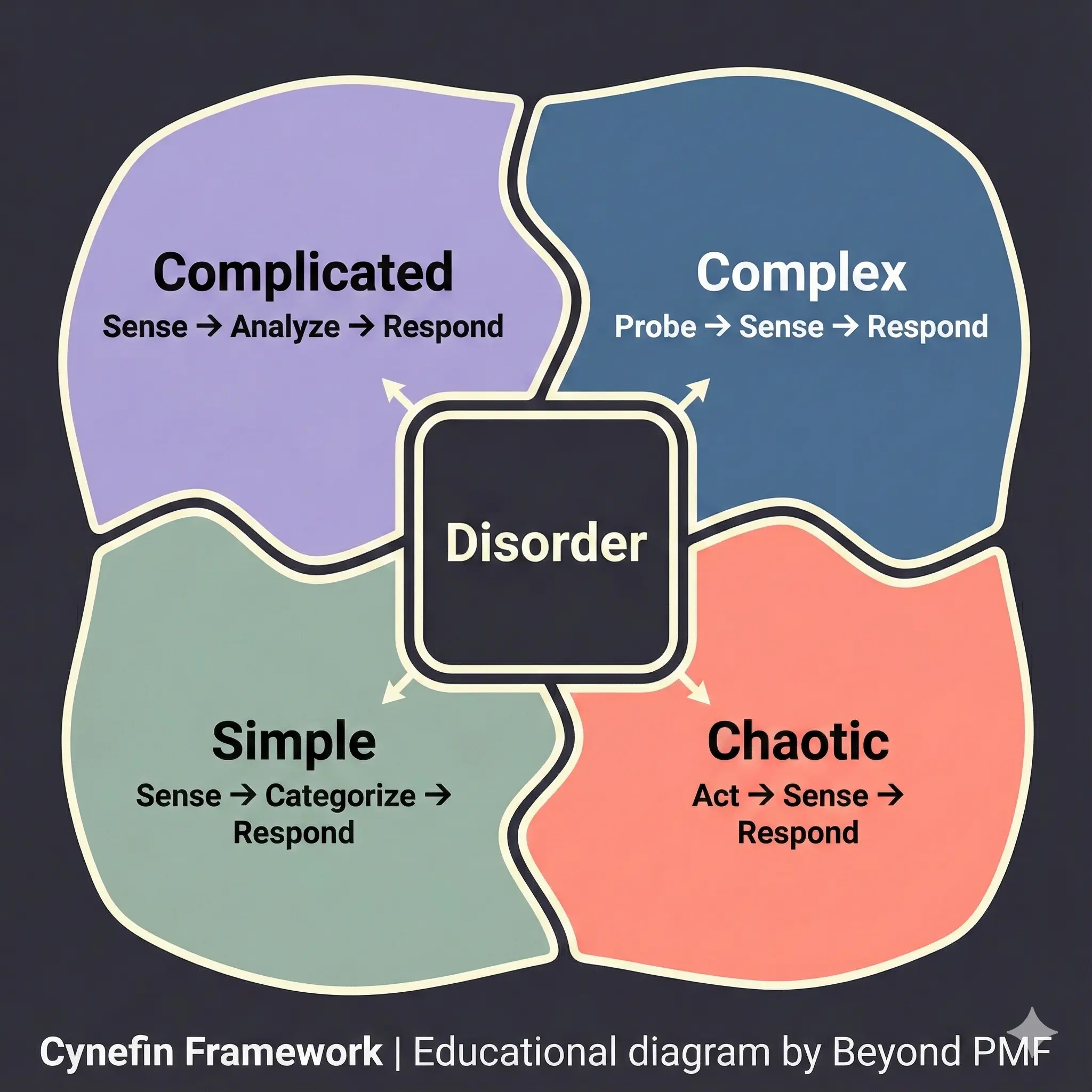
The Cynefin Framework, developed by Dave Snowden in 1999, is a decision-making framework that helps leaders understand the context of complex environments and act accordingly. The framework divides the decision landscape into five domains: simple, complicated, complex, chaotic, and disorder, each requiring different approaches for effective management. It is widely used to enhance decision-making in various fields by clarifying the nature of conditions and situations leaders are dealing with.
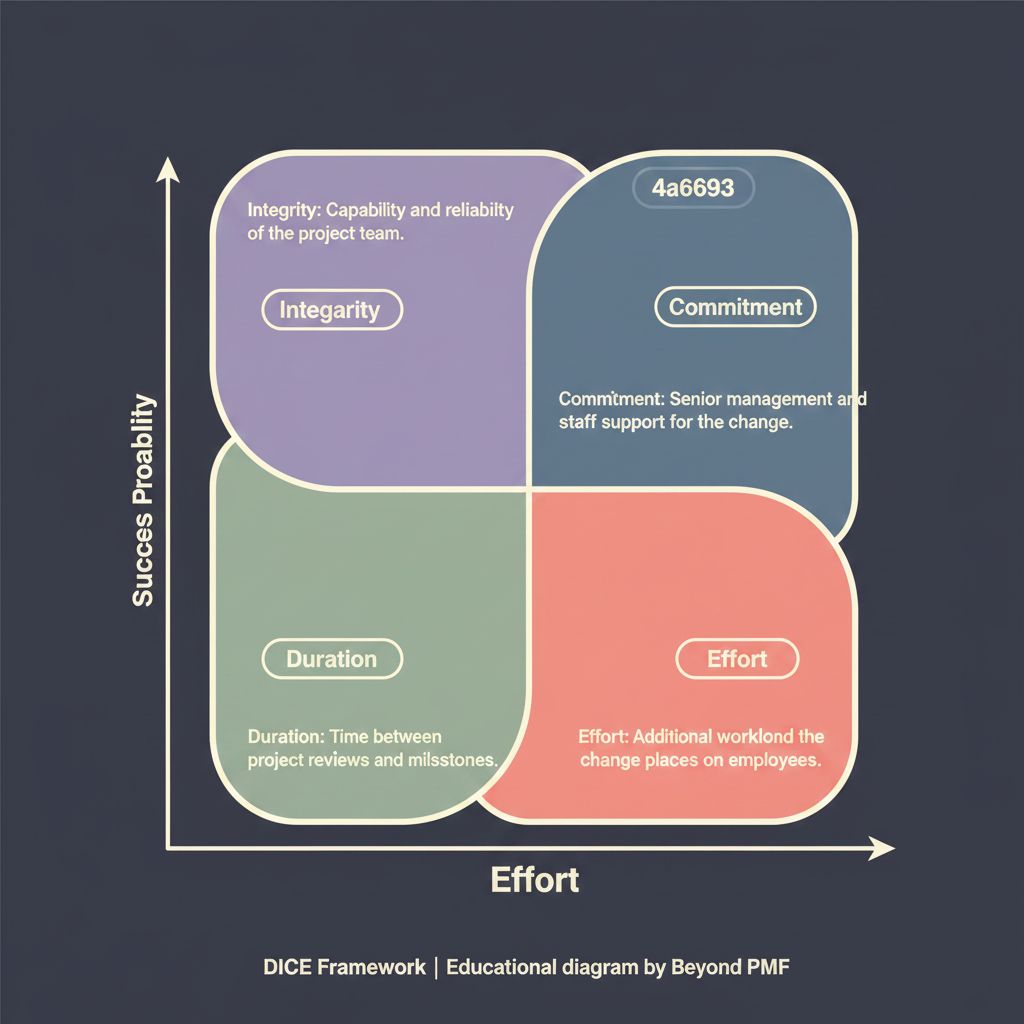
The DICE Framework, developed by the Boston Consulting Group, is a strategic tool used to assess the outcomes of projects, particularly in terms of change management. It helps organizations predict and enhance the success rate of their projects by evaluating four key elements: Duration, Integrity, Commitment, and Effort. This framework provides a systematic approach to identifying potential risks and readiness for change, ensuring that projects are aligned with organizational capabilities and resources.
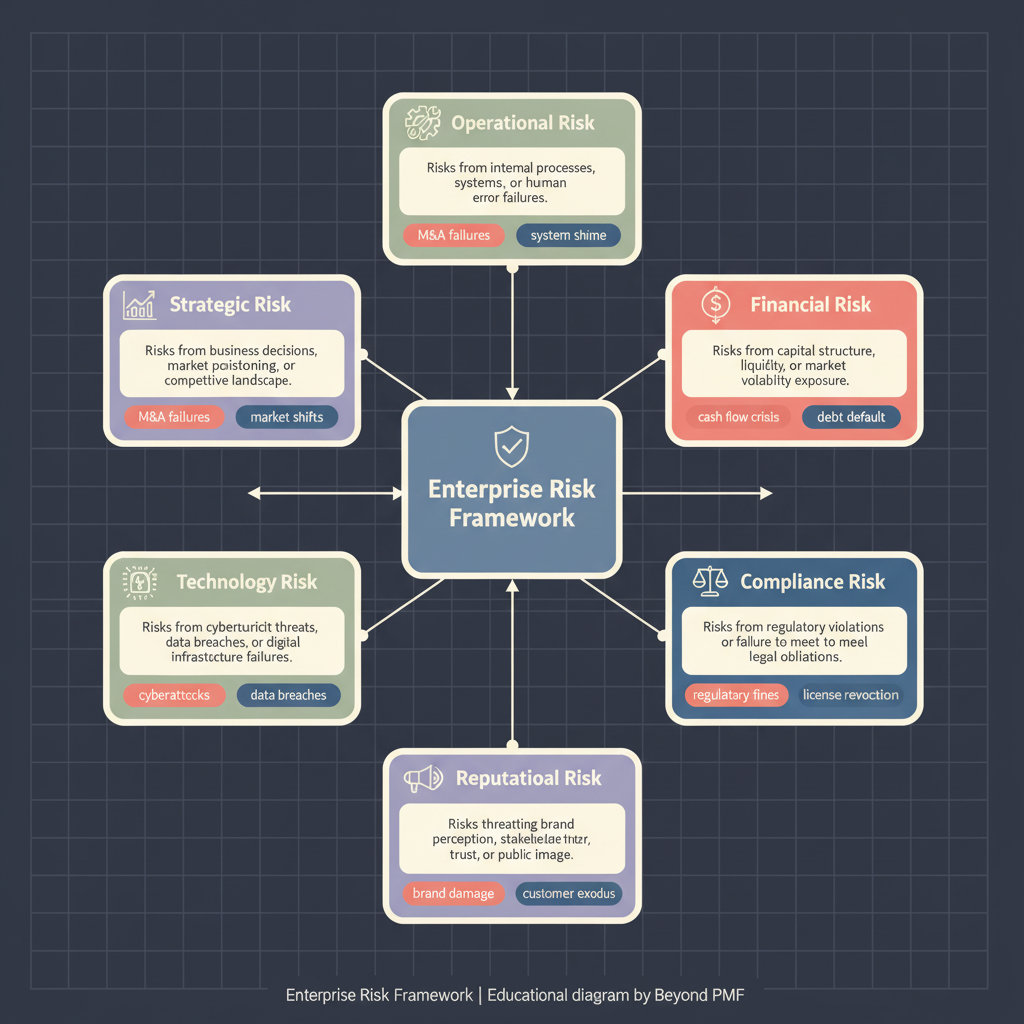
The Enterprise Risk Framework is a structured methodology used by organizations to manage risks that could impact their strategic objectives and operational efficiency. It involves identifying potential risks, assessing their likelihood and impact, prioritizing them based on their severity, and implementing strategies to mitigate or manage these risks. The framework helps organizations to proactively manage uncertainties and capitalize on opportunities, thereby enhancing resilience and value creation.
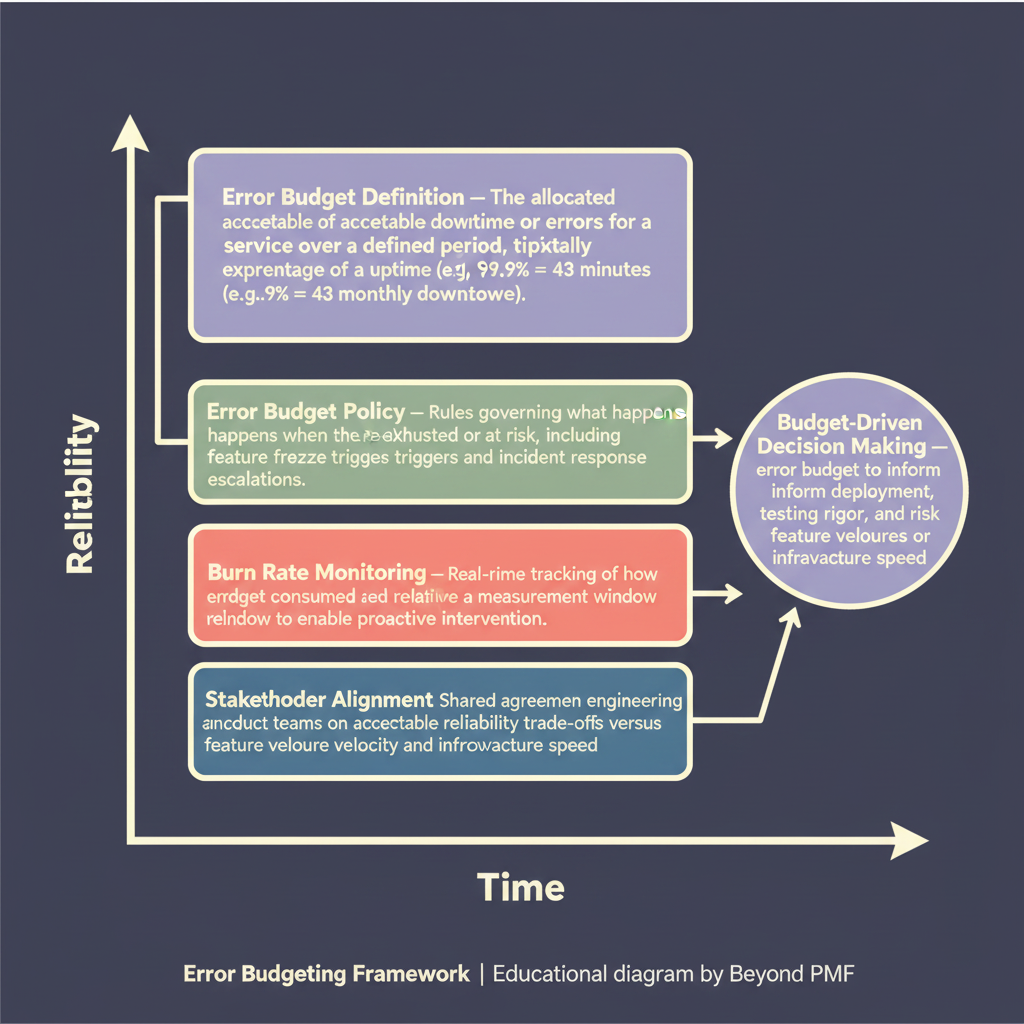
The Error Budgeting Framework is a strategic approach used primarily in site reliability engineering (SRE) to quantify the allowable amount of service downtime or errors in a given period. By setting a numerical limit on errors, teams can make informed decisions about the risks they can afford while pushing new features. This framework helps maintain a balance between reliability and the rapid deployment of new functionalities, ensuring customer satisfaction and system stability.

The Expansion Readiness Assessment framework helps organizations determine their readiness to expand by evaluating internal and external factors critical to successful growth. This framework assesses areas such as market conditions, financial stability, operational capabilities, and strategic alignment. It is used to minimize risks associated with expansion and to ensure that the organization is well-prepared for new opportunities. The benefits include better strategic decisions, optimized resource allocation, and enhanced likelihood of successful expansion.
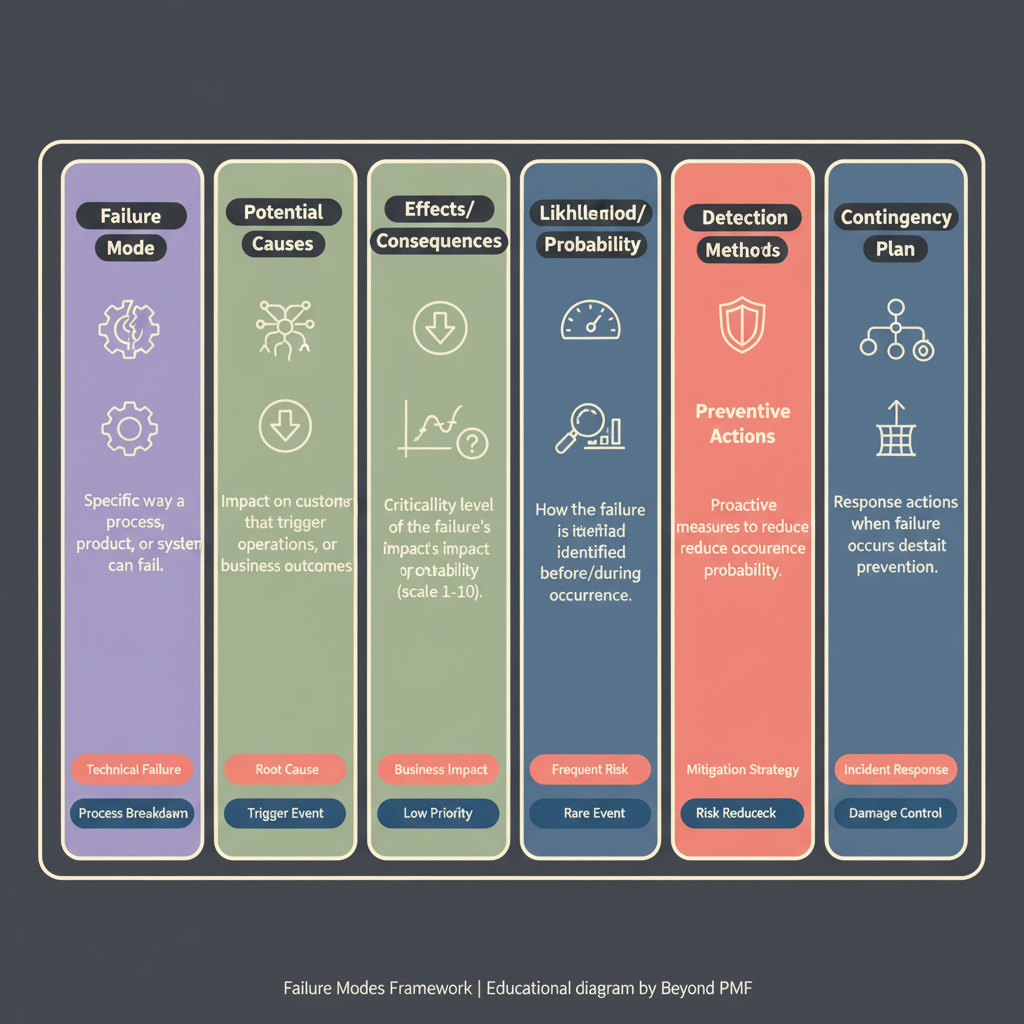
The Failure Modes Framework is a critical analysis tool that helps organizations identify and evaluate potential points of failure in their processes or products. By systematically examining each component or step in a process, the framework aims to uncover vulnerabilities before they lead to actual failures. This proactive approach not only enhances reliability and safety but also helps in optimizing operational efficiency and reducing costs associated with failures.
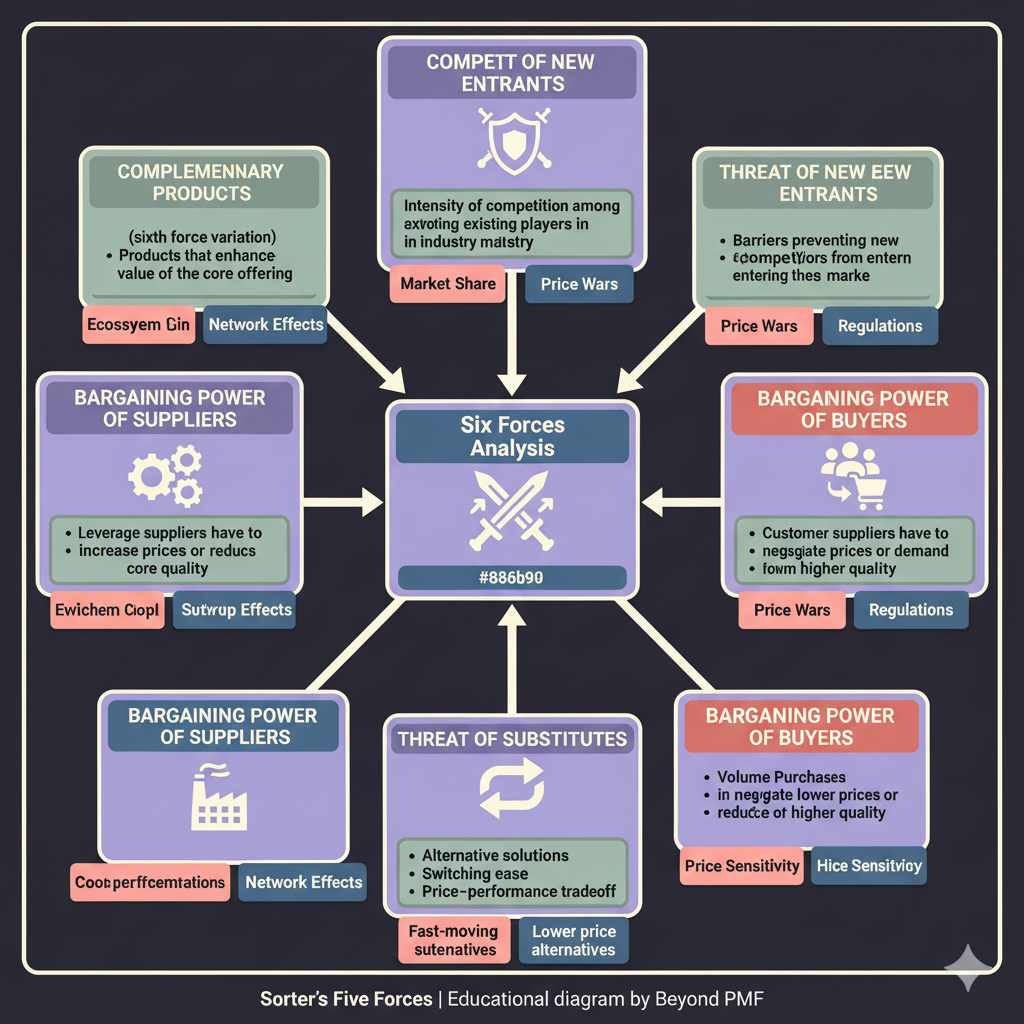
Five Forces Analysis, developed by Michael Porter, is a framework for analyzing the competitive forces that shape every industry. It is used to assess the competitive intensity and therefore the attractiveness and profitability of an industry. The framework helps businesses identify the strengths and weaknesses in their industry environment, guiding strategic decision-making.
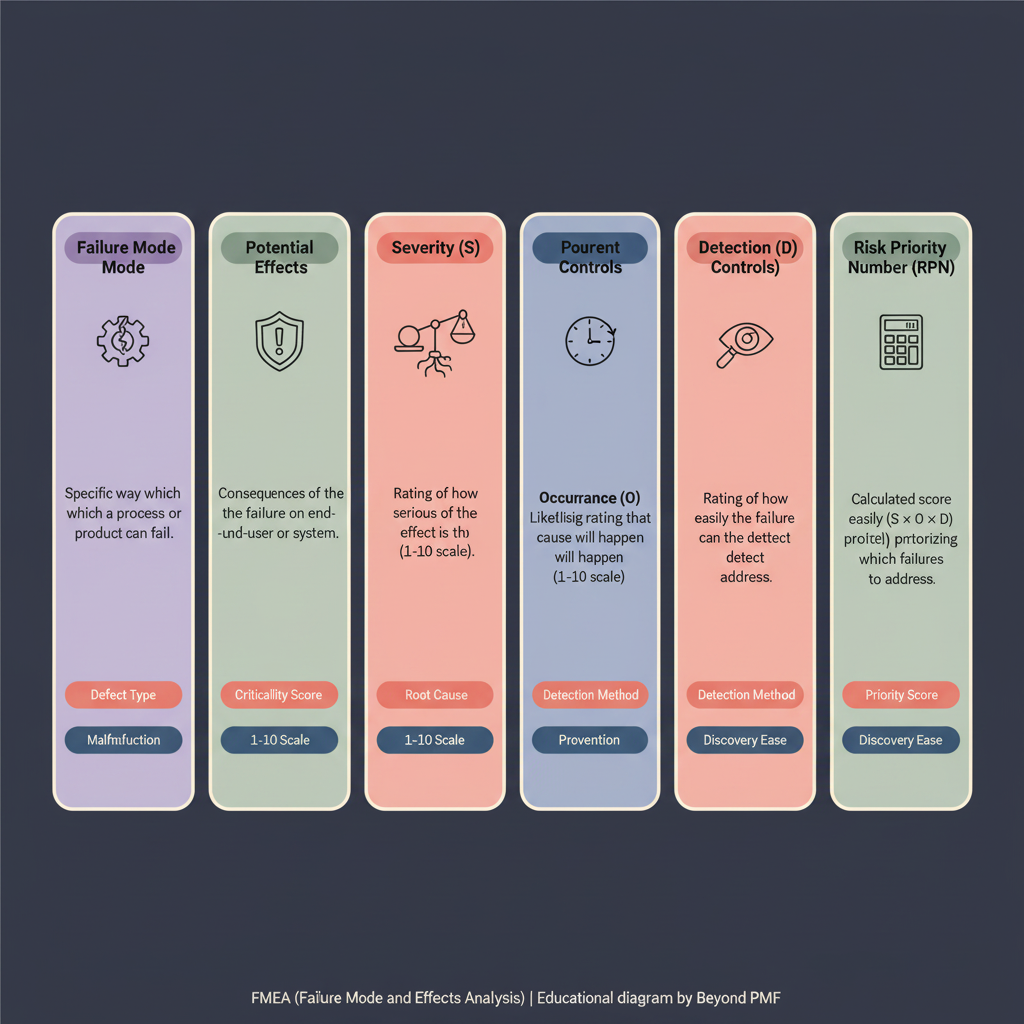
FMEA, or Failure Mode and Effects Analysis, is a proactive tool used to anticipate potential failures in a system, product, or process and the effects of these failures. By analyzing components, assemblies, and subsystems to identify possible failure modes, and their causes and effects, organizations can implement corrective actions to mitigate risk. This methodology is widely used in various industries, including automotive, aerospace, and manufacturing, to enhance reliability, safety, and customer satisfaction.
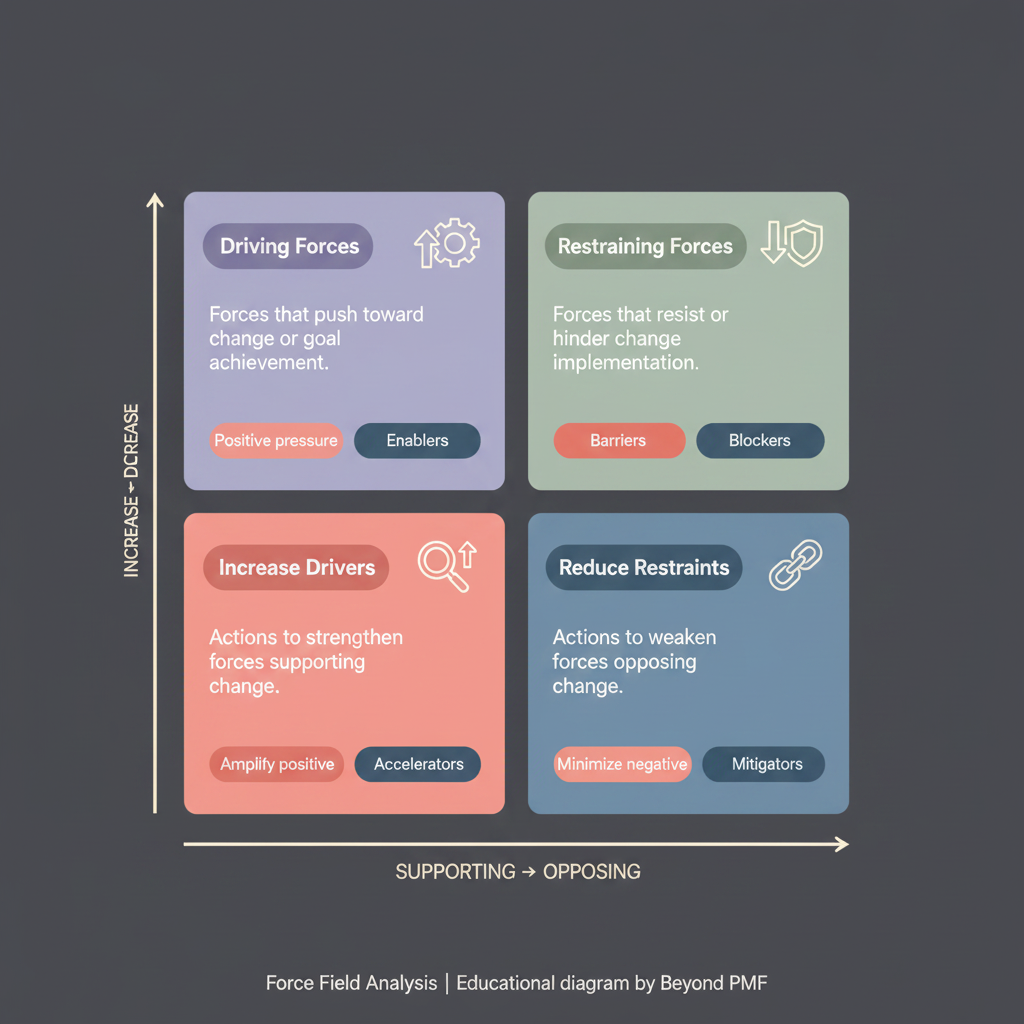
Force Field Analysis is a management strategy tool developed by Kurt Lewin in the 1940s. It is used to identify the forces that either drive or hinder change within an organization. This framework helps in understanding what factors are working in favor of a decision and what factors are against it, enabling more informed decision-making. By analyzing these forces, organizations can develop strategies to strengthen positive forces or reduce the impact of negative forces.
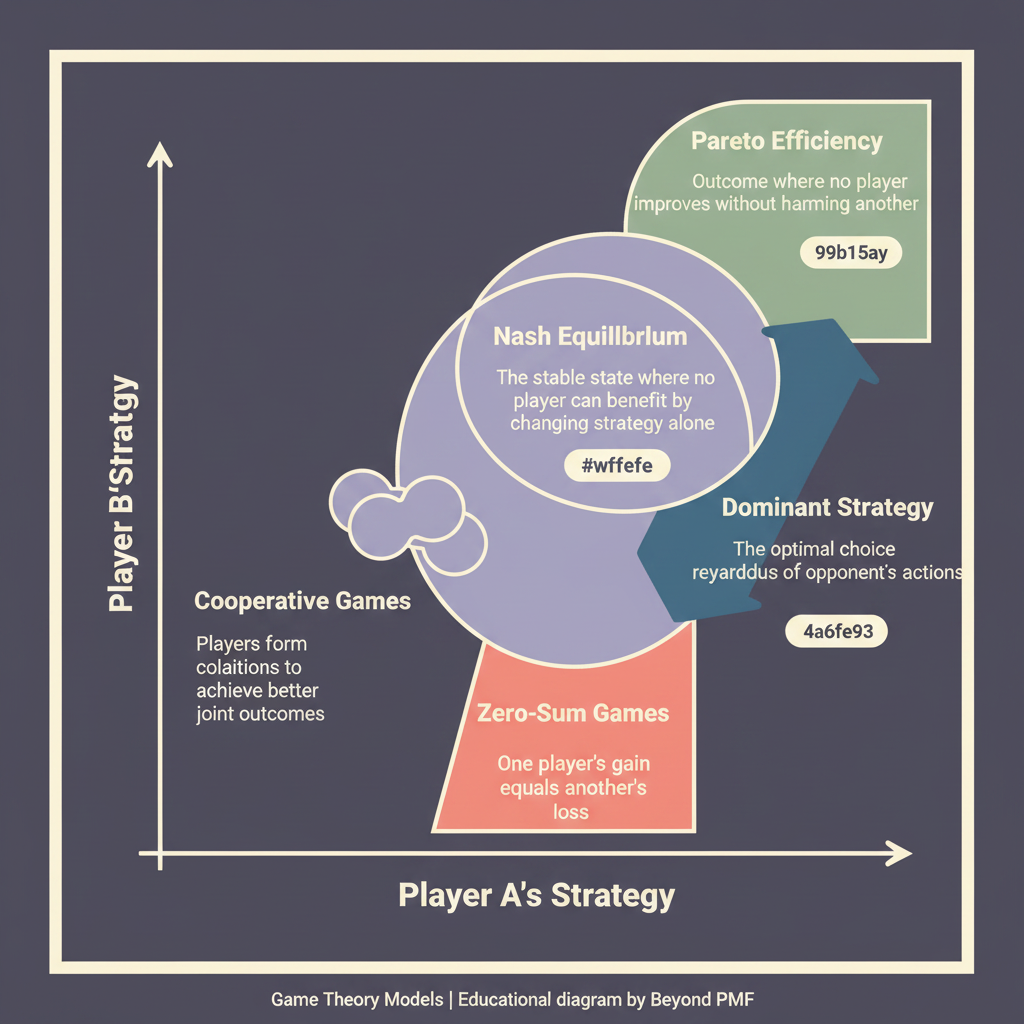
Game Theory Models are a set of frameworks in economics and business that help analyze situations among competing players where the outcome for each participant is affected by the decisions of others. Primarily used in economics, political science, and psychology, these models help predict what decisions players will make in strategic situations. The benefits of using Game Theory include improved decision-making, strategic planning, and competitive analysis.
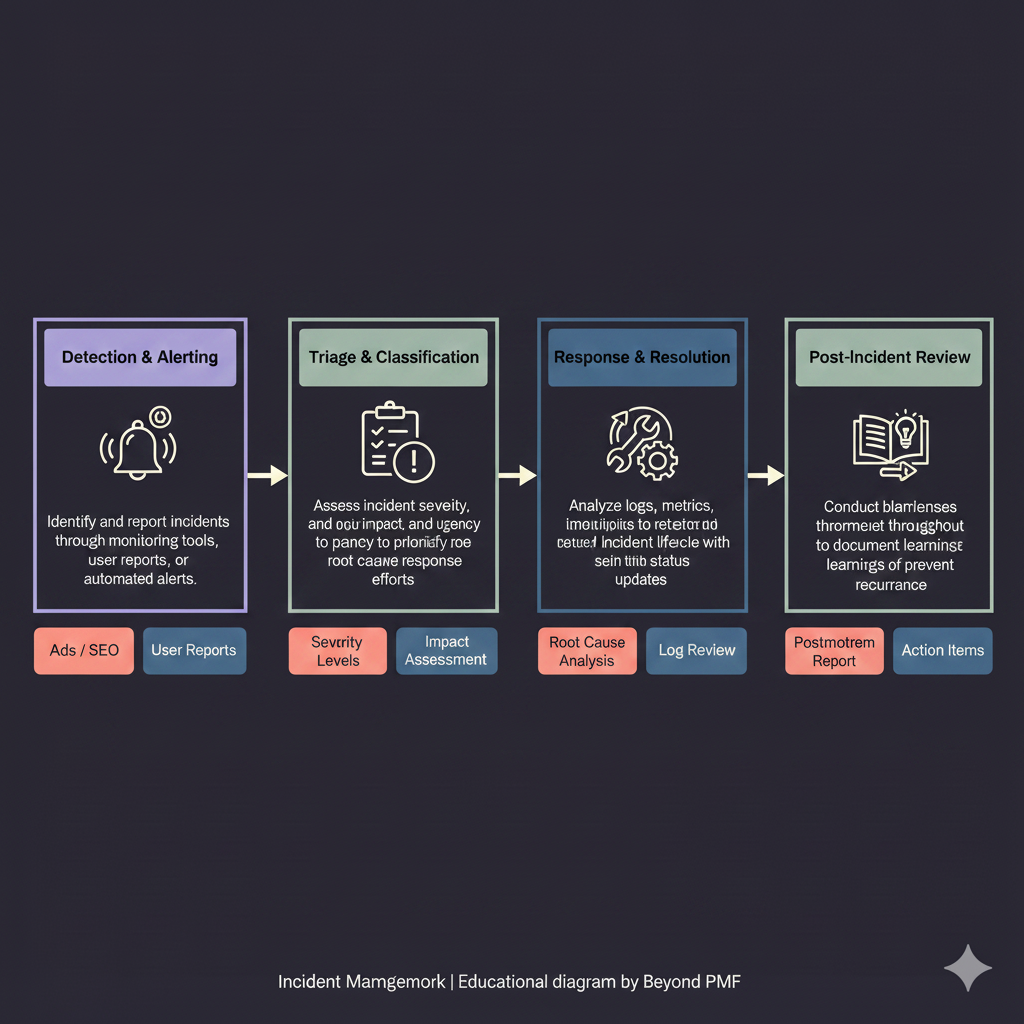
The Incident Management Framework is designed to handle and resolve incidents quickly and effectively, minimizing impact on business operations. It outlines a structured process for identifying, analyzing, and responding to incidents, ensuring that they are resolved in a timely manner. The framework is crucial for maintaining continuity and reliability in business operations, enhancing organizational resilience and compliance with regulatory requirements.
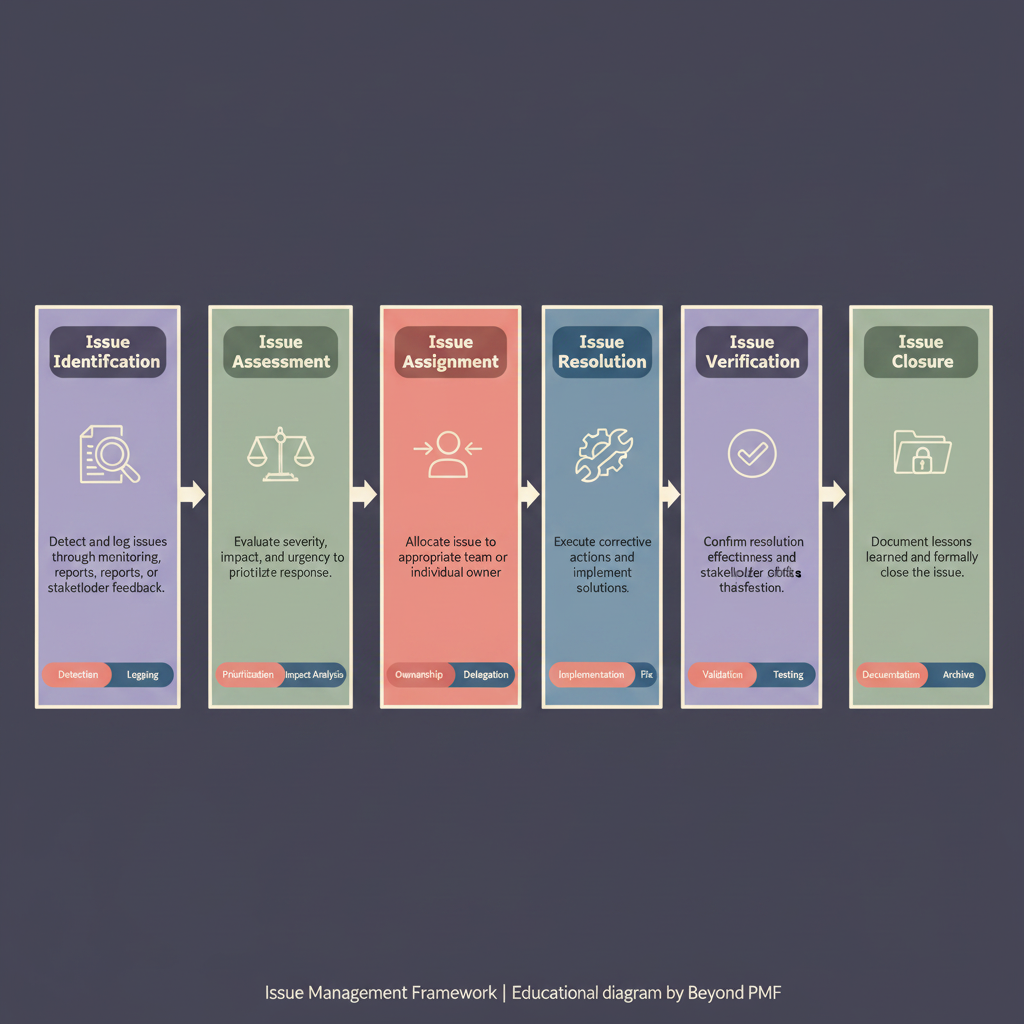
The Issue Management Framework is designed to help organizations effectively handle and resolve issues that arise during the course of business operations. It provides a structured process for identifying issues, assessing their impact, prioritizing them based on urgency and importance, and implementing solutions. This framework is crucial for maintaining project timelines, ensuring quality, and upholding stakeholder satisfaction.
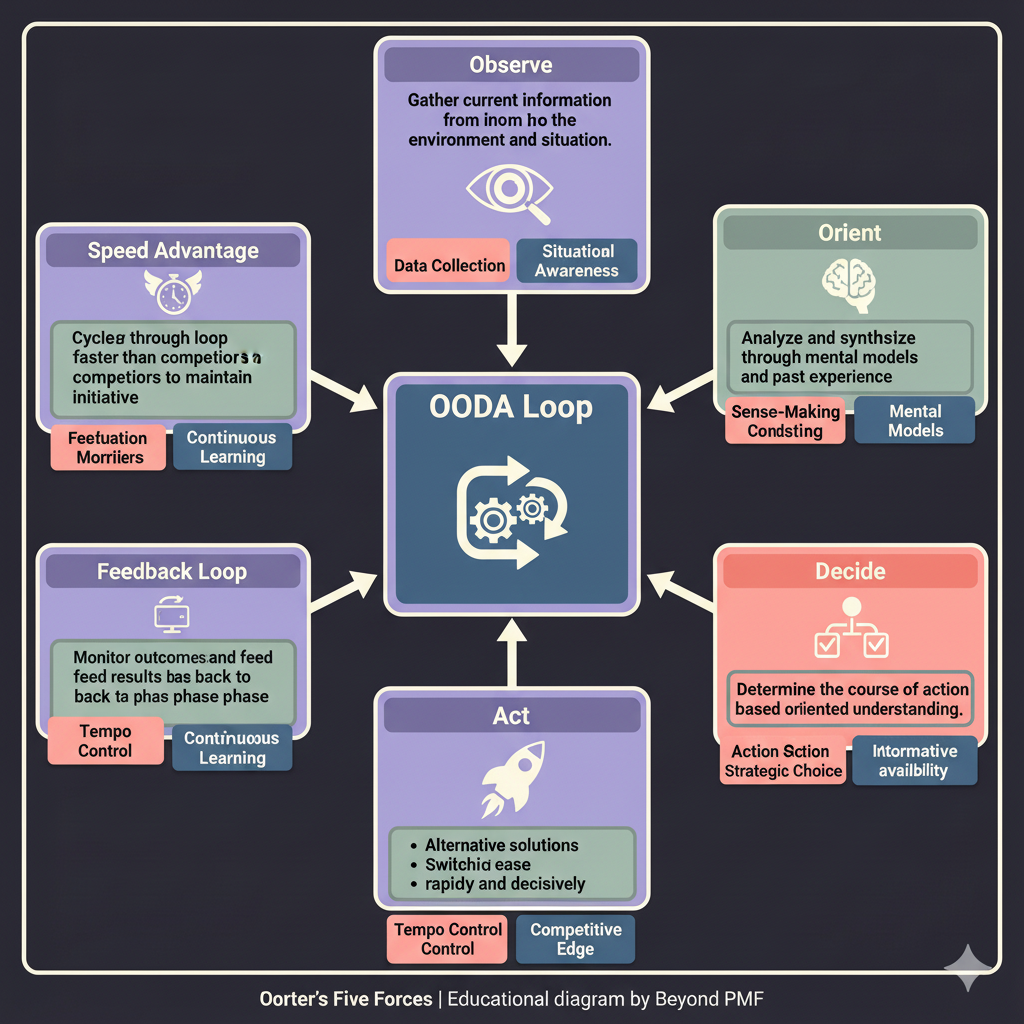
The OODA Loop, which stands for Observe, Orient, Decide, and Act, is a strategic framework developed by military strategist John Boyd. It is designed to help individuals and organizations operate faster than their competitors by continuously cycling through four stages: observing the situation, orienting oneself based on new information and analysis, deciding on the best course of action, and then acting on that decision. This iterative process enhances situational awareness and decision-making speed, making it highly effective in dynamic and competitive settings.
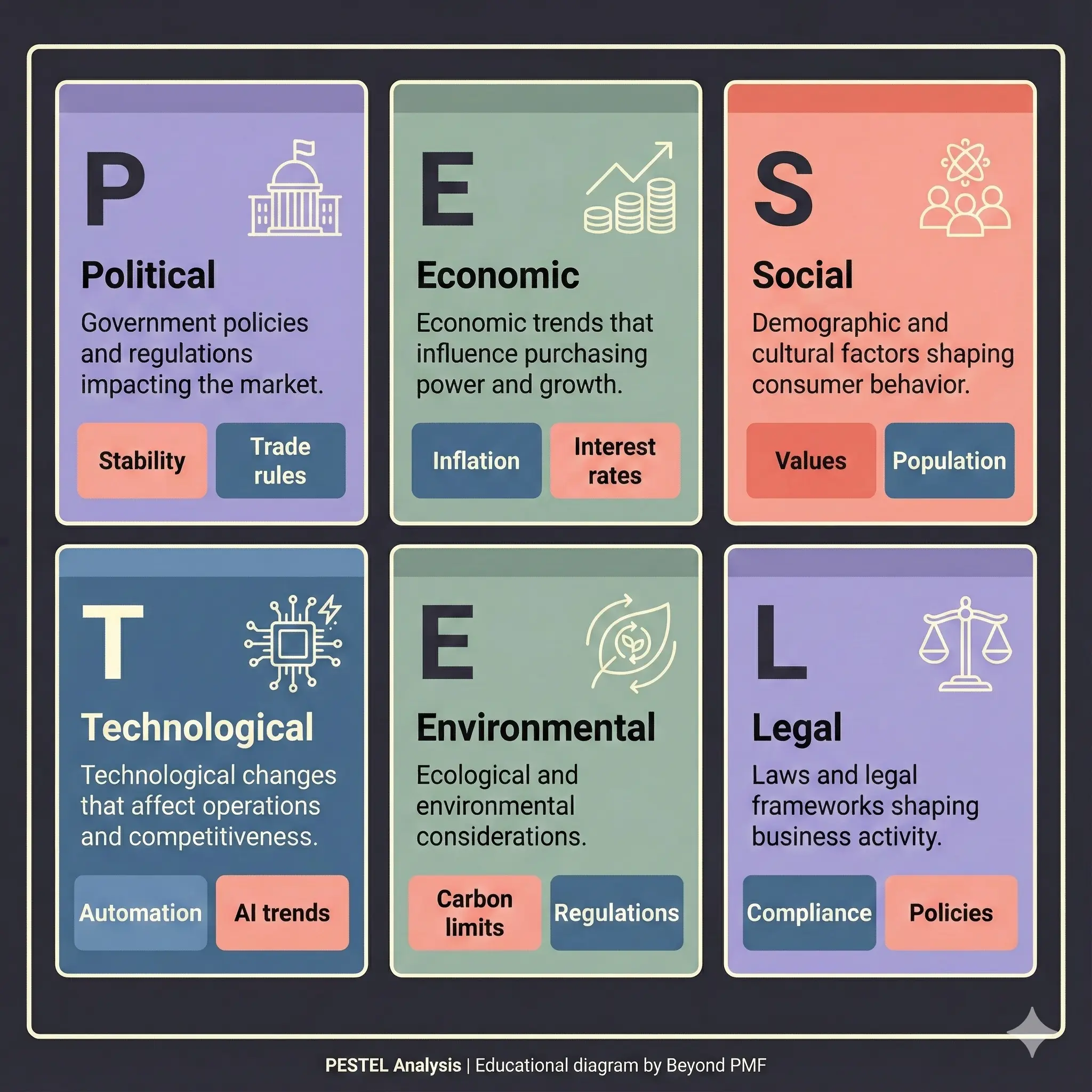
PESTEL Analysis is a framework that helps organizations assess the Political, Economic, Social, Technological, Environmental, and Legal external factors that could impact their operations. This strategic tool is used to understand market growth or decline, business position, potential and direction for operations. The insights gained from a PESTEL Analysis can aid in strategic planning by identifying potential threats and opportunities in the external environment.
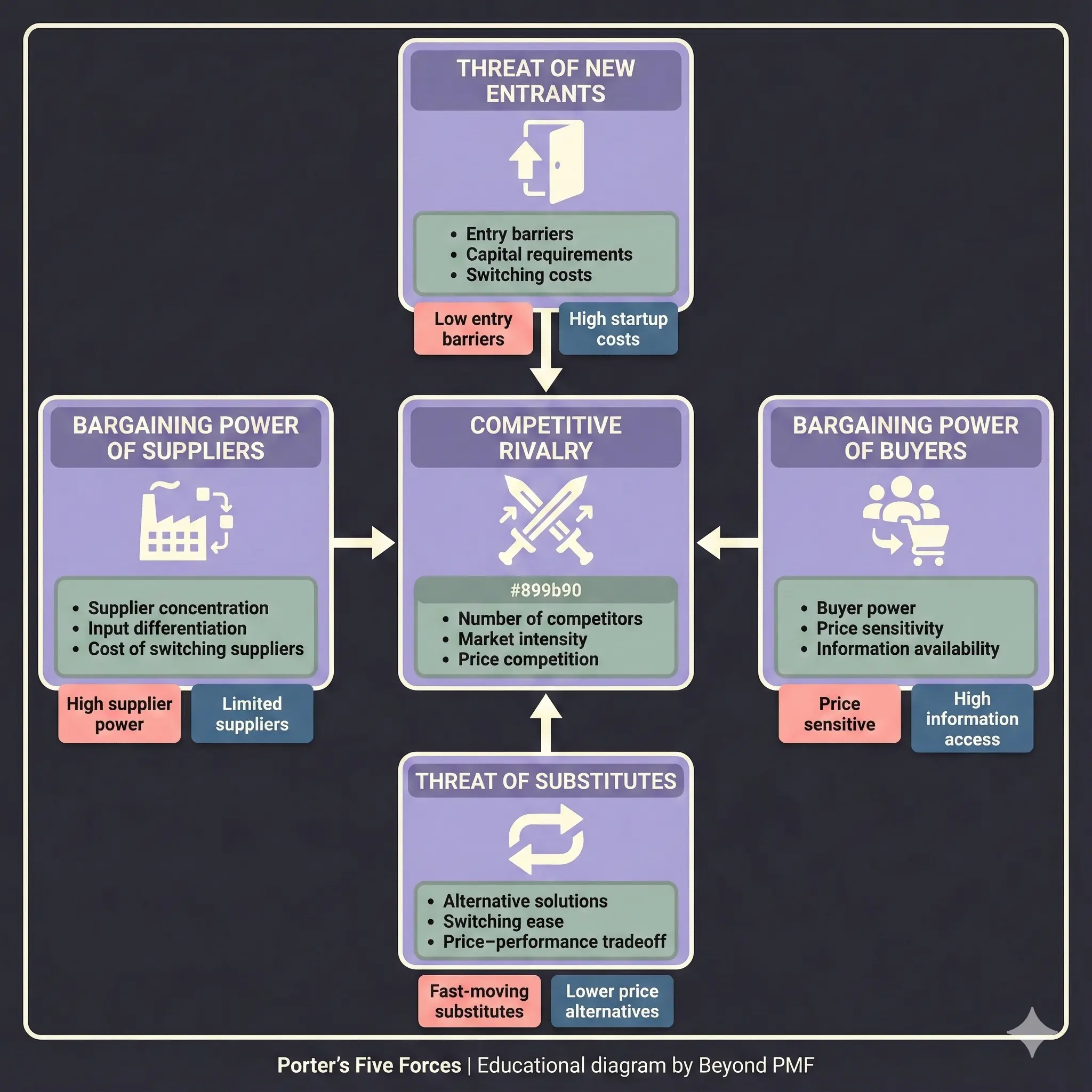
Developed by Michael E. Porter in 1979, Porter's Five Forces framework is used to analyze the competitive forces that shape every industry, and helps determine an industry's weaknesses and strengths. The framework focuses on five forces that determine the competitive intensity and therefore attractiveness of a market. These forces are: competitive rivalry, threat of new entrants, threat of substitute products, bargaining power of buyers, and bargaining power of suppliers. This analysis is crucial for developing strategic positioning and understanding the competitive landscape.
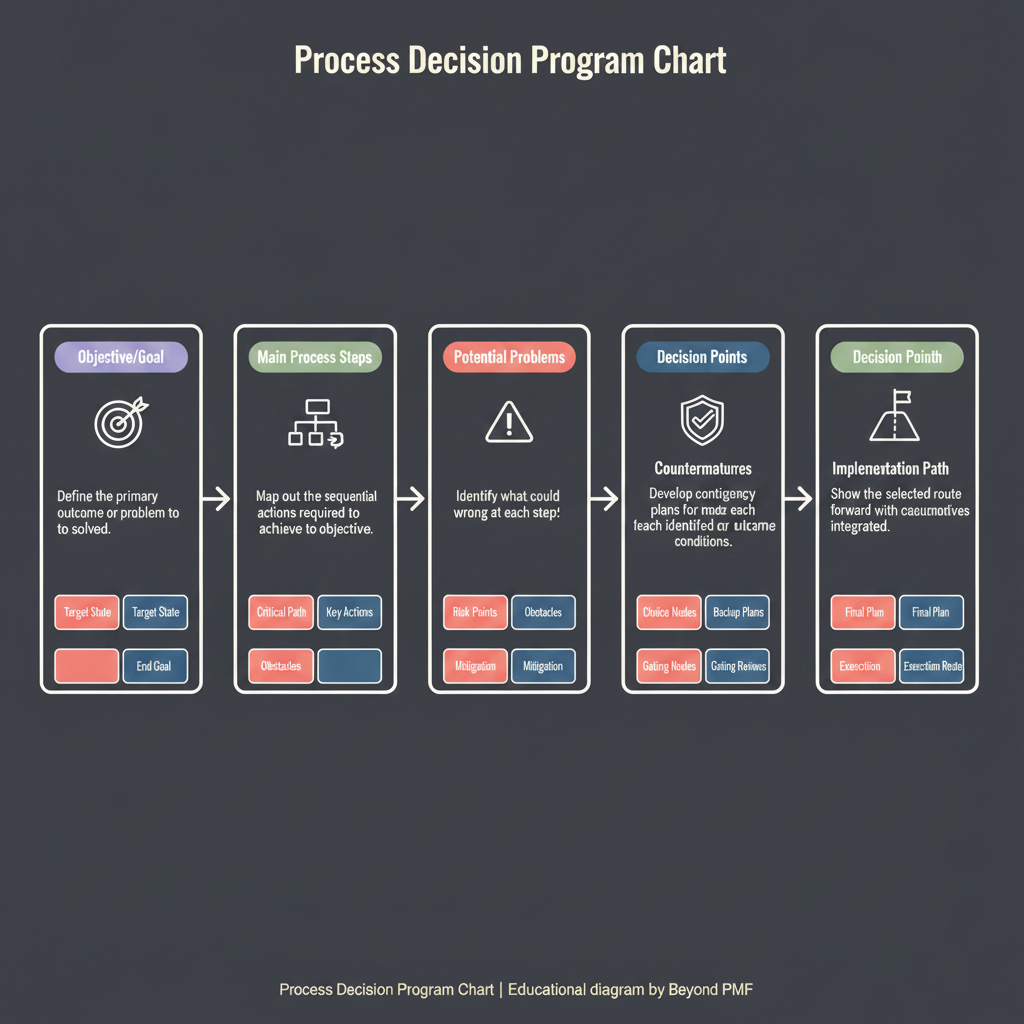
The Process Decision Program Chart (PDPC) is a systematic tool used in risk management and contingency planning. It helps organizations anticipate potential problems that could disrupt a process, and plan effective responses to mitigate these risks. The PDPC extends the Tree Diagram by identifying risks associated with each step in the process and outlining preventive measures and contingencies. This proactive approach not only helps in planning and decision-making but also enhances the reliability and efficiency of project execution.
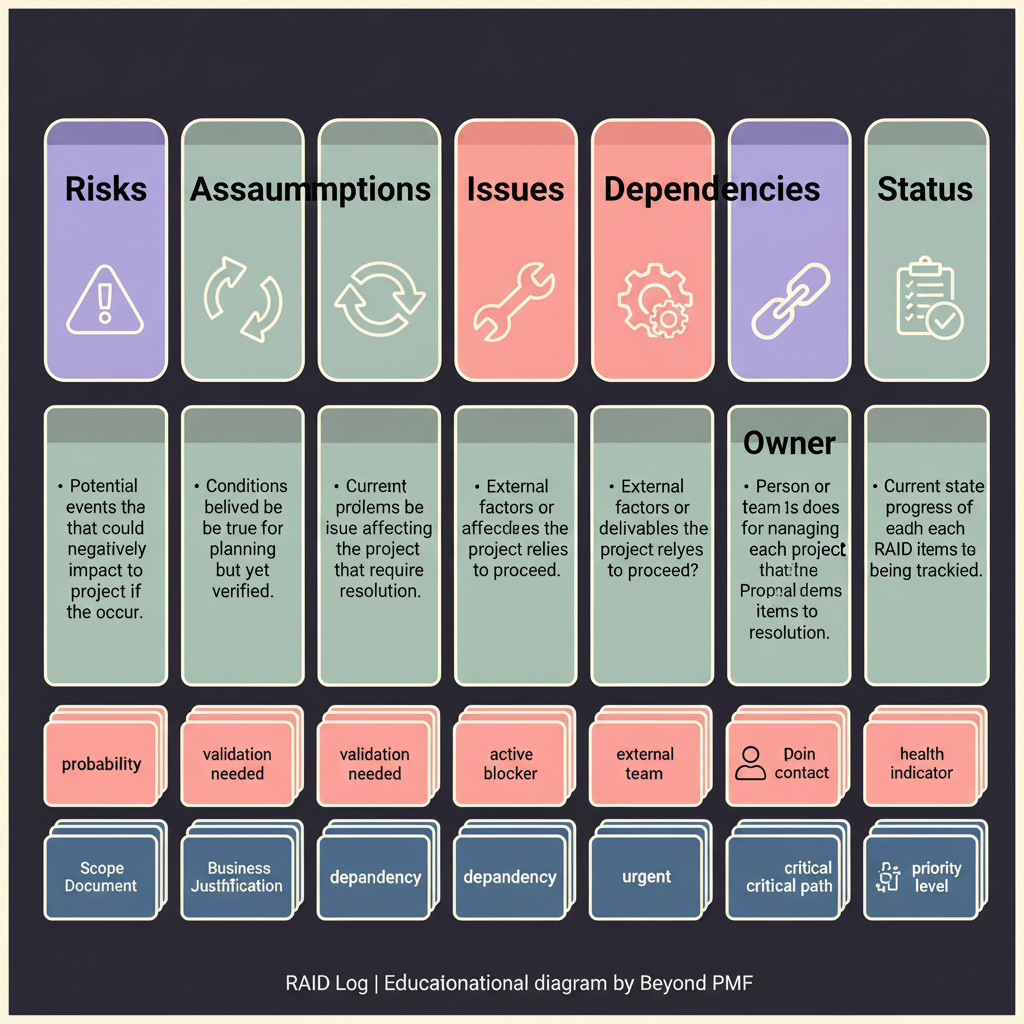
A RAID Log is a simple yet effective project management framework used to track Risks, Assumptions, Issues, and Dependencies. It serves as a centralized repository that allows project managers and teams to foresee potential problems and plan accordingly. By maintaining a RAID Log, teams can ensure that they are aware of and can proactively manage elements that could impact the project's success, thereby increasing transparency and improving communication among stakeholders.

The Risk Assessment Matrix is a visual tool that helps organizations identify, evaluate, and prioritize risks by categorizing them based on their probability of occurring and the severity of their impact. This framework is crucial for risk management as it facilitates a structured approach to identifying potential risks and developing strategies to mitigate them. It is widely used due to its simplicity and effectiveness in providing a clear overview of risks, which aids in decision-making and resource allocation.
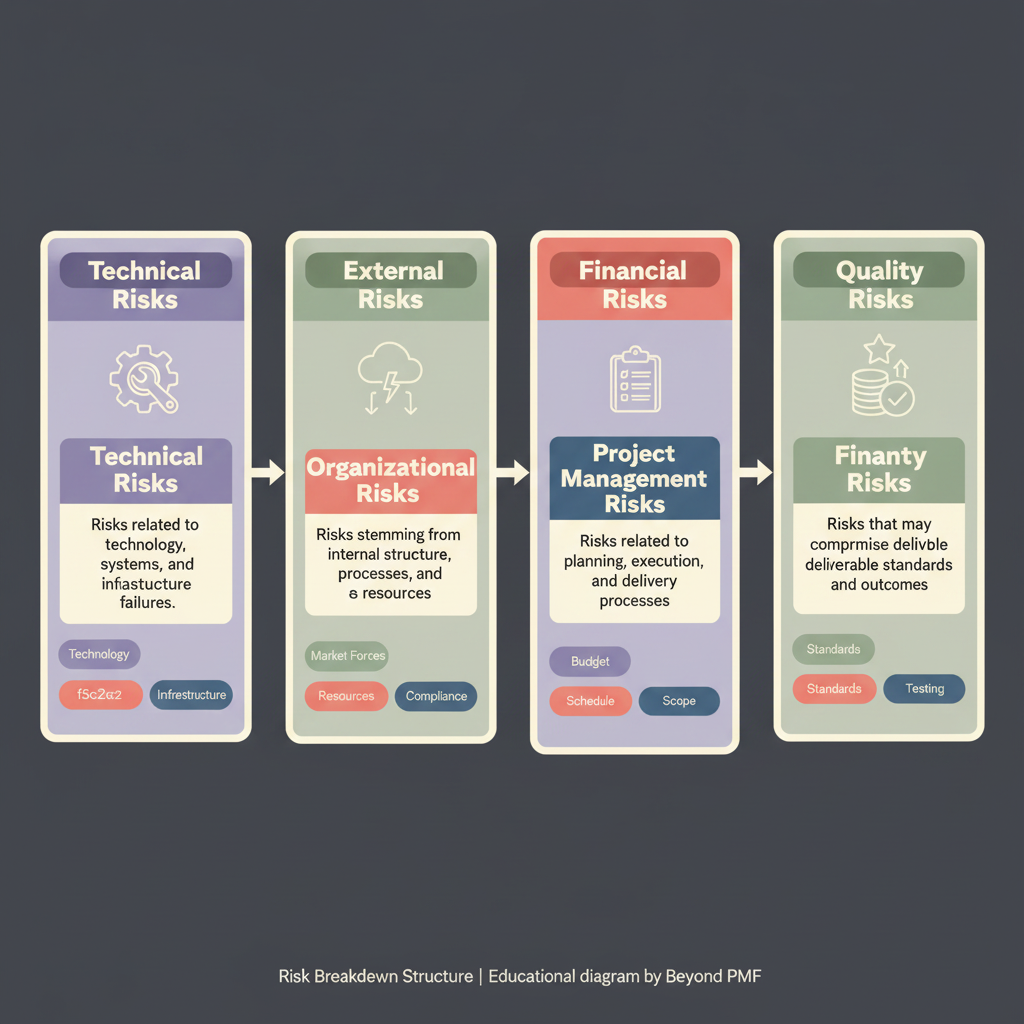
The Risk Breakdown Structure is a hierarchical decomposition of risks that could impact a project's objectives. It organizes risks into categories and subcategories, making it easier to identify, assess, and manage them systematically. This framework is essential for project managers to prioritize risks and develop effective mitigation strategies, thereby enhancing the overall risk management process and increasing the likelihood of project success.
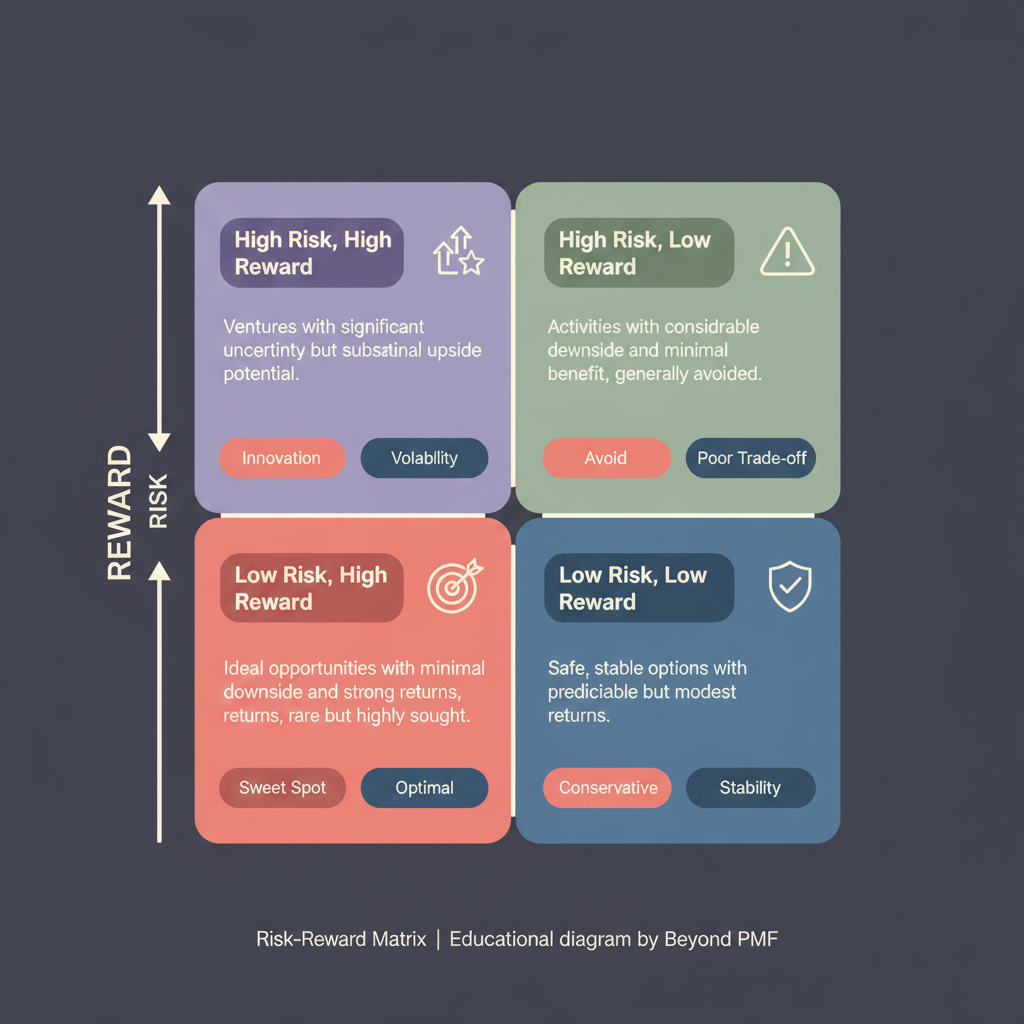
The Risk-Reward Matrix is a strategic framework used by businesses and investors to assess the potential risks and rewards associated with different decisions or investments. By plotting options on a matrix based on their potential risk and reward, decision-makers can visually compare options and prioritize those that offer the best balance between risk and potential return. This framework is particularly beneficial for making informed decisions in uncertain environments.
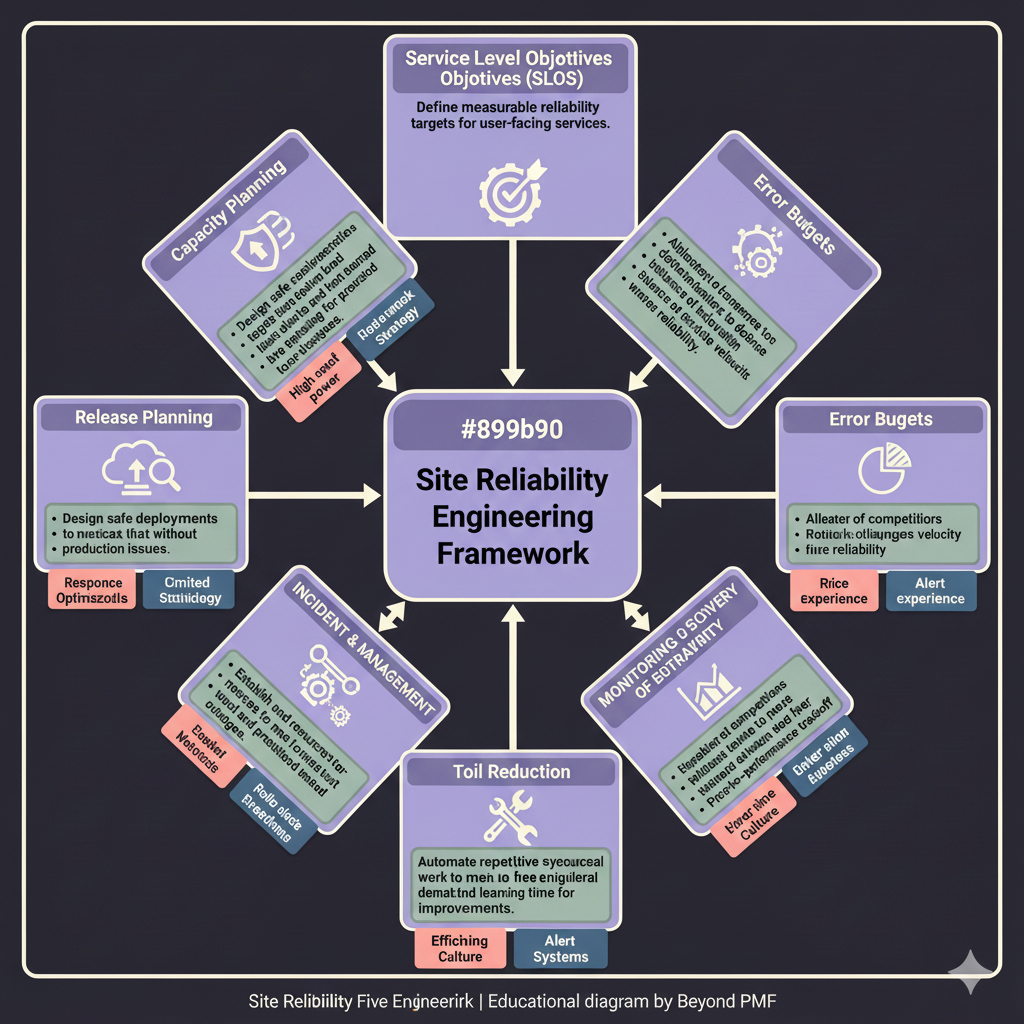
The Site Reliability Engineering Framework is a set of practices and principles designed to improve the reliability, scalability, and efficiency of software systems. Developed by Google, SRE emphasizes automation, continuous improvement, and proactive monitoring to ensure systems meet their desired service levels. The framework helps organizations balance the need for releasing new features with the necessity of maintaining system stability, thereby reducing the frequency and impact of service disruptions.
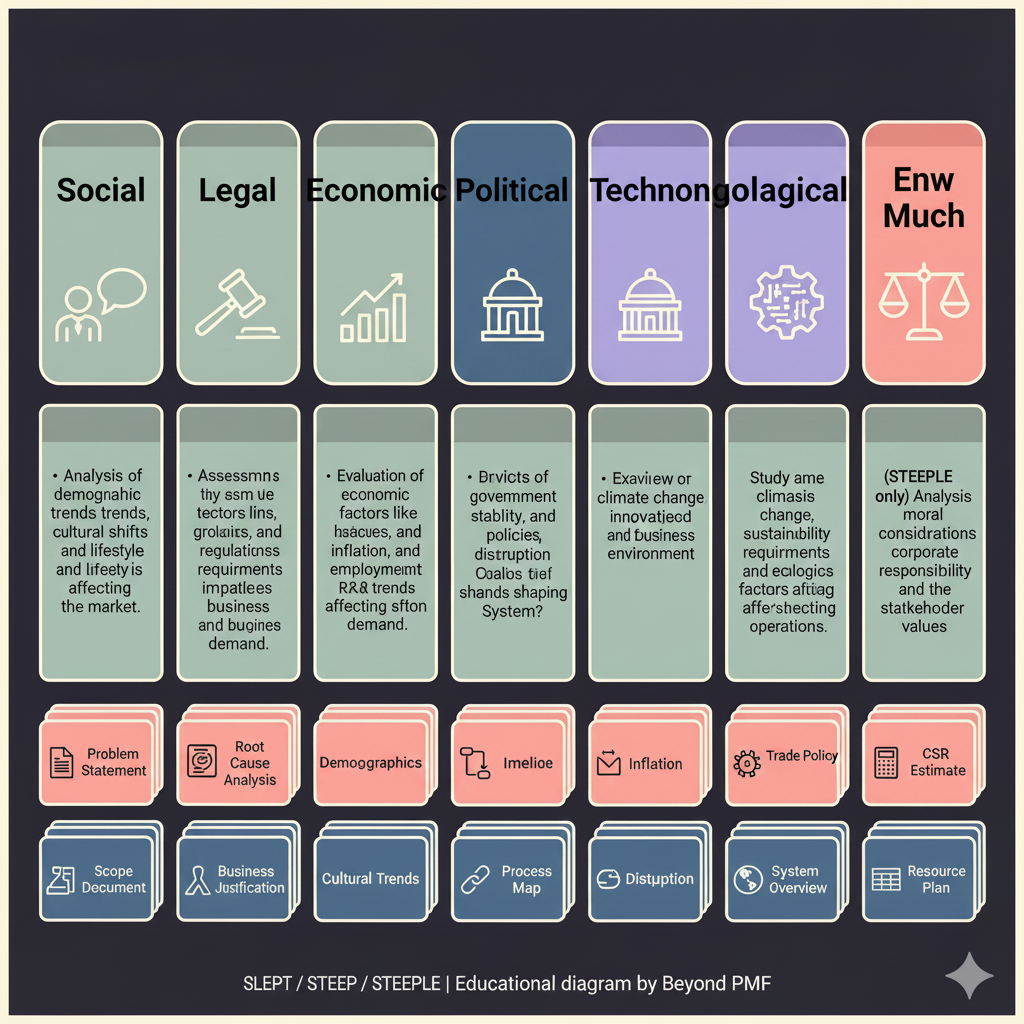
The SLEPT / STEEP / STEEPLE framework is a comprehensive tool used to assess the external factors that could impact an organization's performance. It stands for Social, Legal, Economic, Political, Technological, Environmental, and Ethical factors. Businesses use this framework to identify potential opportunities and threats in their external environment, enabling them to strategize effectively and mitigate risks. The inclusion of environmental and ethical factors in STEEPLE makes it particularly relevant in today's sustainability-focused business landscape.
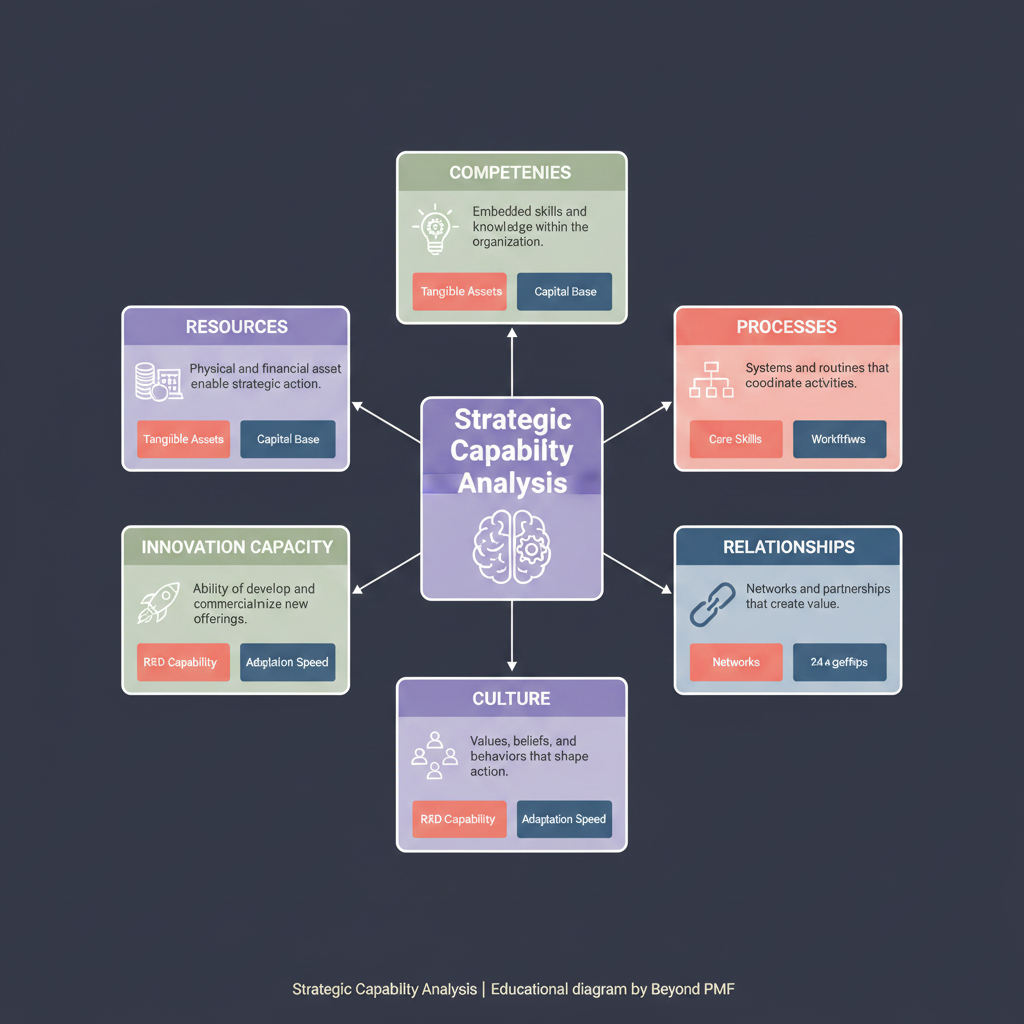
Strategic Capability Analysis is a comprehensive framework designed to evaluate the internal capabilities of an organization in relation to its strategic goals. It helps businesses identify key resources and competencies that provide a competitive advantage, while also pinpointing areas that require improvement or realignment. This analysis is crucial for aligning organizational capabilities with market demands and strategic objectives, thereby enhancing overall performance and competitiveness.
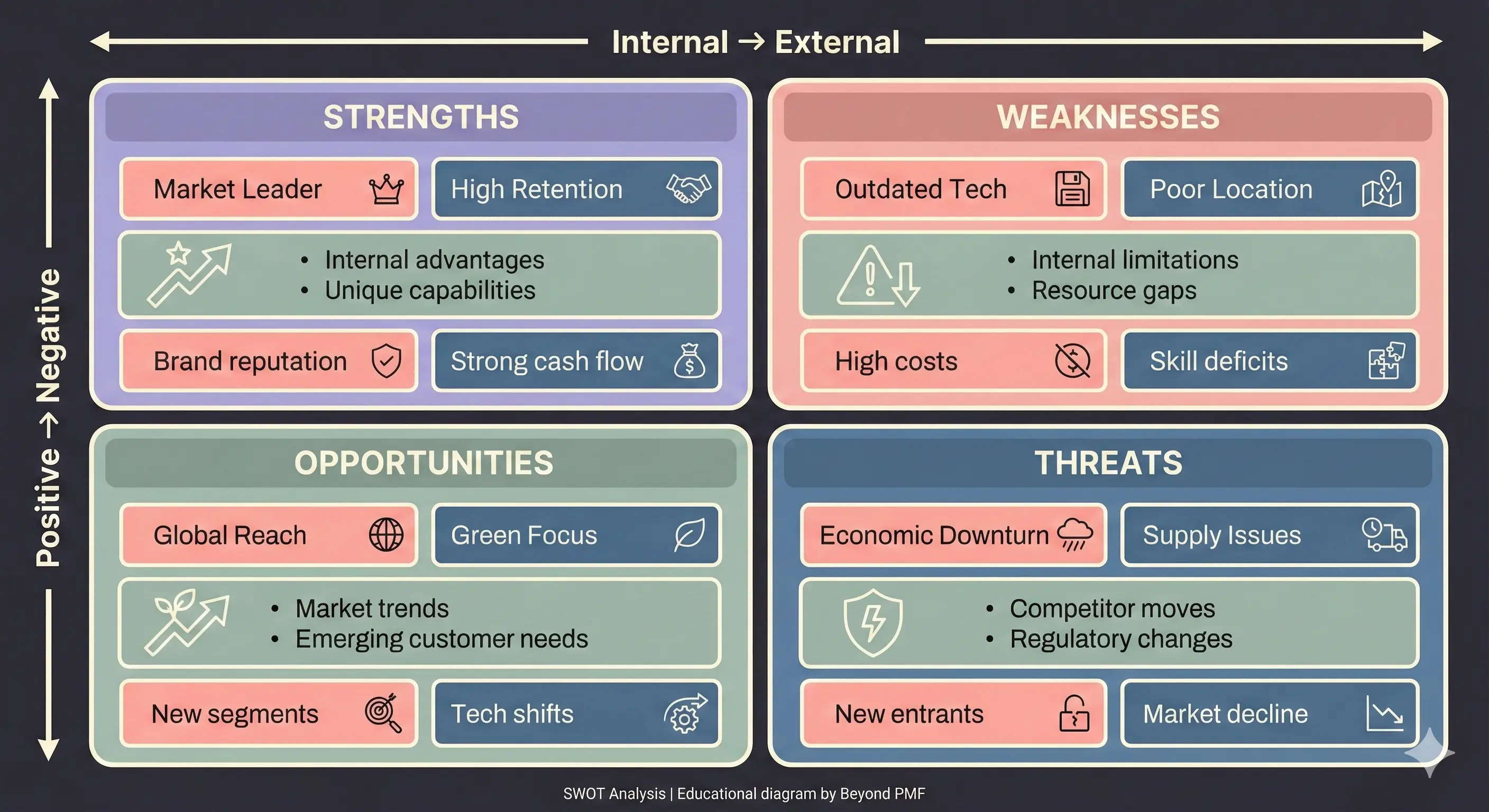
SWOT Analysis is a framework that helps organizations assess their position within the marketplace or against a specific objective. By evaluating internal strengths and weaknesses alongside external opportunities and threats, businesses can formulate strategies that capitalize on their advantages while mitigating risks. This analysis is crucial for strategic planning and decision-making, offering a clear, organized overview of a company's competitive landscape.

The Technical Debt Framework is a strategic approach used by software development teams to identify, quantify, and manage technical debt. Technical debt refers to the future costs incurred as a result of earlier expedient but suboptimal software development decisions. The framework helps teams prioritize debt repayment tasks to improve code quality and maintainability, thereby reducing long-term costs and improving system reliability.

The Technical Debt Quadrant, introduced by Martin Fowler, is a conceptual framework that helps software development teams categorize technical debt into four types based on whether the debt was incurred recklessly or prudently and whether it was deliberate or inadvertent. This categorization aids in understanding the nature of the debt and strategizing its resolution. It emphasizes the importance of managing technical debt proactively to maintain software quality and efficiency.