
Scrum frameworks provide a lightweight, iterative delivery system built around sprints, roles, and ceremonies. They help teams deliver increments of value while continuously learning and improving. Scrum is effective when teams need rhythm, transparency, and rapid feedback. Use this category for practical Scrum patterns and variants.

The Agile Framework is a popular approach in project management used primarily in software development but applicable to other industries as well. It focuses on delivering work in small, manageable increments, known as sprints, and emphasizes collaboration, continual planning, and learning. The framework allows teams to adapt to changes quickly and efficiently, thereby increasing productivity and reducing time to market.

The Agile Release Train (ART) is a key component of the Scaled Agile Framework (SAFe) designed to help large organizations deliver solutions efficiently by aligning teams to a shared business and technology mission. ART operates on a set schedule known as a Program Increment (PI), typically 8-12 weeks, during which all teams on the train deliver incremental value in the form of working, tested software and systems. The ART aligns teams to a common mission through synchronized iterations and integrated planning, which helps manage dependencies and provides a predictable delivery schedule.

The Agile Scaling Framework is designed to facilitate the application of agile methodologies across larger, more complex projects involving multiple teams. It aims to synchronize workflows, maintain alignment with business goals, and ensure consistent delivery of high-quality products. By scaling agile practices, organizations can manage larger projects more effectively, fostering collaboration and adapting to changes swiftly.
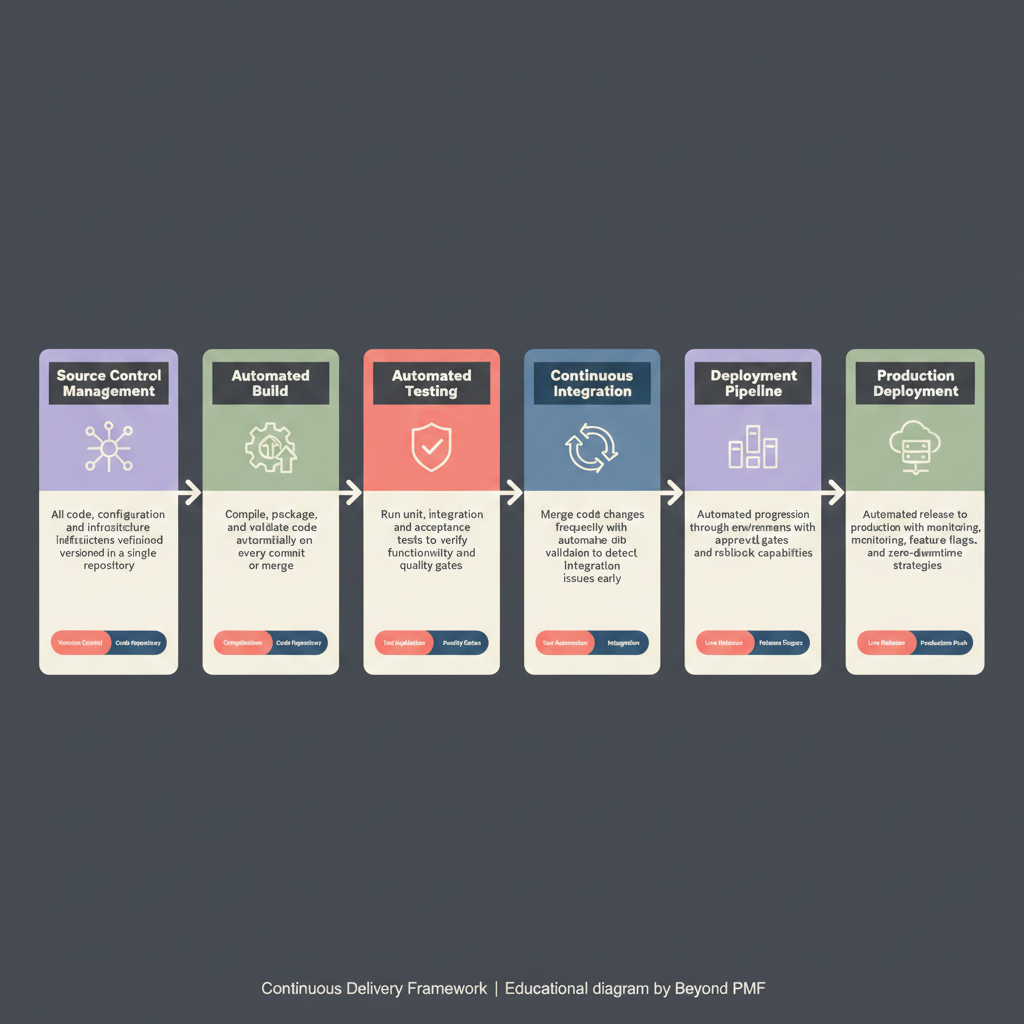
The Continuous Delivery Framework is a set of practices and principles aimed at enabling software development teams to deliver code changes more frequently and reliably. This approach emphasizes the automation of software delivery processes to minimize manual work and ensure consistent deployments. By integrating regularly and automating the deployment process, teams can release updates with speed, less risk, and higher quality.
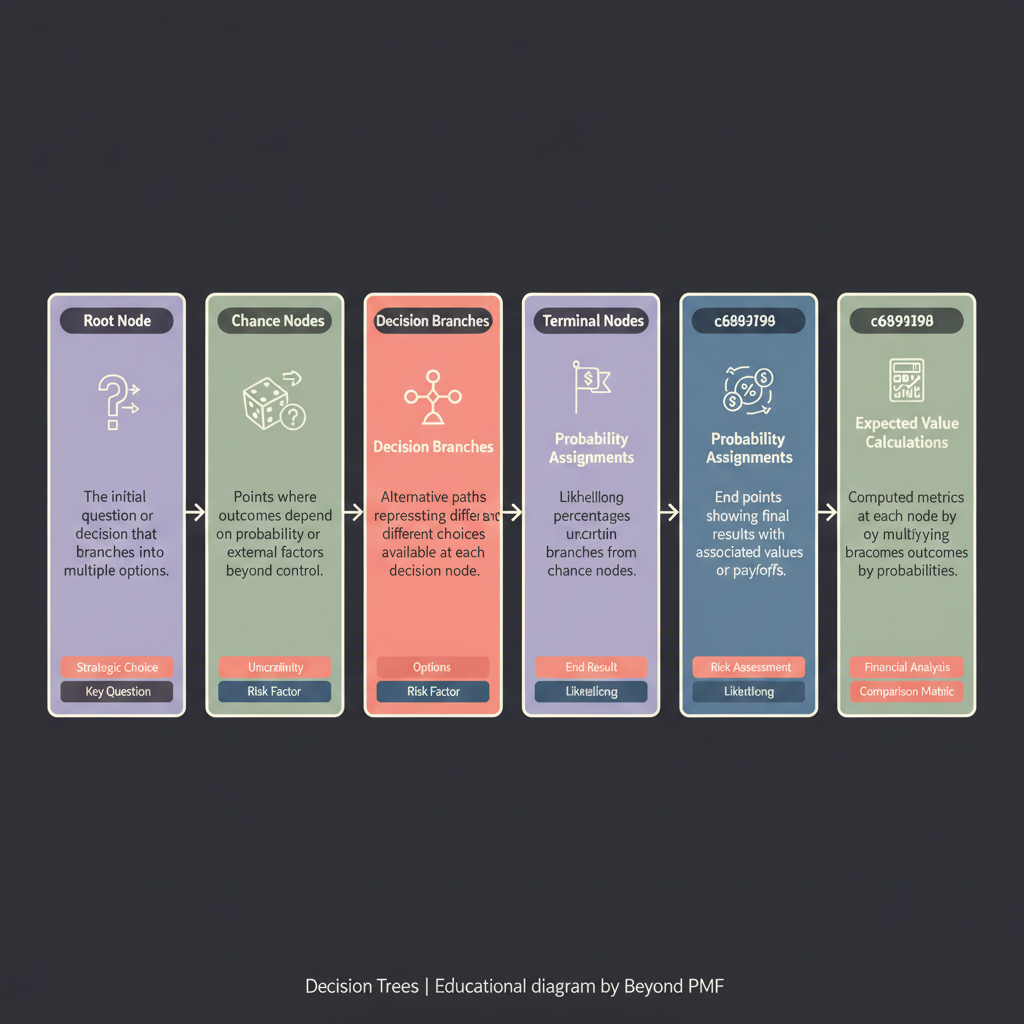
Decision Trees are a popular framework used in decision analysis to help identify a strategy most likely to reach a goal. It is a schematic representation involving branches that represent decision paths and each node denotes a test on an attribute, leading to a decision or classification. This framework is favored for its simplicity and effectiveness in laying out multiple decision paths and assessing the implications of various choices, thereby facilitating complex decision-making processes.
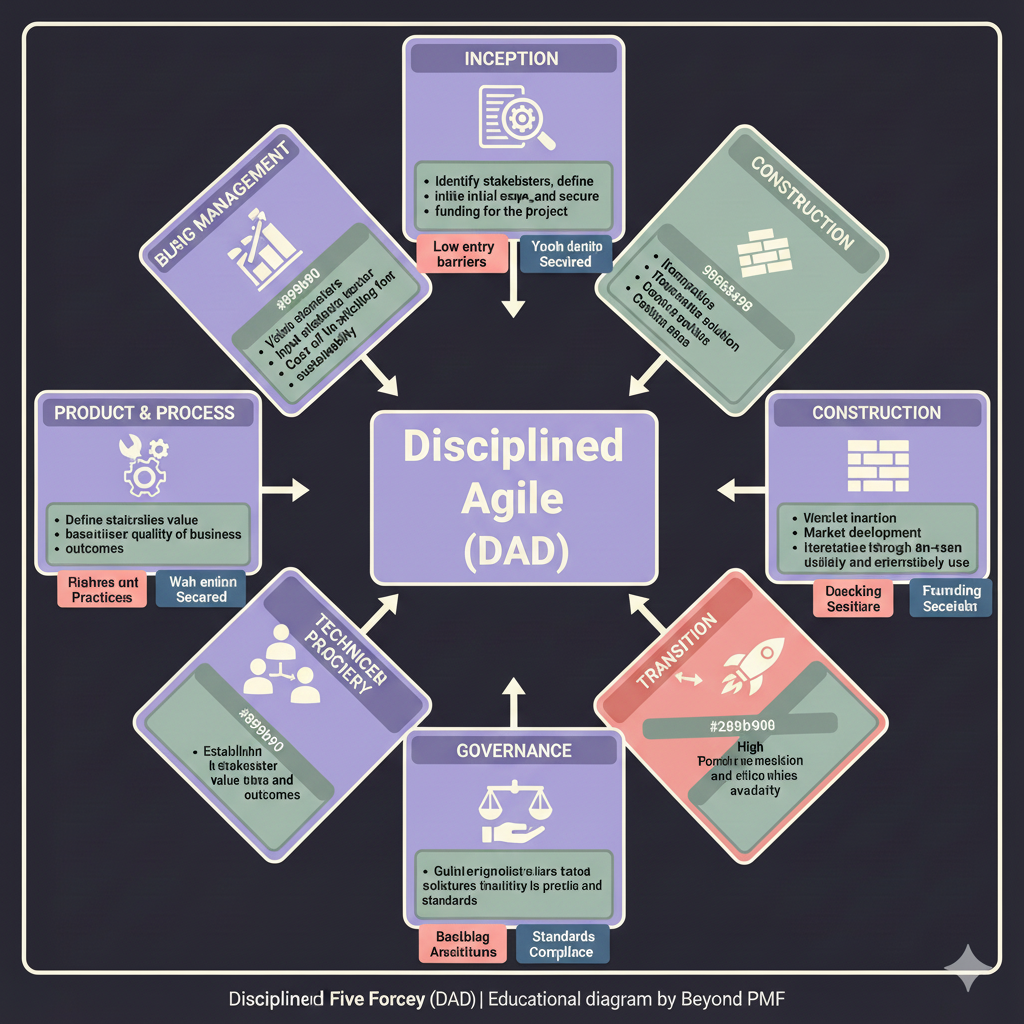
Disciplined Agile Delivery (DAD) is a hybrid agile approach to IT solution delivery that provides a solid foundation for business agility. It combines leading agile and lean approaches such as Scrum, Kanban, and SAFe, providing a decision framework that guides teams in making informed process decisions based on the specifics of their organizational and project context. DAD promotes a more disciplined approach to agile by addressing gaps left by other methodologies, particularly in the areas of architecture and design, as well as in governance.
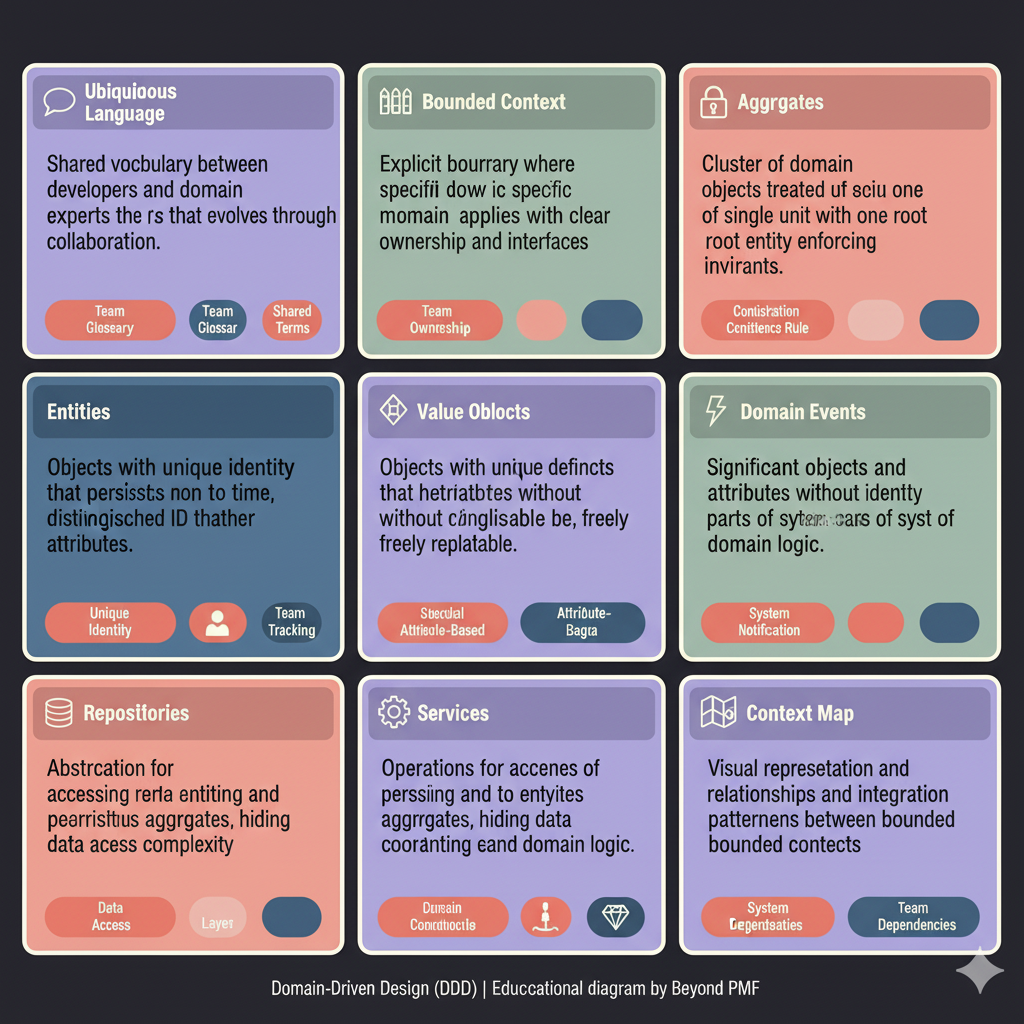
Domain-Driven Design (DDD) is a framework for designing and implementing software systems that focuses on creating a model based on the core business concepts. It emphasizes collaboration between technical and domain experts to improve system functionality and ensure the software accurately reflects business needs. DDD helps in tackling complexity by dividing the system into bounded contexts and defining ubiquitous language, making it easier to deal with large models and teams.
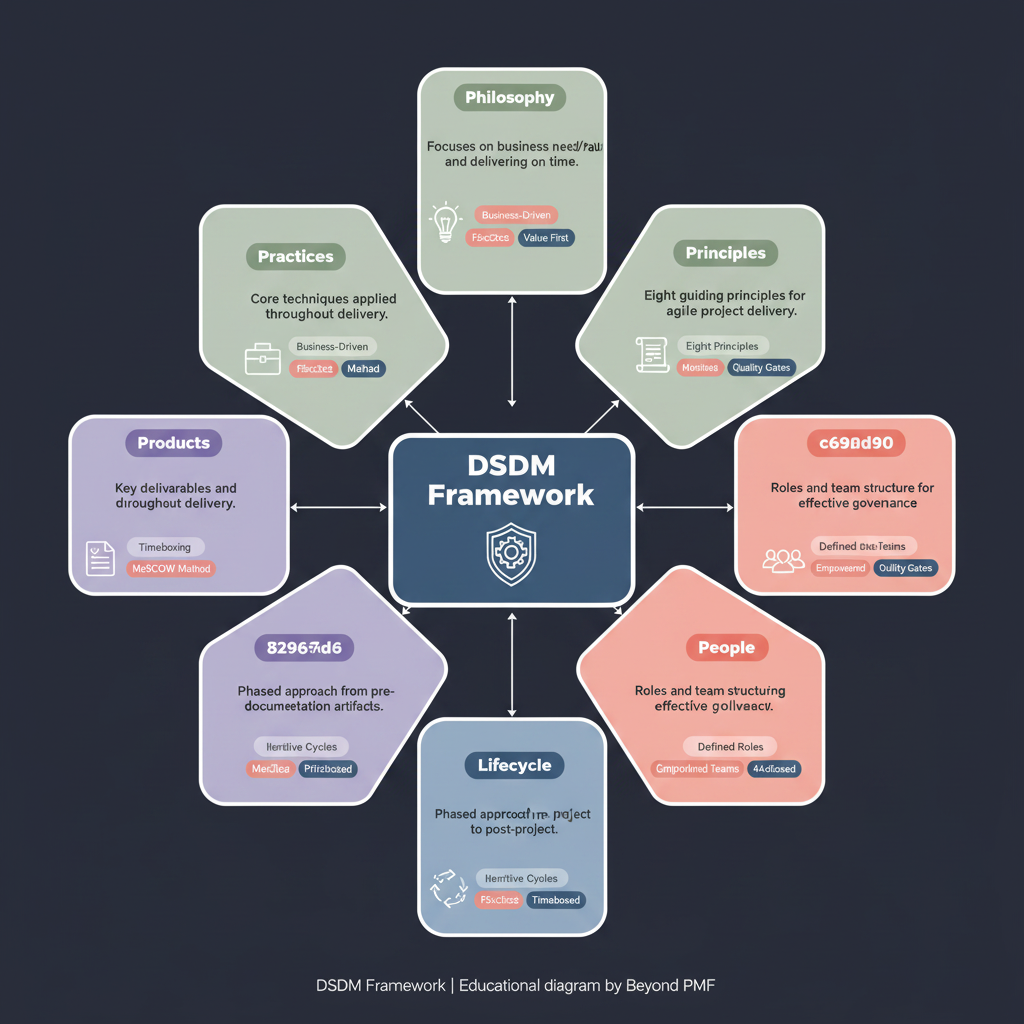
The Dynamic Systems Development Method (DSDM) Framework is a comprehensive agile project management and delivery framework that focuses on timely delivery of business solutions. The framework is built on collaboration and iterative progress through controlled project environments. It ensures that strategic goals are met within budget, on schedule, and with rigorous quality standards. DSDM is particularly effective in environments where requirements are likely to change, allowing for rapid adjustments without significant rework.

Dual-Track Agile is a software development methodology that separates the product development process into two distinct tracks: Discovery and Delivery. The Discovery track focuses on understanding user needs, validating ideas, and designing solutions, while the Delivery track concentrates on building, testing, and deploying the product. This approach allows teams to continuously learn and adapt their product based on user feedback and changing requirements, thus reducing the risk of building the wrong product and enhancing the ability to meet market demands efficiently.

Dual-Track Development is a framework that divides the product development process into two distinct tracks: Discovery and Delivery. The Discovery track focuses on understanding user needs, validating ideas, and designing solutions, while the Delivery track concentrates on building, testing, and deploying the product. This separation enhances efficiency by allowing continuous learning and adaptation, and ensures that the development team is always working on well-defined, validated requirements.

Empirical Process Control is a fundamental principle in agile project management, particularly in Scrum methodologies. It is based on the idea that the process to be managed should be observed and measured regularly to make informed decisions. This framework helps teams adapt to changes quickly and efficiently by providing a structure for continuous feedback and iterative development. The main benefits include improved project adaptability, enhanced team responsiveness, and increased project transparency.
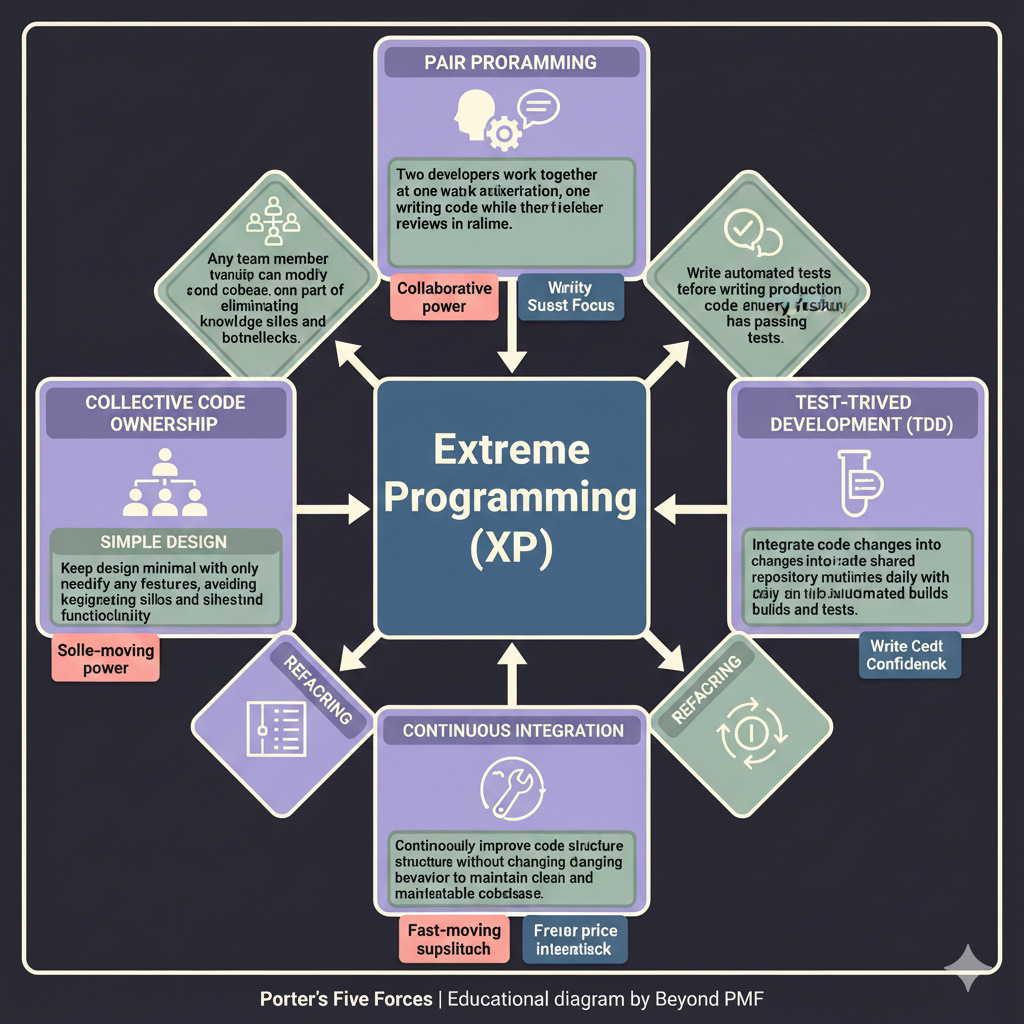
Extreme Programming (XP) is a software development methodology that is intended to improve software quality and responsiveness to changing customer requirements. As a type of agile development, XP advocates frequent releases in short development cycles, which improves productivity and introduces checkpoints where new customer requirements can be adopted. The methodology also promotes teamwork, collaboration, and process adaptability throughout the life-cycle of the project.

The Feature Factory Framework is designed to optimize the process of feature development within software engineering teams. It emphasizes rapid production and deployment of features to meet business goals quickly. The framework encourages a high output of features by structuring development cycles around short, iterative phases. This approach helps organizations respond swiftly to market changes and user feedback, while maintaining a focus on delivering tangible products.
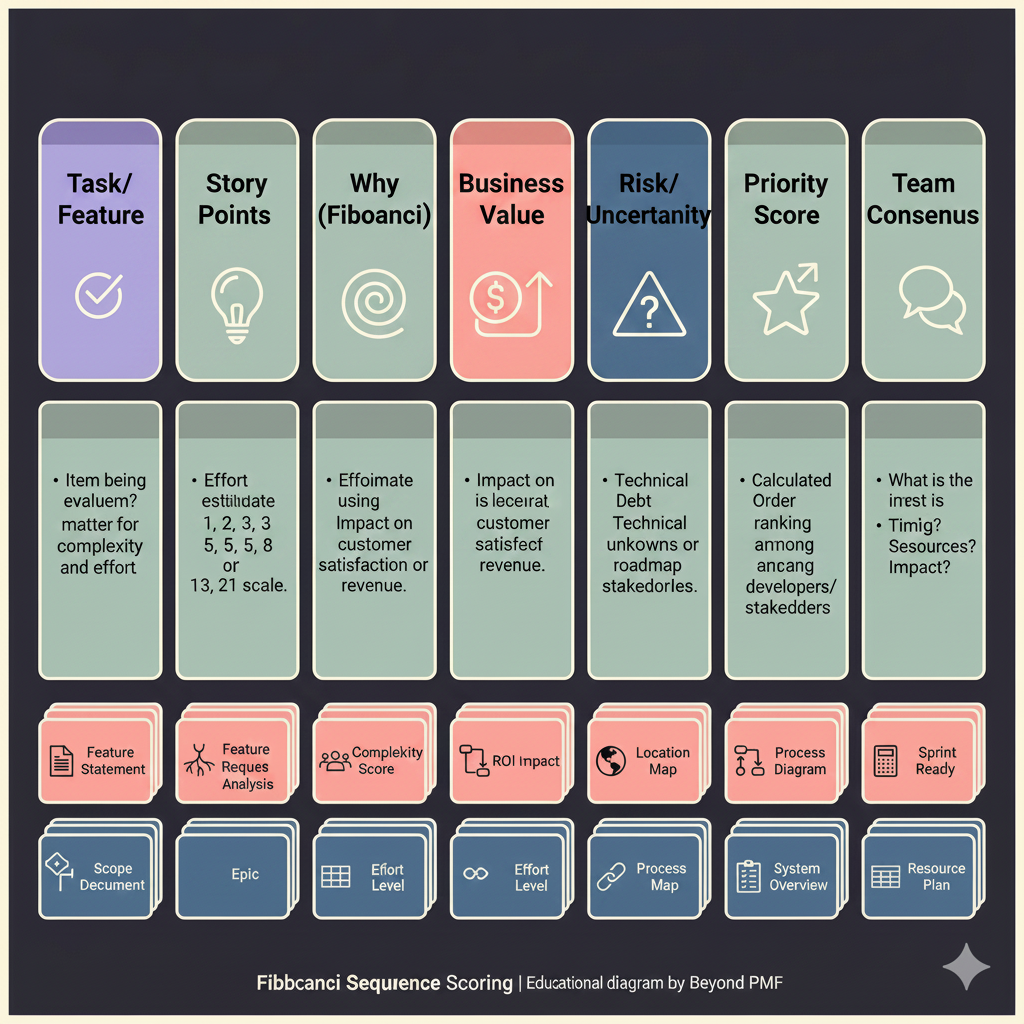
Fibonacci Sequence Scoring utilizes the Fibonacci sequence to assign values to tasks or features, reflecting their complexity or effort. This method is favored because it naturally reflects the inherent uncertainty in estimating larger items, which tend to have more variability than smaller ones. It is widely used in Agile methodologies, particularly in planning poker, to achieve consensus and improve estimation accuracy.
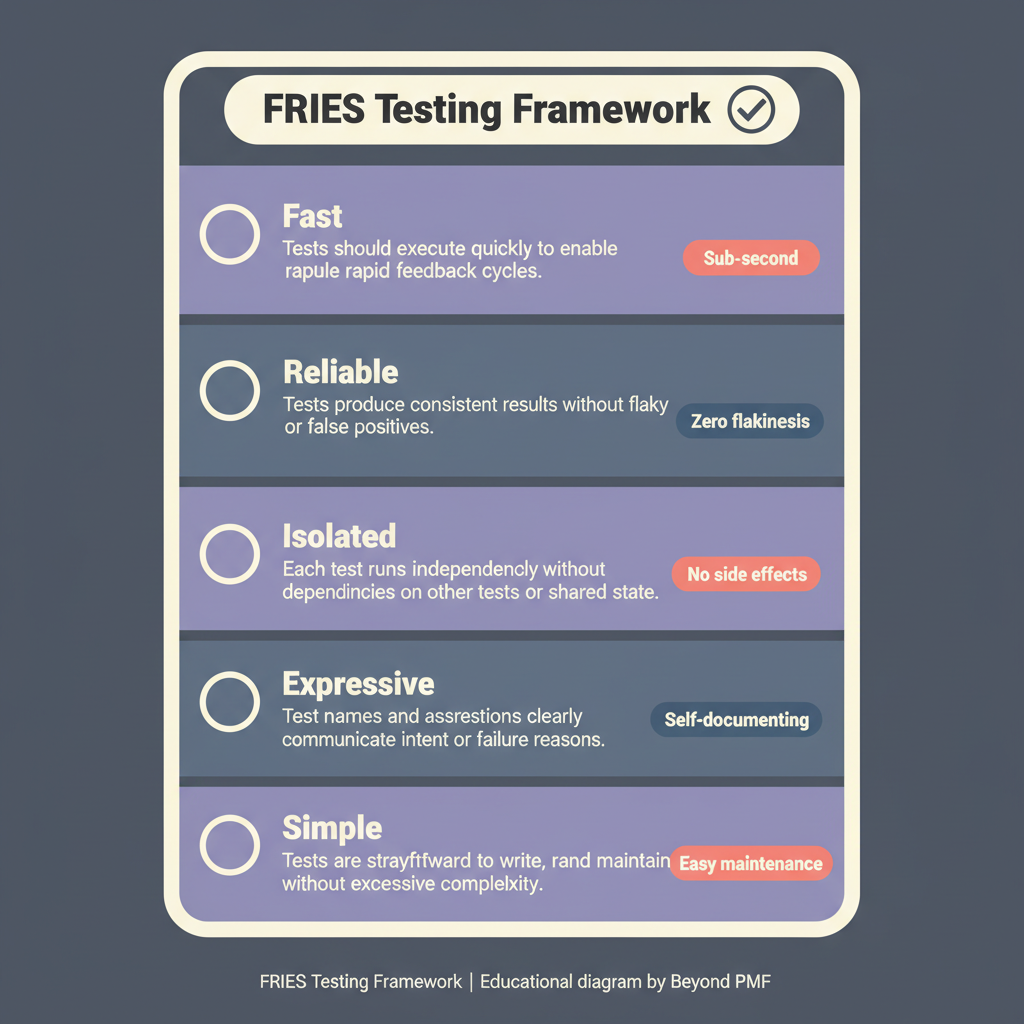
The FRIES Testing Framework is designed to enhance the quality and efficiency of software testing processes. It focuses on creating tests that are Flexible, Repeatable, Isolated, Efficient, and Scalable, thereby ensuring that software products meet their requirements consistently under varied conditions. This framework is particularly beneficial in environments where rapid development and frequent testing are required, as it helps in identifying defects early and reducing the time to market.
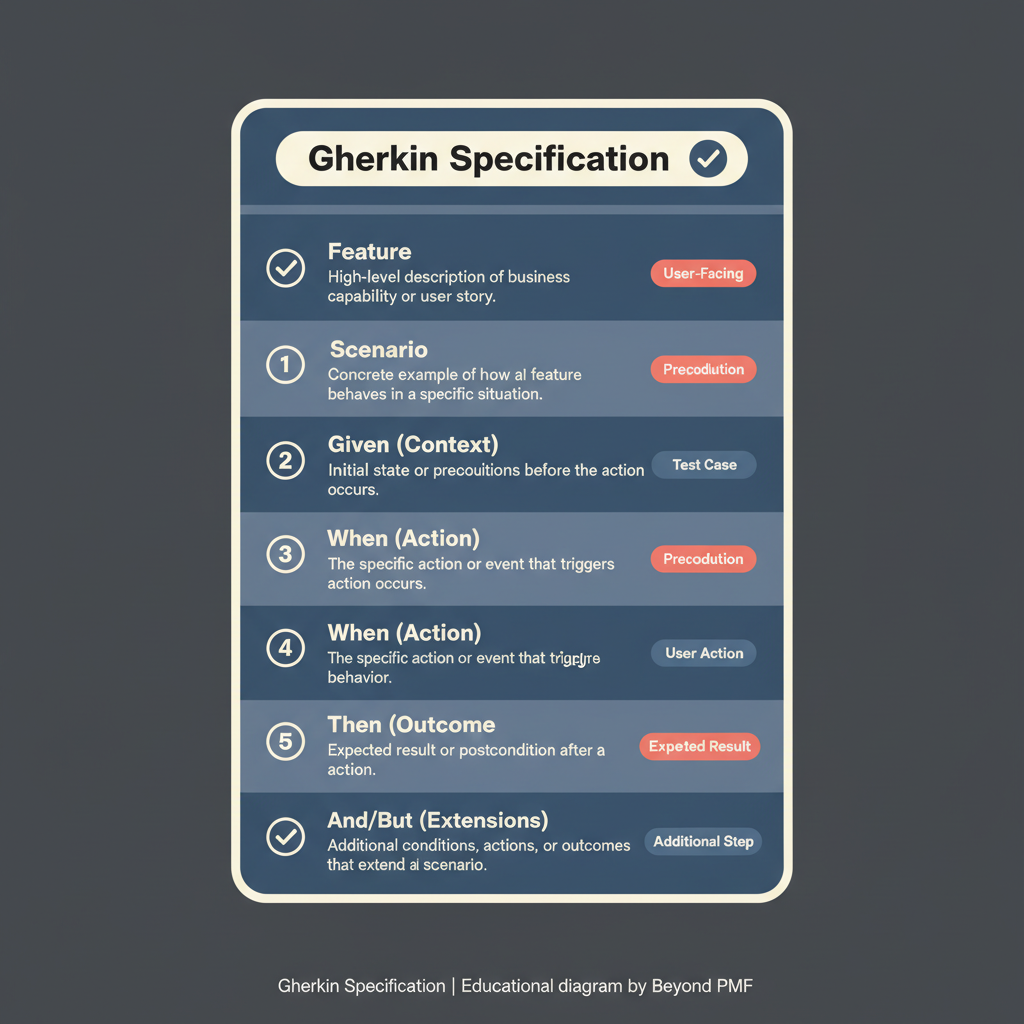
Gherkin Specification is a structured language used primarily in software development for behavior-driven development (BDD). It allows developers, testers, and business stakeholders to create test cases in plain language that can be easily understood by all parties. The framework is designed to promote communication and collaboration, ensuring that all features are developed with clear and agreed-upon expectations. Its syntax is human-readable, which helps in bridging the communication gap between technical and non-technical team members and facilitates the automation of test cases.
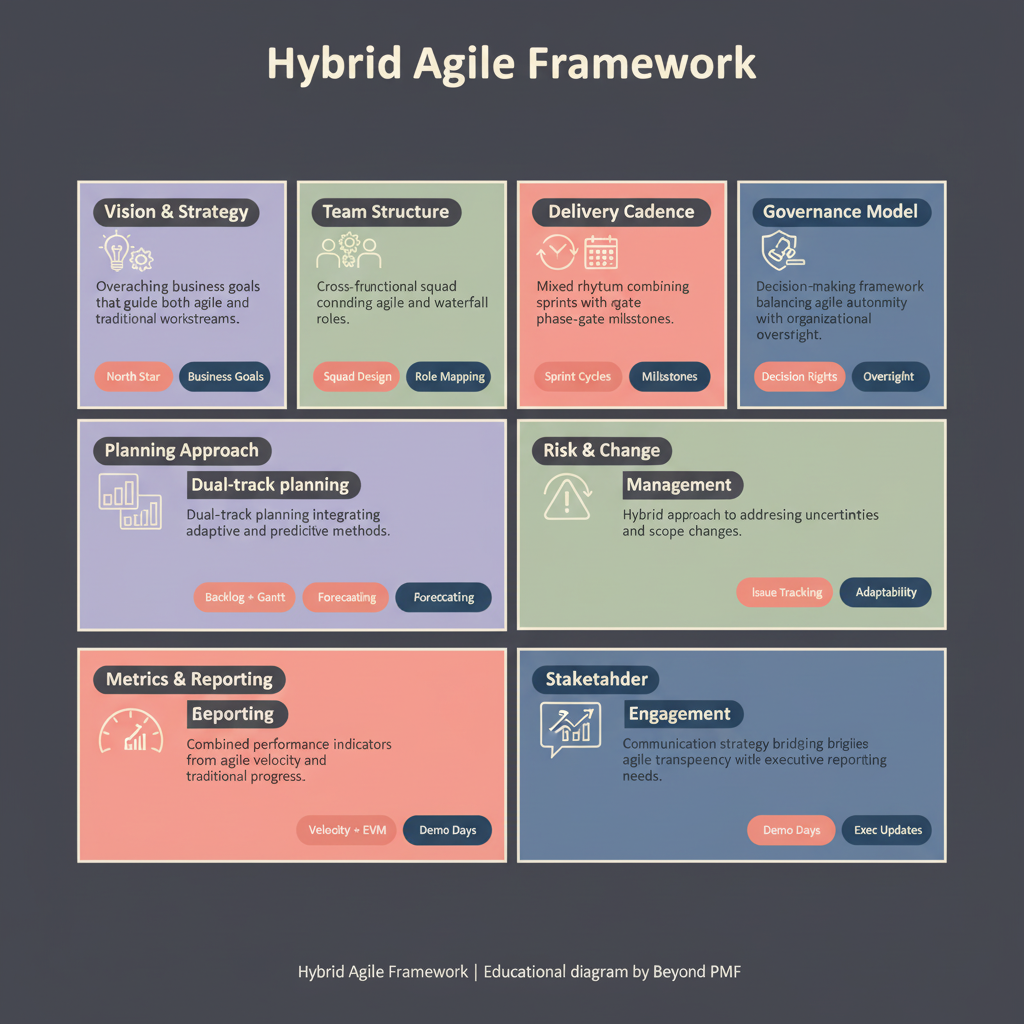
The Hybrid Agile Framework is designed to integrate the structured phases of traditional project management with the iterative and flexible elements of Agile methodologies. This framework is particularly useful in environments where some level of predictability and planning is necessary, alongside the need for adaptability and responsiveness. It benefits organizations by providing a balanced approach that can handle complex project requirements while accommodating changes and rapid iterations.
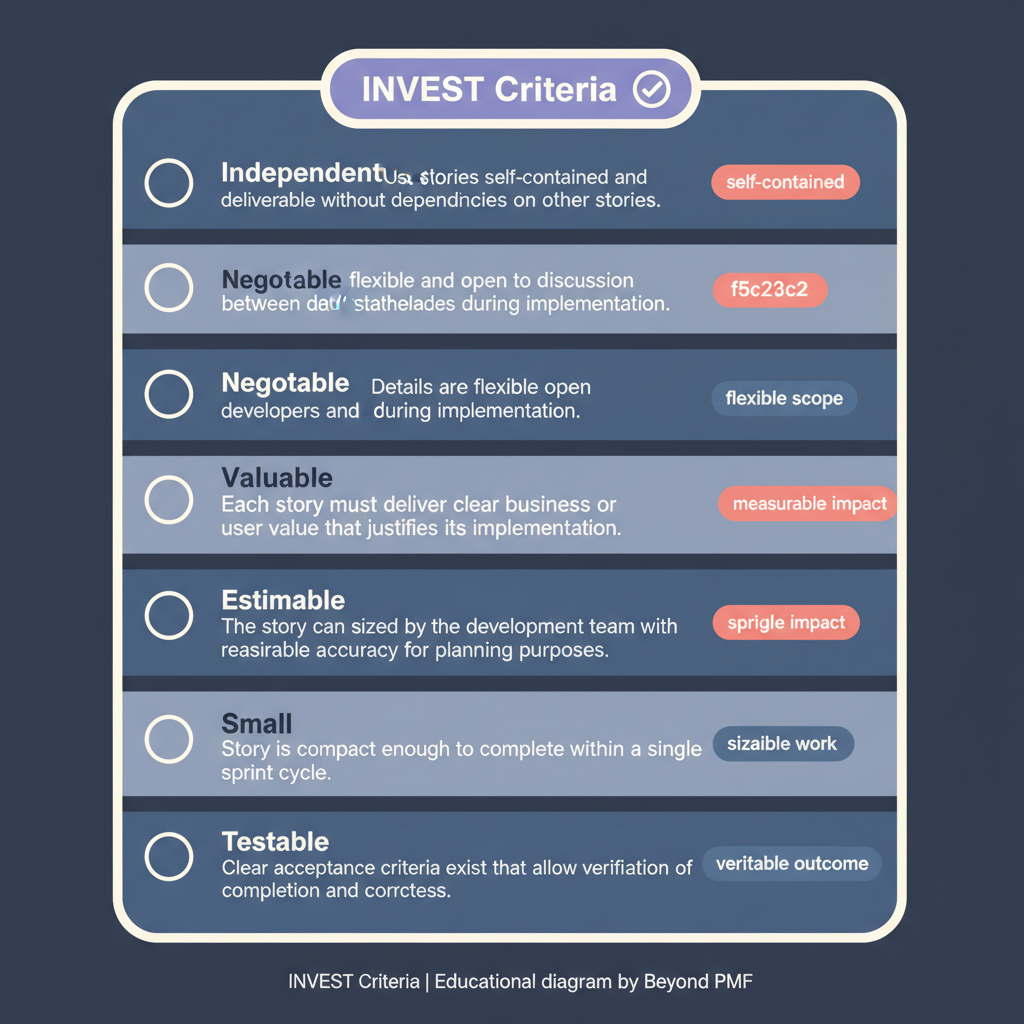
The INVEST Criteria is a mnemonic that stands for Independent, Negotiable, Valuable, Estimable, Small, and Testable. It is used primarily in Agile and Scrum methodologies to create clear and effective user stories. This framework helps teams deliver better products by ensuring that each user story is well-defined and structured to facilitate efficient planning, execution, and testing. The criteria promote transparency, predictability, and adaptability in the development process.

The Iterative Development Framework is a methodology used in software development where a project is broken down into smaller, more manageable segments. These segments are repeatedly assessed and improved upon through multiple iterations. This framework allows for flexibility in design and development, enabling teams to adapt to changes and refine their product based on feedback and testing results. The iterative approach helps in minimizing risks by identifying potential issues early in the development cycle.

Just Enough Architecture is a principle in software development that advocates for designing systems that are 'just enough' complex to meet current requirements, but flexible enough to adapt to future needs. This approach helps in avoiding over-engineering and under-engineering, ensuring that the architecture is scalable, maintainable, and cost-effective. It emphasizes iterative development, where architectural decisions are made based on the most current information available.
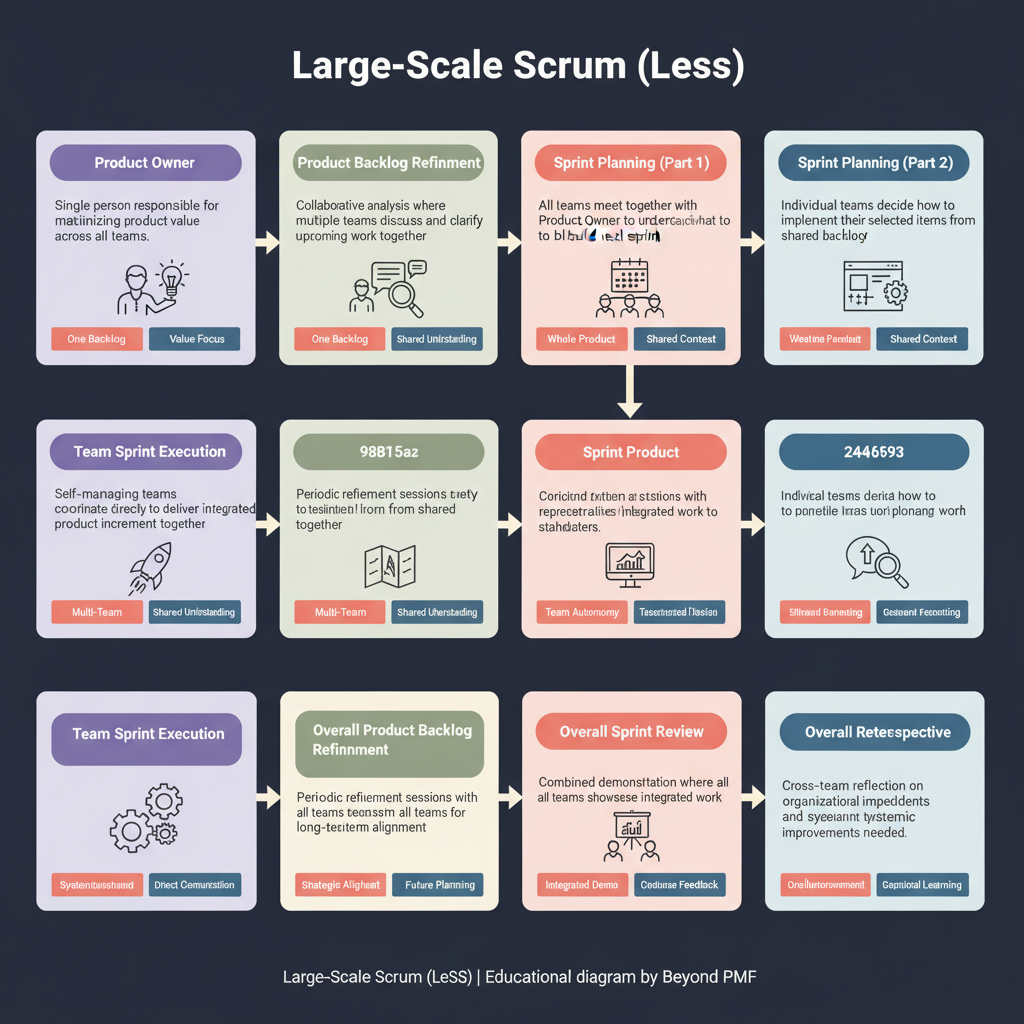
Large-Scale Scrum (LeSS) is an extension of Scrum that focuses on scaling Scrum to bigger organizations and coordinating multiple teams working on the same product. It aims to simplify the structure and rules of Scrum in a large-scale context, reducing complexity by descaling rather than adding roles and artifacts. LeSS promotes transparency, customer focus, and continuous improvement, making it suitable for large projects requiring agility and adaptability.
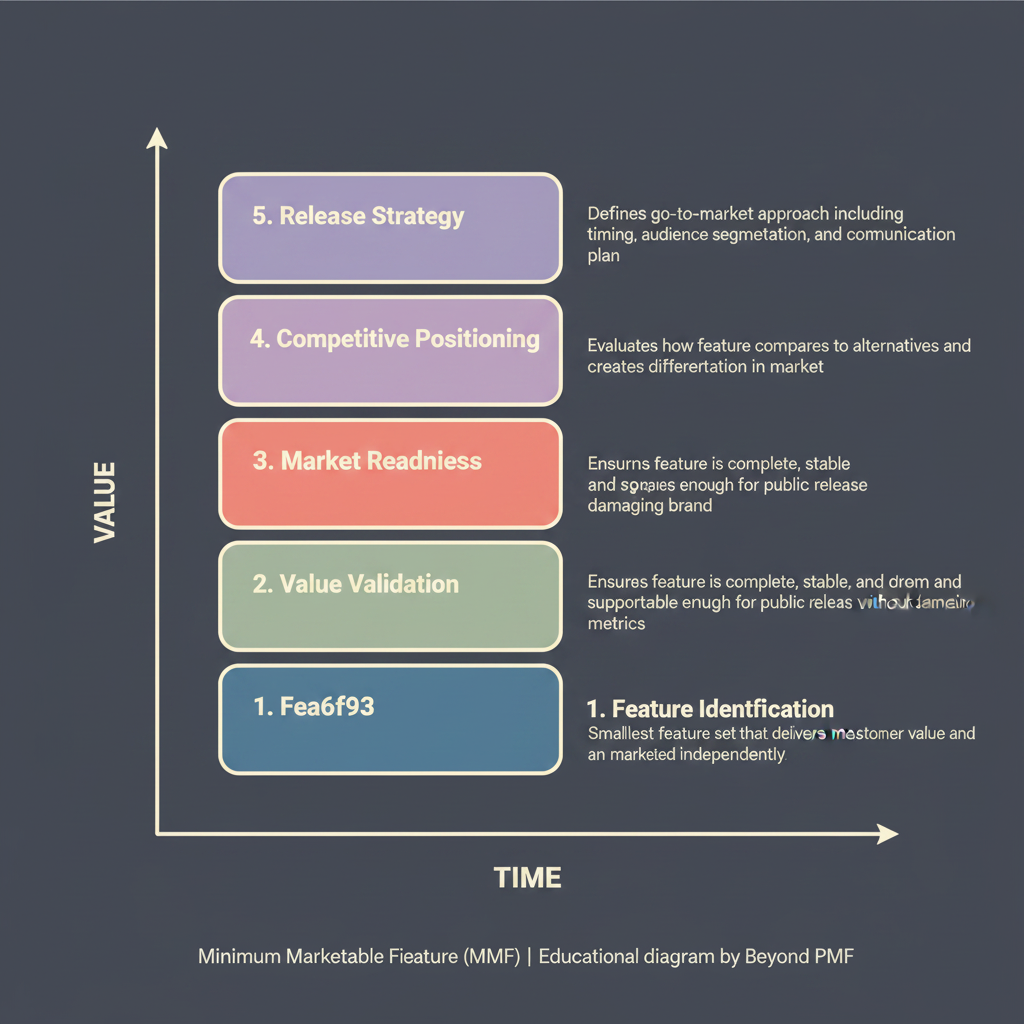
The Minimum Marketable Feature (MMF) framework is used to determine the smallest subset of functionality that can be delivered to customers and still provide value. This approach helps in prioritizing development efforts, reducing time to market, and focusing on core functionalities that meet customer needs. By implementing MMFs, organizations can ensure that they are not overbuilding their products and are efficiently utilizing their resources.
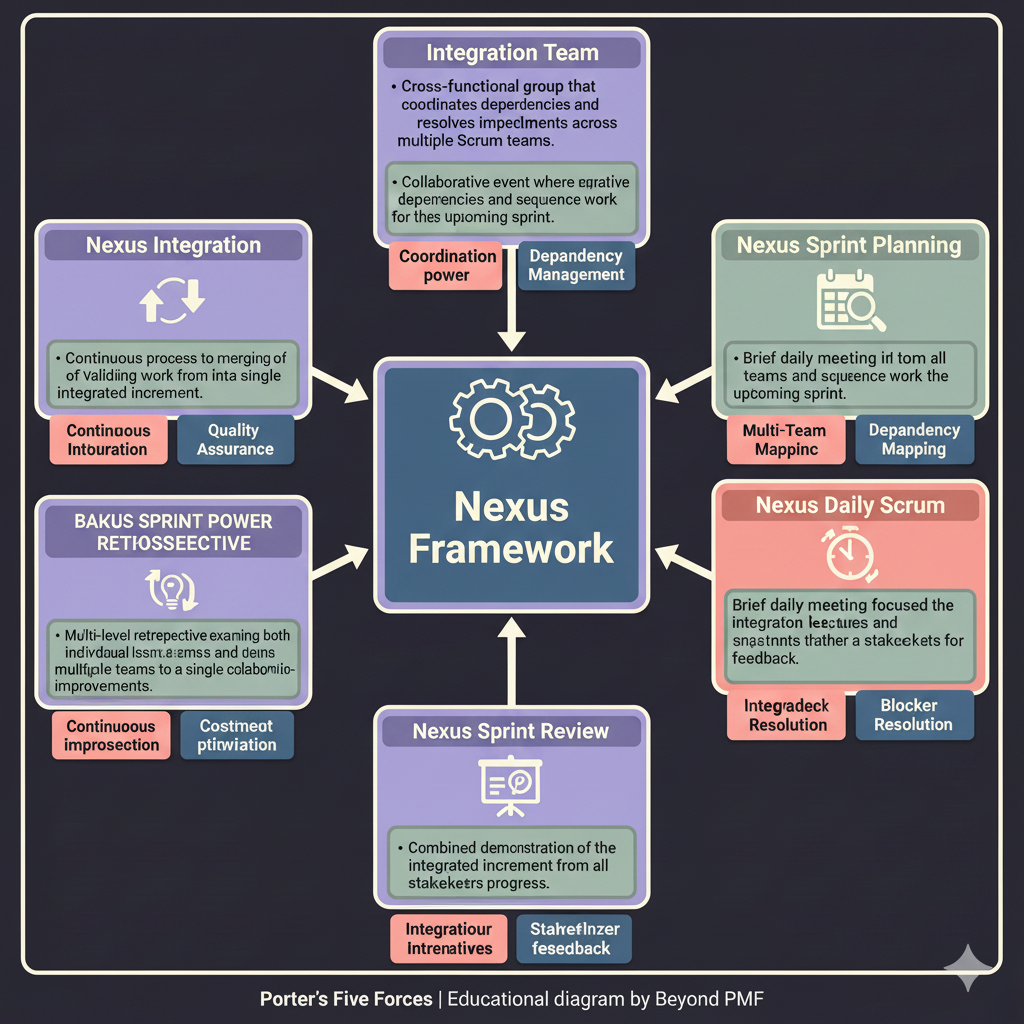
The Nexus Framework is designed to help organizations scale Scrum by coordinating the work of multiple Scrum teams working on a single product. It provides a structured approach to overcoming challenges such as integration, dependency management, and shared responsibility. The framework emphasizes transparency, accountability, and regular inspection and adaptation to optimize the productivity and effectiveness of large-scale projects.

PI Planning is a two-day event used in the Scaled Agile Framework (SAFe) that helps align multiple agile teams to a common business and technology mission. It is essential for coordinating the efforts of multiple teams, setting objectives, and creating an achievable roadmap for the next 8 to 12 weeks. The framework fosters collaboration and synchronization among teams, which is crucial for addressing dependencies and fostering a shared vision for product development.
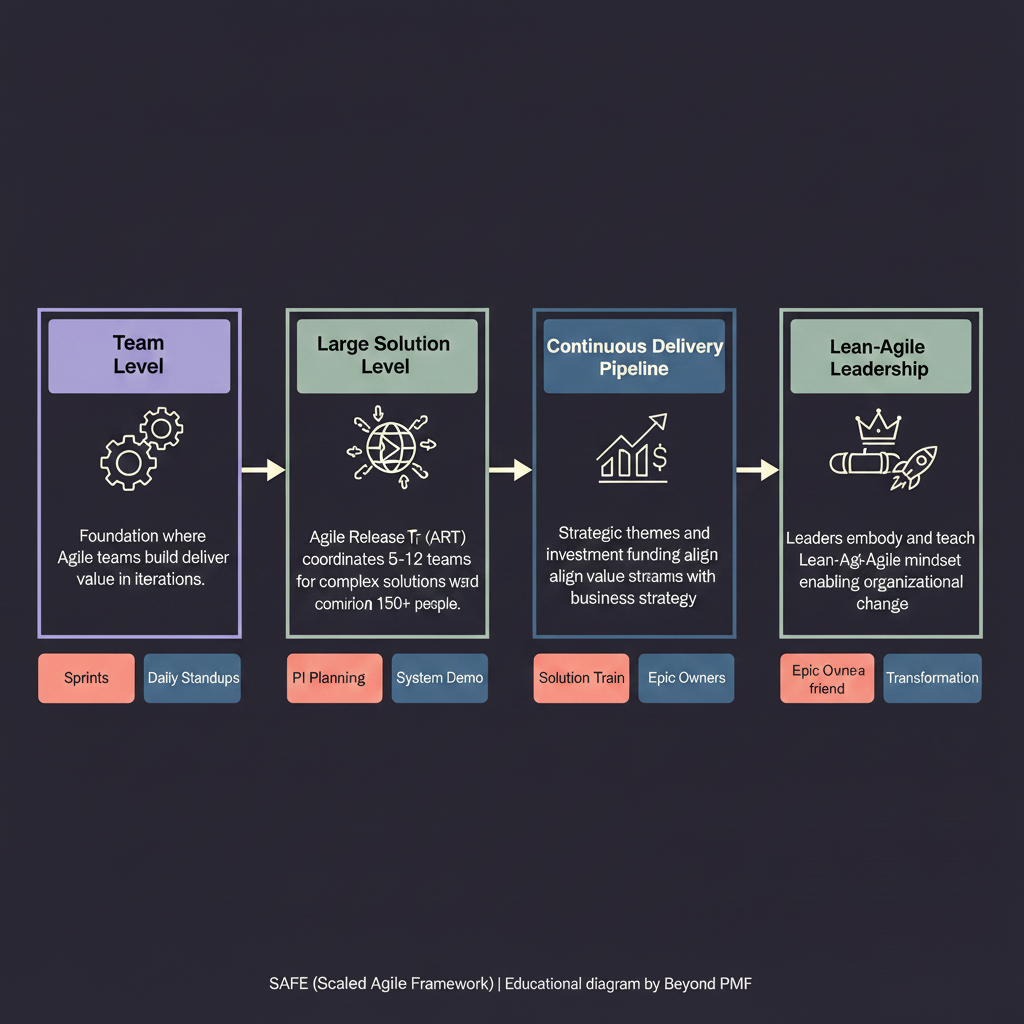
The Scaled Agile Framework (SAFe) is a framework for scaling agile practices across large enterprises. It provides a structured approach for aligning strategy with execution, allowing organizations to manage complex projects across multiple teams. SAFe combines principles from Agile, lean, and product development flow to promote faster time-to-market, increased productivity, and improved quality.

Scrum is a framework that facilitates teamwork on complex projects through iterative progress and continuous feedback. It structures development in cycles of work called Sprints, typically lasting two to four weeks, where teams aim to build a potentially shippable product increment. Scrum is used because it promotes adaptive planning, evolutionary development, early delivery, and continual improvement, and it encourages rapid and flexible response to change.

Scrumban is a project management framework that merges the iterative development and roles of Scrum with the workflow visualization and WIP limits of Kanban. It is designed to provide the structure of Scrum with the flexibility and continuous improvement of Kanban, making it ideal for teams that require adaptability in their processes. The framework helps in managing work more efficiently while adapting to changing priorities.
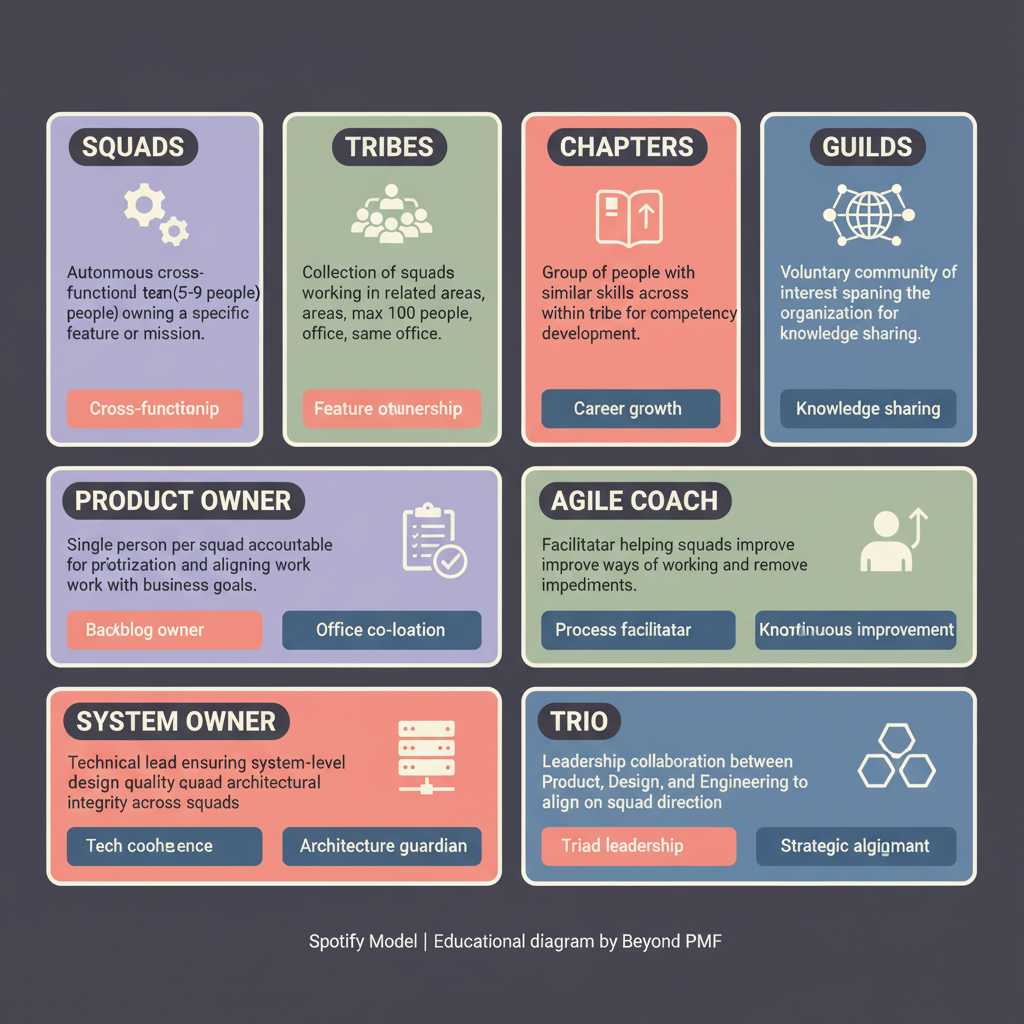
The Spotify Model is a framework designed to help companies scale agile practices. Originally developed by Spotify to manage rapid growth, the model organizes employees into small, cross-functional, and autonomous squads focused on specific features or services. This structure is complemented by chapters, guilds, and tribes to ensure alignment and communication across the organization. The model encourages a high degree of autonomy while maintaining alignment with the organization’s strategic goals, fostering innovation and accelerating product development cycles.

The Sprint Planning Board is a crucial framework in Agile methodologies, particularly in Scrum. It serves as a visual representation of the sprint's scope, detailing tasks, responsibilities, and deadlines. This framework facilitates collaborative planning and decision-making, ensuring that team members are aligned with the sprint's objectives and their respective roles. It enhances transparency, fosters accountability, and aids in tracking progress throughout the sprint.
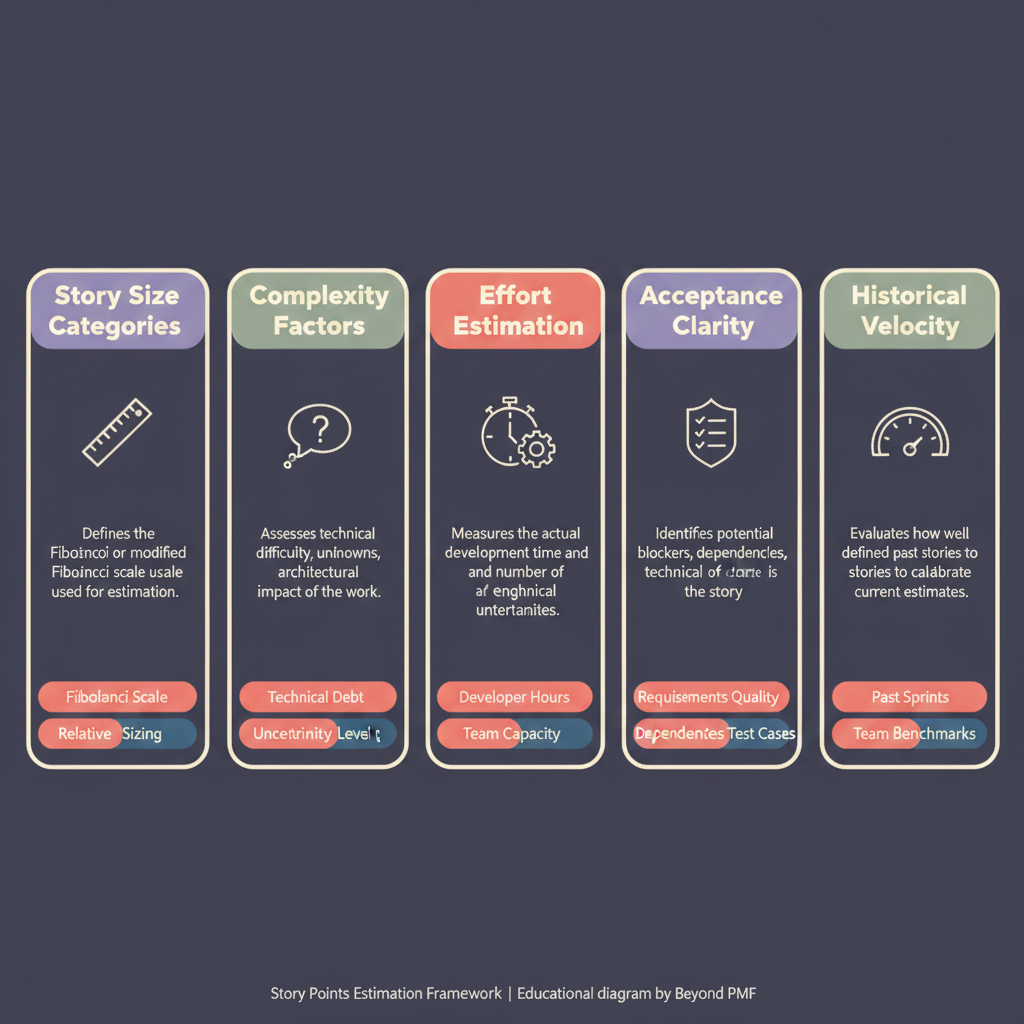
The Story Points Estimation Framework is a popular technique in Agile software development used to estimate the complexity of a user story. Instead of estimating the time it will take to complete a task, this framework uses 'story points', a unit of measure that encapsulates the effort, complexity, and risk associated with a story. This approach helps teams prioritize tasks and manage their workload more effectively, promoting a smoother project flow and better resource allocation.
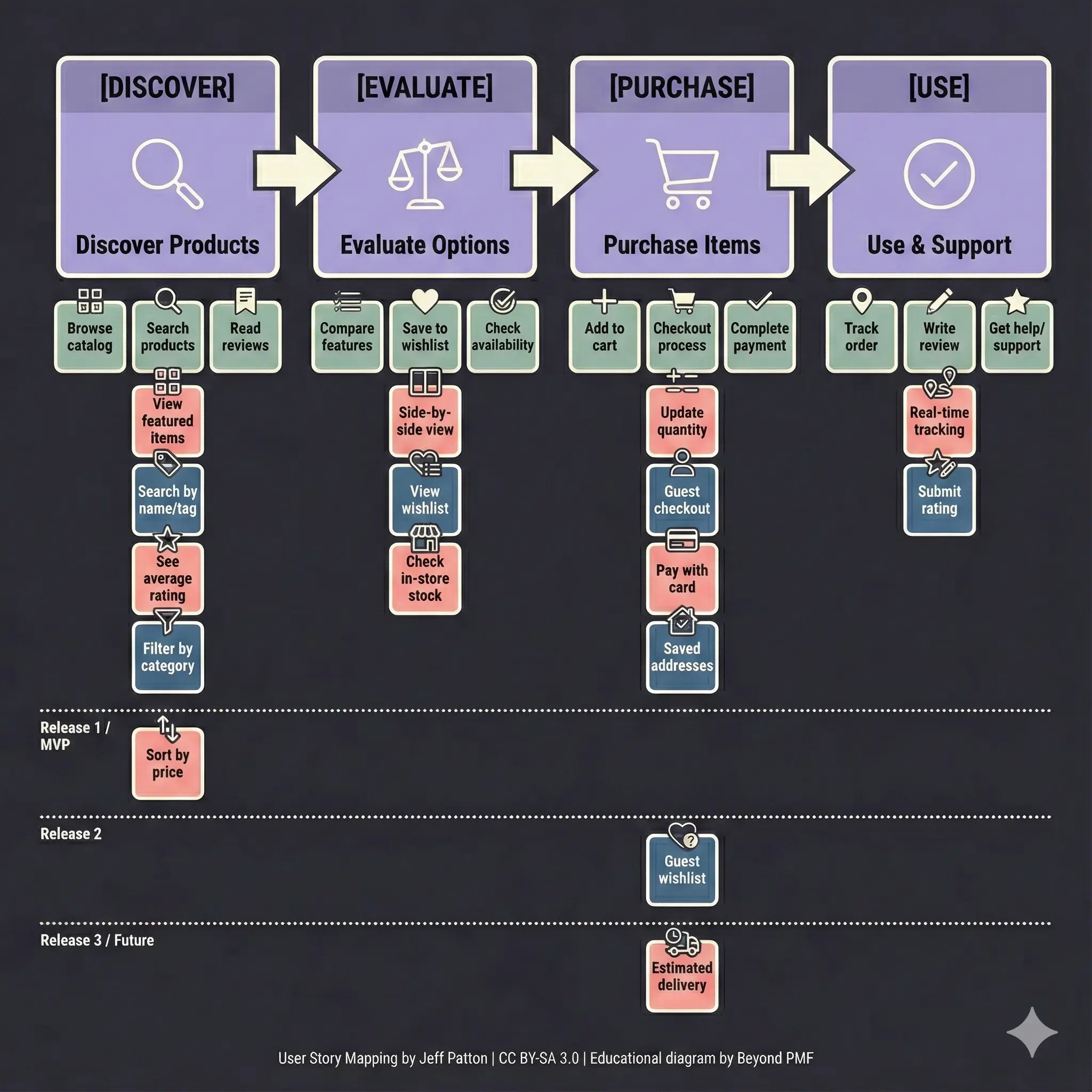
User Story Mapping is a collaborative framework used to manage and prioritize software development tasks. It involves creating a visual mapping of user stories to understand product functionalities, user needs, and the journey over time. This framework helps teams focus on building products that deliver value to users by identifying critical user interactions and ensuring that the most valuable features are developed first.
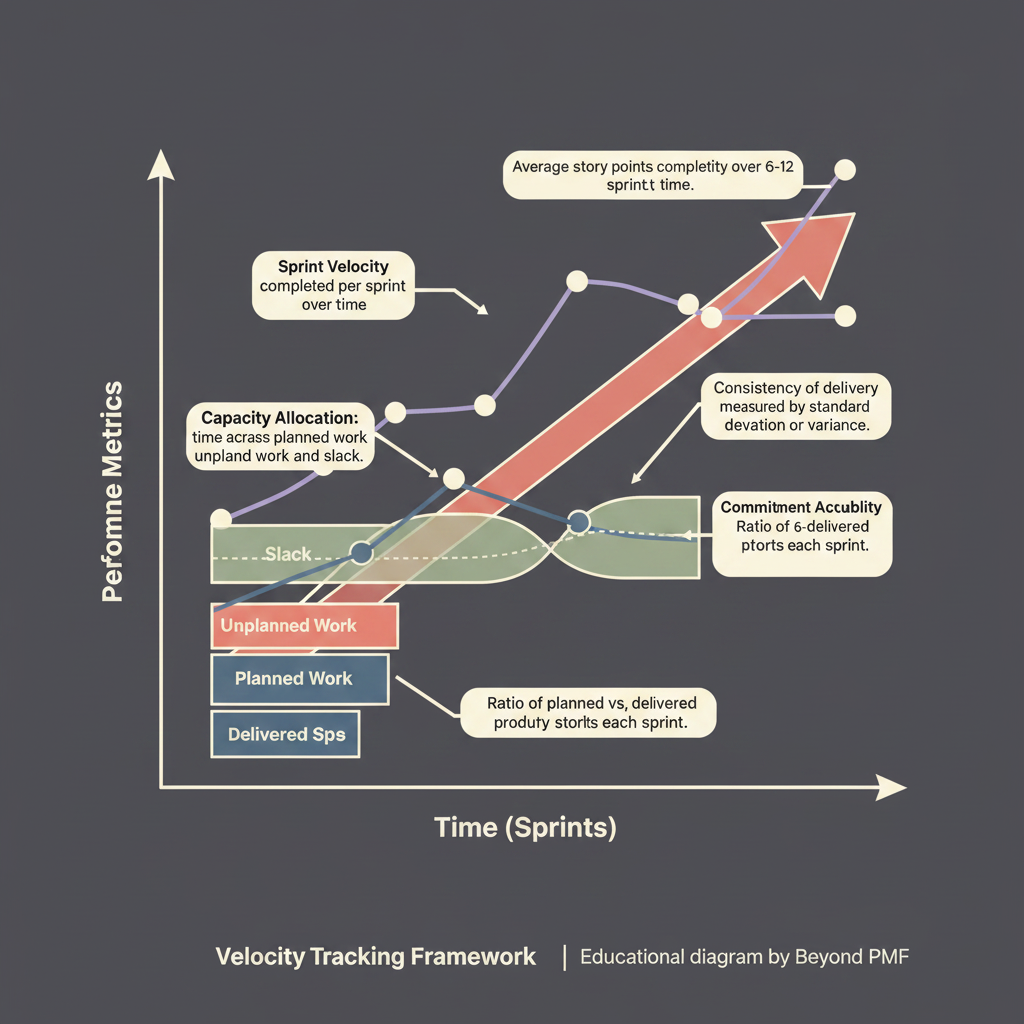
The Velocity Tracking Framework is a tool used primarily in agile project management to quantify the amount of work a team can handle during a single sprint or iteration. It helps in planning and efficiency by providing a clear measure of the team's productivity over time. This framework is crucial for optimizing processes, forecasting future sprints, and managing stakeholder expectations effectively. By tracking velocity, teams can adjust their workflows to maximize throughput and improve delivery timelines.