
UX frameworks help teams design experiences that are usable, desirable, and effective for real users. They structure research, journey thinking, interaction design, and evaluation into repeatable practice. These frameworks are essential for reducing friction and increasing adoption. Use them to align products with human needs and behavior.
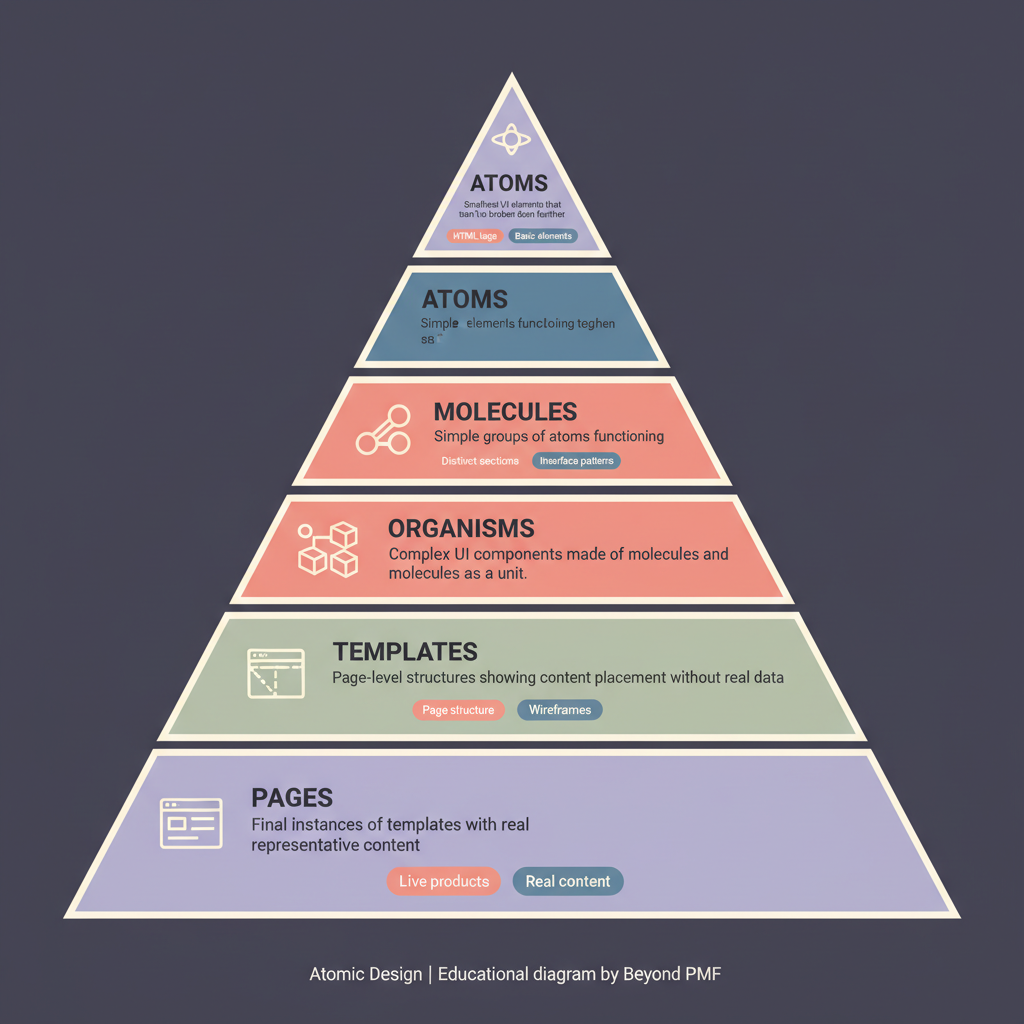
Atomic Design is a framework developed by Brad Frost that helps designers build consistent, cohesive interfaces by breaking down components into fundamental building blocks. These blocks are categorized into atoms, molecules, organisms, templates, and pages, allowing for scalability and reusability. This approach mirrors the chemical structure from simple to complex, making it easier to manage design systems in a modular way.
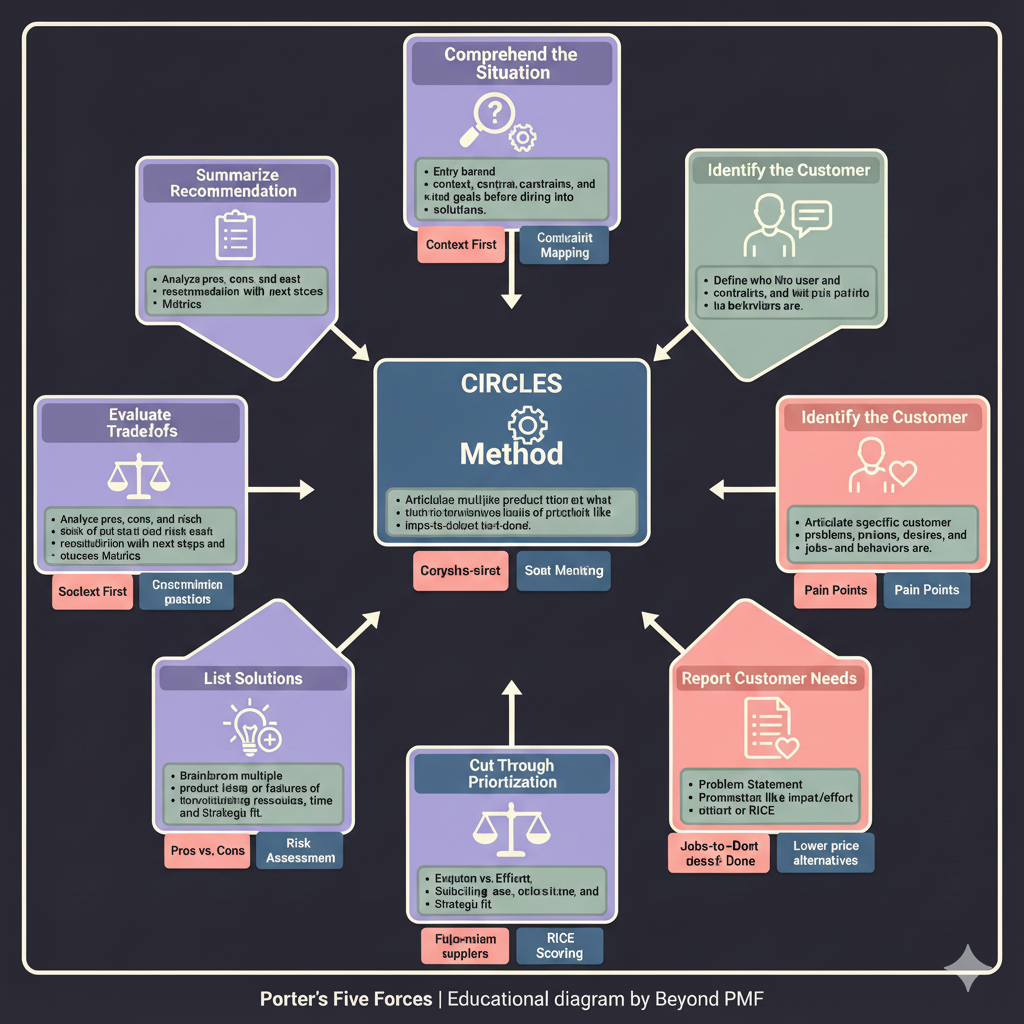
The CIRCLES Method is a framework designed to help professionals systematically evaluate and improve product designs. It provides a comprehensive approach to breaking down complex design problems into manageable components, ensuring thorough analysis and thoughtful solutions. The method is widely used in user experience (UX) design and product management to enhance the usability and appeal of products.
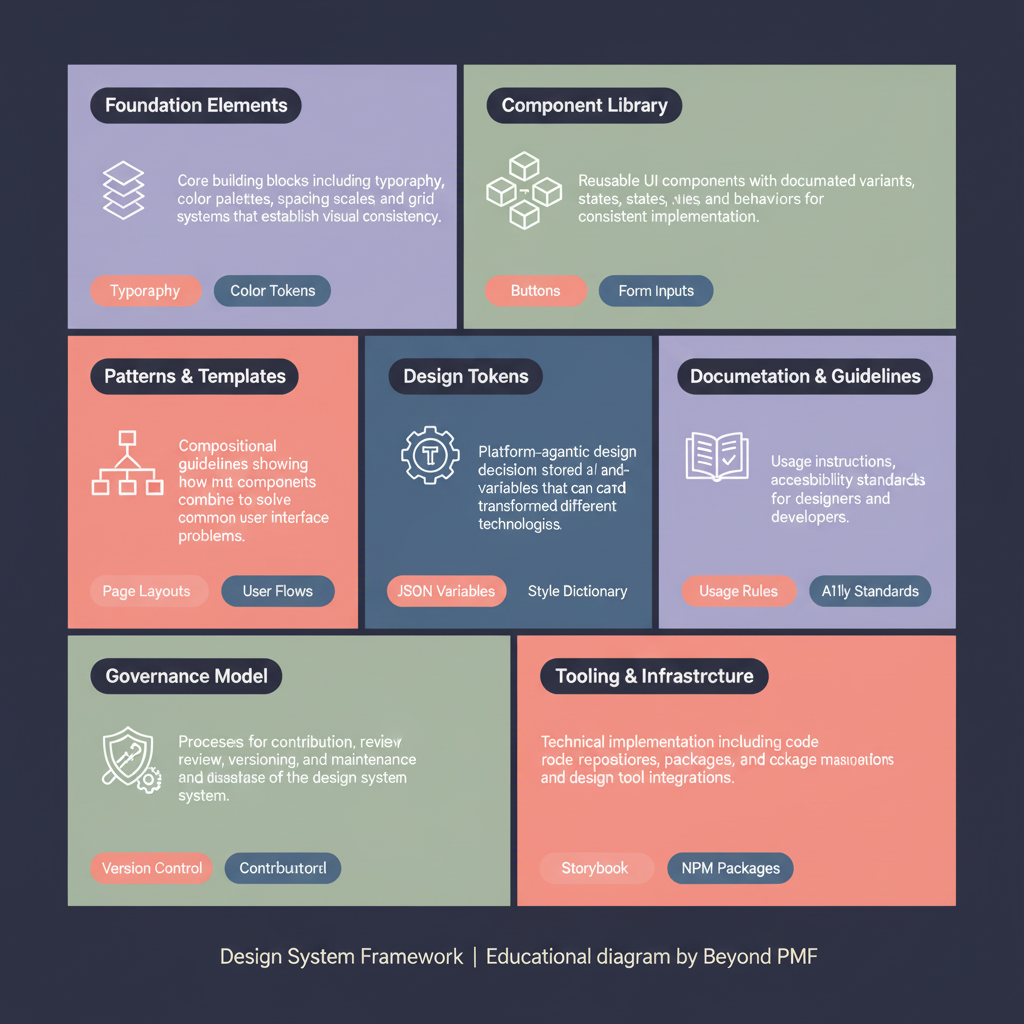
A Design System Framework is a cohesive set of guidelines, components, and tools that are used to design and build digital products consistently and efficiently. It serves as a blueprint for product teams, enabling them to create unified user experiences across multiple platforms. The framework helps in maintaining visual and functional consistency throughout a product's lifecycle, which enhances usability and user satisfaction while reducing development time and costs.

The Digital Experience Framework is a comprehensive approach designed to optimize the interaction between users and digital interfaces. It focuses on improving user satisfaction, engagement, and loyalty through tailored digital experiences. This framework is crucial for businesses aiming to maintain competitive advantage and foster long-term customer relationships by leveraging technology and data analytics.
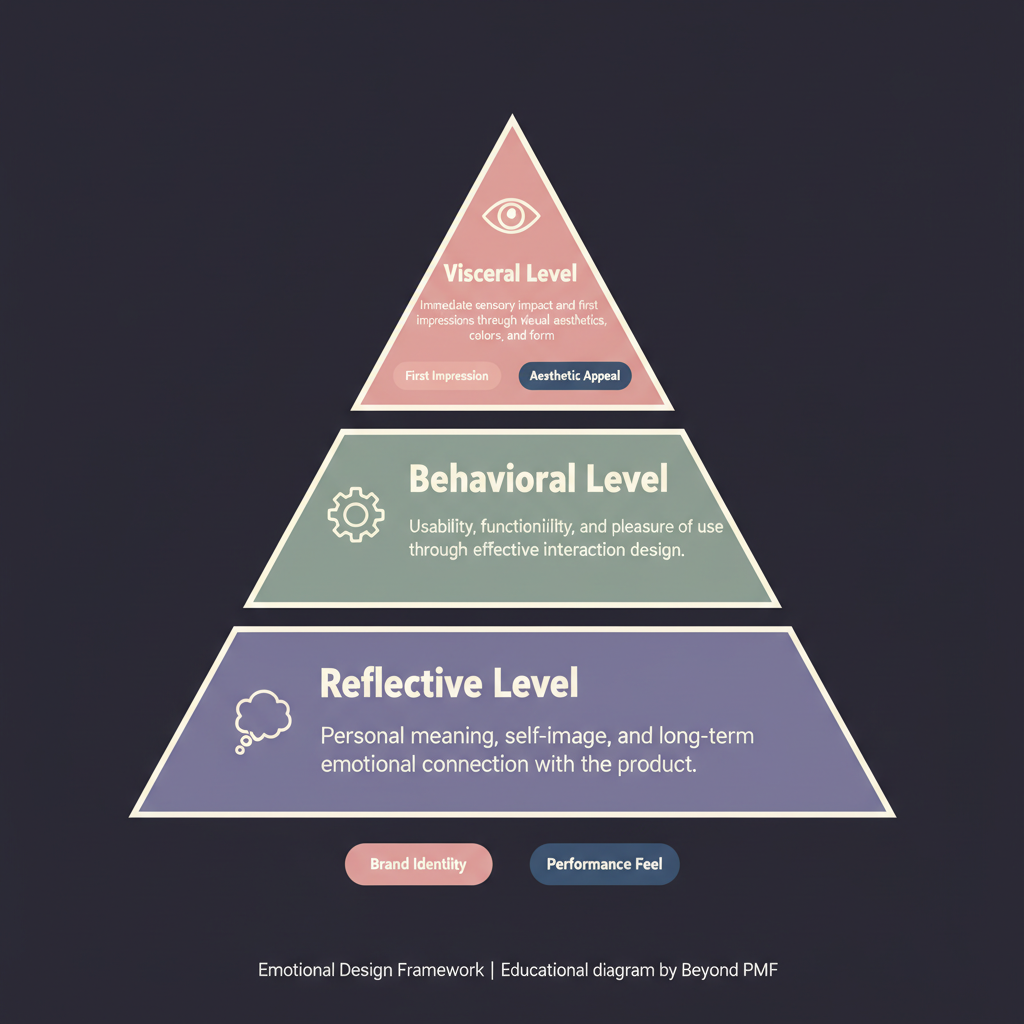
The Emotional Design Framework focuses on the psychological aspect of design, aiming to evoke certain feelings in users to foster a deeper connection with the product. It integrates elements of psychology and design principles to craft experiences that are not only functional but also emotionally resonant. This approach is particularly beneficial in increasing user retention, satisfaction, and overall interaction with the product.
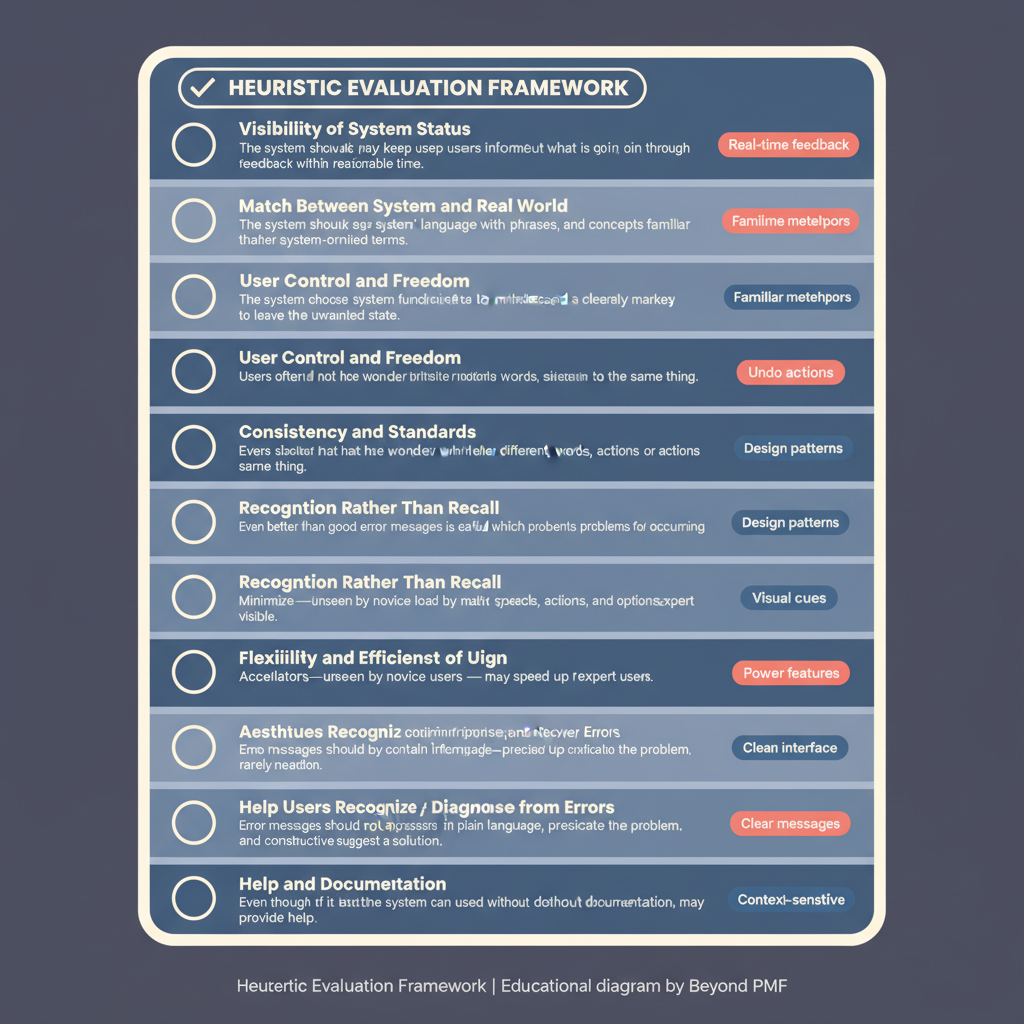
The Heuristic Evaluation Framework is a method for evaluating a user interface design based on predefined heuristics or general principles. It involves a small group of evaluators who independently assess the interface and identify usability issues. This framework is widely used because it is cost-effective, quick, and can be conducted without the involvement of actual users. It helps in improving the usability of products by identifying intuitive and user-centric design flaws.
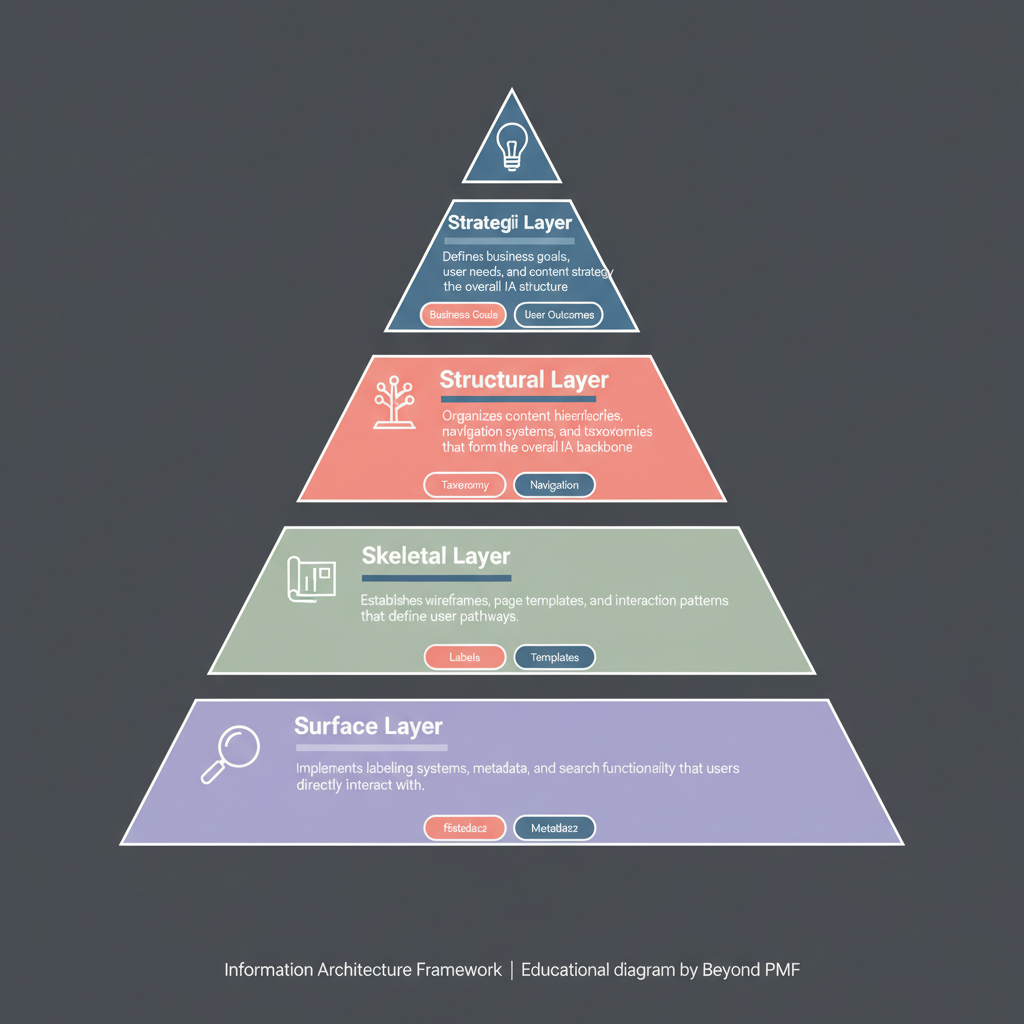
The Information Architecture Framework helps in organizing and structuring information in a way that makes it easily accessible and understandable to users. It is primarily used in the design of websites and digital products to enhance user experience by ensuring that users can navigate and find the information they need without confusion. The framework supports usability, findability, and comprehensibility, which are crucial for successful digital interactions.
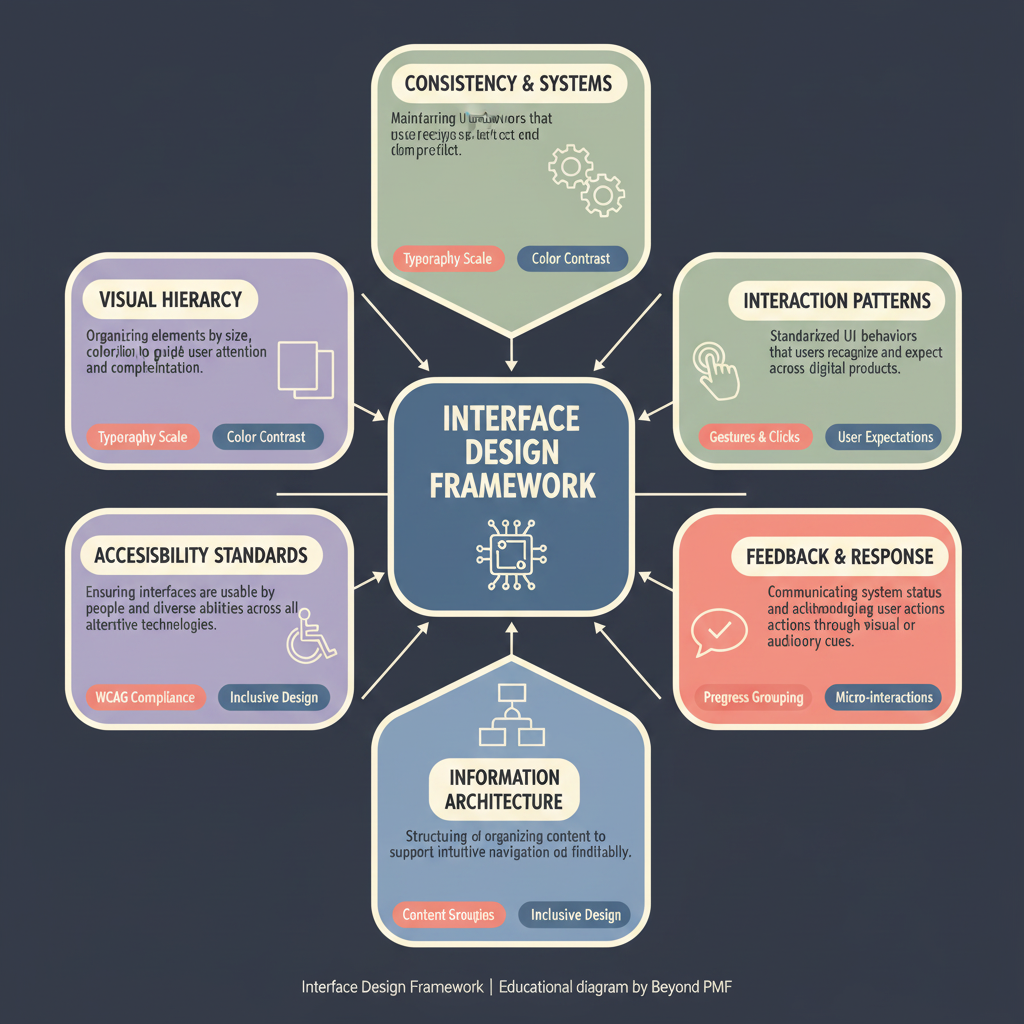
The Interface Design Framework provides a structured method for designing and evaluating user interfaces. It emphasizes usability, aesthetics, and functionality, ensuring that interfaces meet the needs of users efficiently and effectively. The framework guides designers through a series of steps that help in conceptualizing, designing, prototyping, and testing interfaces, making it an essential tool in the development of digital products.
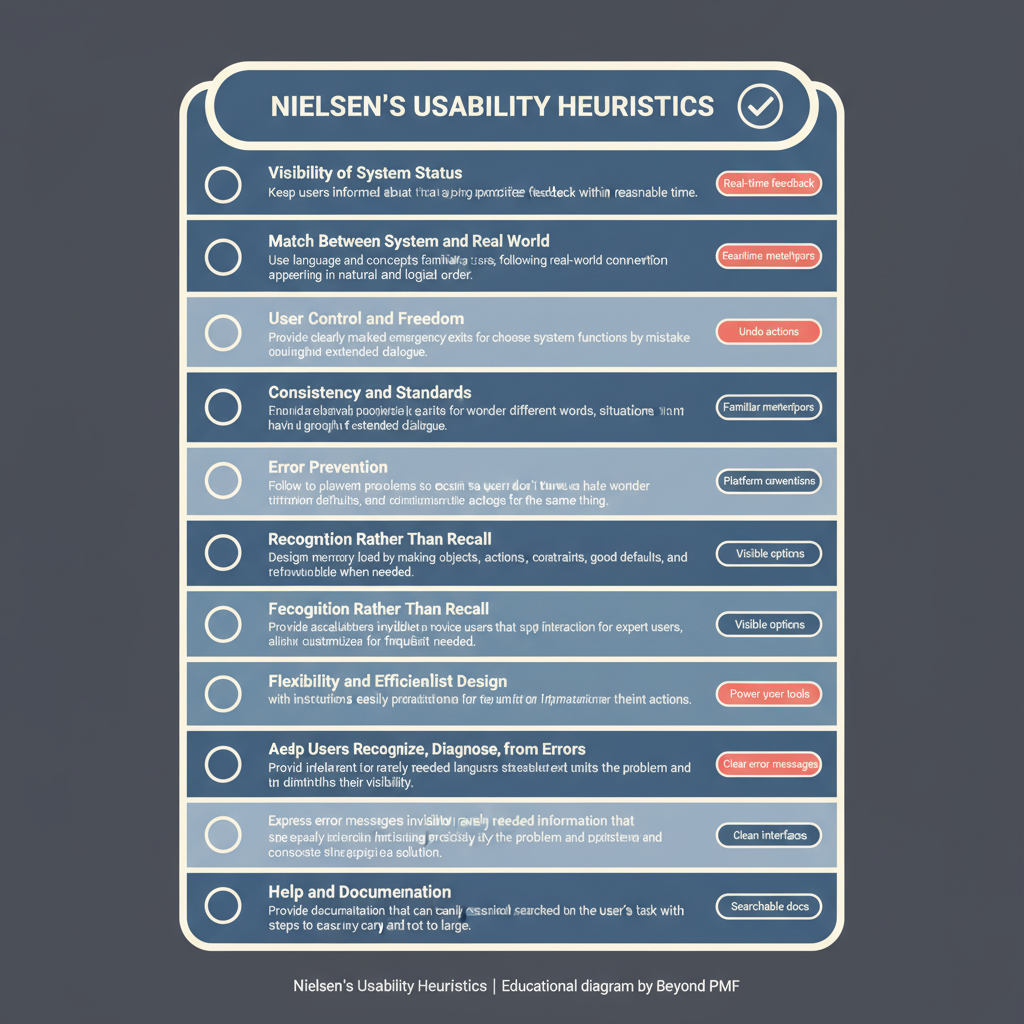
Nielsen's Usability Heuristics, developed by Jakob Nielsen, are a foundational set of guidelines used to evaluate and enhance user interface design. These principles focus on making software interfaces more intuitive, efficient, and user-friendly. The framework is widely adopted due to its simplicity and effectiveness in identifying common usability issues, making it an essential tool in user experience (UX) design.
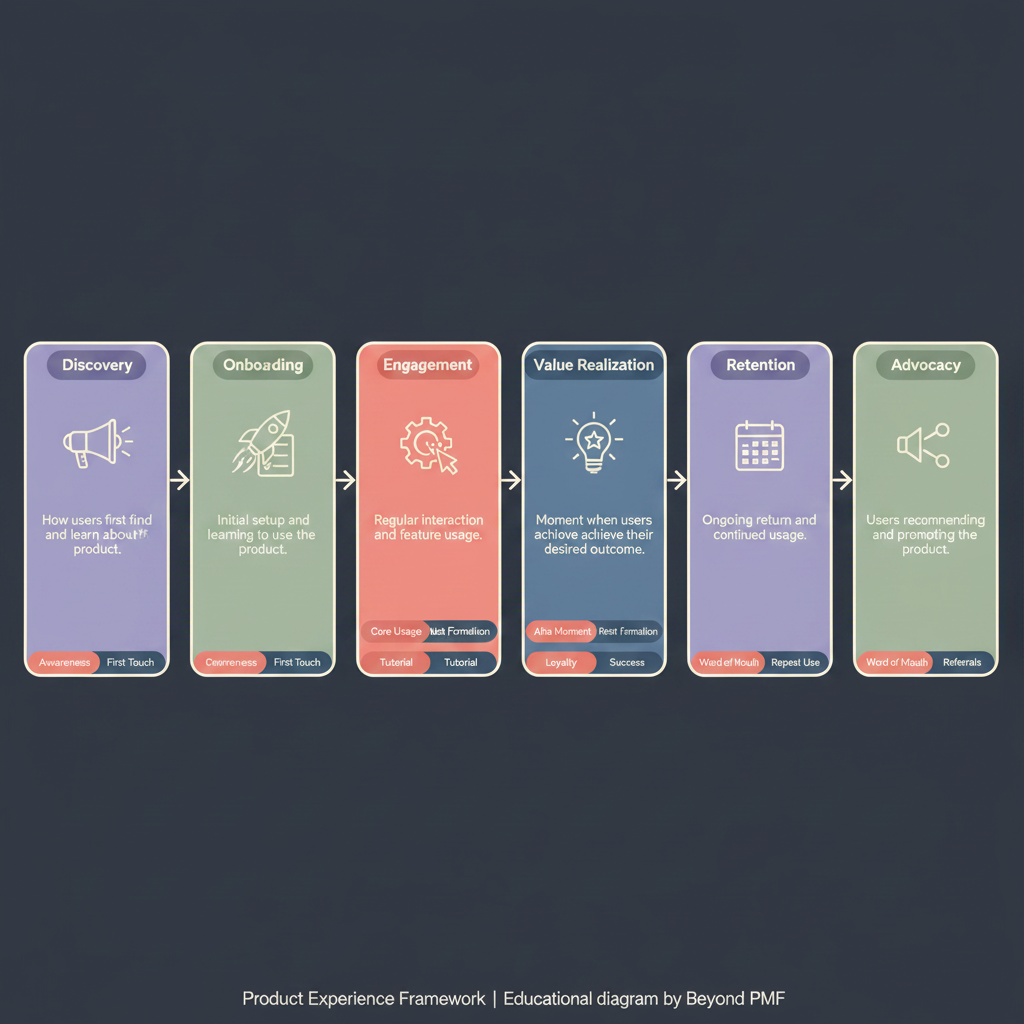
The Product Experience Framework is a comprehensive approach designed to systematically enhance the way users interact with a product. It focuses on understanding user needs, behaviors, and feedback to optimize the product's design, functionality, and overall usability. This framework is crucial for businesses aiming to improve customer satisfaction, increase user engagement, and drive product success in competitive markets.