
Roadmapping frameworks structure how teams plan and communicate future product direction over time. They balance strategy, customer value, feasibility, and learning milestones. These frameworks are essential for aligning stakeholders and sequencing delivery. Use them to create clarity, manage expectations, and guide execution.
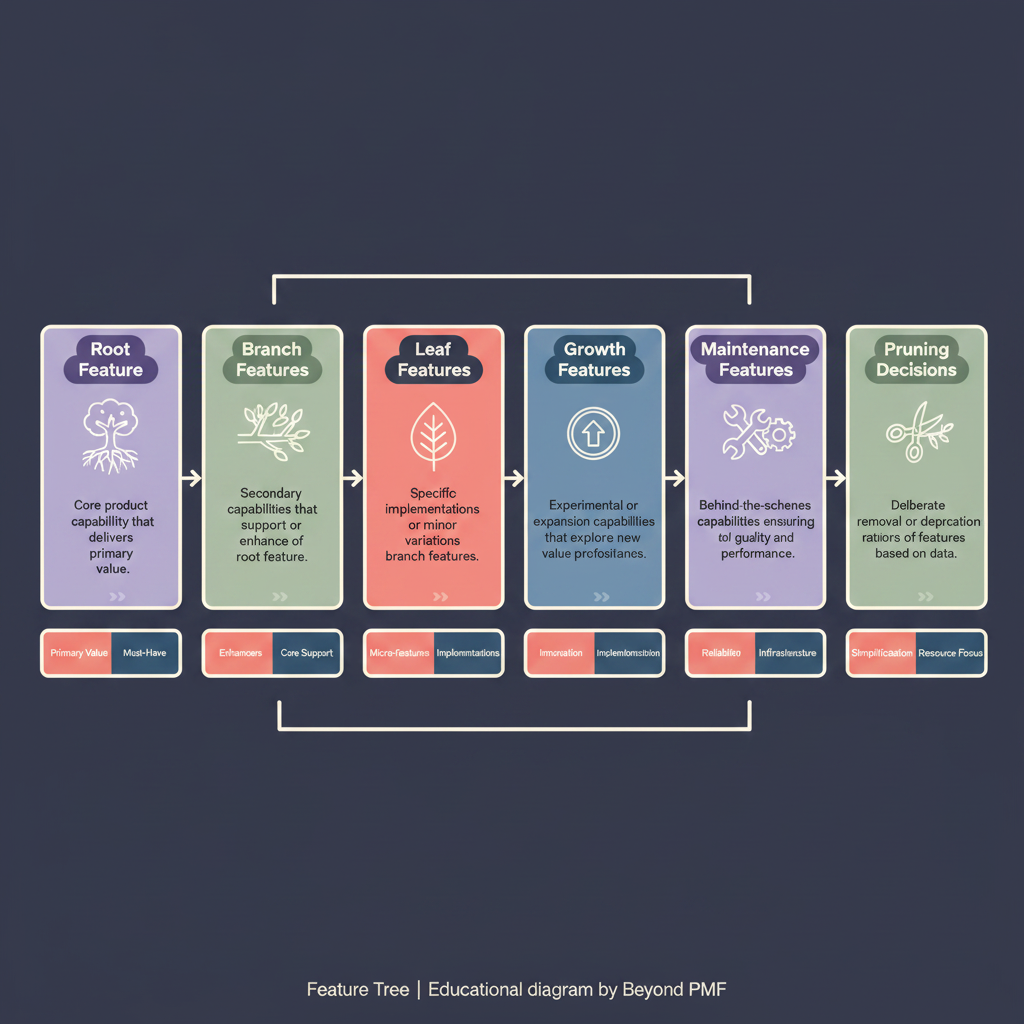
The Feature Tree framework is a hierarchical visualization that helps product managers and development teams categorize, prioritize, and manage product features effectively. It resembles a tree structure where the main trunk represents the core product, and each branch represents different categories of features. This framework assists in ensuring that all product features are aligned with the business goals and user needs, facilitating better planning and communication across teams.
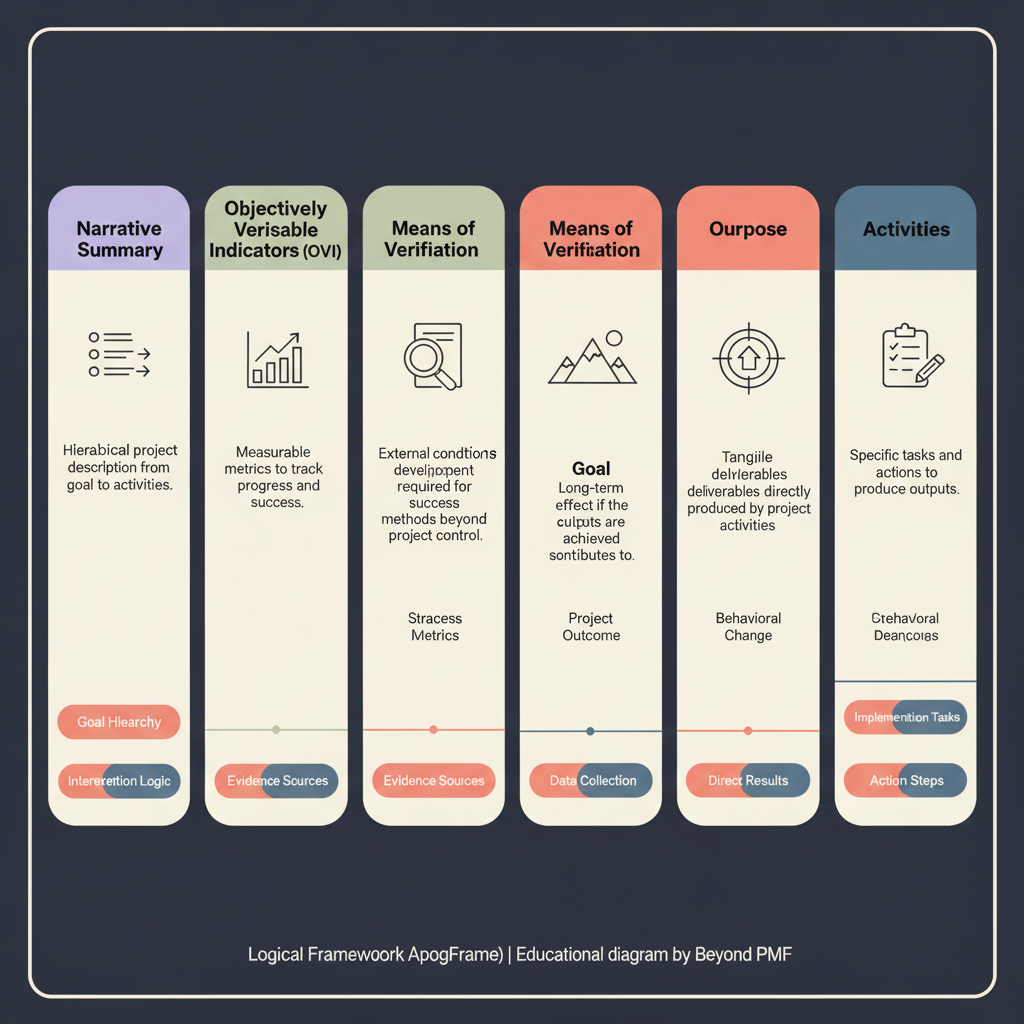
The Logical Framework Approach, or LogFrame, is a systematic tool used primarily in the design, monitoring, and evaluation of international development projects. It provides a clear structure for identifying expected outcomes, measuring progress, and assessing the impact of projects. By defining objectives and activities in a logical sequence, it helps ensure that project goals are achievable and aligned with broader development aims. The framework facilitates communication among stakeholders and helps in securing funding by clearly outlining project components.
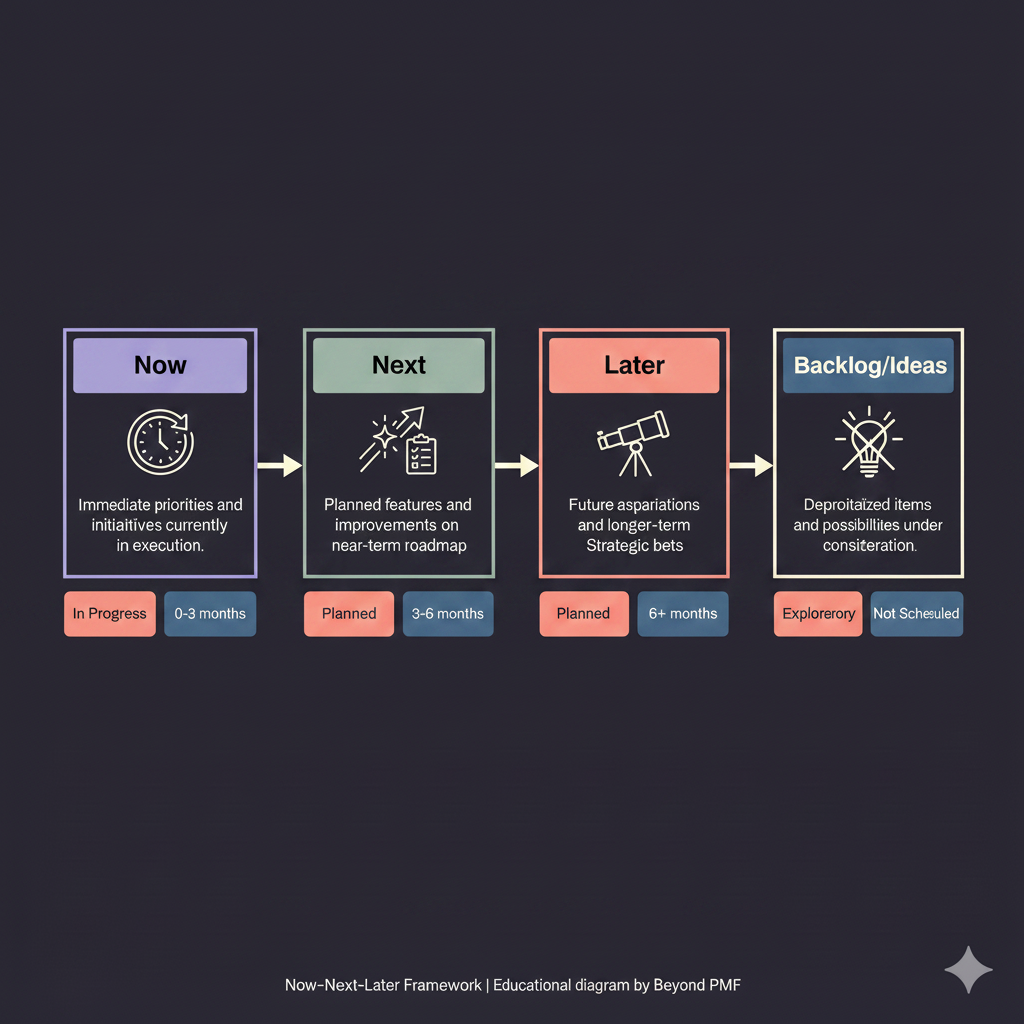
The Now-Next-Later Framework is designed to help organizations manage their strategic initiatives across different time horizons. It segments actions into three categories: 'Now' for immediate actions, 'Next' for short-term initiatives, and 'Later' for long-term goals. This approach allows teams to focus on what is most urgent, while also planning for future needs. The framework is beneficial for maintaining a clear focus on current priorities while ensuring alignment with future objectives.
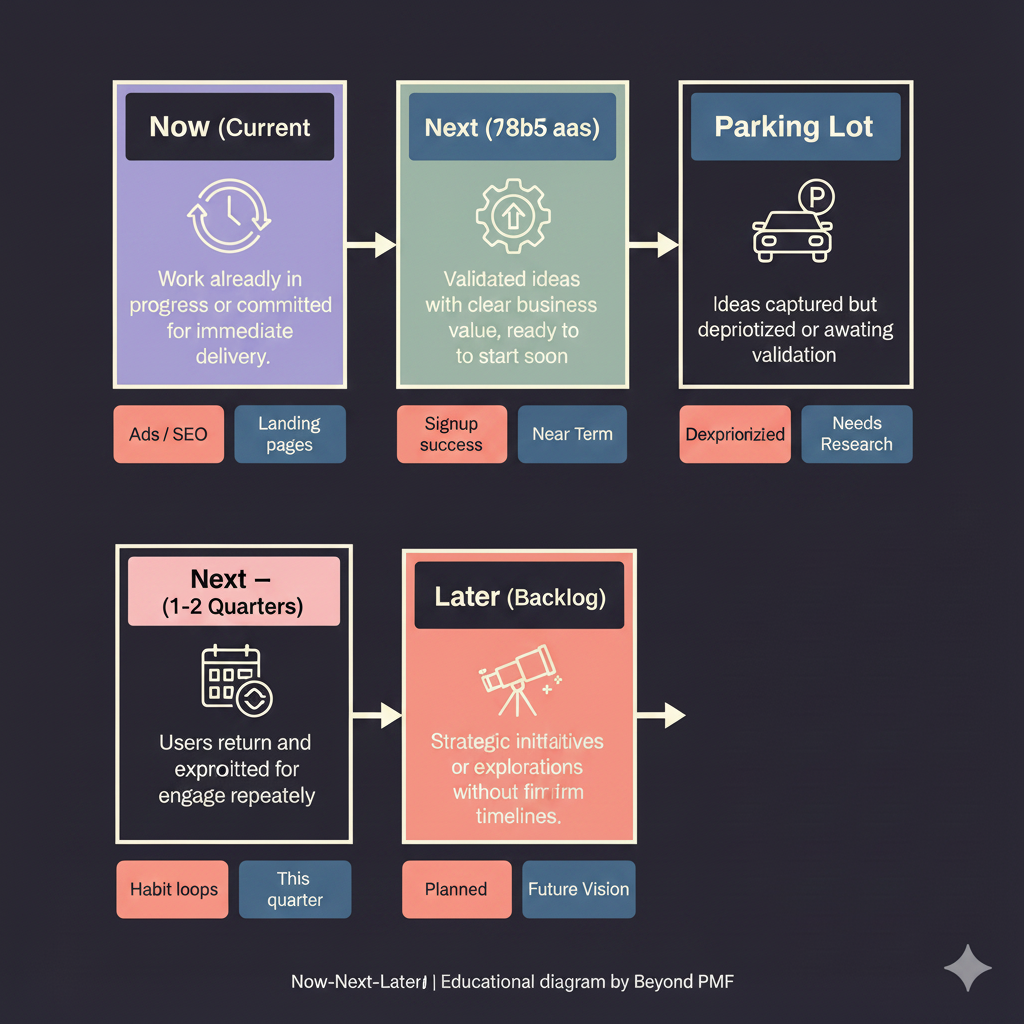
Now-Next-Later Roadmapping is a framework designed to help organizations plan their strategic initiatives and projects in a phased approach. It categorizes actions into three time-based categories: 'Now' for immediate actions, 'Next' for short-term plans, and 'Later' for long-term goals. This framework assists in aligning team efforts with business objectives, ensuring a clear focus on current priorities while preparing for future opportunities. It is particularly beneficial for managing resources efficiently and adapting to changing market conditions.
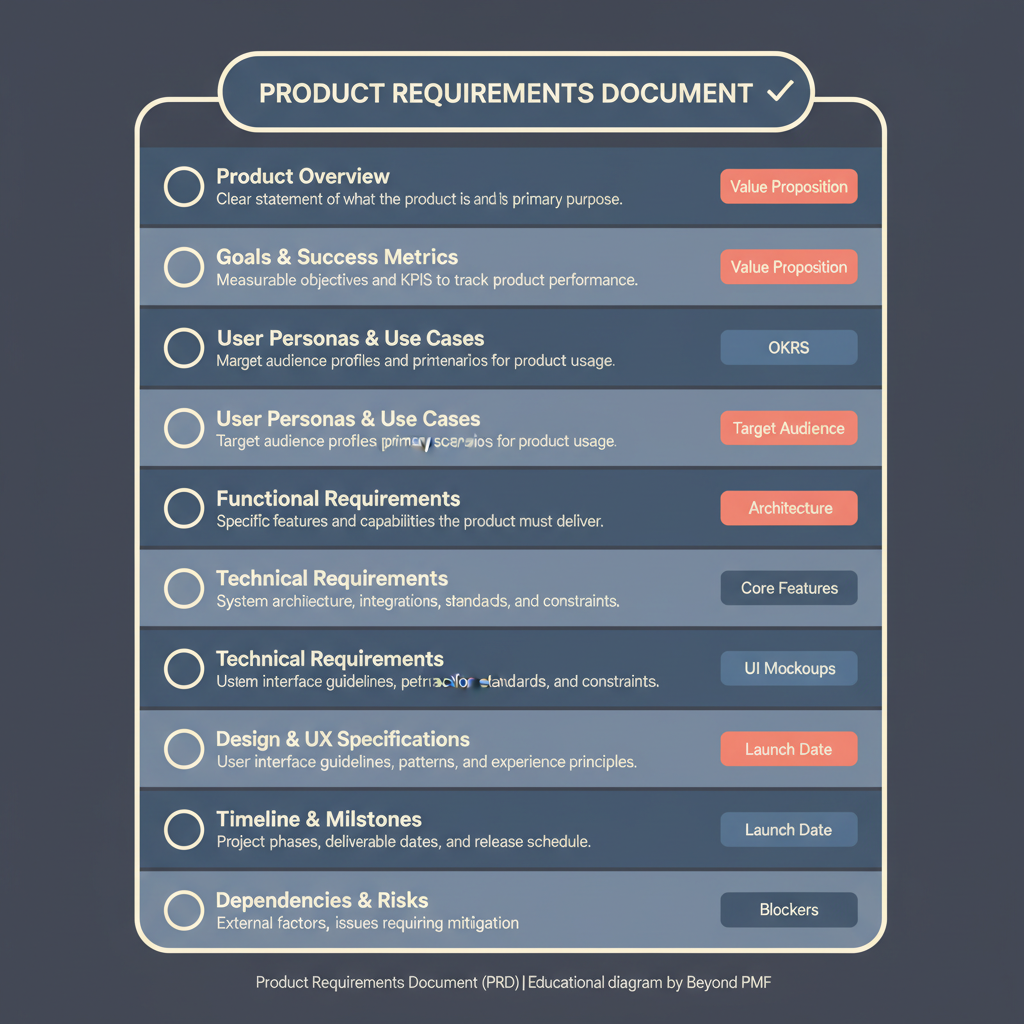
A Product Requirements Document (PRD) is a document that clearly defines the requirements and expected functionalities of a product before development begins. It serves as a guide for teams to understand what needs to be built and why. The PRD helps in aligning the team's efforts towards a common goal and ensures that the final product meets the stakeholders' expectations.
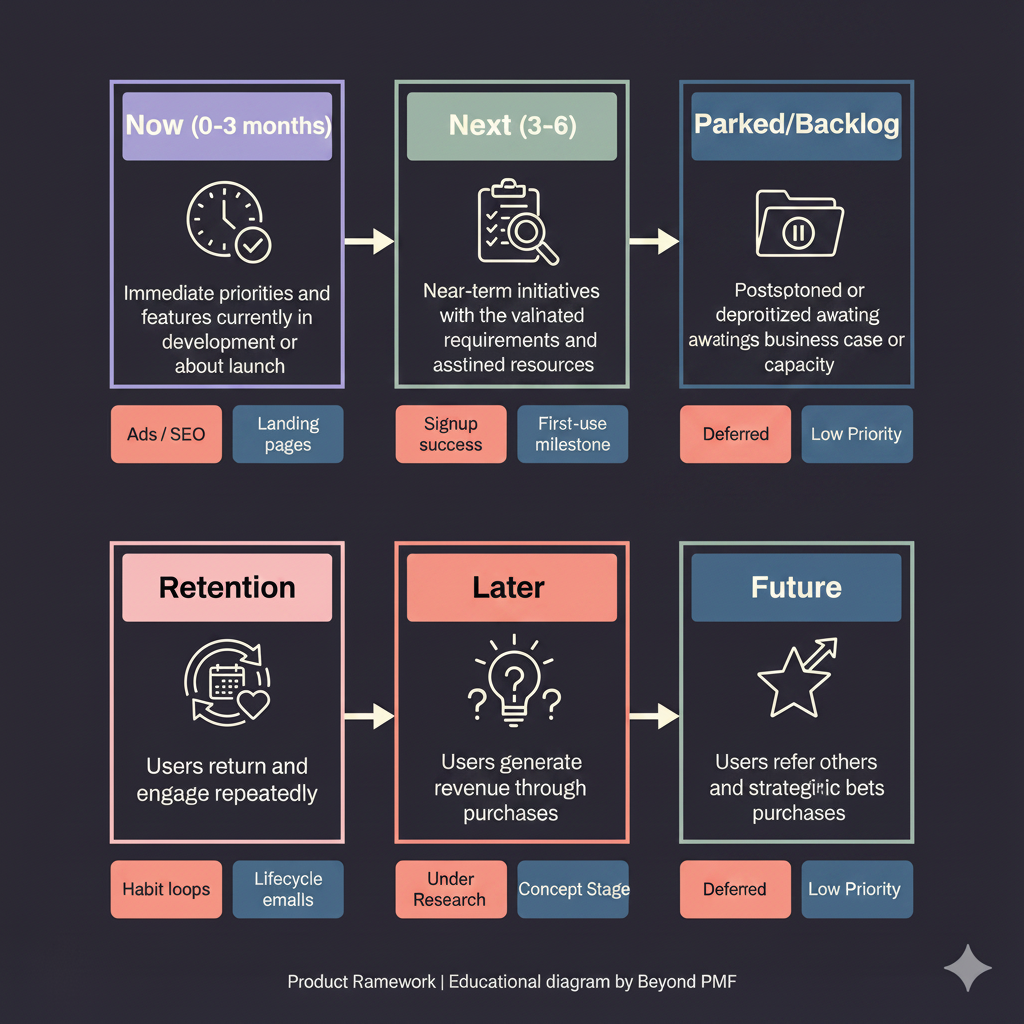
A product roadmap is a strategic planning tool that communicates the direction and progress of a product's development. It aligns the organization around short and long-term goals for the product, and it helps to prioritize features, allocate resources, and manage stakeholder expectations. The roadmap serves as a blueprint for executing the product strategy, facilitating discussions and decision-making processes across teams.

The Prune the Product Tree framework is a facilitation tool used in product management to help teams prioritize features, manage product growth, and ensure alignment with customer needs and business goals. It involves stakeholders in a structured, visual process where they can 'prune' or 'cultivate' parts of the product tree, representing different areas of the product. This metaphorical approach helps in visualizing the development of the product over time and deciding which features need to be developed, maintained, or removed.
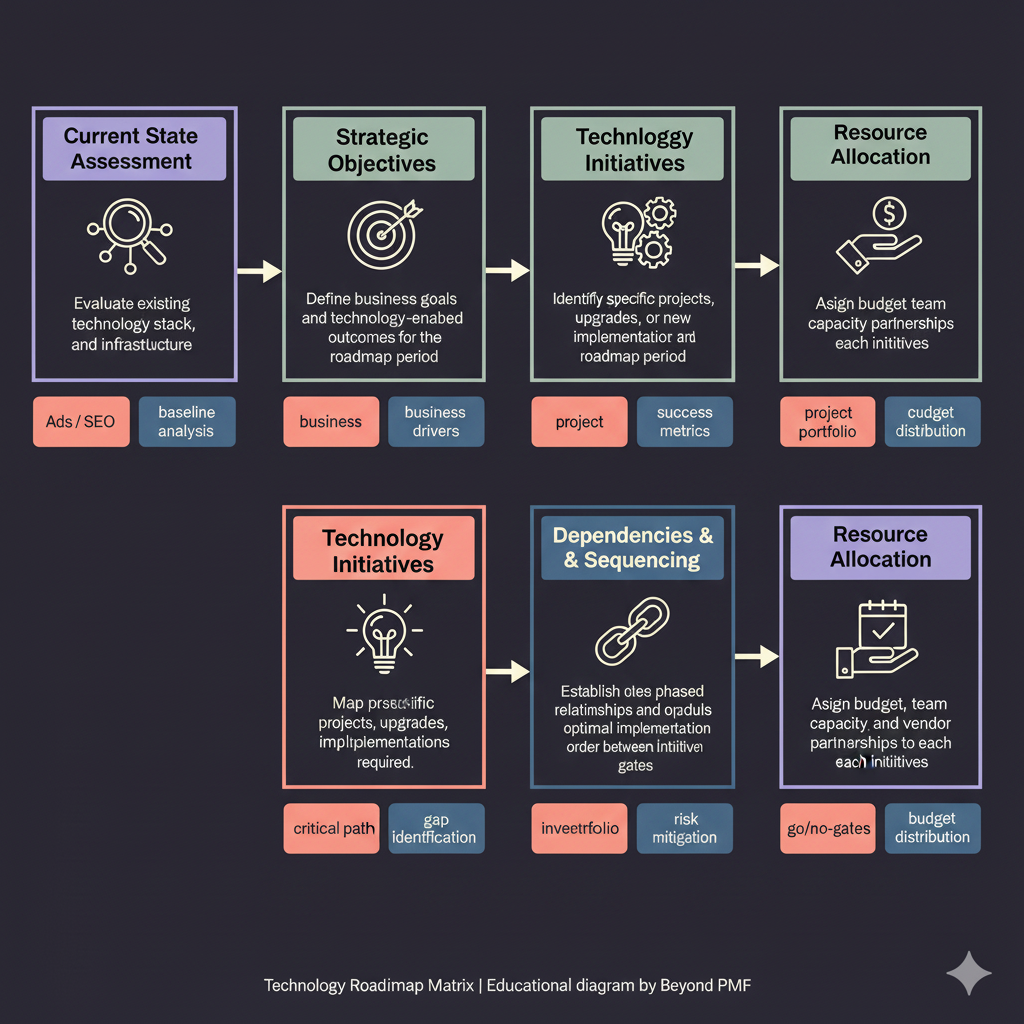
The Technology Roadmap Matrix is a framework that helps organizations plan and visualize the integration of technology with their long-term business goals. It outlines the technologies needed, the timeline for implementation, and the impact on business processes. This framework is crucial for ensuring that technological advancements are strategically aligned with business development, thereby optimizing resource allocation and minimizing risks associated with technological adoption.
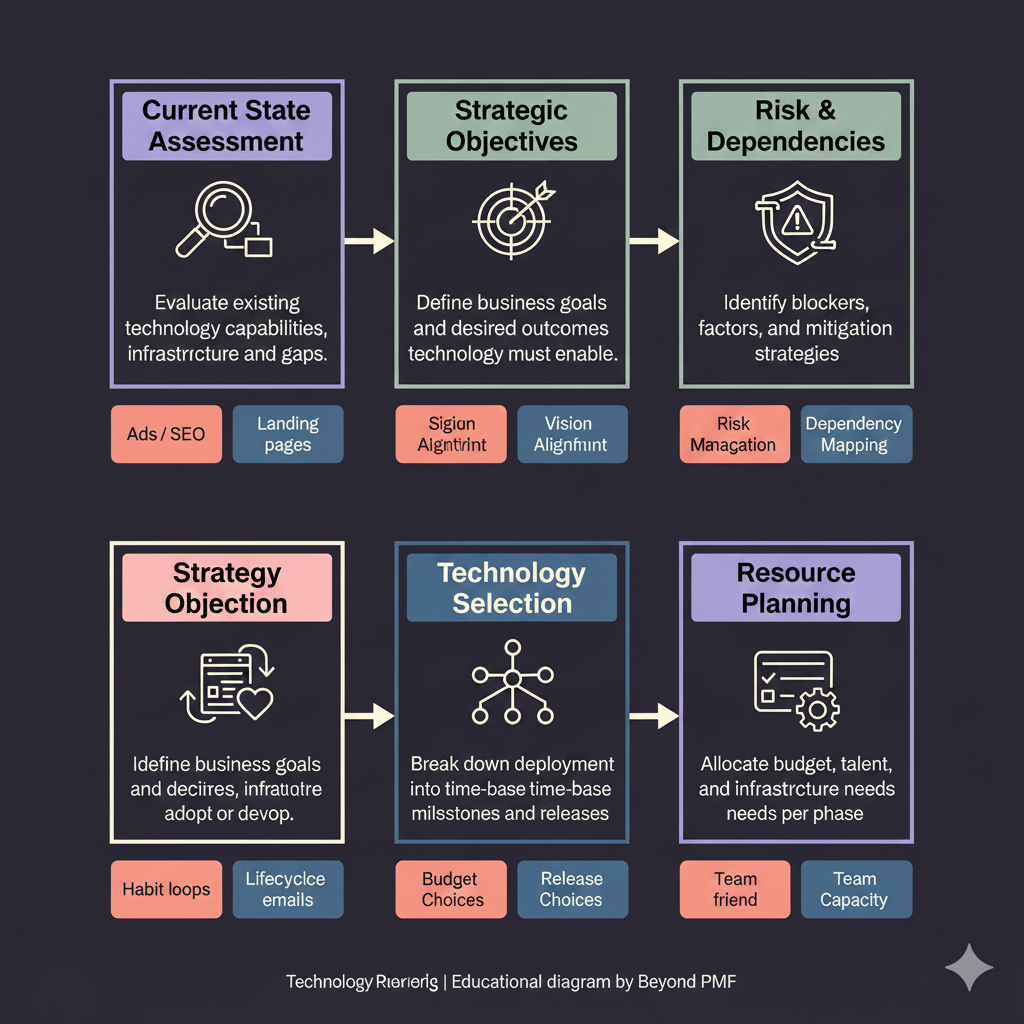
Technology Roadmapping is a framework used to plan and align an organization's technology developments with its business strategy. This framework helps companies visualize the timeline of technological advancements and their impact on products, services, and market needs. It is particularly beneficial for managing long-term technological investments and fostering innovation by identifying necessary resources and potential barriers.