
Design thinking frameworks guide teams through human‑centered problem solving by combining empathy, ideation, prototyping, and validation. They help uncover unmet needs and generate solutions that are desirable, usable, and feasible. These frameworks are particularly effective in discovery and innovation contexts. Use them to reduce solution bias and build products that customers actually want.
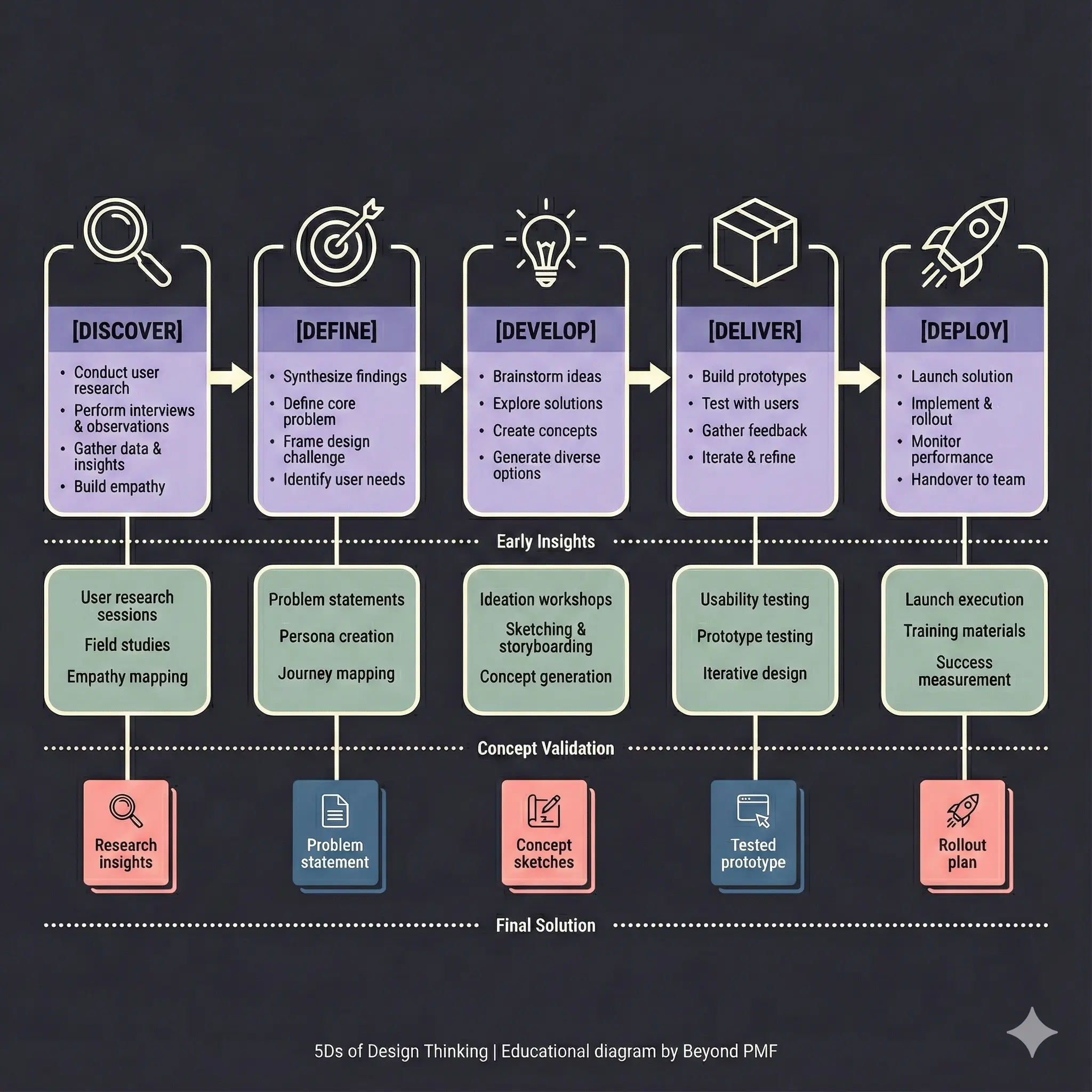
The 5Ds of Design Thinking is a structured approach used to solve complex problems and foster innovation in a user-centered way. It involves five phases: Discover, Define, Develop, Deliver, and Debrief. This framework encourages multidisciplinary teams to collaborate and iterate on solutions, focusing on understanding the user's needs and continuously refining ideas until a viable solution is achieved. The benefits include improved product usability, innovative solutions, and enhanced team collaboration.
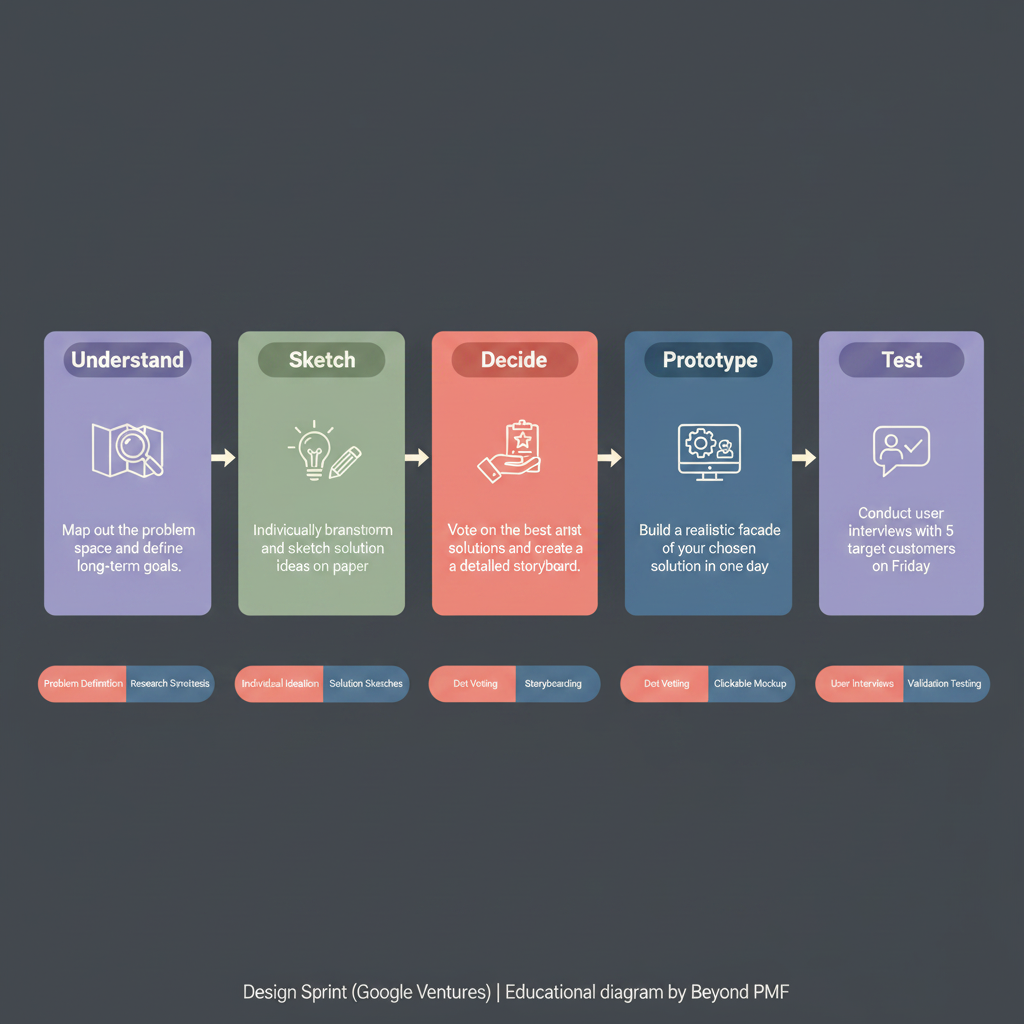
Developed by Google Ventures, the Design Sprint is a unique five-day process aimed at helping businesses solve complex problems and test new ideas in just one week. Originally created by a group of thinkers, engineers, and designers at Google, this framework guides teams from ideation to prototype, culminating in user testing. The sprint enables teams to fast-forward into the future to see their finished product and customer reactions, before making any expensive commitments.

Design Thinking is a methodology used for solving complex problems and finding desirable solutions for clients. A design mindset is not problem-focused, it's solution-focused and action-oriented towards creating a preferred future. Design Thinking involves extensive collaboration and draws upon logic, imagination, intuition, and systemic reasoning to explore possibilities and to create desired outcomes that benefit the end user (the customer).
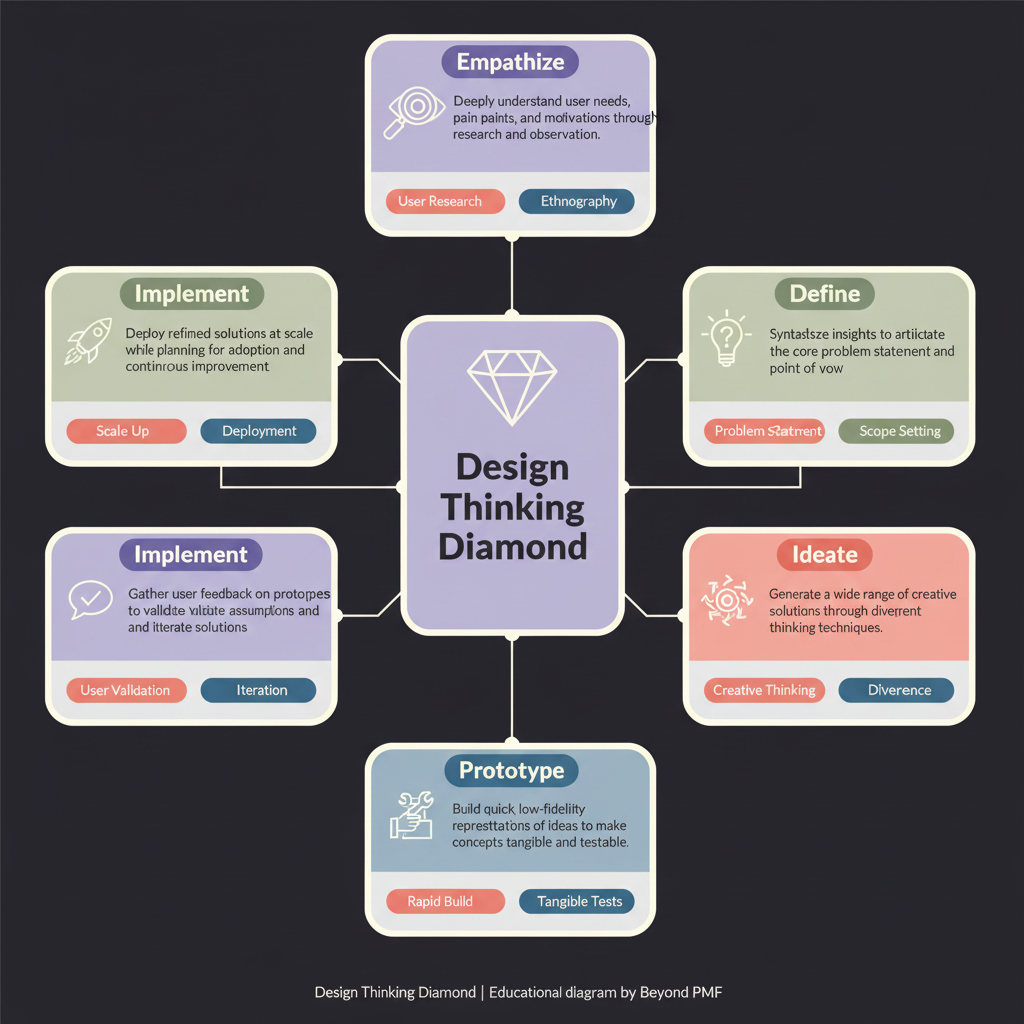
The Design Thinking Diamond is a visual representation used to guide the process of design thinking, which involves both expanding the scope of solutions (divergence) and narrowing down to the best solutions (convergence). This framework is beneficial for fostering creativity and innovation within teams by systematically exploring a wide array of possibilities before refining and focusing on feasible solutions. It helps in addressing complex problems by breaking them down into manageable parts.
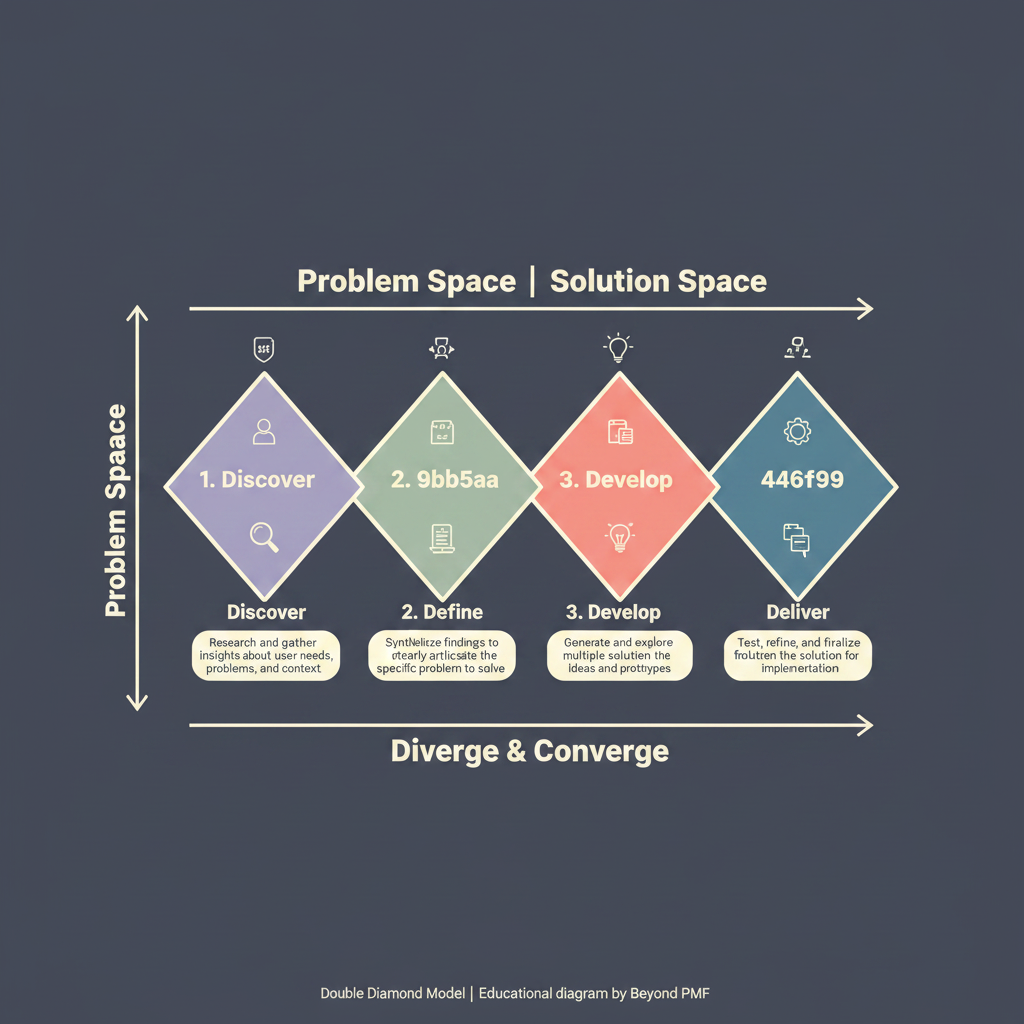
The Double Diamond Model is a design process framework that guides teams through four main phases of product or service development: Discover, Define, Develop, and Deliver. This model helps teams explore a wide range of possibilities (divergent thinking) and then refine and narrow down these possibilities to the best solution (convergent thinking). It is used to manage design processes effectively, ensuring that the end product is both innovative and user-centered. The framework is beneficial for fostering creativity, ensuring thorough exploration of ideas, and aligning the team towards a common goal.
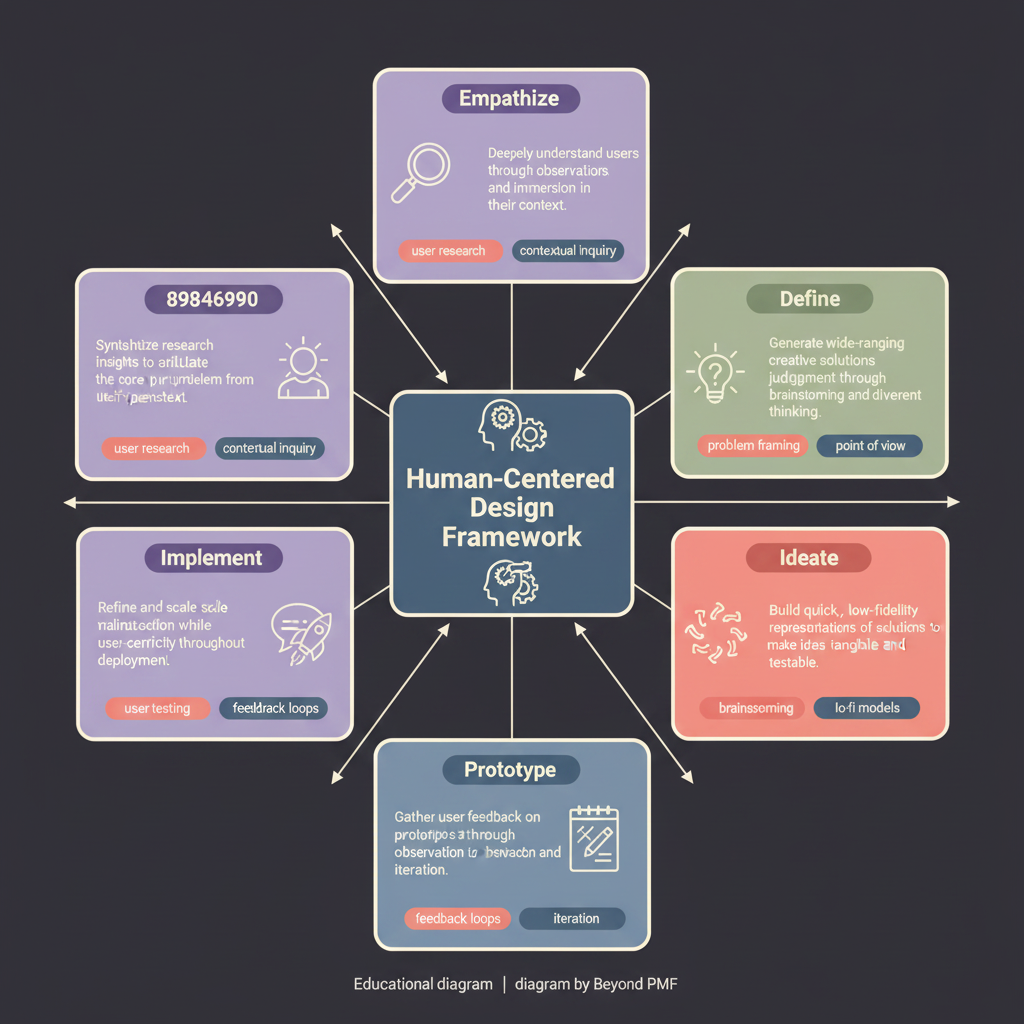
The Human-Centered Design Framework is an iterative process that focuses on understanding the users, their environment, and the problems they face, in order to develop solutions that are both effective and sustainable. It emphasizes empathy, ideation, and prototyping to explore and create solutions that are deeply rooted in user needs. This framework is used to ensure that the outcomes are not only usable but also useful, enhancing user satisfaction and engagement.

IDEO Design Thinking is a methodology used to solve complex problems and find desirable solutions for clients. A design mindset is not problem-focused, it's solution-focused and action-oriented towards creating a preferred future. Design thinking involves extensive collaboration, using strategies from the field of design to integrate the needs of people, the possibilities of technology, and the requirements for business success. It helps organizations develop products, services, and internal processes.
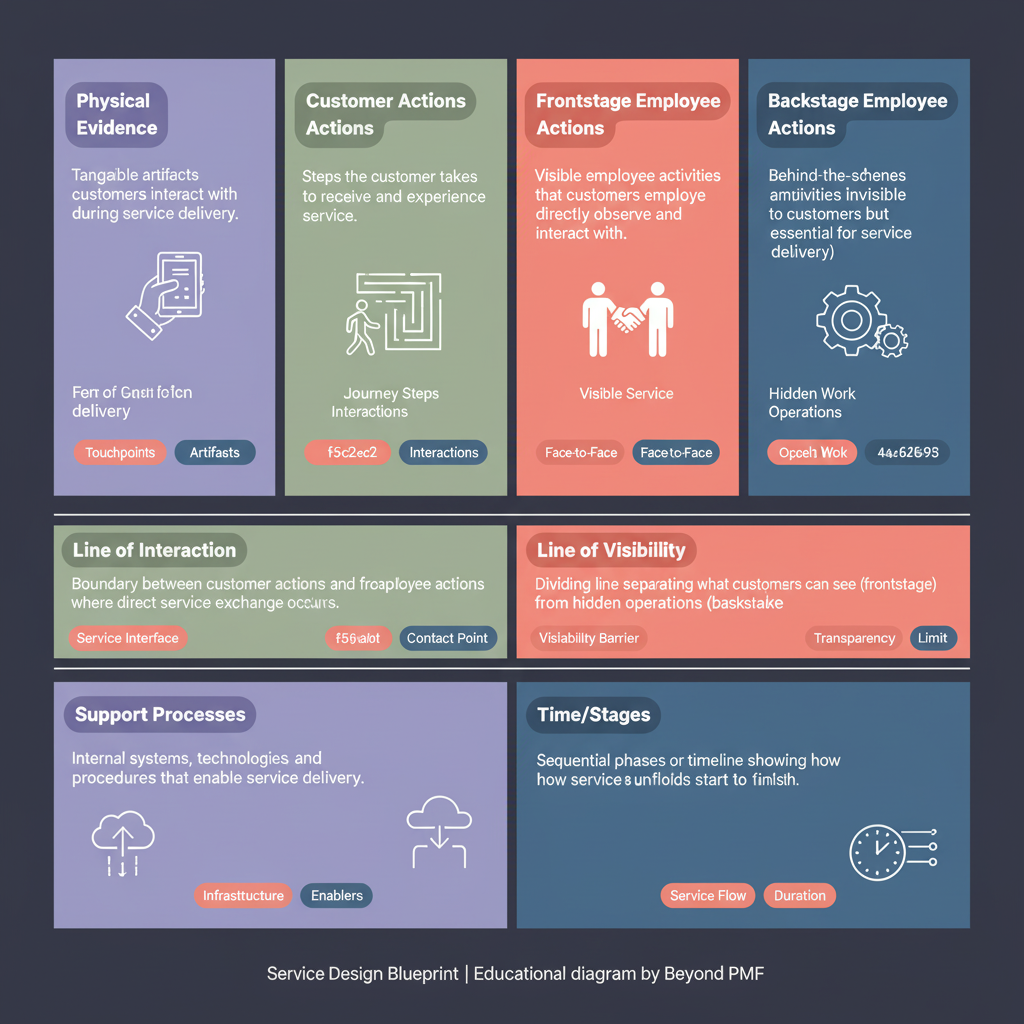
The Service Design Blueprint, often simply referred to as a service blueprint, is a strategic tool used in the planning of service processes and interactions. It helps organizations visualize the relationships and touchpoints between different components of a service, such as customers, employees, and digital systems. This framework is crucial for identifying potential improvements in service efficiency and customer satisfaction, and for ensuring a seamless integration of front-end and back-end service operations.
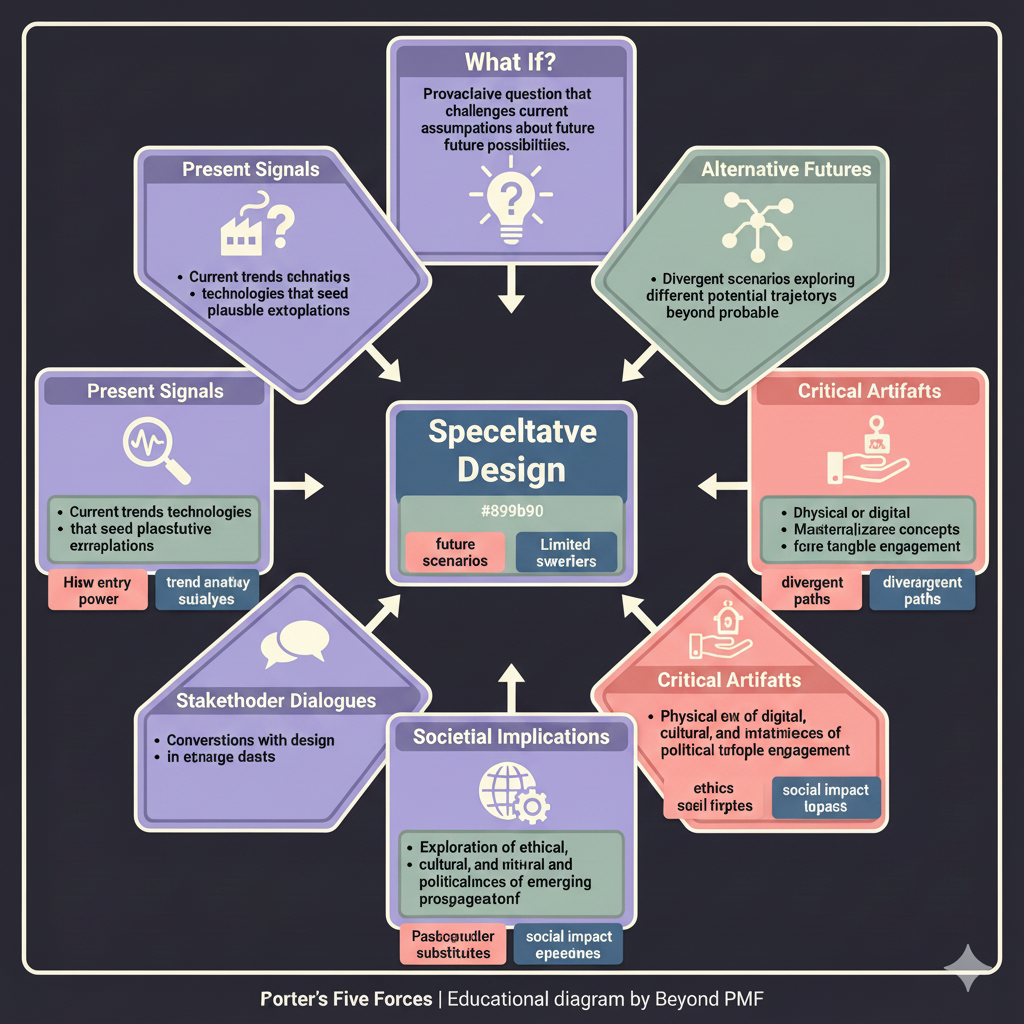
Speculative Design is a framework that encourages designers to think beyond conventional solutions and consider what could be, rather than what is. It is used to challenge assumptions and stimulate discussion about the social, cultural, and ethical implications of new technologies and behaviors. The approach is beneficial for sparking innovation and fostering a deeper understanding of how choices made today can impact the future.
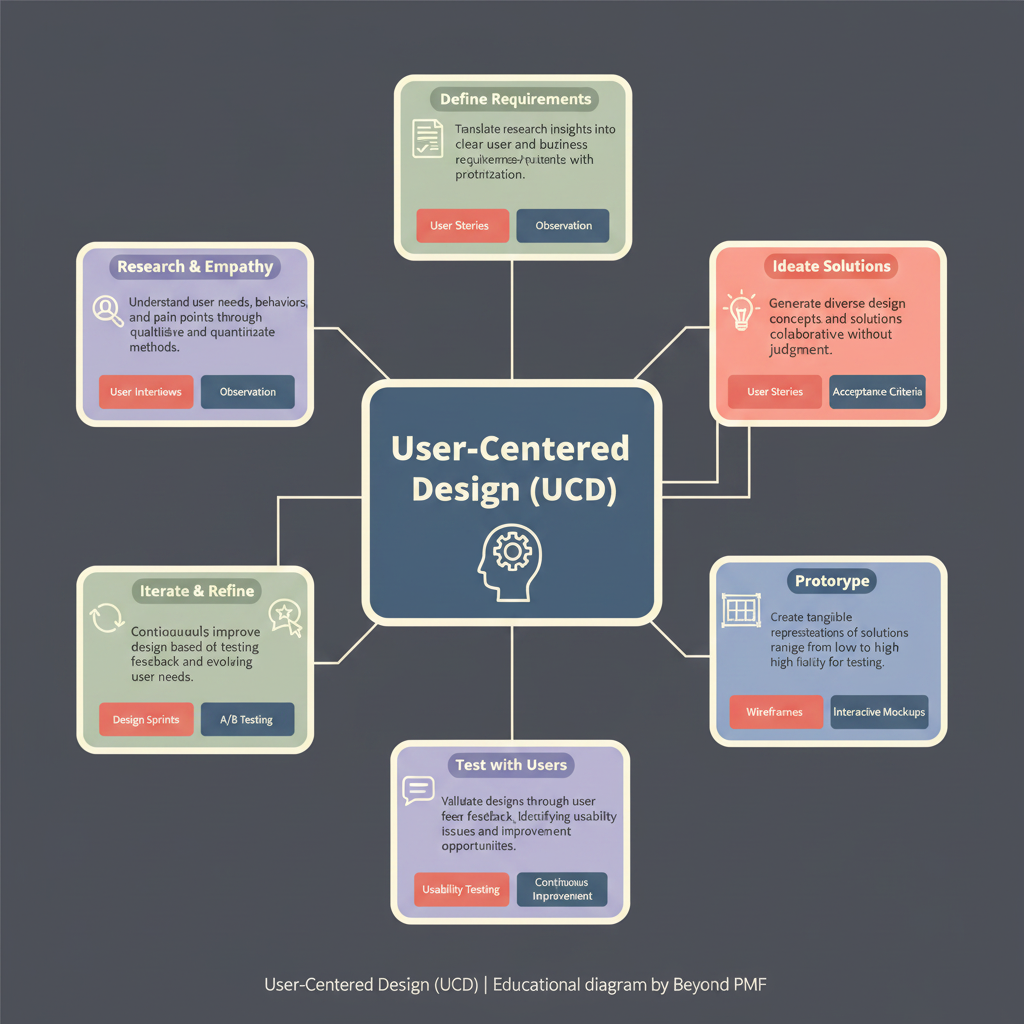
User-Centered Design (UCD) is a framework that emphasizes the importance of designing products and services with the end user's experience as the primary focus. It involves a multi-stage process that integrates user feedback and usability testing throughout the development cycle to ensure the final product meets user needs effectively. This approach helps in creating more usable, accessible, and successful products, leading to higher user satisfaction and better overall performance.