
Cross‑functional alignment frameworks help product, design, engineering, sales, and operations teams move in the same direction with minimal friction. They establish shared goals, explicit responsibilities, and decision mechanisms across streams. These frameworks are crucial when outcomes rely on joint execution in complex customer journeys. Use them to remove silos, accelerate delivery, and keep strategy and execution tightly connected.
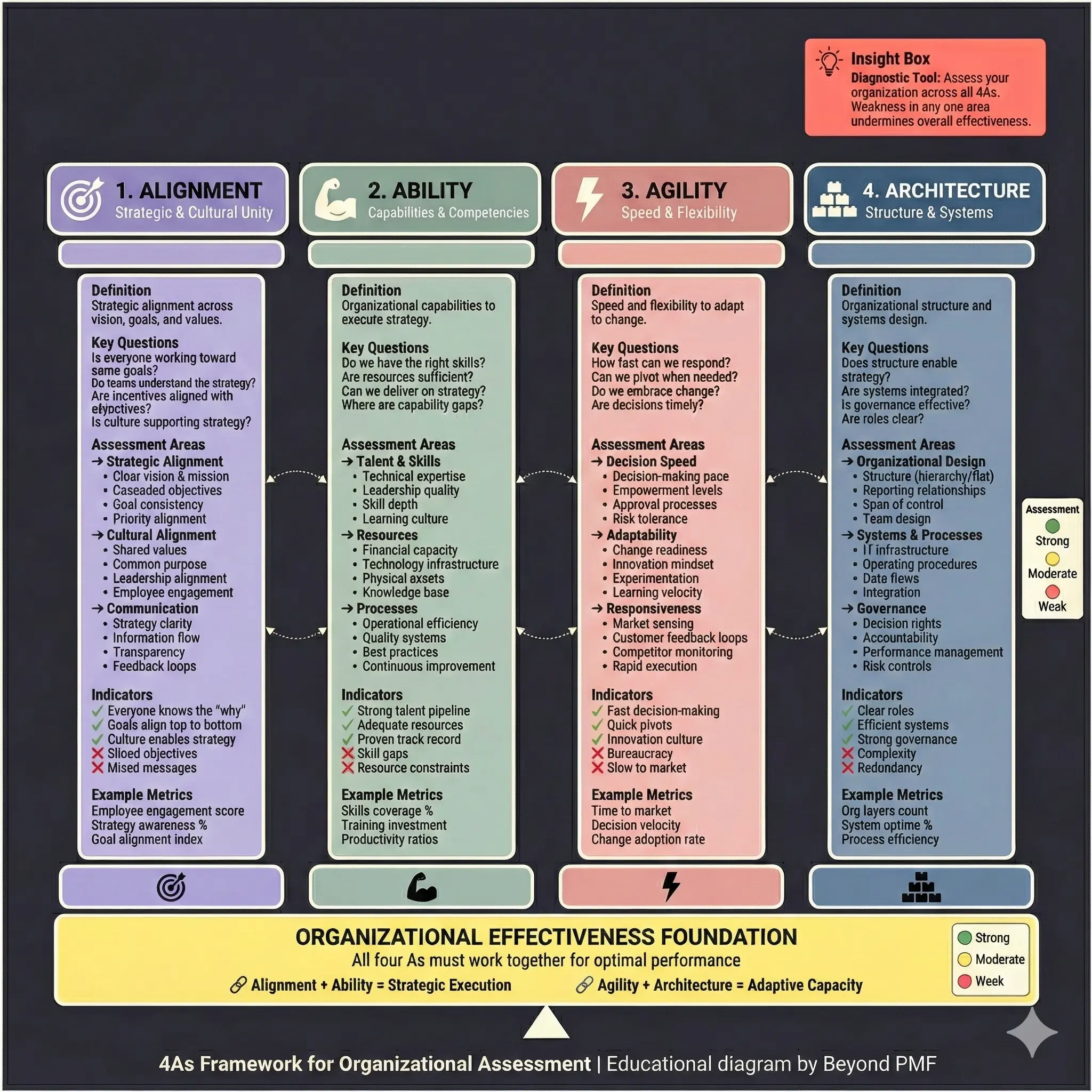
The 4As Framework is designed to help organizations optimize their operations and strategy by focusing on four key areas: Alignment, Ability, Agility, and Architecture. This framework aids in understanding how well these elements are integrated and functioning towards achieving the business goals. It is particularly beneficial for diagnosing organizational issues, enhancing coordination across departments, and improving overall performance.
.webp)
The 7S Model (McKinsey) is a diagnostic tool used for analyzing and improving organizational effectiveness. It encompasses seven interdependent factors which are categorized as either 'hard' or 'soft' elements: Strategy, Structure, Systems, Shared Values, Skills, Style, and Staff. This framework helps organizations assess and align these elements to ensure they are mutually reinforcing, thereby enhancing performance and facilitating change management.

The Cross-Functional Team Framework is a strategic approach used in organizations to bring together team members from various functional areas to work on a common project or solve complex problems. This framework leverages the diverse skills and perspectives of its members, fostering innovation and speeding up problem-solving processes. It is particularly beneficial in enhancing communication, increasing agility, and driving a more integrated approach to project management within a company.
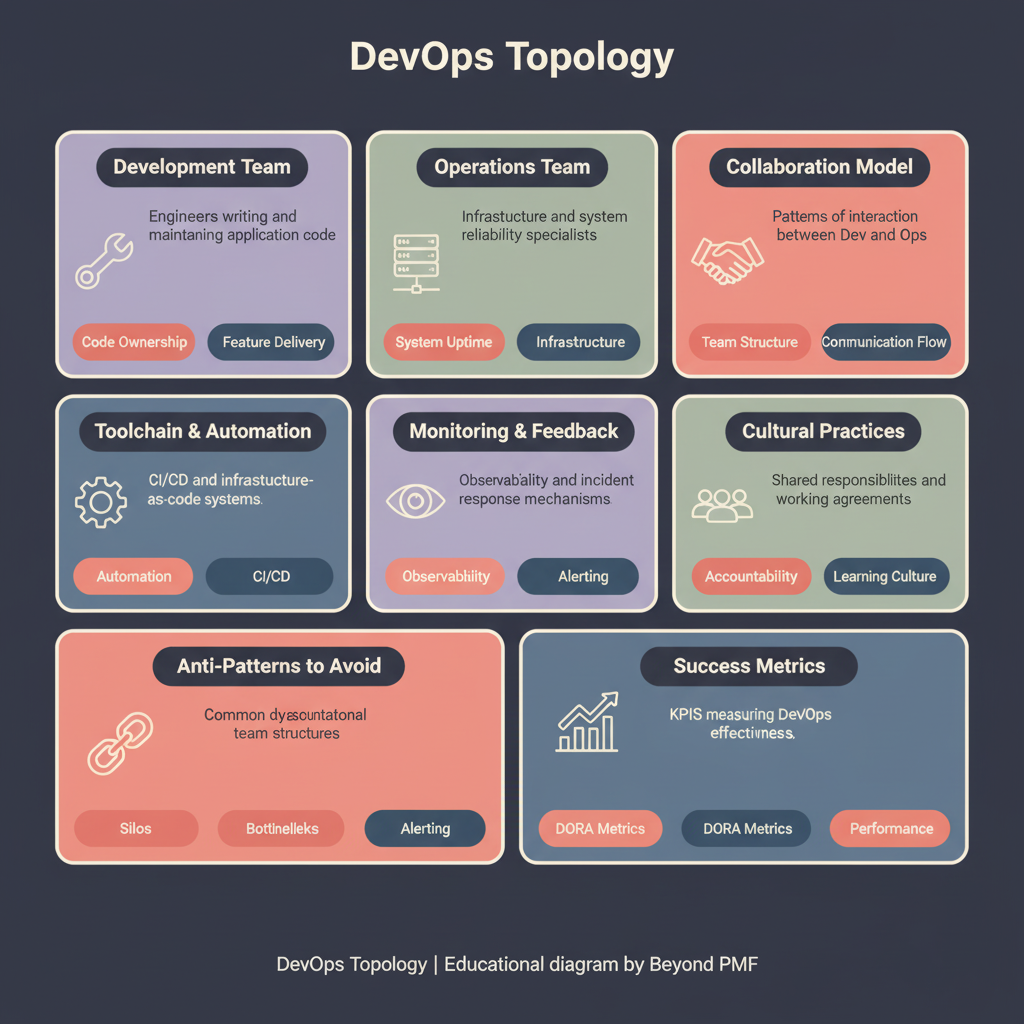
DevOps Topology is a framework that outlines different models for integrating DevOps practices within an organization. It helps in identifying the most effective structure to foster collaboration between development and operations teams. By analyzing various topological models, organizations can streamline processes, enhance communication, and improve deployment frequencies, which leads to faster time-to-market and better product quality.
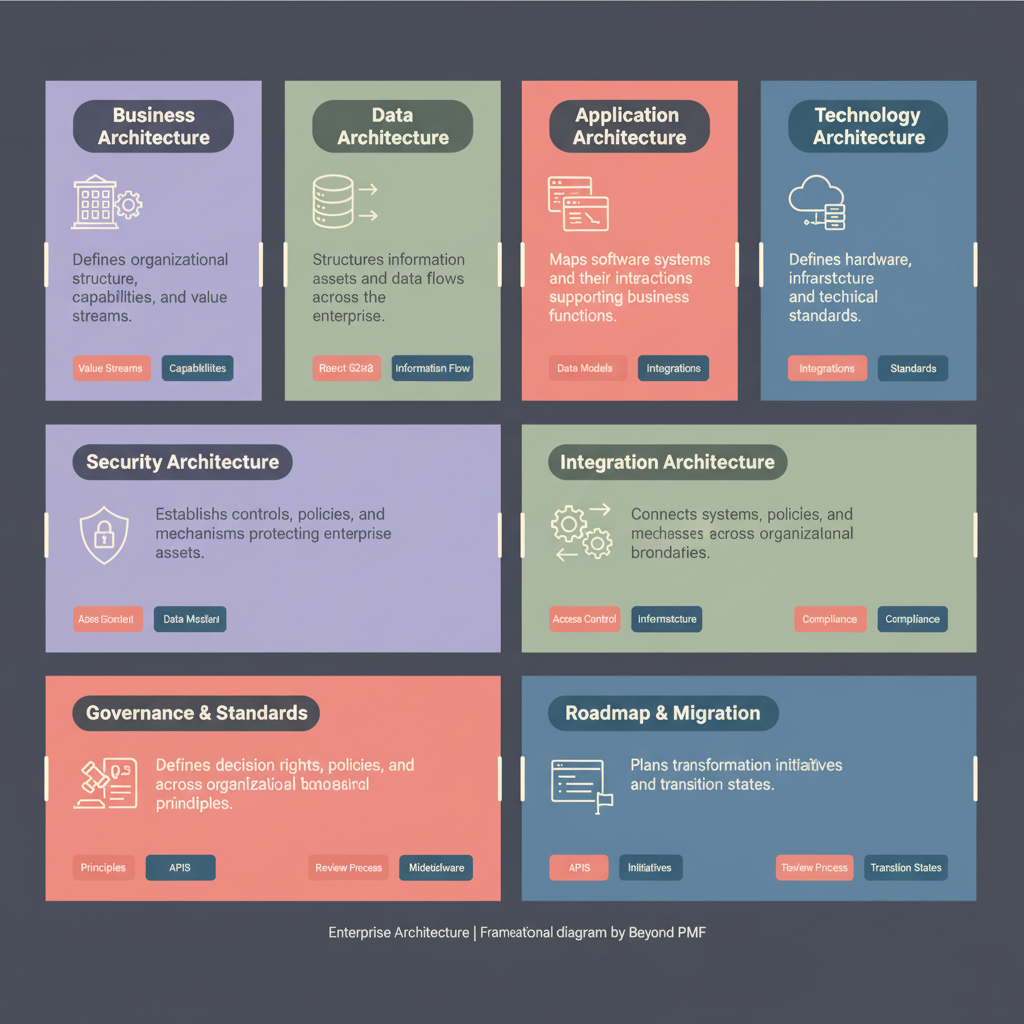
An Enterprise Architecture Framework is a set of tools and methods used to analyze, design, plan, and implement business strategies with IT support. It helps organizations structure their IT projects and policies to achieve their business objectives efficiently. The framework ensures that IT investments are aligned with business goals, providing a blueprint for future growth and scalability.
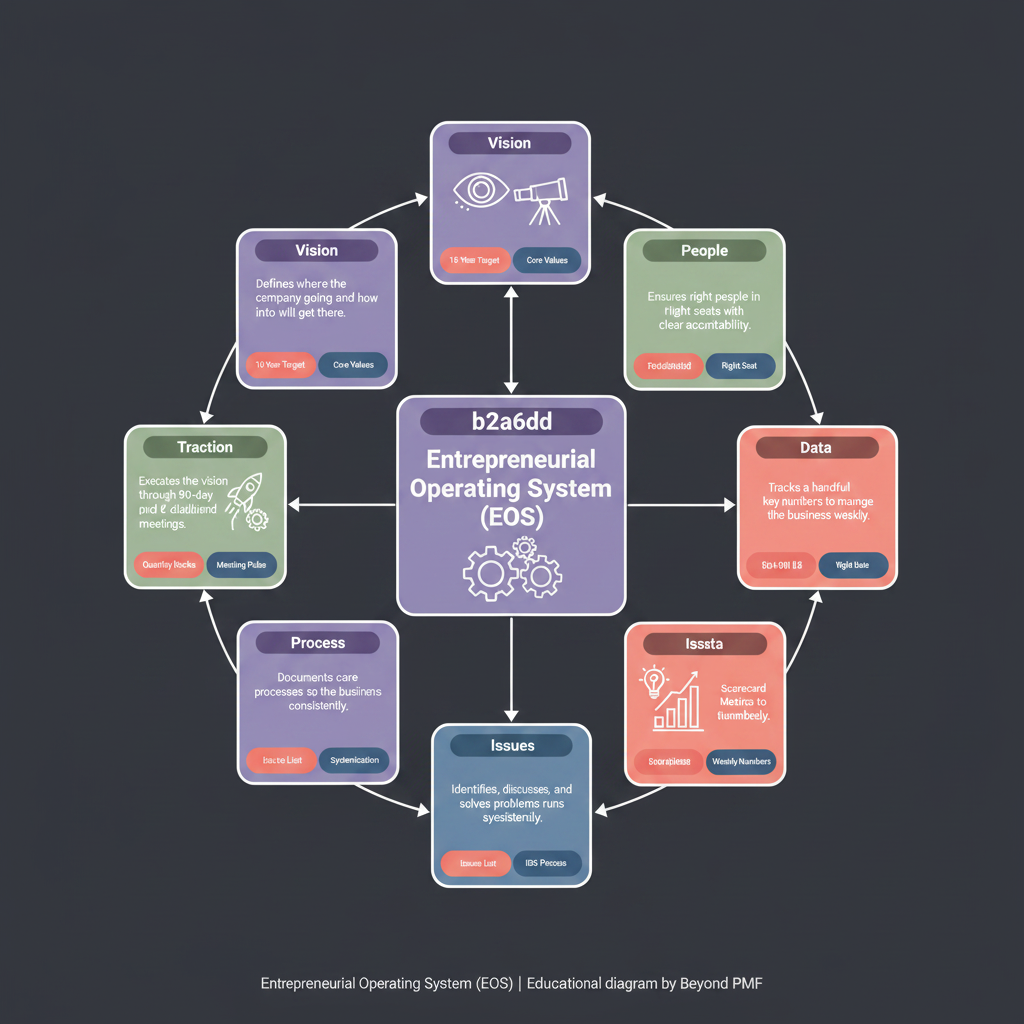
The Entrepreneurial Operating System (EOS) is a comprehensive business management framework used by small to mid-sized companies to foster growth and enhance performance. It provides a set of simple concepts and practical tools that help entrepreneurs and business leaders get better at three things: vision, traction, and health. By focusing on these areas, organizations can synchronize all their efforts and energy to achieve their goals more effectively. The system emphasizes discipline and accountability throughout the company, making it easier to execute business plans successfully.
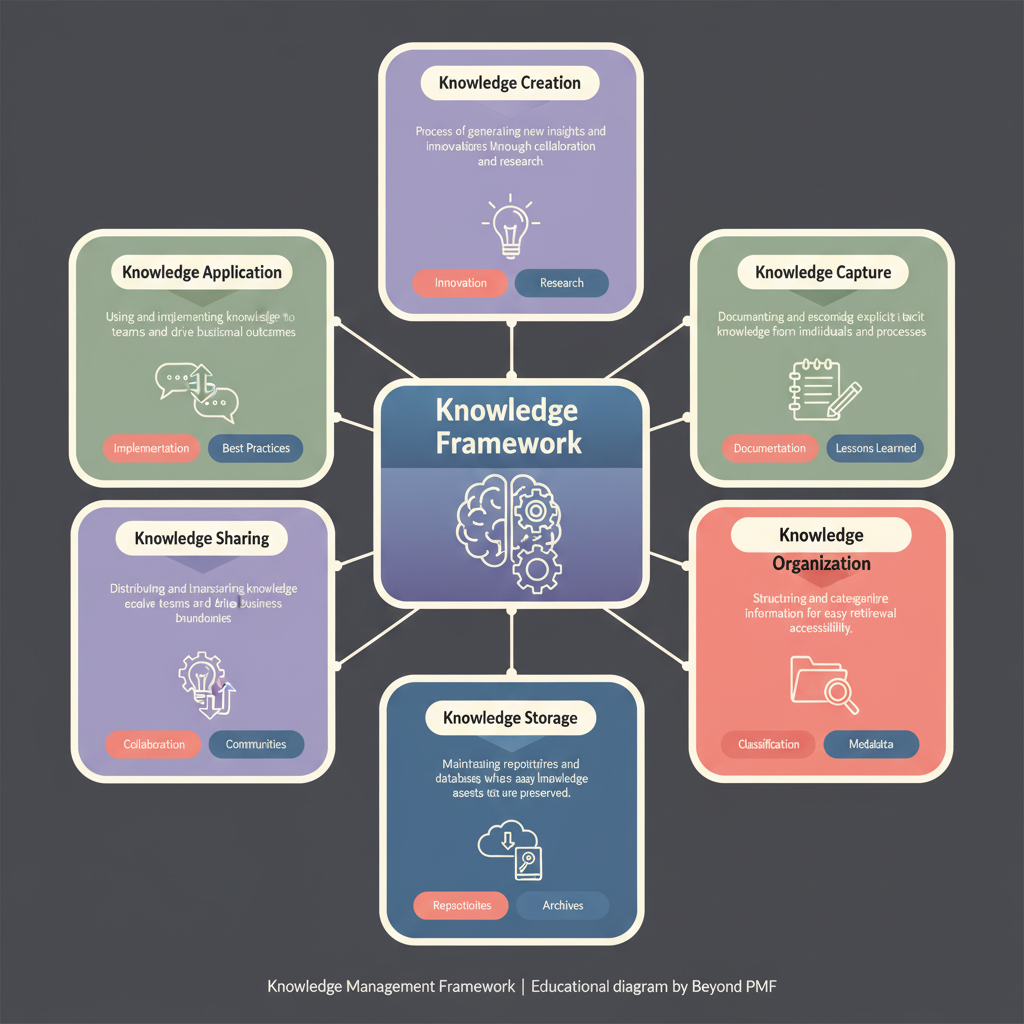
The Knowledge Management Framework is a systematic approach designed to help organizations manage their knowledge effectively. It involves processes and tools that facilitate the capture, distribution, and effective use of knowledge to enhance organizational performance. The framework supports continuous learning and knowledge sharing, leading to improved innovation, competitive advantage, and customer satisfaction.
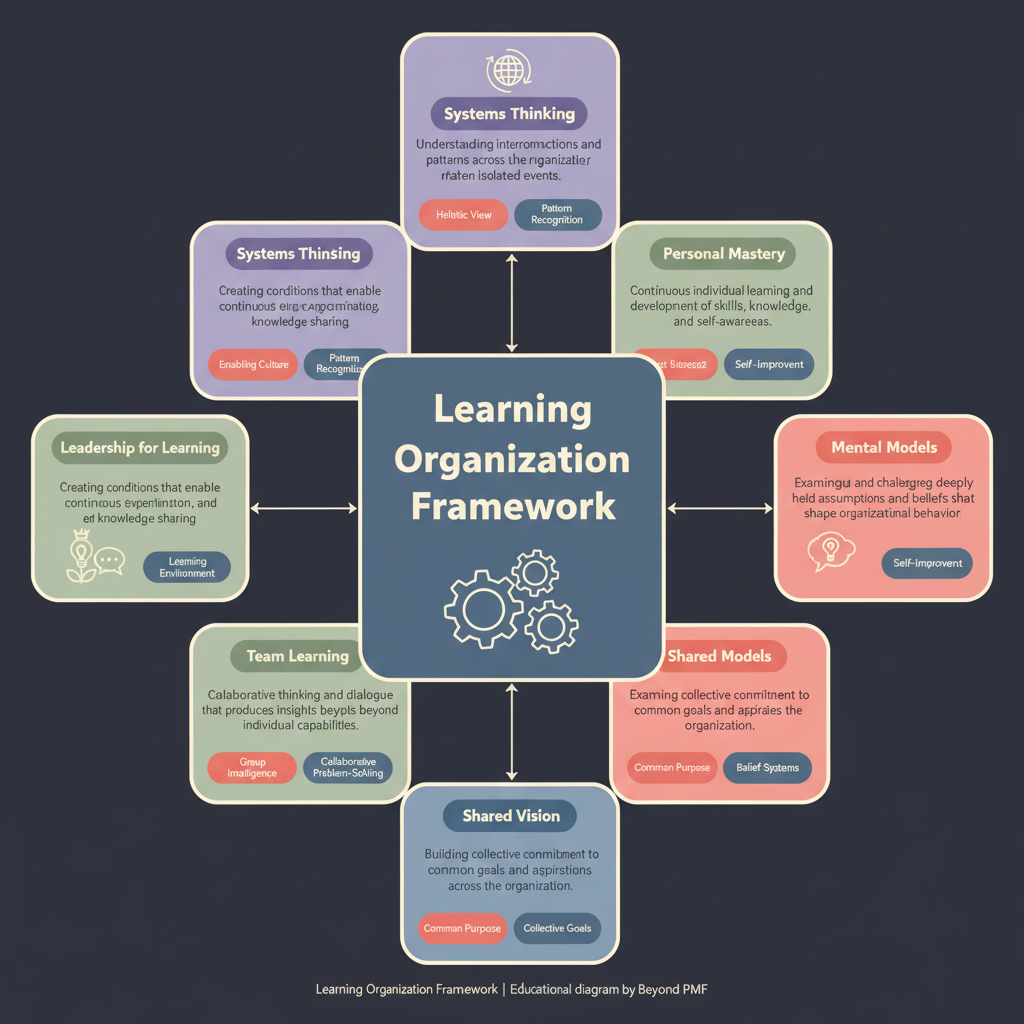
The Learning Organization Framework is a conceptual model that emphasizes the importance of continuous learning and adaptation within organizations. It is used to foster an environment where employees are encouraged to learn from their experiences and from each other, leading to sustained innovation and improvement. The framework helps organizations become more dynamic and better equipped to respond to external changes and internal challenges.
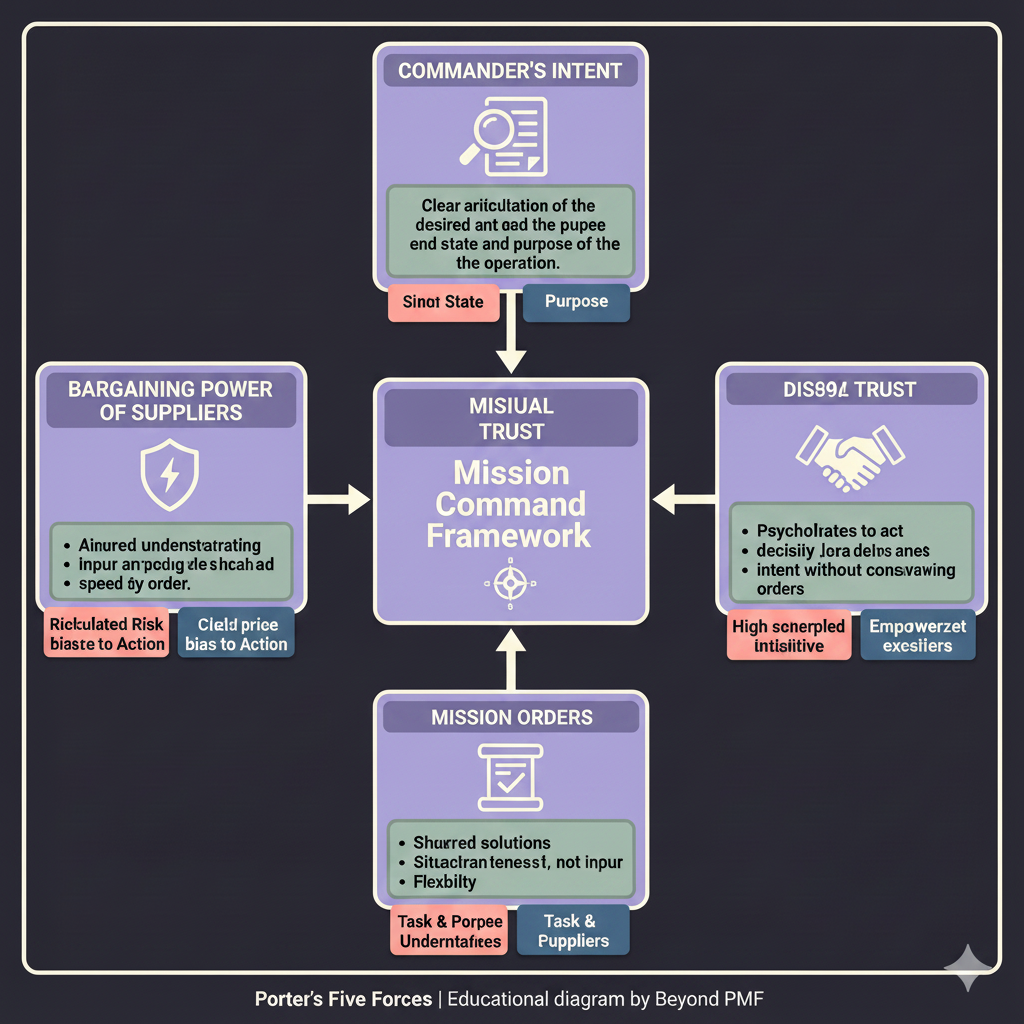
The Mission Command Framework is a leadership philosophy that empowers individuals and teams to make decisions in alignment with the organization's intent. It is used primarily in military and complex operations where rapid decision-making is critical under uncertain conditions. The framework fosters initiative, flexibility, and rapid adaptation, enhancing the organization's ability to respond to dynamic situations and achieve strategic goals effectively.
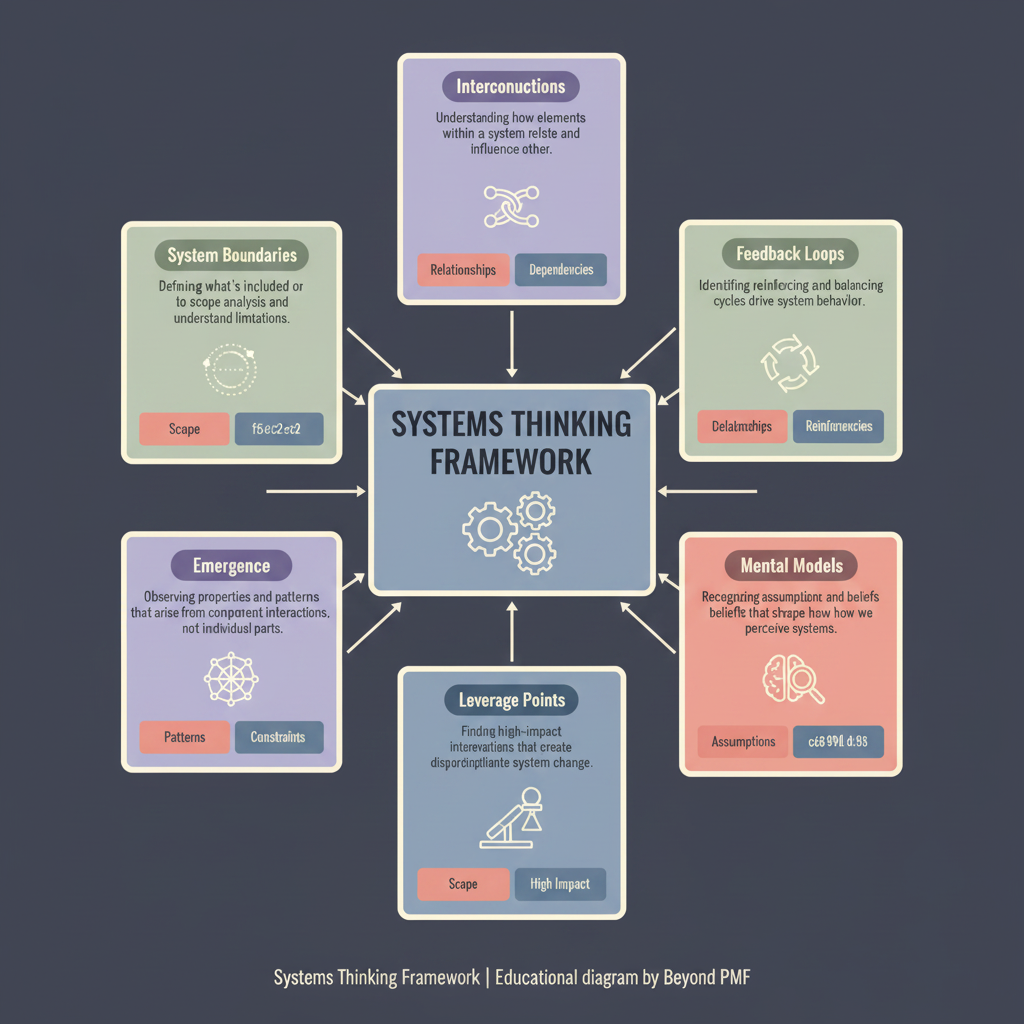
The Systems Thinking Framework is utilized to understand complex systems by observing the relationships and interactions between the components that comprise the entirety of the defined system. This framework helps in identifying how individual elements influence one another within a whole, in both expected and unexpected ways. It is particularly beneficial for dealing with complex problems that are interconnected and dynamic, providing a way to anticipate the outcomes of changes within the system.