
Goal‑setting frameworks help organizations define clear outcomes, align priorities, and track progress over time. They translate strategy into measurable targets that teams can execute against. These approaches are especially useful across portfolios and cross‑functional journeys. Use them to create focus, improve accountability, and drive coordinated execution.
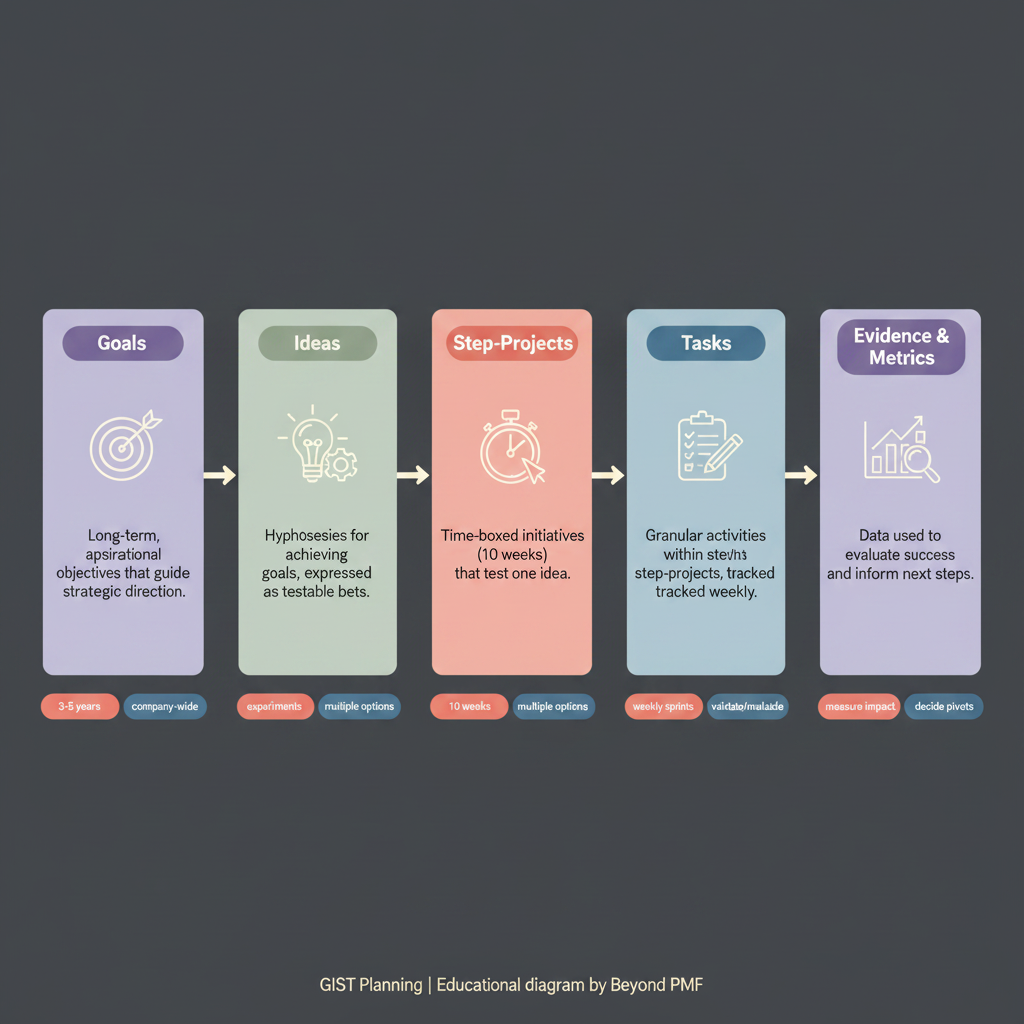
GIST (Goals, Ideas, Step-projects, Tasks) Planning is a framework designed to replace traditional roadmaps with a more flexible, iterative approach to strategic planning. It emphasizes continuous learning and adaptation, allowing teams to adjust their strategies based on real-world feedback and results. The framework helps organizations prioritize their efforts on high-impact projects and quickly pivot as needed, making it ideal for dynamic and uncertain environments.
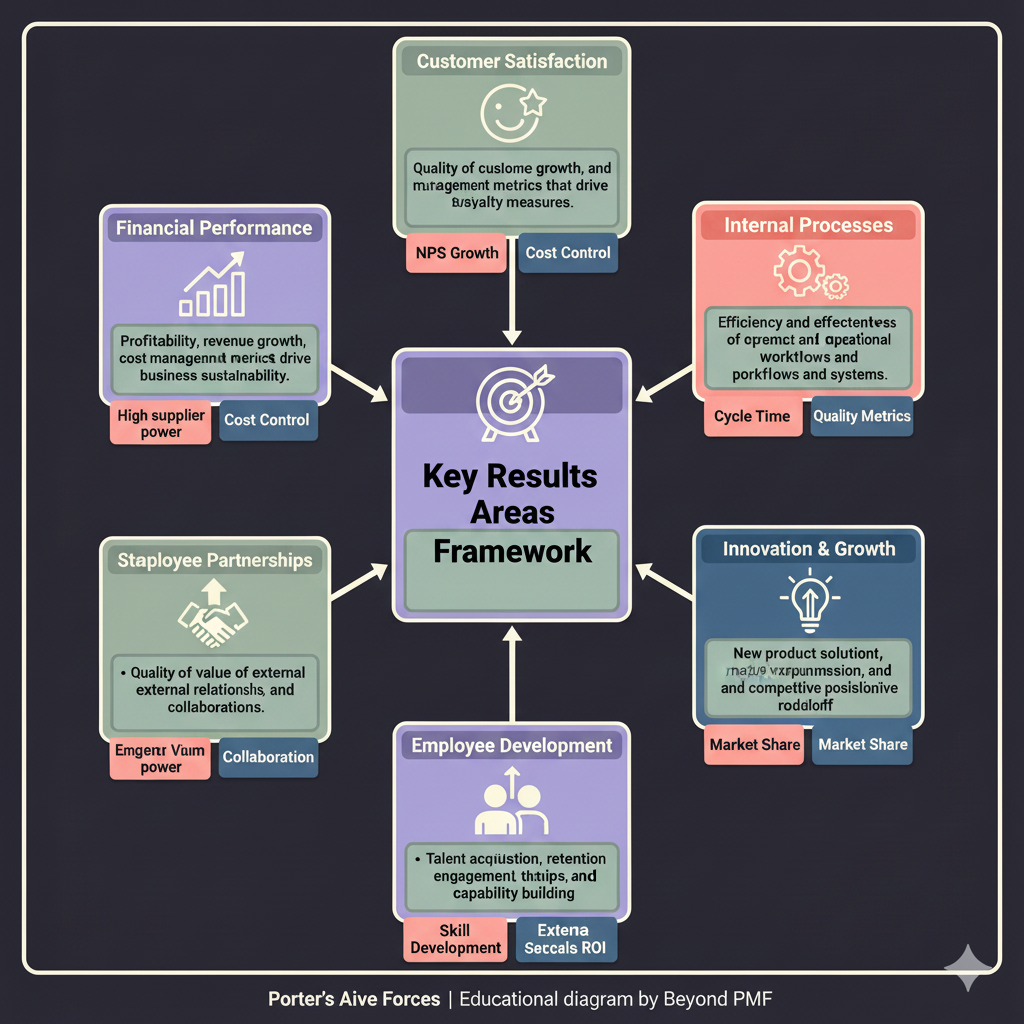
The Key Results Areas (KRAs) Framework is a management tool used to define and measure the areas where an employee is expected to deliver specific outcomes. By focusing on KRAs, organizations can align employee performance with their strategic goals, ensuring that efforts are directed towards the most impactful areas. This framework helps in setting clear performance expectations, improving accountability, and enhancing overall organizational efficiency.

Objectives & Key Results (OKRs) is a collaborative goal-setting tool used by teams and individuals to set challenging, ambitious goals with measurable results. OKRs are used to create alignment and engagement around measurable goals, typically set on a quarterly basis. This framework helps organizations focus efforts on the same important issues throughout the organization.