
Customer development frameworks structure how teams discover real customer needs, validate assumptions, and reduce market risk. They prioritize learning before scaling and help clarify who the customer is, what problem matters, and what evidence proves demand. These approaches are core to early‑stage product discovery and venture building. Use them to avoid building deadweight products and to move toward strong product‑market fit faster.
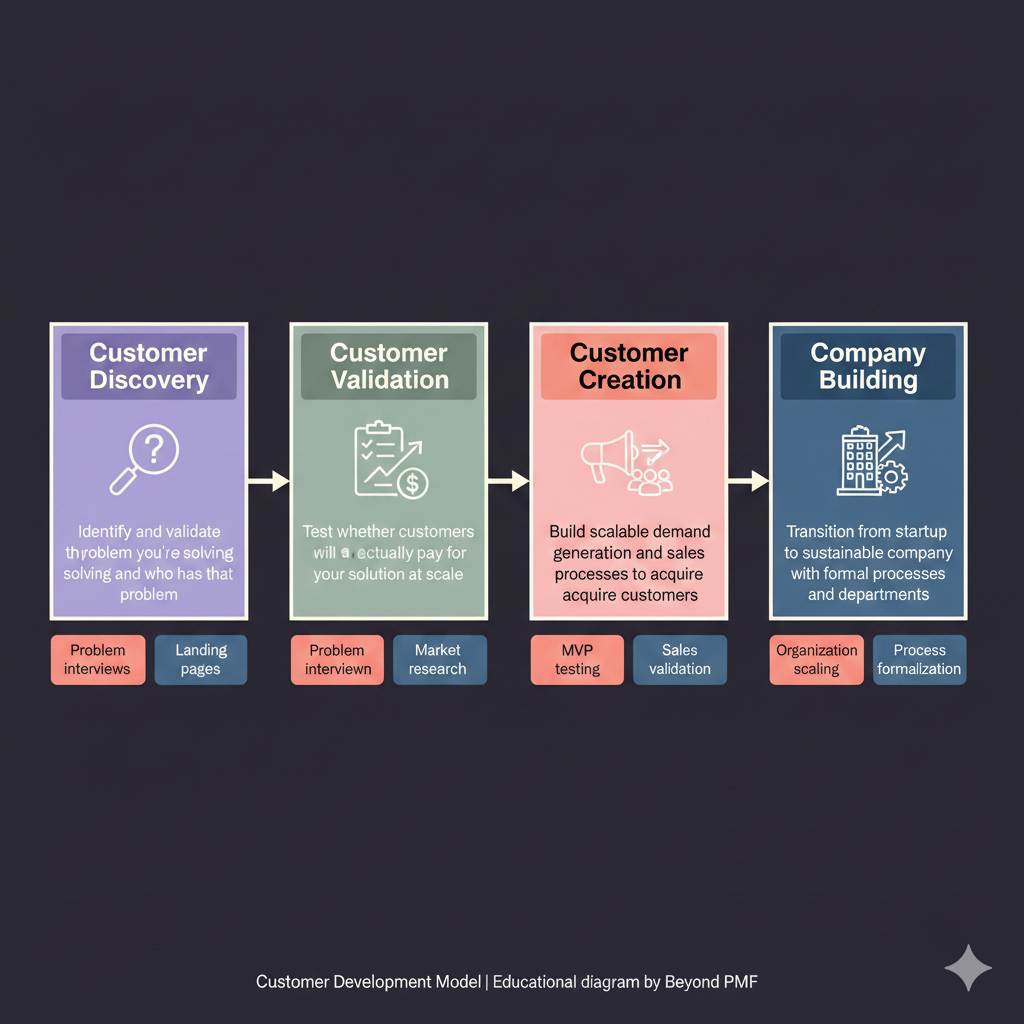
The Customer Development Model, developed by Steve Blank, is a key component of the Lean Startup methodology. It emphasizes understanding customer problems and needs before developing a full-scale product. This iterative, four-step framework guides businesses through the process of customer discovery, validation, creation, and company building. It is designed to help startups avoid building products that customers do not want and thus reduces the market risks and increases the likelihood of startup success.
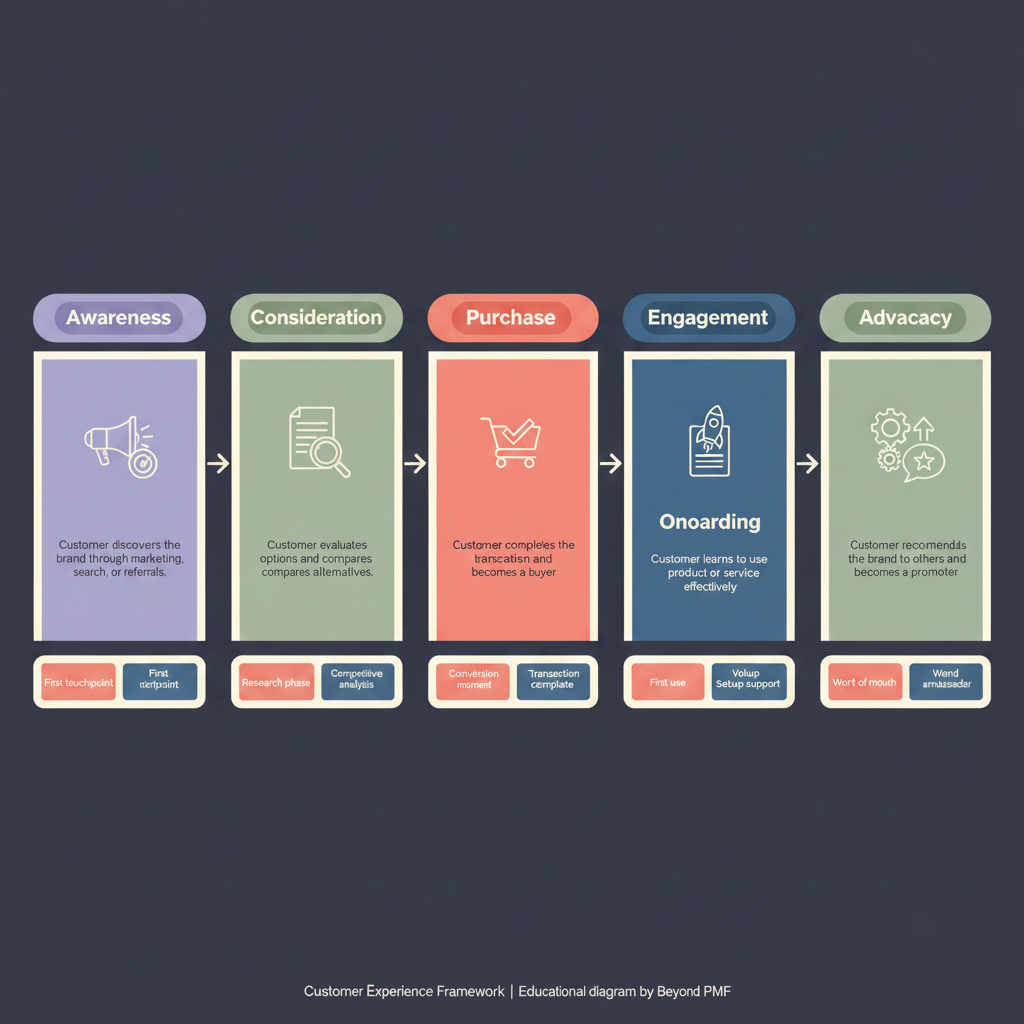
The Customer Experience Framework is a comprehensive approach designed to systematically improve and manage the interactions between a company and its customers. It focuses on understanding customer needs, mapping customer journeys, and optimizing touchpoints to enhance satisfaction and loyalty. This framework helps businesses align their operations with customer expectations, leading to increased customer retention, higher customer satisfaction, and improved brand perception.
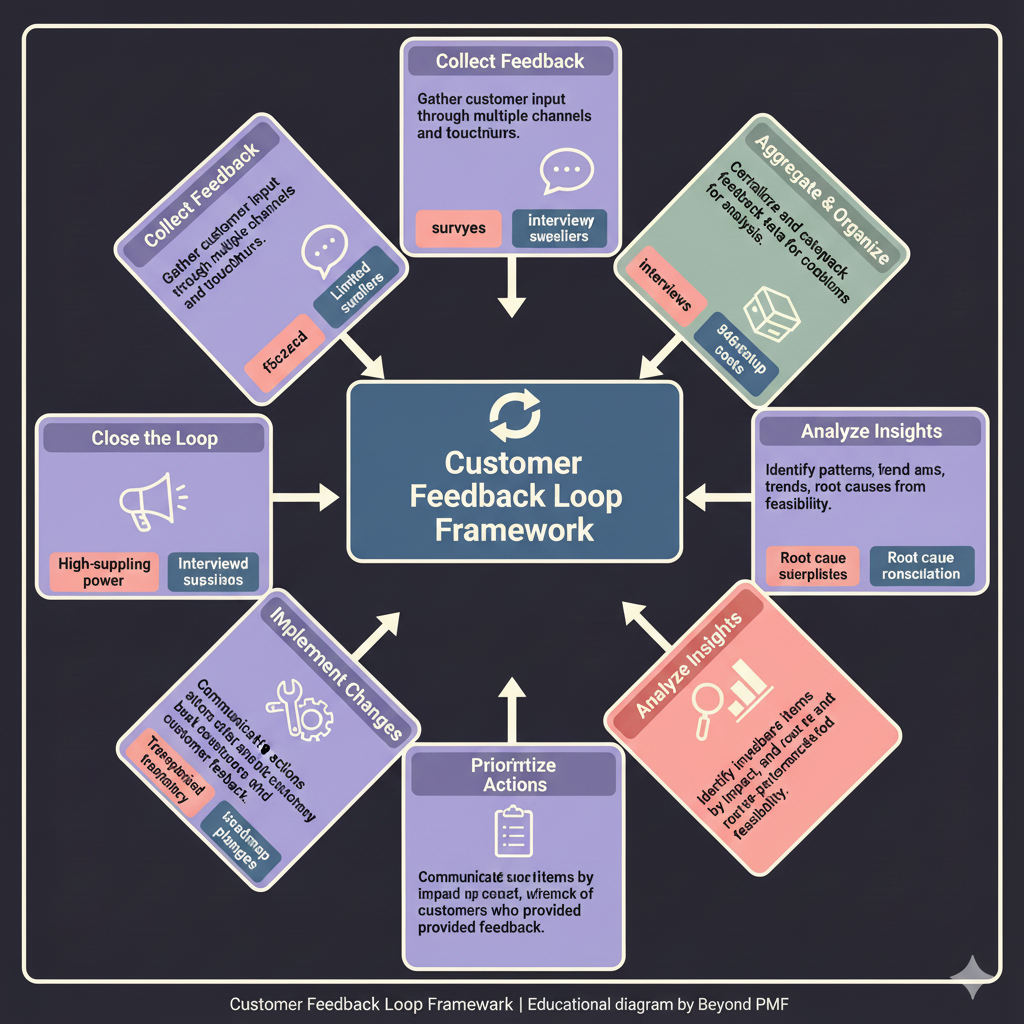
The Customer Feedback Loop Framework is designed to help businesses systematically gather, analyze, and act on customer feedback. This iterative process ensures that customer insights are effectively integrated into product development and service improvement strategies. By continuously engaging with customer feedback, companies can make more informed decisions, enhance customer satisfaction, and foster loyalty. The framework not only helps in identifying areas of improvement but also in recognizing customer needs and expectations, thereby aligning business offerings more closely with market demands.
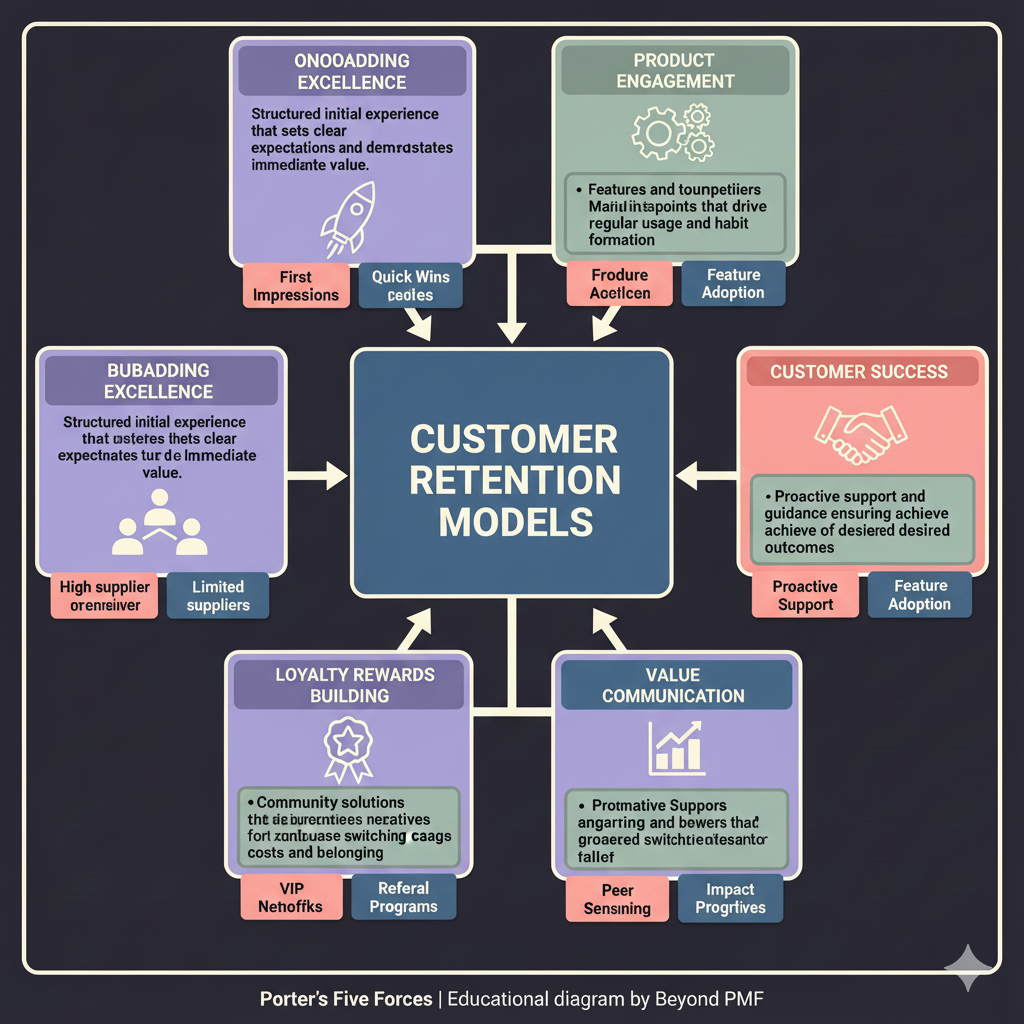
Customer Retention Models encompass a variety of strategies and methodologies aimed at keeping customers engaged and loyal to a brand over time. These models analyze customer behavior, satisfaction, and engagement to develop personalized interactions and offers that encourage repeat business. The use of these models helps companies reduce churn rates, increase customer lifetime value, and optimize marketing efforts based on detailed insights into customer preferences and needs.

The Customer Segmentation Framework is a method used by companies to divide their customers into groups based on common characteristics such as demographics, buying behavior, and psychographics. This approach helps businesses tailor their marketing strategies to specific segments, improving customer engagement and optimizing resource allocation. The segmentation enables companies to focus on the most lucrative segments, enhance customer service, and achieve a competitive advantage by addressing specific needs and preferences.
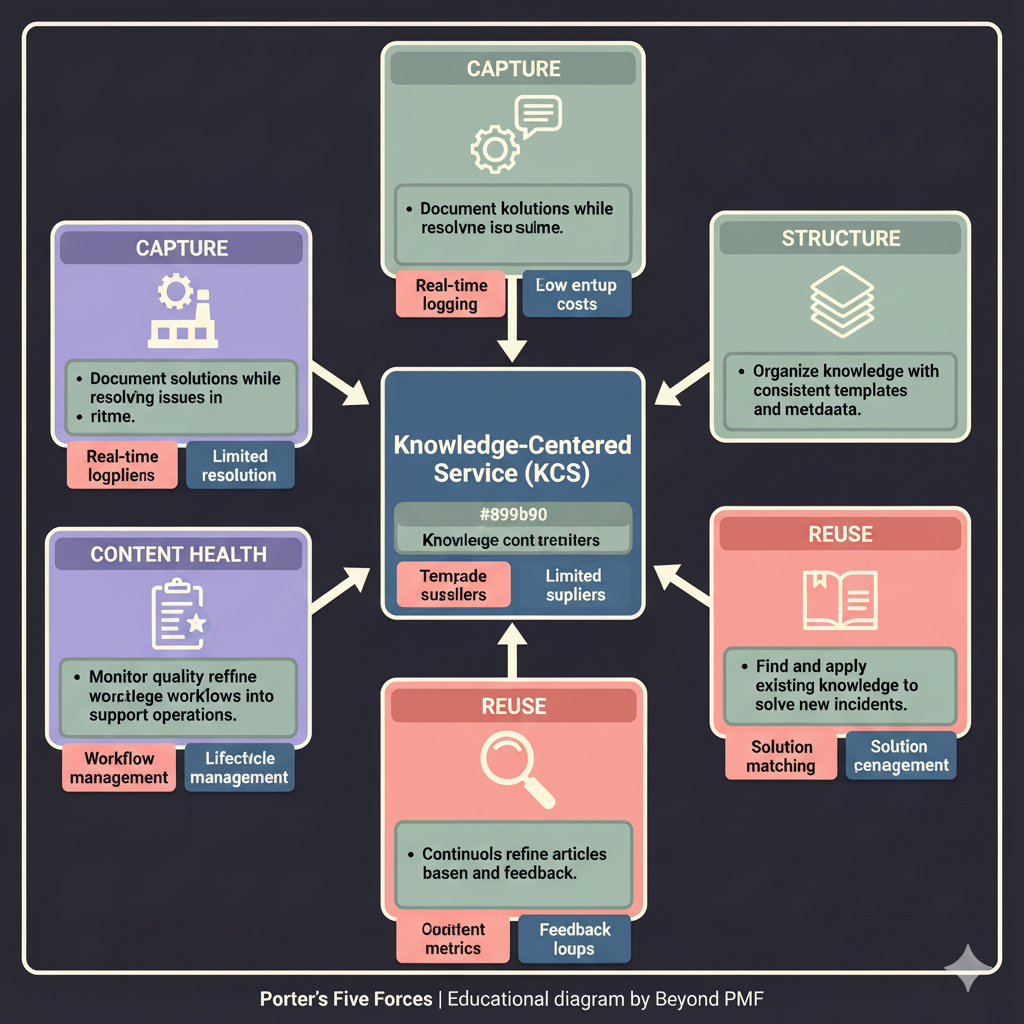
Knowledge-Centered Service (KCS) is a service delivery methodology that focuses on knowledge as a key asset in the service process. It emphasizes creating, maintaining, and leveraging knowledge consistently across an organization to improve service efficiency, resolve problems faster, and enhance customer satisfaction. By integrating the creation and maintenance of knowledge into daily service tasks, KCS enables organizations to continuously improve and update their knowledge base.
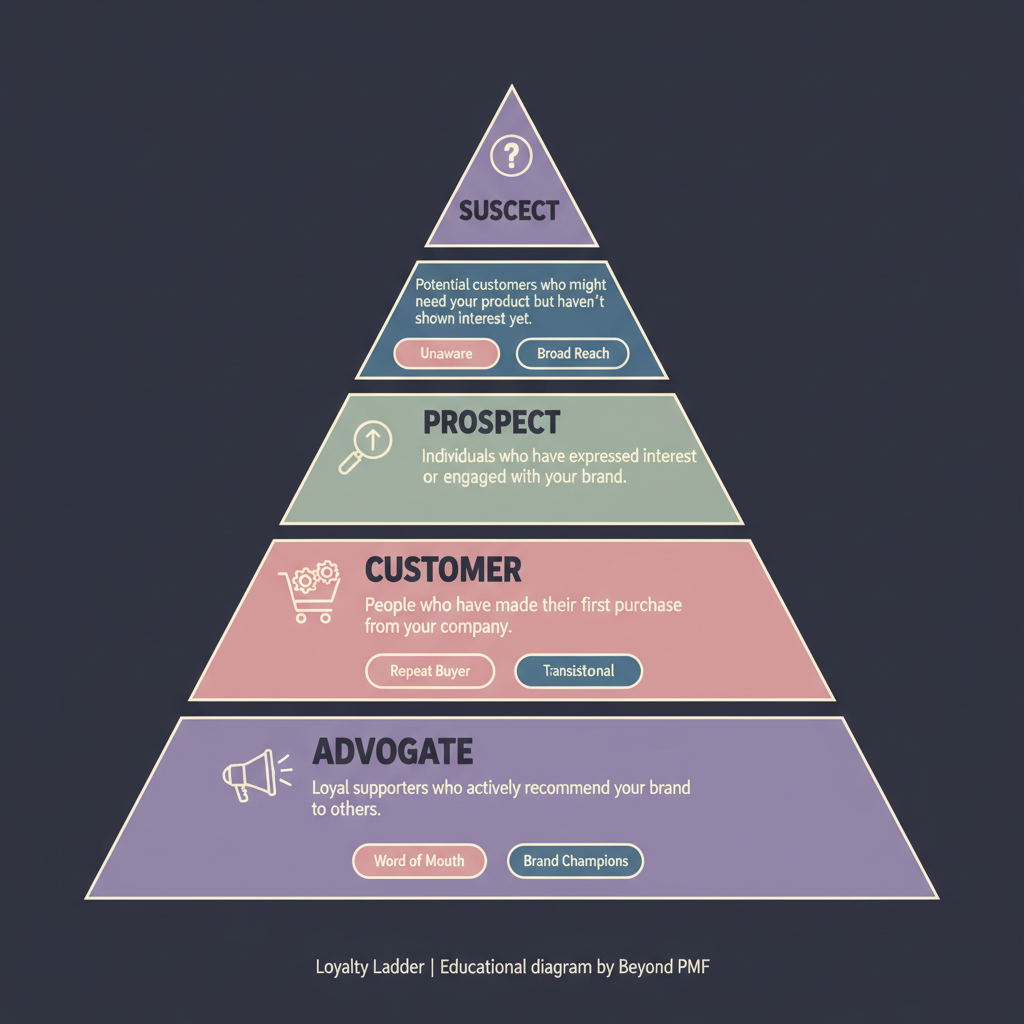
The Loyalty Ladder is a framework designed to enhance customer loyalty by categorizing customers based on their engagement levels and progressively moving them up the ladder from prospects to advocates. This model helps businesses tailor their marketing strategies to specific customer segments, fostering deeper relationships and increasing customer retention. The framework is beneficial for identifying opportunities to upgrade customer engagement and for maximizing the lifetime value of customers.