
Resource frameworks guide how organizations allocate people, budget, tools, and capacity across competing priorities. They make constraints explicit and help avoid overloading critical teams. These frameworks are important in portfolio environments and transformation programs. Use them to increase efficiency and ensure resources follow strategic value.

Critical Path Analysis is a technique used in project management to identify the sequence of crucial, dependent tasks that determine the shortest possible duration to complete a project. By highlighting these tasks, CPA helps managers allocate resources efficiently, prioritize tasks, and foresee potential delays. Its main benefit is ensuring project completion in the shortest time possible, with effective monitoring and scheduling of essential tasks.
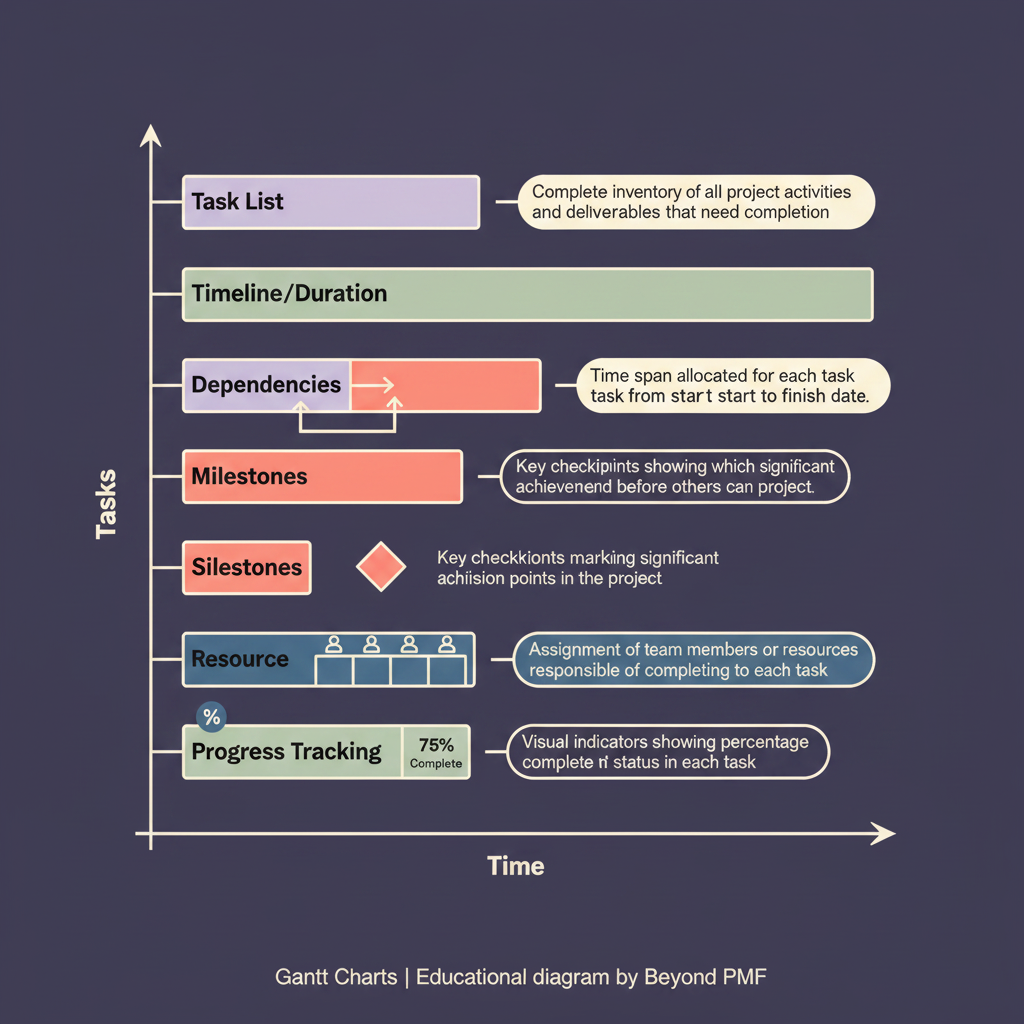
A Gantt Chart is a type of bar chart that represents a project schedule. It illustrates the start and finish dates of the various elements of a project. Gantt Charts are used to plan projects of all sizes and help in tracking project schedules. They are beneficial for ensuring that project tasks are completed on time, resources are allocated efficiently, and stakeholders are kept informed of project progress.
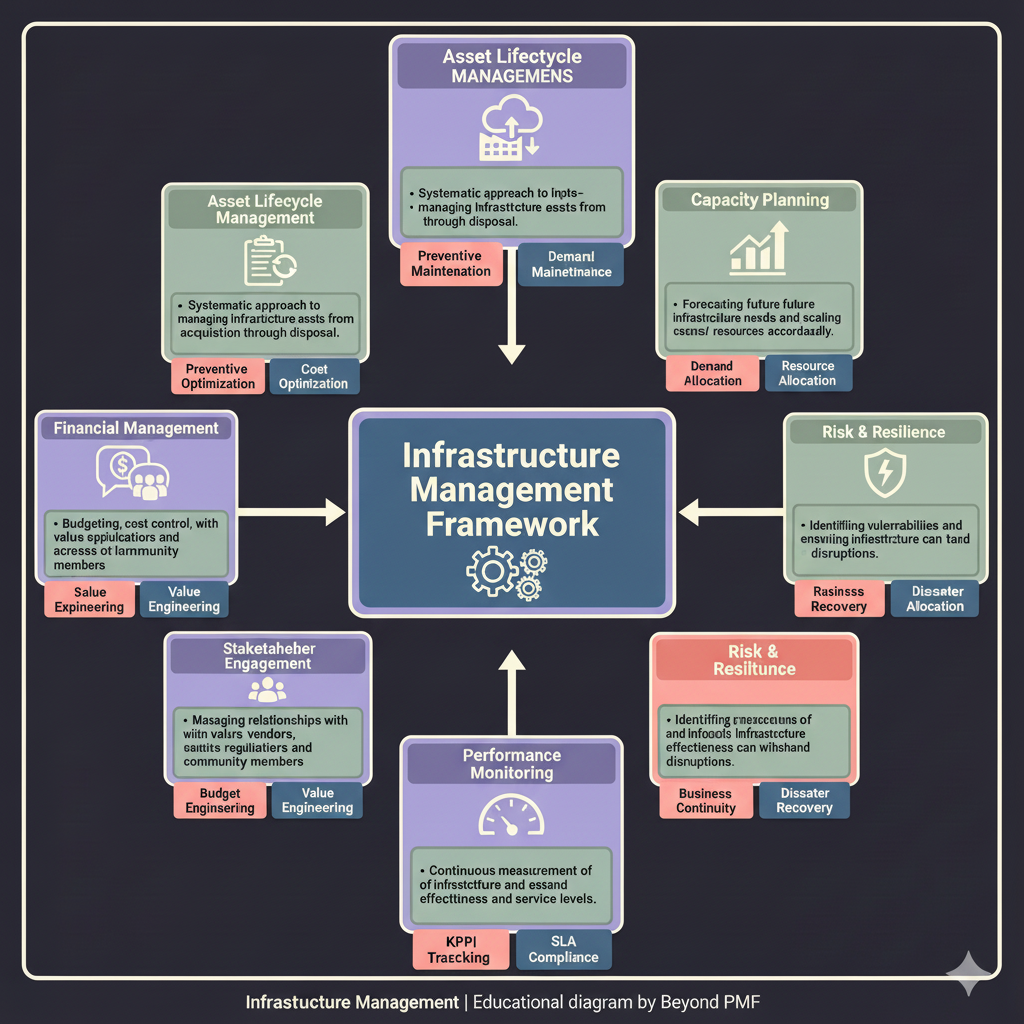
The Infrastructure Management Framework provides organizations with a structured method to manage their infrastructure efficiently. It encompasses the overall management of essential operational components, including policies, processes, equipment, data, and human resources. The framework aims to ensure that all elements of the infrastructure are effectively aligned to support the organization's overall strategy and objectives. This alignment helps in optimizing performance, reducing costs, and enhancing the reliability and security of infrastructure assets.

The ORAP Framework stands for Objective, Resource, Allocation, and Performance. It is designed to help organizations efficiently allocate resources to meet their strategic objectives and improve overall performance. The framework guides managers in identifying key objectives, assessing available resources, allocating these resources effectively, and measuring performance outcomes. This structured approach ensures that resource allocation is aligned with business goals, leading to enhanced operational efficiency and effectiveness.
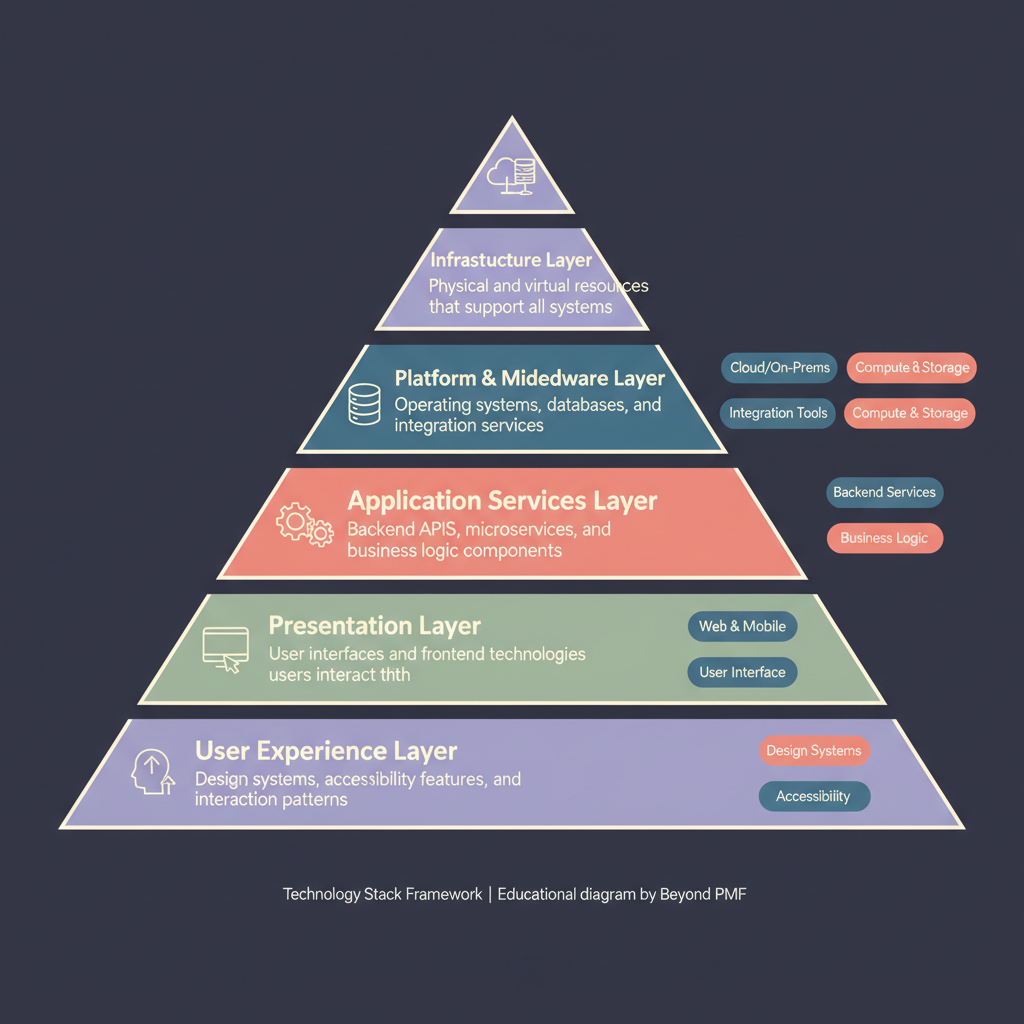
The Technology Stack Framework is a strategic approach used by businesses to evaluate, select, and integrate a coherent set of technologies that align with their business goals. It involves assessing current technological assets, identifying gaps, and strategically incorporating new technologies to enhance operational efficiency and competitive advantage. This framework helps organizations stay current with technological advancements and ensures that their technology stack evolves in alignment with their strategic objectives.