
Go‑to‑market frameworks guide how products are positioned, packaged, launched, and scaled in the market. They align product, marketing, sales, and customer success around a coherent entry and growth plan. These frameworks are critical for new launches, segment expansion, or category creation. Use them to reduce launch risk, accelerate adoption, and improve revenue outcomes.

The 7Ps Marketing Mix is a framework used by marketers to evaluate and restructure their marketing strategies. It extends the traditional 4Ps (Product, Price, Place, Promotion) by adding three more Ps: People, Process, and Physical Evidence. This expansion allows businesses to focus on these additional aspects of service delivery, enhancing customer experience and aligning marketing strategies more closely with modern consumer expectations.
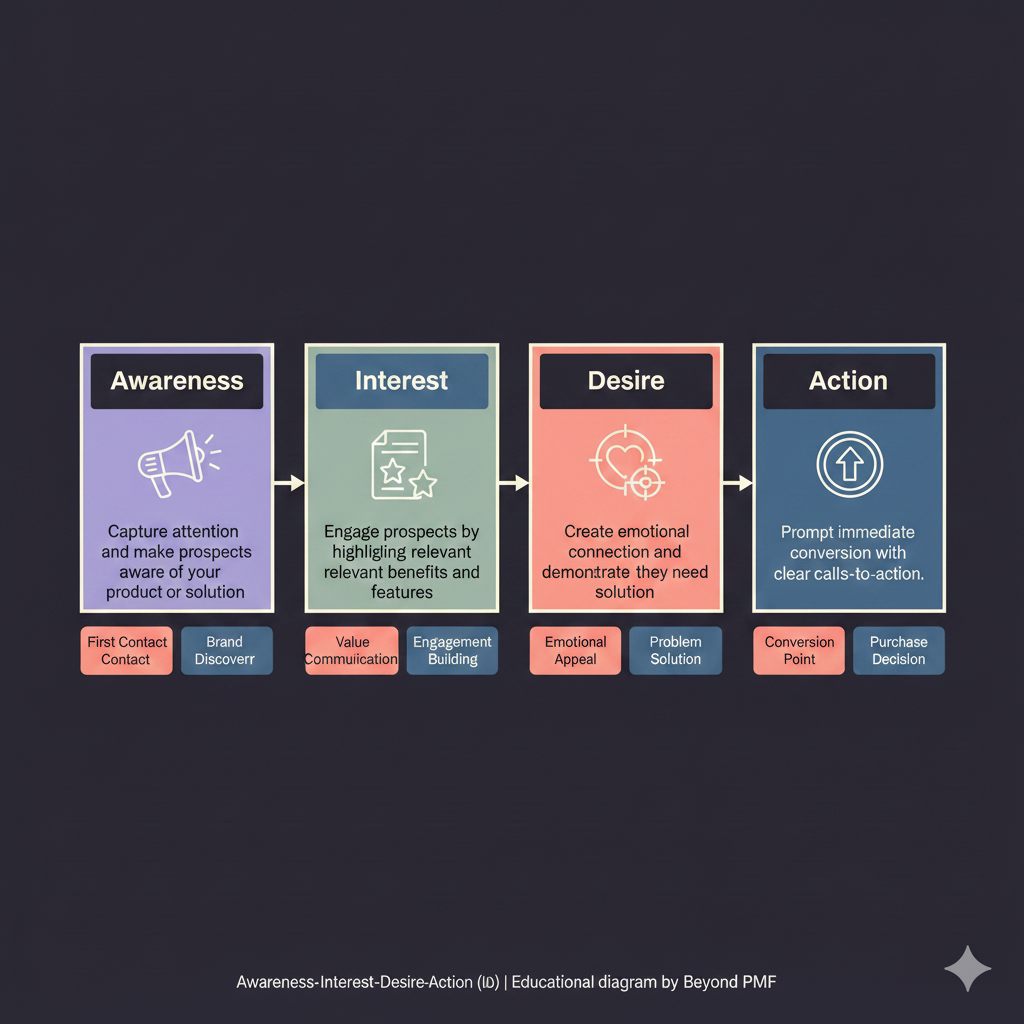
The Awareness-Interest-Desire-Action (AIDA) framework is a classic marketing model that outlines the four stages a consumer goes through before making a purchase decision. It starts with creating awareness about a product or service, generating interest, building a desire for it, and finally prompting action to purchase or engage. This model helps marketers craft effective communication strategies to guide potential customers along their journey, enhancing the chances of successful conversions.
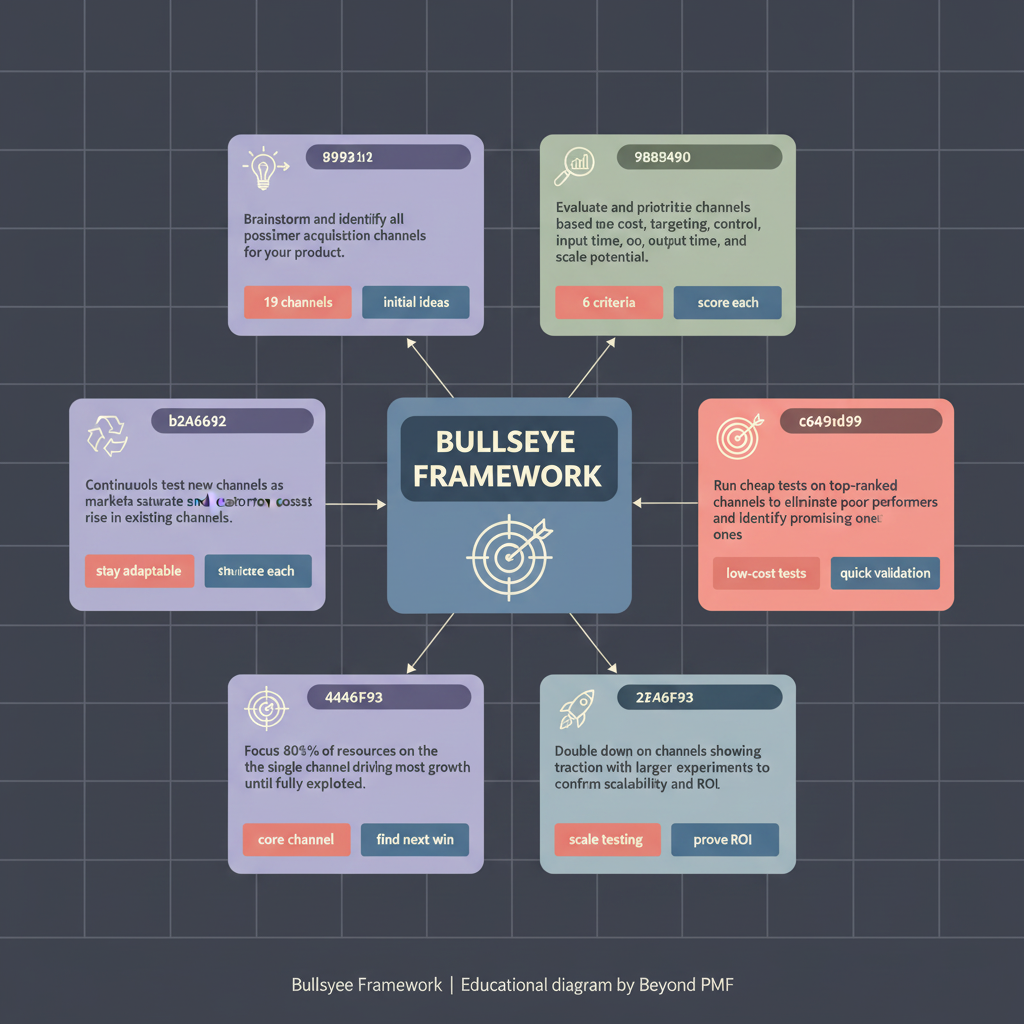
The Bullseye Framework is designed to help businesses pinpoint the marketing channels that will yield the highest returns. It involves brainstorming, testing, and focusing on different channels to discover which ones are most effective. This framework is particularly useful for startups and companies looking to scale efficiently by optimizing their marketing efforts and budget allocation.

The Crossing the Chasm framework, developed by Geoffrey Moore, is designed to help technology startups successfully market their products to a mainstream audience after capturing the early adopters. It emphasizes the importance of understanding and targeting specific segments of the market that are most likely to adopt the product early in its lifecycle. The framework provides strategies for overcoming the 'chasm' that separates early adopters from the more conservative majority, which is crucial for achieving widespread market success.
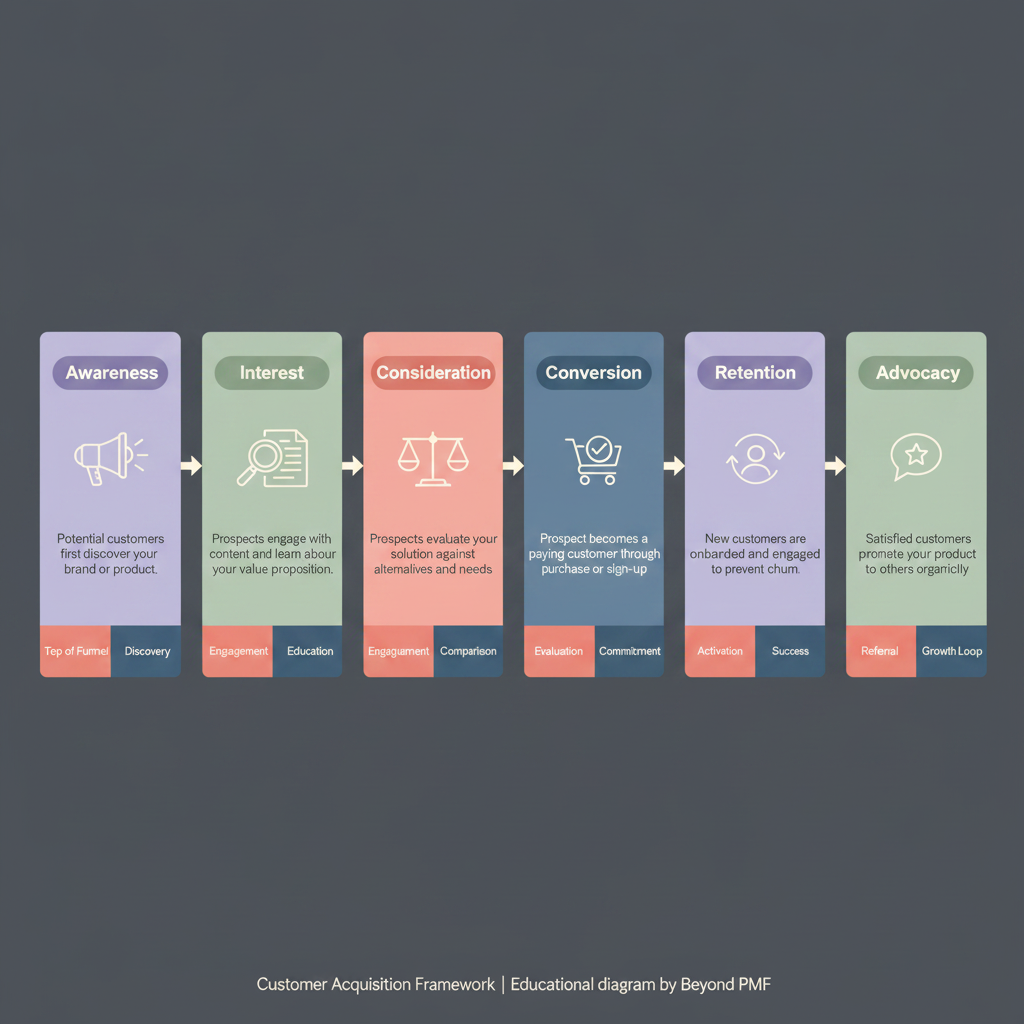
The Customer Acquisition Framework is a systematic approach designed to guide businesses in attracting and converting new customers. It involves identifying target markets, choosing the right channels, optimizing marketing strategies, and measuring the effectiveness of these strategies. This framework is crucial for businesses aiming to expand their customer base, increase revenue, and achieve sustainable growth. Its structured nature allows for continuous improvement and adaptation to changing market conditions.

The Go-to-Market Strategy Template is a comprehensive guide that helps businesses plan and execute the introduction of products to the market. It focuses on defining target audiences, choosing the right channels, and developing marketing and sales strategies. This framework is crucial for aligning cross-functional teams and ensuring a unified approach to market entry, which can significantly increase the chances of a successful launch.

The Internationalization Framework is a strategic tool used by businesses to plan and execute expansion into international markets. It involves assessing market potential, understanding cultural differences, and adapting products and marketing strategies accordingly. This framework helps companies leverage global opportunities, optimize their product offerings for local tastes, and navigate the complexities of cross-border operations.
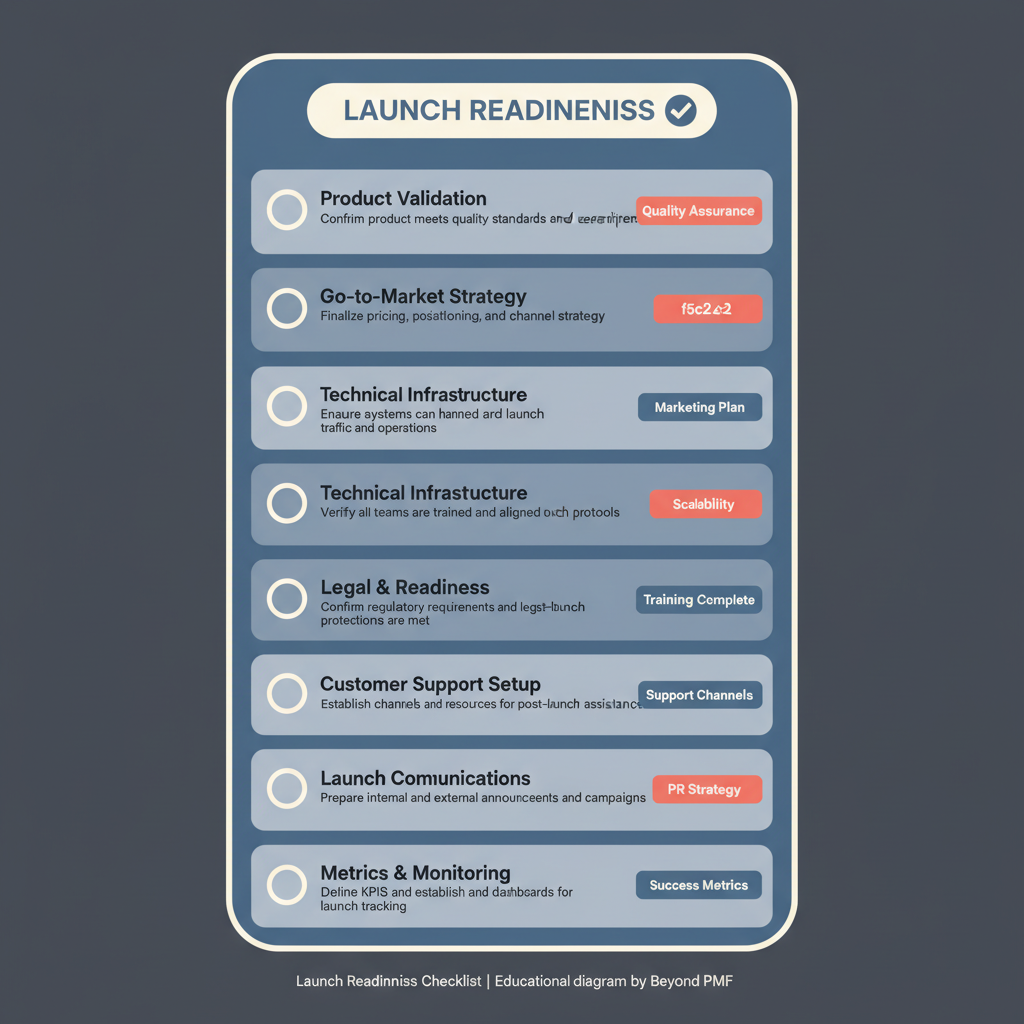
The Launch Readiness Checklist is a comprehensive tool used by businesses to ensure that all necessary preparations are complete before launching a new product or service. It covers various aspects such as market analysis, product testing, marketing strategies, and operational readiness. This checklist is crucial for minimizing risks and maximizing the potential for a successful launch.